Carbon Offsetting for UK businesses
High-integrity carbon credits aligned with the Oxford Principles and Beyond Value Chain Mitigation (BVCM) framework.

Carbon Offsetting for UK businesses
High-integrity carbon credits aligned with the Oxford Principles and Beyond Value Chain Mitigation (BVCM) framework.
Carbon Offsetting for UK businesses
High-integrity carbon credits aligned with the Oxford Principles and Beyond Value Chain Mitigation (BVCM) framework.
Trusted by over 16,000 businesses
Trusted by over 16,000 businesses

B Corp Certified
B Corp Certified
Gold Standard & VCS Verified Projects
Gold Standard & VCS Verified Projects
Gold Standard & VCS Verified Projects

What is carbon offsetting?
Carbon offsetting allows businesses to compensate for emissions they can't yet eliminate by funding verified projects that reduce or remove CO₂ from the atmosphere.
Used appropriately, carbon offsetting is a recognised part of the global journey to net-zero – it’s a complementary action that helps accelerate wider climate progress while you continue to decarbonise.
For UK businesses, carbon offsetting is:
A complement to reduction efforts, not a replacement
Aligned with ISO 14068-1:2023 (which supersedes PAS 2060) and Science Based Targets initiative (SBTi) guidance
A recognised component of Beyond Value Chain Mitigation (BVCM)
A way to demonstrate climate leadership to stakeholders
What is carbon offsetting?
Carbon offsetting allows businesses to compensate for emissions they can't yet eliminate by funding verified projects that reduce or remove CO₂ from the atmosphere.
Used appropriately, carbon offsetting is a recognised part of the global journey to net-zero – it’s a complementary action that helps accelerate wider climate progress while you continue to decarbonise.
For UK businesses, carbon offsetting is:
A complement to reduction efforts, not a replacement
Aligned with ISO 14068-1:2023 (which supersedes PAS 2060) and Science Based Targets initiative (SBTi) guidance
A recognised component of Beyond Value Chain Mitigation (BVCM)
A way to demonstrate climate leadership to stakeholders
What is carbon offsetting?
Carbon offsetting allows businesses to compensate for emissions they can't yet eliminate by funding verified projects that reduce or remove CO₂ from the atmosphere.
Used appropriately, carbon offsetting is a recognised part of the global journey to net-zero – it’s a complementary action that helps accelerate wider climate progress while you continue to decarbonise.
For UK businesses, carbon offsetting is:
A complement to reduction efforts, not a replacement
Aligned with ISO 14068-1:2023 (which supersedes PAS 2060) and Science Based Targets initiative (SBTi) guidance
A recognised component of Beyond Value Chain Mitigation (BVCM)
A way to demonstrate climate leadership to stakeholders
How Ecologi ensures high-integrity carbon offsetting
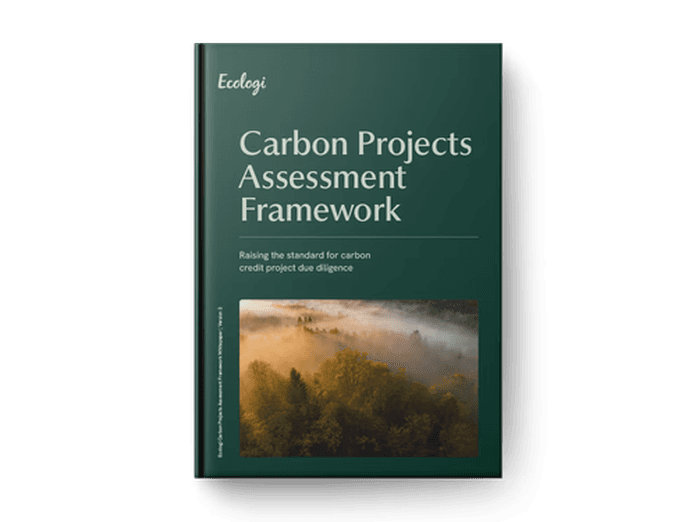
Our industry-leading assessment framework
At Ecologi, every carbon offsetting project we fund is rigorously assessed through our Carbon Project Assessment Framework.
We only supply credits from ICROA-endorsed standards (such as Gold Standard and Verra)
We assess each project using data from trusted carbon intelligence partners including BeZero Carbon, Calyx Global, Renoster, Sylvera, and AlliedOffsets.
We assess additionality, permanence, and leakage for every project.
Read our blog comparing the leading carbon offset providers.

Aligned with the Oxford Principles
Our approach follows the Oxford Principles for Net Zero Aligned Carbon Offsetting, helping you:
Prioritise emissions reduction first
Shift from avoidance projects to long-term carbon removal
Increase carbon offset durability over time
Invest in broader ecosystem restoration projects and nature-based solutions in-line with Beyond Value Chain Mitigation (BVCM)
Your portfolio evolves with your net-zero journey.

Transparent, accountable, and impact-driven
Every purchase of carbon offsets through Ecologi is:
Listed on our Public Ledger
Traced to specific, verified projects
Included in impact reports
Viewable on your public profile
No greenwashing. No hidden fees. Just credible climate action.
How Ecologi ensures high-integrity carbon offsetting
Our industry-leading assessment framework
At Ecologi, every carbon offsetting project we fund is rigorously assessed through our Carbon Project Assessment Framework.
We only supply credits from ICROA-endorsed standards (such as Gold Standard and Verra)
We assess each project using data from trusted carbon intelligence partners including BeZero Carbon, Calyx Global, Renoster, Sylvera, and AlliedOffsets.
We assess additionality, permanence, and leakage for every project.
Read our blog comparing the leading carbon offset providers.
Aligned with the Oxford Principles
Our approach follows the Oxford Principles for Net Zero Aligned Carbon Offsetting, helping you:
Prioritise emissions reduction first
Shift from avoidance projects to long-term carbon removal
Increase carbon offset durability over time
Invest in broader ecosystem restoration projects and nature-based solutions in-line with Beyond Value Chain Mitigation (BVCM)
Your portfolio evolves with your net-zero journey.
Transparent, accountable, and impact-driven
Every purchase of carbon offsets through Ecologi is:
Listed on our Public Ledger
Traced to specific, verified projects
Included in impact reports
Viewable on your public profile
No greenwashing. No hidden fees. Just credible climate action.
How Ecologi ensures high-integrity carbon offsetting
Our industry-leading assessment framework
At Ecologi, every carbon offsetting project we fund is rigorously assessed through our Carbon Project Assessment Framework.
We only supply credits from ICROA-endorsed standards (such as Gold Standard and Verra)
We assess each project using data from trusted carbon intelligence partners including BeZero Carbon, Calyx Global, Renoster, Sylvera, and AlliedOffsets.
We assess additionality, permanence, and leakage for every project.
Read our blog comparing the leading carbon offset providers.
Aligned with the Oxford Principles
Our approach follows the Oxford Principles for Net Zero Aligned Carbon Offsetting, helping you:
Prioritise emissions reduction first
Shift from avoidance projects to long-term carbon removal
Increase carbon offset durability over time
Invest in broader ecosystem restoration projects and nature-based solutions in-line with Beyond Value Chain Mitigation (BVCM)
Your portfolio evolves with your net-zero journey.
Transparent, accountable, and impact-driven
Every purchase of carbon offsets through Ecologi is:
Listed on our Public Ledger
Traced to specific, verified projects
Included in impact reports
Viewable on your public profile
No greenwashing. No hidden fees. Just credible climate action.
See what a credible portfolio would cost you
Enter your tonnes and budget, and get a science-led spot portfolio of assessed, verified projects with indicative pricing. Free, and it takes under a minute.
See what a credible portfolio would cost you
Enter your tonnes and budget, and get a science-led spot portfolio of assessed, verified projects with indicative pricing. Free, and it takes under a minute.
See what a credible portfolio would cost you
Enter your tonnes and budget, and get a science-led spot portfolio of assessed, verified projects with indicative pricing. Free, and it takes under a minute.
Carbon offset project types


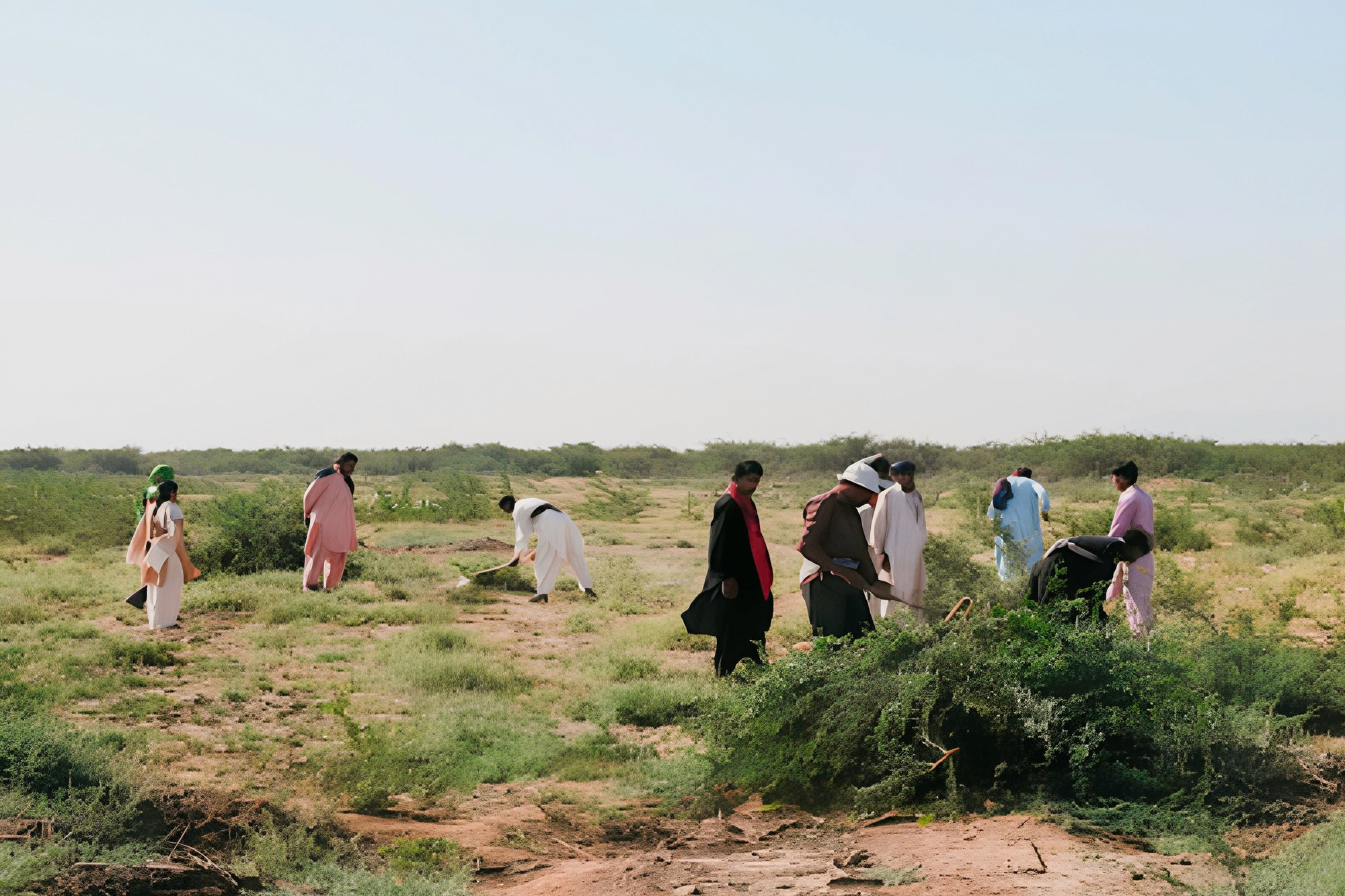

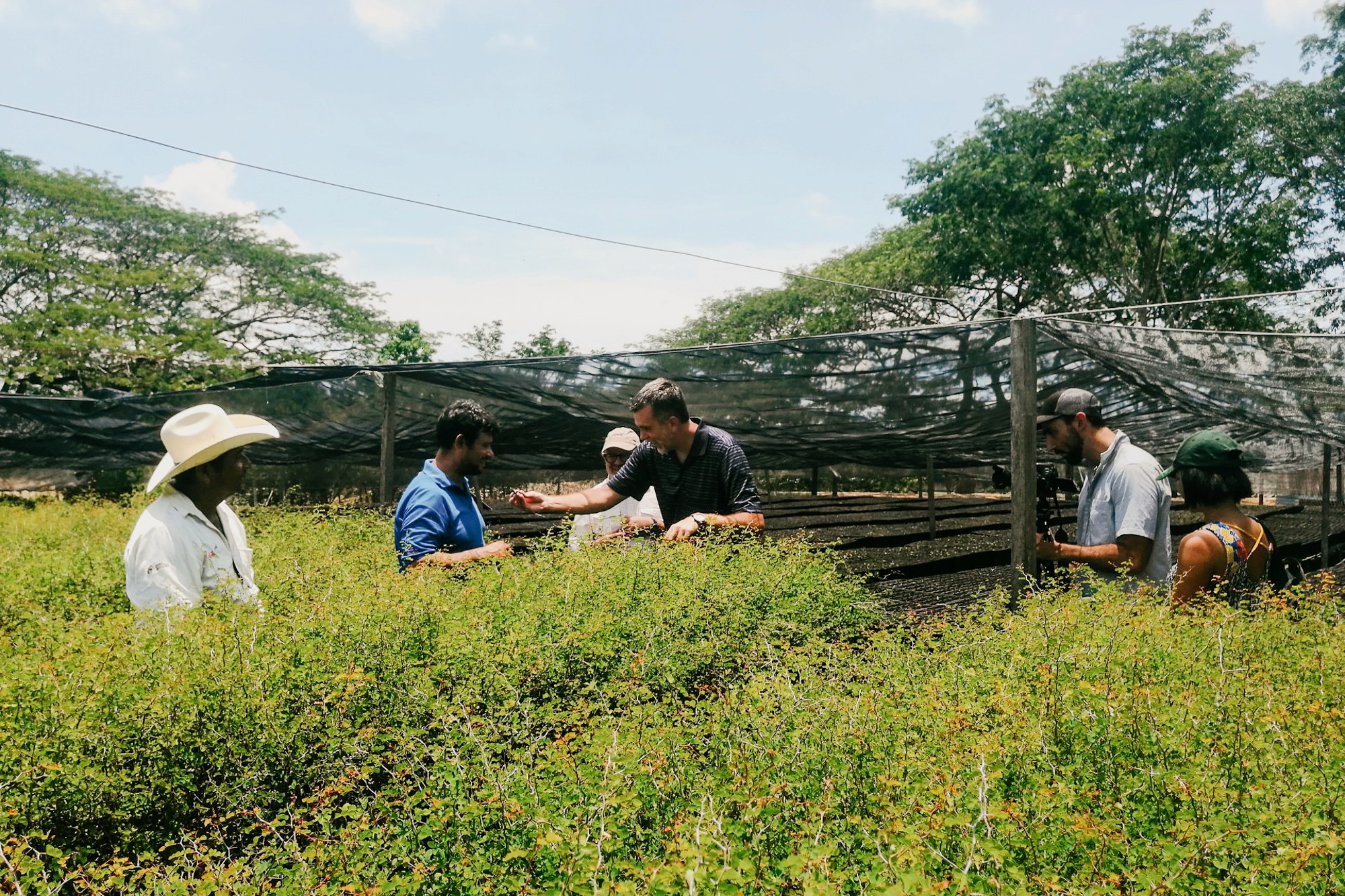
Carbon offset project types
Carbon offset project types
Ready to start offsetting?
Speak to our team for a free, no-commitment consultation. Alternatively, visit our Impact Marketplace to fund offsetting projects right now.
Ready to start offsetting?
Speak to our team for a free, no-commitment consultation. Alternatively, visit our Impact Marketplace to fund offsetting projects right now.
Ready to start offsetting?
Speak to our team for a free, no-commitment consultation. Alternatively, visit our Impact Marketplace to fund offsetting projects right now.
Go beyond offsetting: build a complete climate strategy
Carbon offsetting is only one part of your sustainability journey. Our 3Rs framework empowers your business to go beyond carbon offsetting and lead with credibility, confidence, and impact.

Reduce your emissions
Measure your Scope 1, 2, and 3 emissions, set SBTi-aligned short- and long-term reduction targets, and develop actionable plans that reduce emissions, improve operational efficiency, cut costs, and strengthen your competitive position.

Restore our planet
Compensate for unavoidable emissions and contribute beyond your value chain by funding verified carbon credits and nature-based restoration that mitigates the impact of your business operations whilst building brand reputation.

Report your progress
Meet voluntary, regulatory & supply chain compliance requirements such as PPN 006, CSRD, SECR, SBTi, CDP, and communicate your climate impact to key stakeholders, protecting your brand against greenwashing.
Go beyond offsetting: build a complete climate strategy
Carbon offsetting is only one part of your sustainability journey. Our 3Rs framework empowers your business to go beyond carbon offsetting and lead with credibility, confidence, and impact.
Reduce your emissions
Measure your Scope 1, 2, and 3 emissions, set SBTi-aligned short- and long-term reduction targets, and develop actionable plans that reduce emissions, improve operational efficiency, cut costs, and strengthen your competitive position.
Restore our planet
Compensate for unavoidable emissions and contribute beyond your value chain by funding verified carbon credits and nature-based restoration that mitigates the impact of your business operations whilst building brand reputation.
Report your progress
Meet voluntary, regulatory & supply chain compliance requirements such as PPN 006, CSRD, SECR, SBTi, CDP, and communicate your climate impact to key stakeholders, protecting your brand against greenwashing.
Go beyond offsetting: build a complete climate strategy
Carbon offsetting is only one part of your sustainability journey. Our 3Rs framework empowers your business to go beyond carbon offsetting and lead with credibility, confidence, and impact.
Reduce your emissions
Measure your Scope 1, 2, and 3 emissions, set SBTi-aligned short- and long-term reduction targets, and develop actionable plans that reduce emissions, improve operational efficiency, cut costs, and strengthen your competitive position.
Restore our planet
Compensate for unavoidable emissions and contribute beyond your value chain by funding verified carbon credits and nature-based restoration that mitigates the impact of your business operations whilst building brand reputation.
Report your progress
Meet voluntary, regulatory & supply chain compliance requirements such as PPN 006, CSRD, SECR, SBTi, CDP, and communicate your climate impact to key stakeholders, protecting your brand against greenwashing.
Case studies
Ready to join 16,000+ businesses taking climate action?

University of Derby
The University of Derby’s new Cavendish Building is more than an architectural statement. It exemplifies how universities can lead the transition to a net-zero built environment through science-led, high-integrity carbon management aligned with UK Green Building Council (UKGBC) guidance.

Orms
Orms, a certified B Corp architecture practice based in central London, is going beyond its own emissions reductions to invest in high-integrity, durable carbon removals. Discover how the practice partnered with Ecologi, guided by the Oxford Principles, to fund verified biochar removals and tree planting, and why a first-hand site visit to a UK biochar project confirmed it was, in Associate Director Rosie Bard's words, "an investment in the right place.

Fourfront
Fourfront Group, an office fit-out specialist behind more than 10 million square feet of workplace across Europe, doesn't just tackle its own emissions, it funds verified climate action on behalf of clients for every project it delivers. Discover how the B Corp-certified group partnered with Ecologi to combine rigorous carbon measurement with high-integrity climate action, funding 10,149 tonnes of CO2e avoided and 107 tonnes removed to date.
Case studies
Ready to join 16,000+ businesses taking climate action?
University of Derby
The University of Derby’s new Cavendish Building is more than an architectural statement. It exemplifies how universities can lead the transition to a net-zero built environment through science-led, high-integrity carbon management aligned with UK Green Building Council (UKGBC) guidance.
Orms
Orms, a certified B Corp architecture practice based in central London, is going beyond its own emissions reductions to invest in high-integrity, durable carbon removals. Discover how the practice partnered with Ecologi, guided by the Oxford Principles, to fund verified biochar removals and tree planting, and why a first-hand site visit to a UK biochar project confirmed it was, in Associate Director Rosie Bard's words, "an investment in the right place.
Fourfront
Fourfront Group, an office fit-out specialist behind more than 10 million square feet of workplace across Europe, doesn't just tackle its own emissions, it funds verified climate action on behalf of clients for every project it delivers. Discover how the B Corp-certified group partnered with Ecologi to combine rigorous carbon measurement with high-integrity climate action, funding 10,149 tonnes of CO2e avoided and 107 tonnes removed to date.
Case studies
Ready to join 16,000+ businesses taking climate action?
University of Derby
The University of Derby’s new Cavendish Building is more than an architectural statement. It exemplifies how universities can lead the transition to a net-zero built environment through science-led, high-integrity carbon management aligned with UK Green Building Council (UKGBC) guidance.
Orms
Orms, a certified B Corp architecture practice based in central London, is going beyond its own emissions reductions to invest in high-integrity, durable carbon removals. Discover how the practice partnered with Ecologi, guided by the Oxford Principles, to fund verified biochar removals and tree planting, and why a first-hand site visit to a UK biochar project confirmed it was, in Associate Director Rosie Bard's words, "an investment in the right place.
Fourfront
Fourfront Group, an office fit-out specialist behind more than 10 million square feet of workplace across Europe, doesn't just tackle its own emissions, it funds verified climate action on behalf of clients for every project it delivers. Discover how the B Corp-certified group partnered with Ecologi to combine rigorous carbon measurement with high-integrity climate action, funding 10,149 tonnes of CO2e avoided and 107 tonnes removed to date.
Explore expert insights
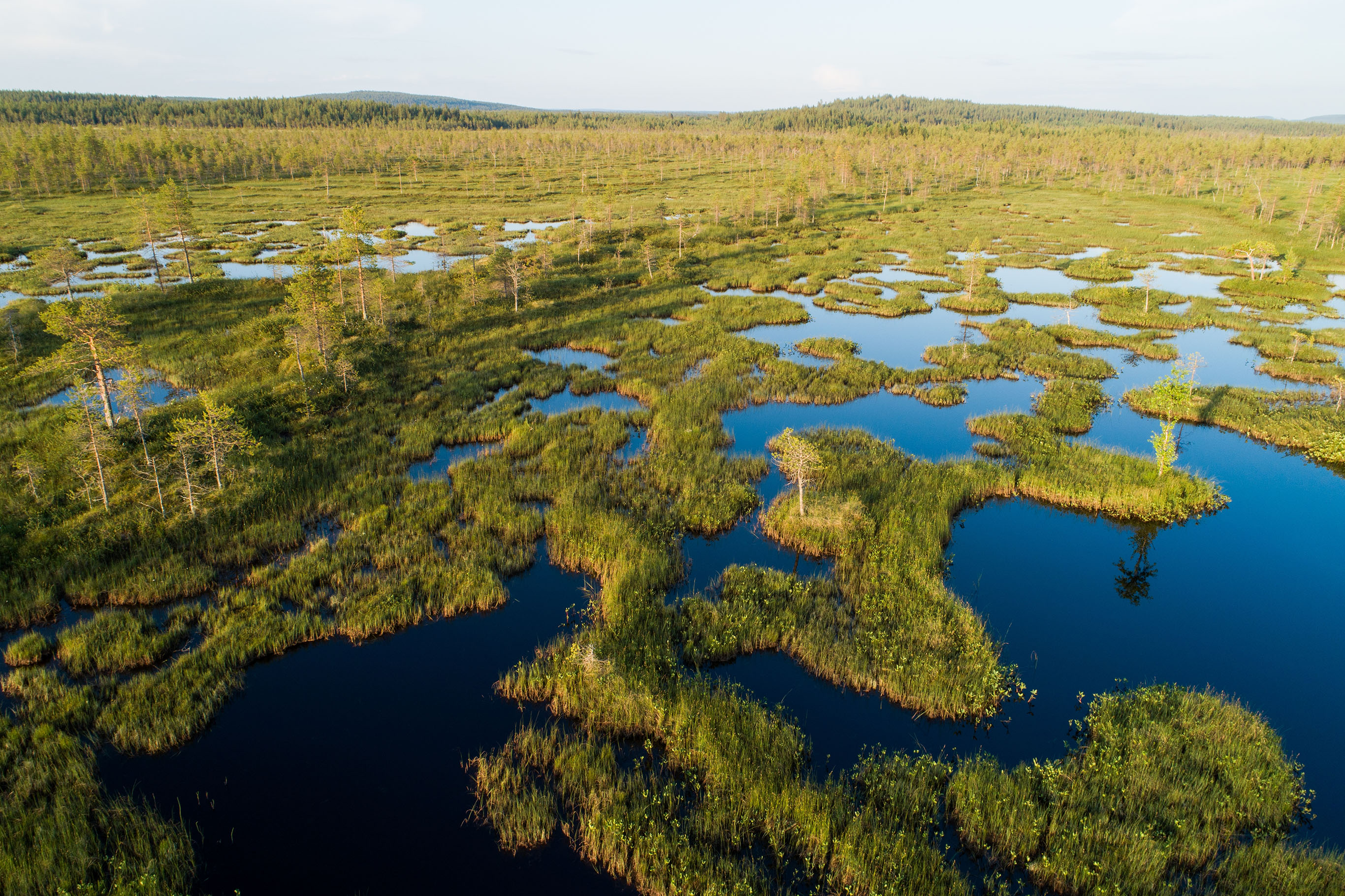
Cut through the complexity with clear, expert-led insights from our resource hub, designed to help sustainability leaders build credible climate strategies.


Explore expert insights
Cut through the complexity with clear, expert-led insights from our resource hub, designed to help sustainability leaders build credible climate strategies.
Explore expert insights
Cut through the complexity with clear, expert-led insights from our resource hub, designed to help sustainability leaders build credible climate strategies.
Frequently asked questions
What is the difference between carbon offsetting and carbon credits?
Carbon credits are verified certificates representing one tonne of CO₂e reduced, avoided, or removed from the atmosphere. They are the units traded in the voluntary carbon market. Carbon offsetting is the purchase of carbon offsets (carbon credits) and their retirement to compensate for emissions that can't yet be eliminated. For example, a company might fund a tree planting carbon offset or clean energy project to balance its footprint. In short: carbon credits are the currency of carbon markets, while offsetting is how that currency is used to deliver real-world climate impact.
What is Beyond Value Chain Mitigation (BVCM)?
Beyond value chain mitigation, or BVCM, is a key concept in the SBTi’s Corporate Net-Zero Standard, which is the leading net-zero framework for businesses. BVCM encourages organisations to support climate action beyond their own operations, alongside reducing their business emissions, on the journey to net-zero.
Rather than relying solely on carbon offsetting, BVCM focuses on contributing to global decarbonisation through high-integrity carbon credits. These may include projects like reforestation, renewable energy, or tree planting carbon offset initiatives that remove or avoid emissions elsewhere.
What are the Oxford Principles for Net Zero Aligned Carbon Offsetting?
First published in 2020 and revised in 2024, the Oxford Principles provide a science-based framework for businesses to ensure that the carbon offsetting they carry out supports genuine, lasting climate benefits rather than temporary or low-quality solutions.
The principles urge organisations to reduce their own emissions first, then use high-quality carbon credits for any remaining emissions. They also encourage a gradual shift towards carbon removals – such as durable tree planting carbon offset projects – and transparent reporting.
Is carbon offsetting greenwashing?
Carbon offsetting is not inherently greenwashing – but it can be if used to avoid real emissions cuts or if low-quality carbon credits are purchased. When done transparently and responsibly, offsetting drives finance to impactful climate solutions. Integrity comes from pairing carbon offsetting with deep emissions reductions, independent verification, and open reporting.
What is the difference between avoidance and removal credits?
Avoidance credits come from projects that prevent emissions from being released – such as protecting forests from deforestation or funding clean cookstoves. Removal credits, by contrast, are generated when carbon is actively taken out of the atmosphere, for example through afforestation, biochar, or direct air capture. Both play important roles in carbon offsetting, but only removal credits directly lower atmospheric CO₂ concentrations. High-integrity portfolios often include a mix of avoidance and removal carbon credits.
What is the Gold Standard for carbon offsets?
The Gold Standard is one of the world’s most trusted certification bodies for carbon credits. Established by WWF and other NGOs, it ensures that carbon offsetting projects deliver verifiable climate impact while supporting sustainable development goals. To issue Gold Standard credits, projects must meet strict criteria for additionality, permanence, and co-benefits for local communities.
What is VCS (Verified Carbon Standard)?
The Verified Carbon Standard (VCS), developed by Verra, is the most widely used program for verifying carbon credits globally. It ensures that carbon offsetting projects meet rigorous requirements for additionality, monitoring, and verification.
Each tonne of CO₂e reduced or removed generates a unique carbon credit recorded in Verra’s public registry. This transparency helps buyers trust that their investments fund genuine emissions reductions and contribute to global climate goals.
Can carbon offsetting help us achieve net zero?
Carbon offsetting can play an important role in achieving net zero, but only alongside deep emissions reductions. High-quality carbon credits allow businesses to compensate for residual emissions that can’t yet be eliminated.
Do we need to reduce emissions before offsetting?
Credible climate strategies always prioritise emissions reduction alongside carbon offsetting. Companies should measure their footprint, set science-based targets, and decarbonise as much as possible. Purchasing high-quality carbon credits can be used to neutralise what remains.
This approach aligns with best-practice frameworks like the Oxford Principles and the Science Based Targets initiative, ensuring that carbon offsetting is used responsibly and complements, rather than replaces, genuine climate action.
Frequently asked questions
What is the difference between carbon offsetting and carbon credits?
Carbon credits are verified certificates representing one tonne of CO₂e reduced, avoided, or removed from the atmosphere. They are the units traded in the voluntary carbon market. Carbon offsetting is the purchase of carbon offsets (carbon credits) and their retirement to compensate for emissions that can't yet be eliminated. For example, a company might fund a tree planting carbon offset or clean energy project to balance its footprint. In short: carbon credits are the currency of carbon markets, while offsetting is how that currency is used to deliver real-world climate impact.
What is Beyond Value Chain Mitigation (BVCM)?
Beyond value chain mitigation, or BVCM, is a key concept in the SBTi’s Corporate Net-Zero Standard, which is the leading net-zero framework for businesses. BVCM encourages organisations to support climate action beyond their own operations, alongside reducing their business emissions, on the journey to net-zero.
Rather than relying solely on carbon offsetting, BVCM focuses on contributing to global decarbonisation through high-integrity carbon credits. These may include projects like reforestation, renewable energy, or tree planting carbon offset initiatives that remove or avoid emissions elsewhere.
What are the Oxford Principles for Net Zero Aligned Carbon Offsetting?
First published in 2020 and revised in 2024, the Oxford Principles provide a science-based framework for businesses to ensure that the carbon offsetting they carry out supports genuine, lasting climate benefits rather than temporary or low-quality solutions.
The principles urge organisations to reduce their own emissions first, then use high-quality carbon credits for any remaining emissions. They also encourage a gradual shift towards carbon removals – such as durable tree planting carbon offset projects – and transparent reporting.
Is carbon offsetting greenwashing?
Carbon offsetting is not inherently greenwashing – but it can be if used to avoid real emissions cuts or if low-quality carbon credits are purchased. When done transparently and responsibly, offsetting drives finance to impactful climate solutions. Integrity comes from pairing carbon offsetting with deep emissions reductions, independent verification, and open reporting.
What is the difference between avoidance and removal credits?
Avoidance credits come from projects that prevent emissions from being released – such as protecting forests from deforestation or funding clean cookstoves. Removal credits, by contrast, are generated when carbon is actively taken out of the atmosphere, for example through afforestation, biochar, or direct air capture. Both play important roles in carbon offsetting, but only removal credits directly lower atmospheric CO₂ concentrations. High-integrity portfolios often include a mix of avoidance and removal carbon credits.
What is the Gold Standard for carbon offsets?
The Gold Standard is one of the world’s most trusted certification bodies for carbon credits. Established by WWF and other NGOs, it ensures that carbon offsetting projects deliver verifiable climate impact while supporting sustainable development goals. To issue Gold Standard credits, projects must meet strict criteria for additionality, permanence, and co-benefits for local communities.
What is VCS (Verified Carbon Standard)?
The Verified Carbon Standard (VCS), developed by Verra, is the most widely used program for verifying carbon credits globally. It ensures that carbon offsetting projects meet rigorous requirements for additionality, monitoring, and verification.
Each tonne of CO₂e reduced or removed generates a unique carbon credit recorded in Verra’s public registry. This transparency helps buyers trust that their investments fund genuine emissions reductions and contribute to global climate goals.
Can carbon offsetting help us achieve net zero?
Carbon offsetting can play an important role in achieving net zero, but only alongside deep emissions reductions. High-quality carbon credits allow businesses to compensate for residual emissions that can’t yet be eliminated.
Do we need to reduce emissions before offsetting?
Credible climate strategies always prioritise emissions reduction alongside carbon offsetting. Companies should measure their footprint, set science-based targets, and decarbonise as much as possible. Purchasing high-quality carbon credits can be used to neutralise what remains.
This approach aligns with best-practice frameworks like the Oxford Principles and the Science Based Targets initiative, ensuring that carbon offsetting is used responsibly and complements, rather than replaces, genuine climate action.
Connect with one of our climate experts
Please complete our form to arrange a 30-minute discovery call to discuss your goals and get a tailored solution for your business.
We use necessary cookies to make our website and app work, and optional cookies for analytics, feedback and marketing. Learn more in our cookie policy.
We use necessary cookies to make our website and app work, and optional cookies for analytics, feedback and marketing. Learn more in our cookie policy.
We use necessary cookies to make our website and app work, and optional cookies for analytics, feedback and marketing. Learn more in our cookie policy.