Habitat restoration

Wildflower meadow enhancement at Dumyat, Scotland

Wildflower meadow enhancement at Dumyat, Scotland

Biodiversity in the UK brings so many benefits – stunning landscapes, iconic wildlife, and clean air and water, not to mention the carbon sequestration capabilities of healthy habitats that help us to limit climate change. But the UK’s biodiversity is under immense pressure. In fact, 50% of the UK’s biodiversity has been lost since the Industrial Revolution. Consequently, the UK ranks in the bottom 10% of all countries when it comes to biodiversity intactness. The main factors contributing to this shocking decline are intensive agricultural management, climate change, hydrological changes by humans, urbanisation, invasive non-native species, pests and pathogens, pollution, and poor woodland management.

However, there are plenty of projects across the UK aiming to reverse this trend. By supporting the restoration of habitats that are vital for biodiversity, as well as for ecosystem services like flood prevention, we can secure the future of the UK’s wildlife and the landscapes that benefit us all.

Why support UK wildflowers?

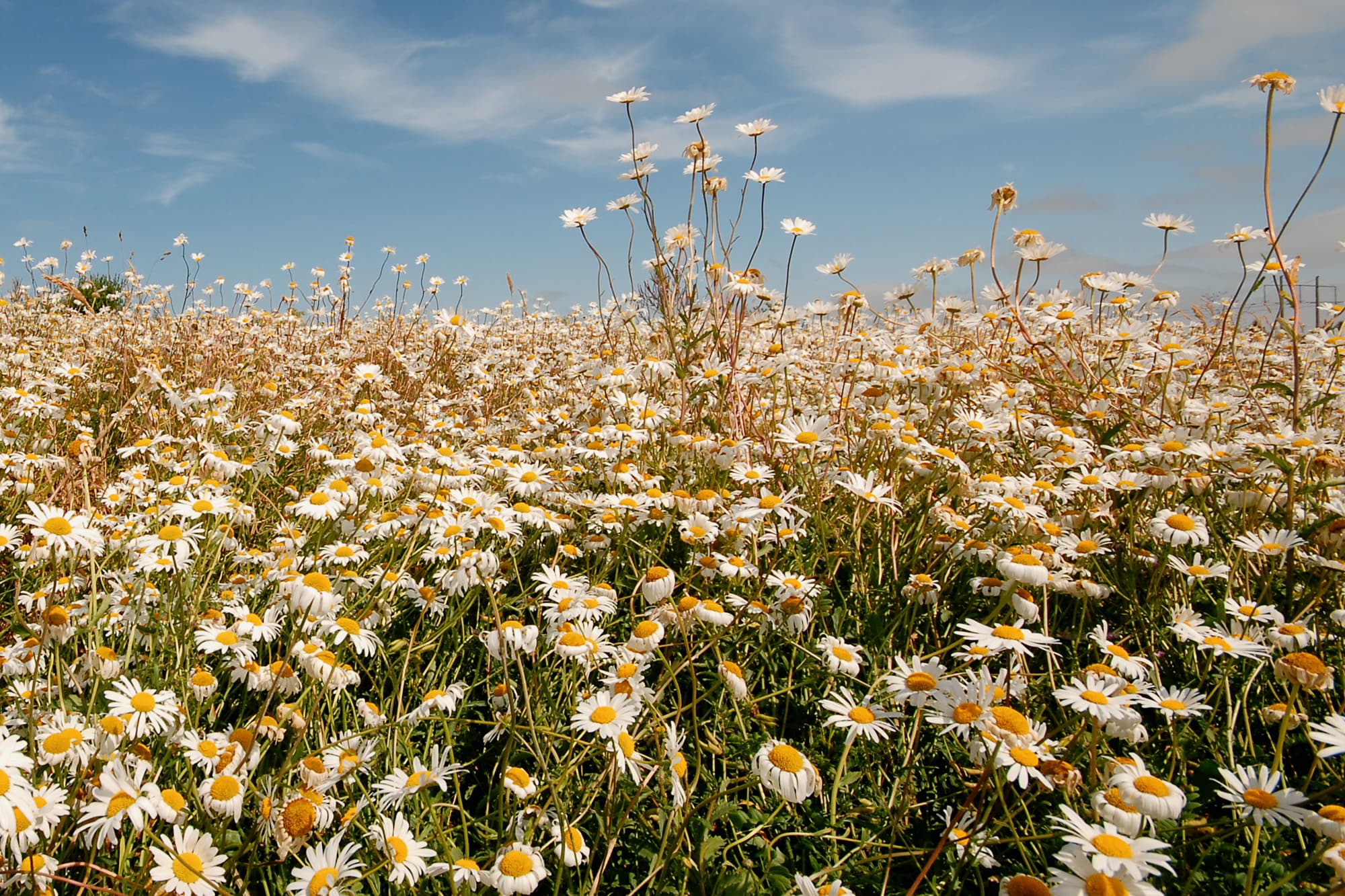
Wildflowers in the UK have fared particularly badly over the last few decades – 97% of wildflower meadows have been lost since the 1930s. This staggering statistic illustrates the immense pressure on native flower species and the animals that rely on them to survive.

Current focus: Wildflower Meadow Enhancement at Dumyat

At their Dumyat site near Menstrie in the Ochil Hills, The Future Forest Company is restoring two adjoining grassland areas into thriving lowland meadows rich in native wildflowers, pollinators, and birdlife.

Once species-poor, these fields supported just 4–7 plant species per m² when first surveyed. Since 2022, gradual restoration has been underway, with Highland cattle introduced to create varied sward structure, their ecologist and local volunteers planting wildflower plugs, and community partners carrying out butterfly, bee, moth, and bat monitoring.

Over the next 10 years, they’ll continue transforming the 5.9-hectare area into a diverse wet-meadow habitat by:

  • Maintaining light, seasonal cattle grazing after hay cuts to encourage varied vegetation.
  • Avoiding fertilisers and chemicals to allow native species to re-establish naturally.
  • Re-sowing local provenance wet-meadow seed mixes in 2025 and beyond.
  • Monitoring wildflowers, pollinators, and bats annually to track biodiversity uplift.

This steady, nature-led approach aims to shift the grassland from poor/moderate to good condition, achieving around 50–800 % biodiversity uplift (Defra metric), while strengthening pollinator networks and soil health across the Dumyat landscape.