

End poverty in all its forms everywhere
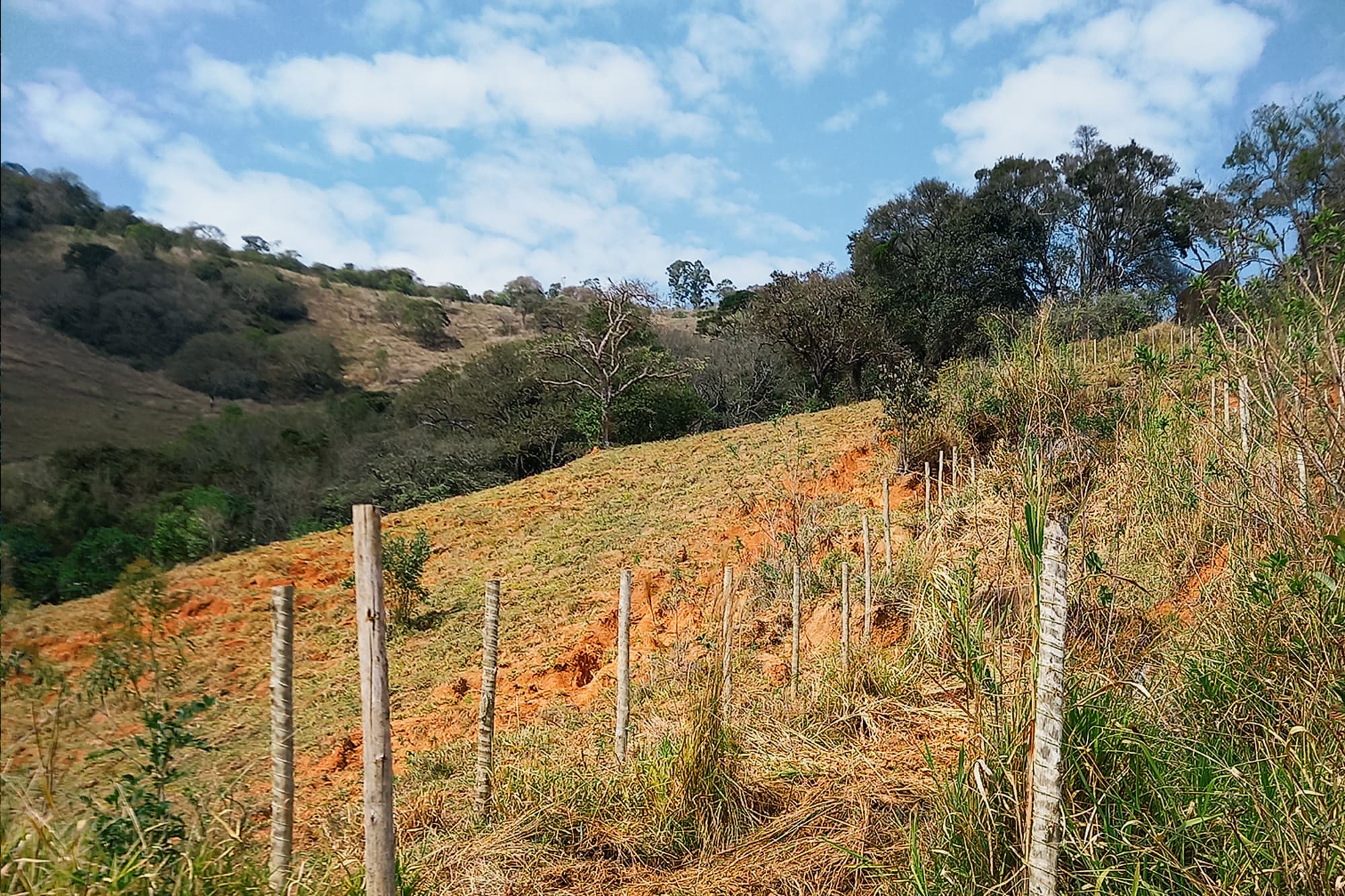
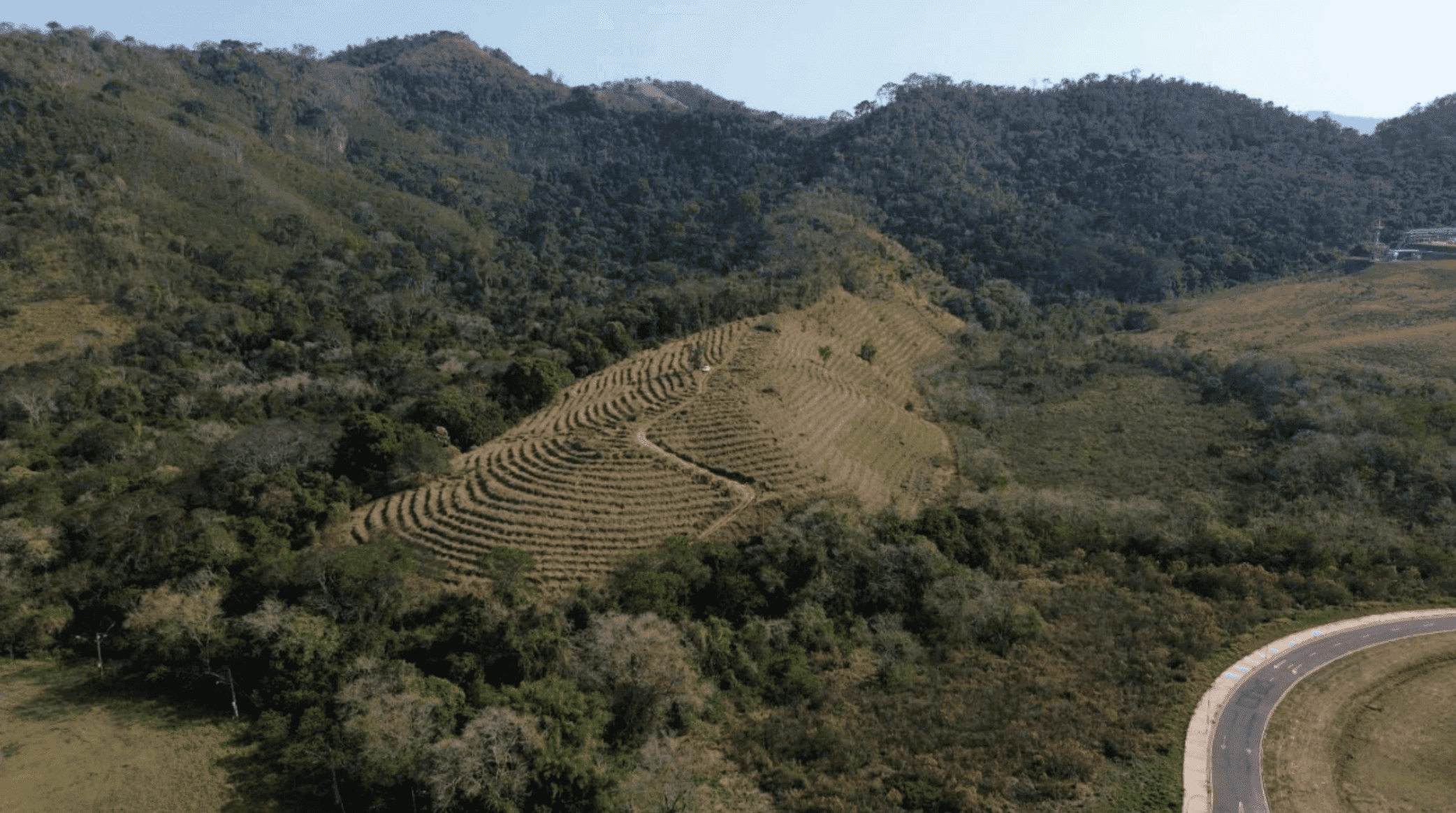
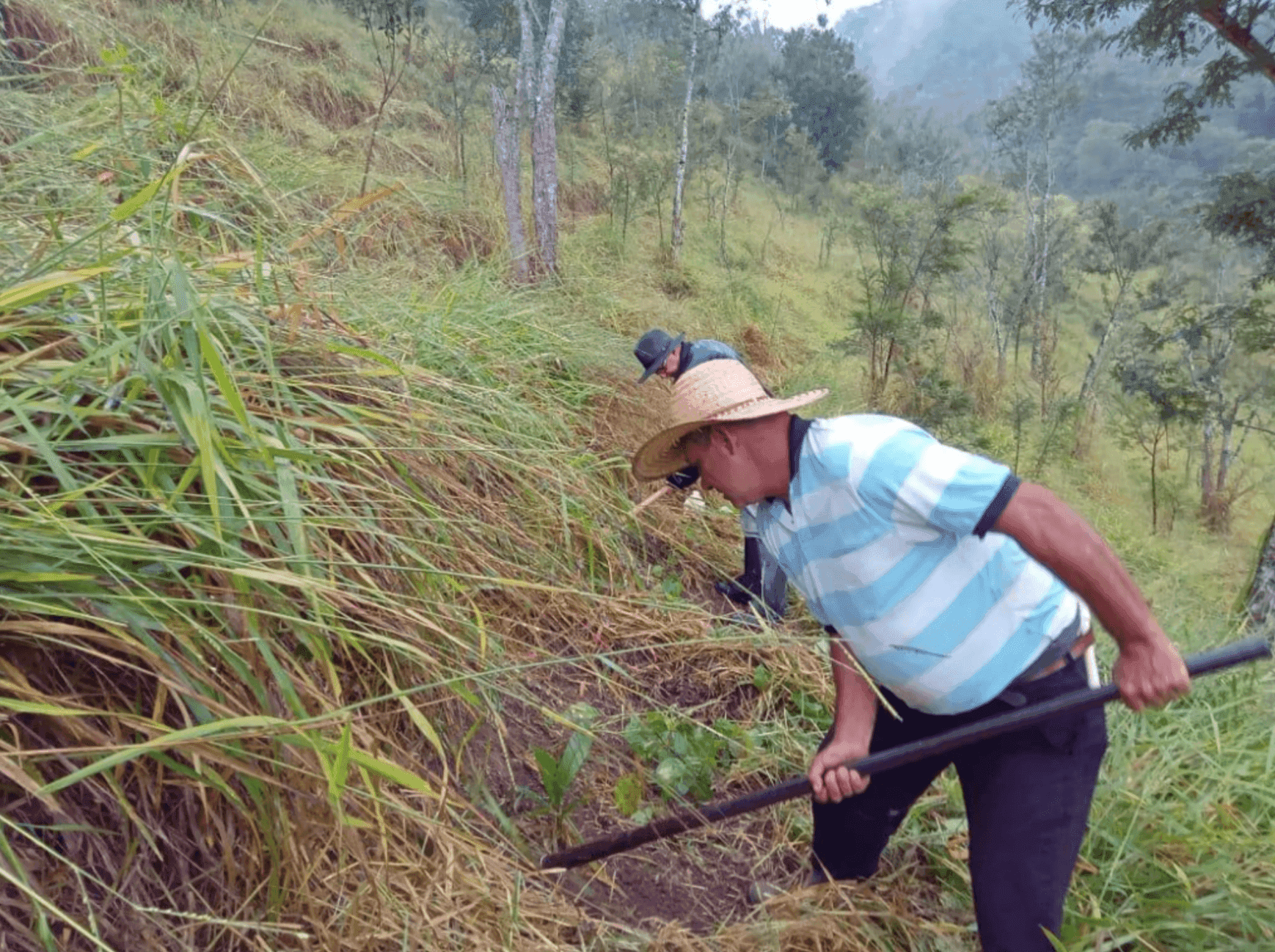
Brazil is home to six terrestrial biomes, including the famous Amazon rainforest. Second to its biggest brother, the Atlantic Forest once covered over 1.2 million square kilometres (about a quarter of the size of the Amazon). It stretched up and down Brazil’s coastline, and covered parts of Paraguay, Uruguay, and Argentina. Being isolated from the Amazon, and located where the majority of historical human development took place, around 25% of original forest cover remains, mainly in small degraded patches and protected areas. No other large tropical forest ecosystem has suffered as much loss as the Atlantic Forest. Timber exploitation, sugar cane and coffee plantations, cattle ranching, and urban sprawl are the main drivers of forest loss here. Even though the rate of loss has significantly dropped in the past decades, the Atlantic Forest continues to suffer from deforestation.
However, public authorities are acknowledging the crucial need to preserve the remaining forest: no less than 70% of the Brazilian population, as well as the remarkably rich biodiversity including many species threatened with extinction, rely on the standing forest and restoration efforts. Over 23,000 plant species, 40% of which are endemic to the Atlantic Forest, have been recorded in the ecosystem, as well as 264 mammal species, nearly 1,000 birds, 456 amphibians, over 300 reptiles, and 350 freshwater fish. A third of those species cannot be found anywhere else in the world.
Environmental organisations are strongly pushing for more ambitious action to conserve and restore degraded areas of the Atlantic Forest. And the potential for improvement is huge, especially on degraded pasture land.
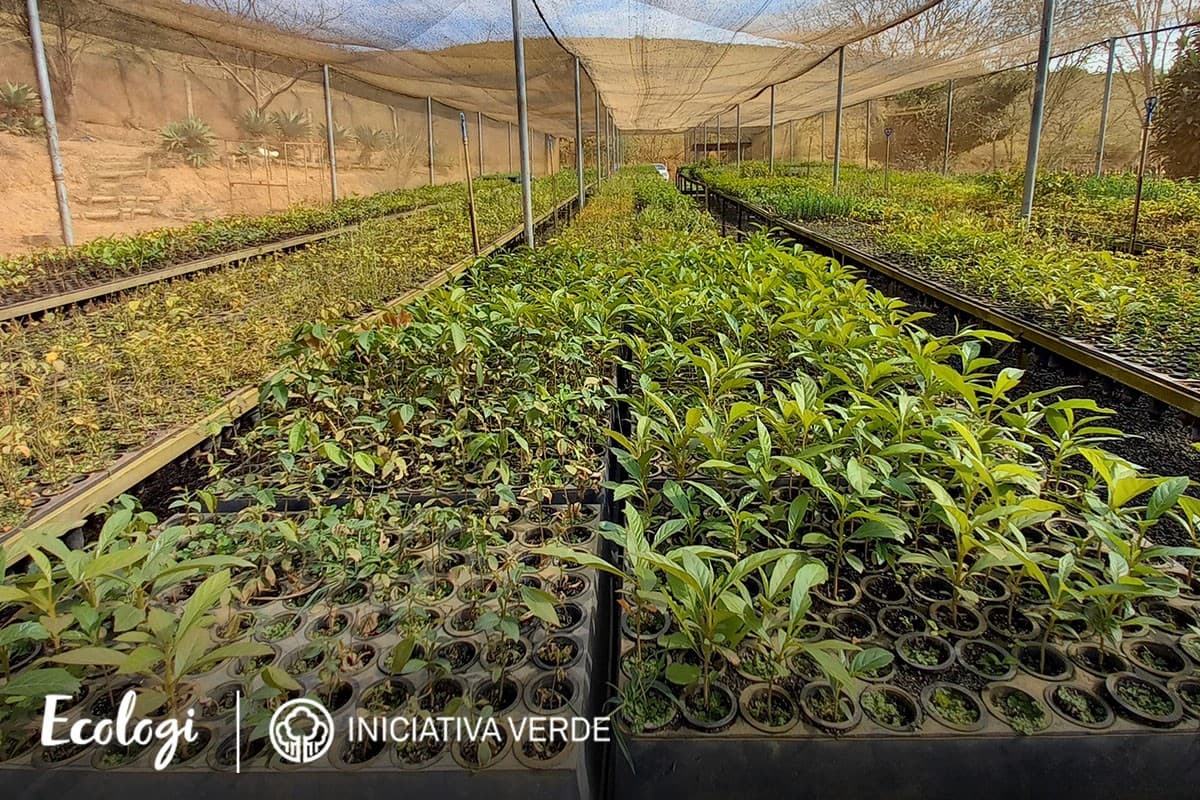
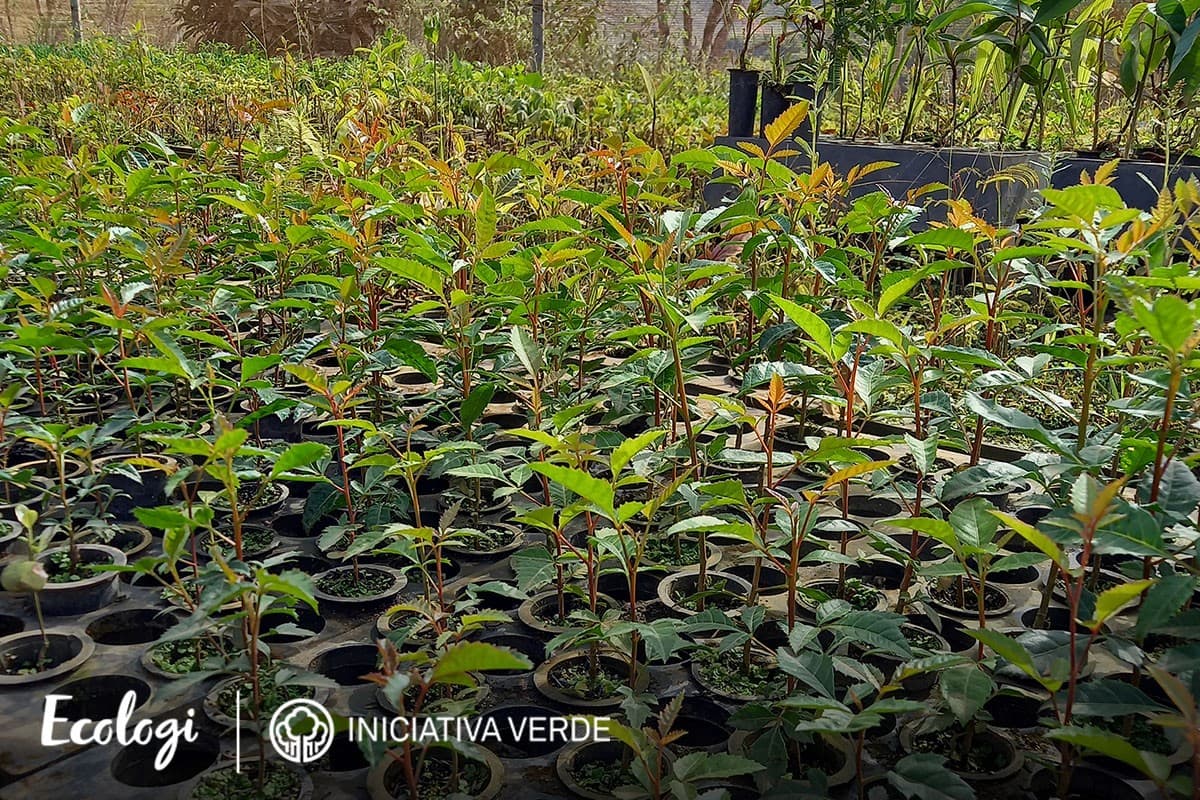
The Atlantic Forest once covered over 1.2 million square kilometres. Being isolated from the Amazon, and located where the majority of historical human development took place, around 25% of original forest cover remains, mainly in small degraded patches and protected areas. No other large tropical forest ecosystem has suffered as much loss as the Atlantic Forest. This project aims to restore a 12-hectare area of degraded land, helping to protect the climate through contribute directly to forest densification locally.
These Sustainable Development Goals show the wider outcomes this project supports beyond its headline impact.
End poverty in all its forms everywhere

Rethink how we grow, share and consume our food. We can provide nutritious food for all.

Achieve gender equality and empower all women and girls.

Ensure sustainable consumption and production patterns

Take urgent action to combat climate change and its impacts.

The project aligns with this SDG by contributing to the recovery of the Atlantic Forest – one of the world’s hotspots due to its high biodiversity and state of threat.
These partners help deliver the project and verify its impact.

Iniciativa Verde is an NGO that has been carrying out forest restoration projects promoting the improvement of environmental services such as biodiversity and air quality, and contributing to the mitigation of the climate crisis since 2005.