Carbon avoidance

Conserving the Amazon in Brazil

Conserving the Amazon in Brazil

Background

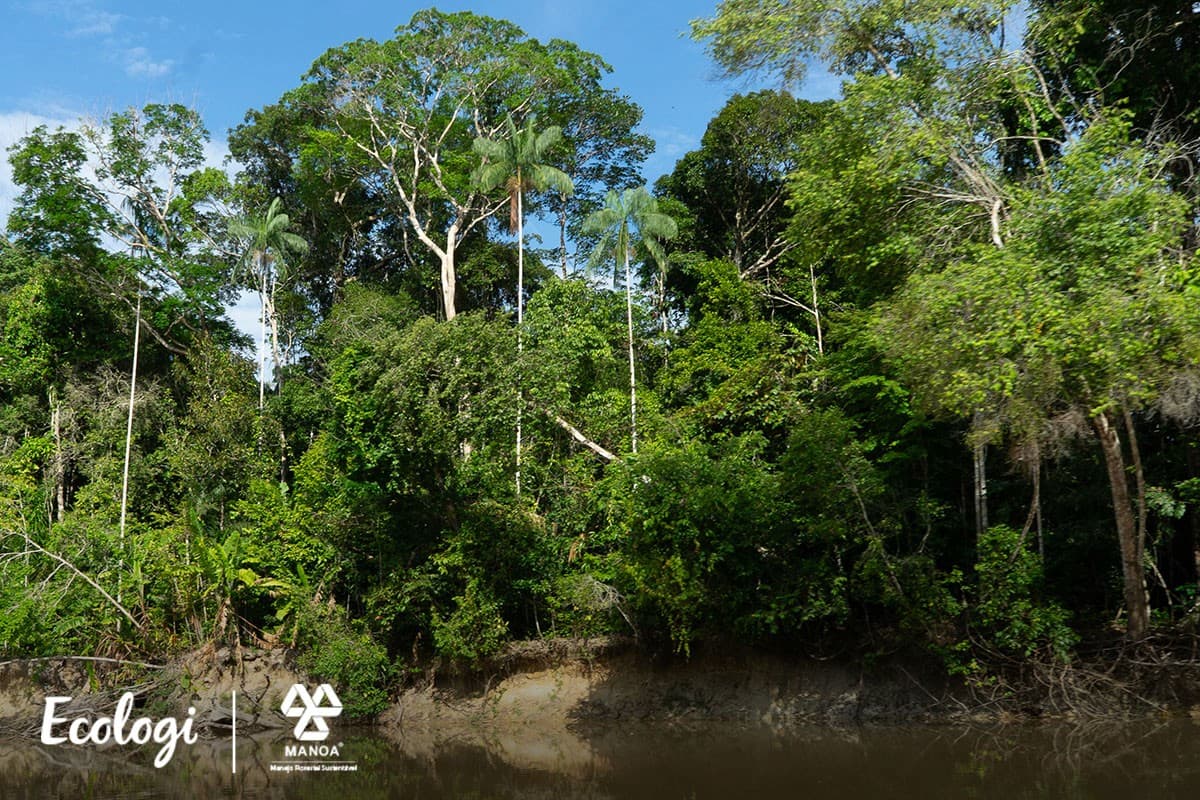
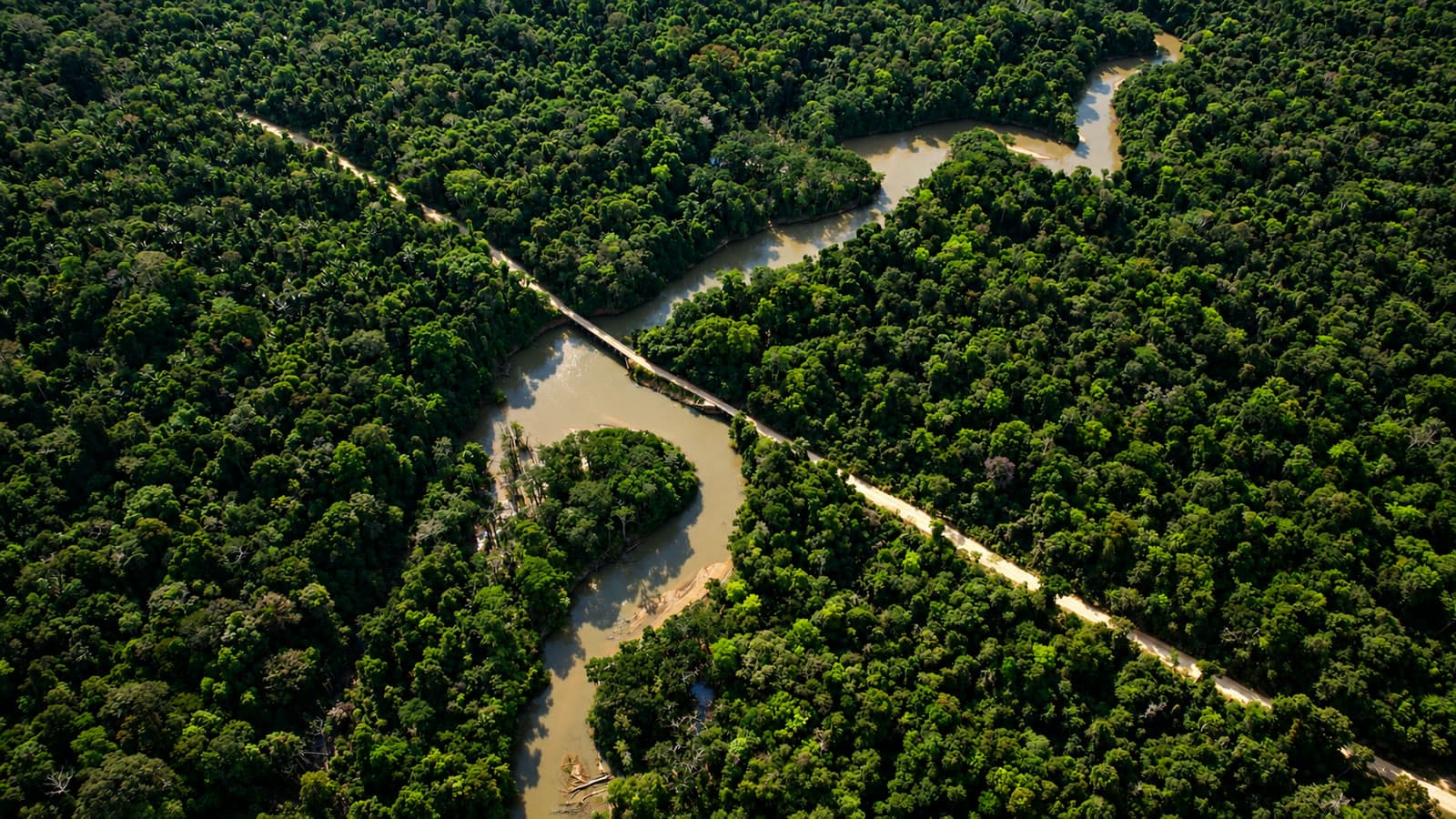
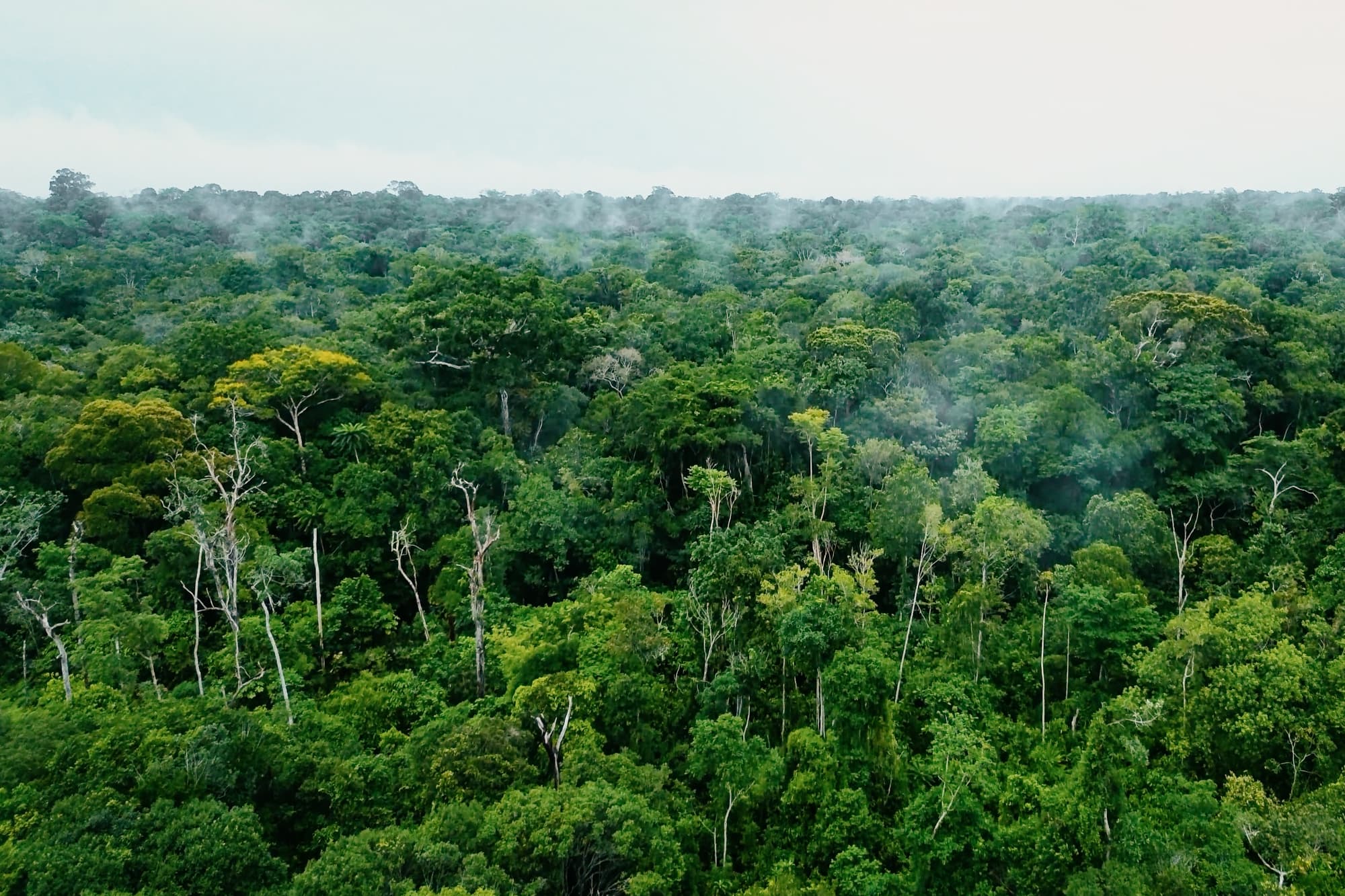
As the largest tropical forest globally, the Brazilian Amazon Forest plays a crucial role as a primary carbon sink, contributing significantly to our fight against climate change. Beyond its environmental impact, it serves as a vital refuge for approximately 10% of the world’s biodiversity and provides sustenance and shelter for numerous traditional communities.

Unfortunately, deforestation, forest degradation, and shifts in land use, particularly in agriculture, have collectively contributed to 23% of all anthropogenic greenhouse gas emissions worldwide between 2007 and 2016. Within Brazil, these activities accounted for a staggering 63% of national emissions in 2015. Although there was a decline in the Brazilian deforestation rate from 2004 to 2012, recent years have witnessed a concerning resurgence in these figures. Hence, there is an immediate and pressing need to explore alternative socioeconomic development approaches that prioritise the value of these standing forests.

The Project

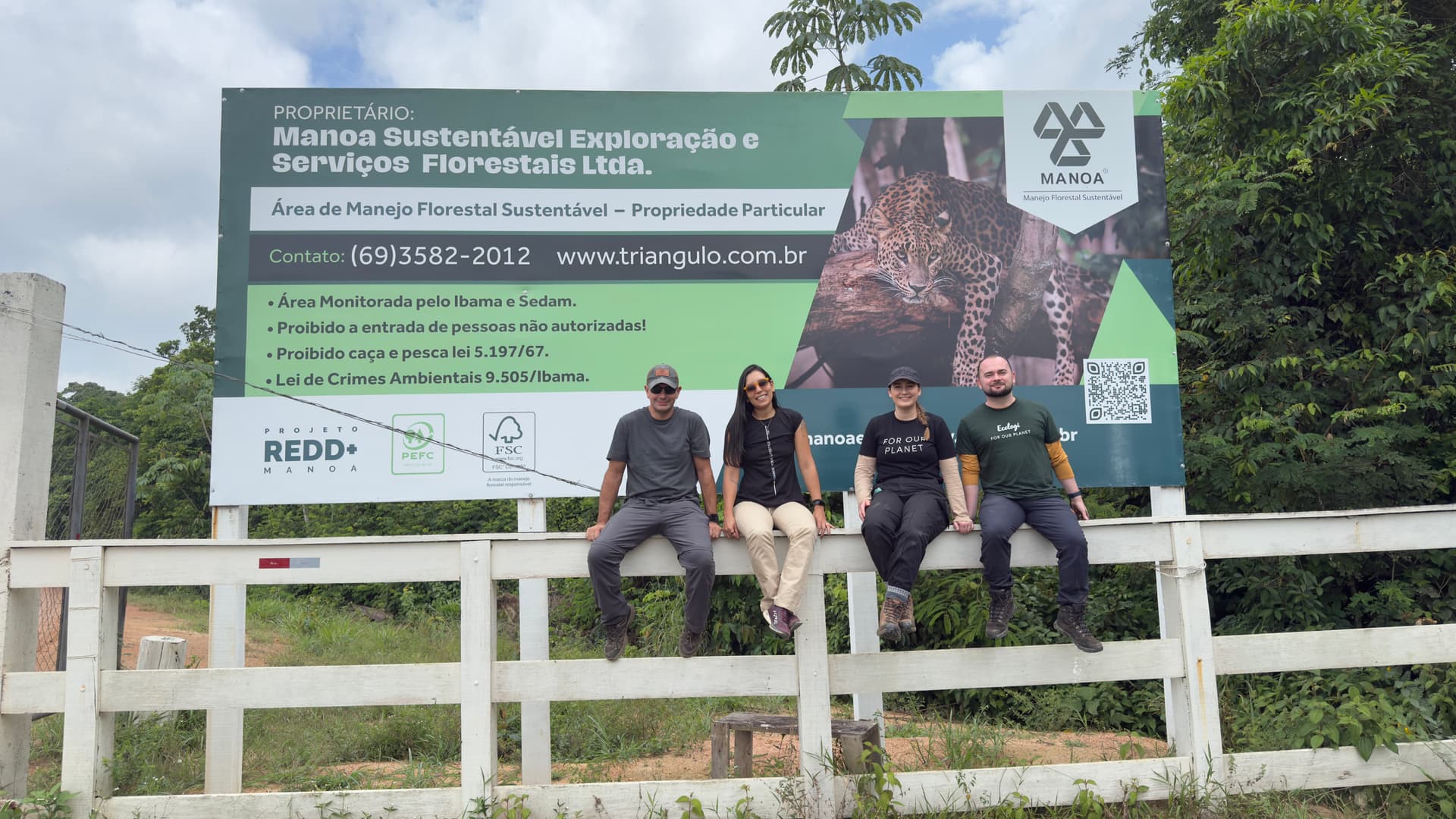
The Manoa project is a partnership between Biofílica Ambipar Environment Investments S.A. and Manoa Sustentável, Exploração e Serviços Florestais Ltda, located at Fazenda Manoa, in the municipality of Cujubim, state of Rondônia, which covers an area of 74,038.748 hectares. The municipality is where most of the project's social activities are carried out and, therefore, where most of the stakeholders that will be impacted are located, and the project area.

Objectives

The main objective of REDD+ Manoa project activity is to promote the reduction of deforestation and consequently the reduction of GHGs.

Forest protection and monitoring: remote monitoring and local surveillance, along with the best sustainable forest management practices.

Scientific research: monitoring of forest management impacts, follow-up and study of identified and/or endemic species, partnerships with educational and research institutions for the production and dissemination of knowledge.

Local economic development: through its own training center the project provides training and capacity building in technical forest management to the regional population.

Social empowerment: environmental education for the population from regional communities and from the city of Cujubim, aiming at the future of environmental conservation and the consequent improvement in the quality of life of these people.

Locations

Cujubim, Rondônia, Brazil

Timeline

Follow the latest milestones and updates from this project.

Sep 2026
Manoa Daycare Centre

Manoa Daycare Centre

This May, Cujubim celebrated the opening of a new Manoa Daycare Centre, serving approximately 370 children and offering a modern, welcoming space where they can learn, play, and grow with quality and comfort.

Company director, Murilo Granemann, highlighted the company's commitment to the municipality and emphasised the importance of investing in education.

“We arrived here in Cujubim in 1996 and have always sought to invest more and more in the municipality to contribute to its growth. The daycare centre is much more than a construction project; it's a legacy for the future. These children will grow up, graduate, and help build the future of Cujubim, and we are very happy to be able to contribute,” he stated.

The daycare centre represents a major step forward for education in Cujubim and a strong example of what's possible when the private and public sectors work together to expand investments in education, promote quality of life, and strengthen social development in Cujubim.

Dec 2025

Manoa’s Forest Education Centre

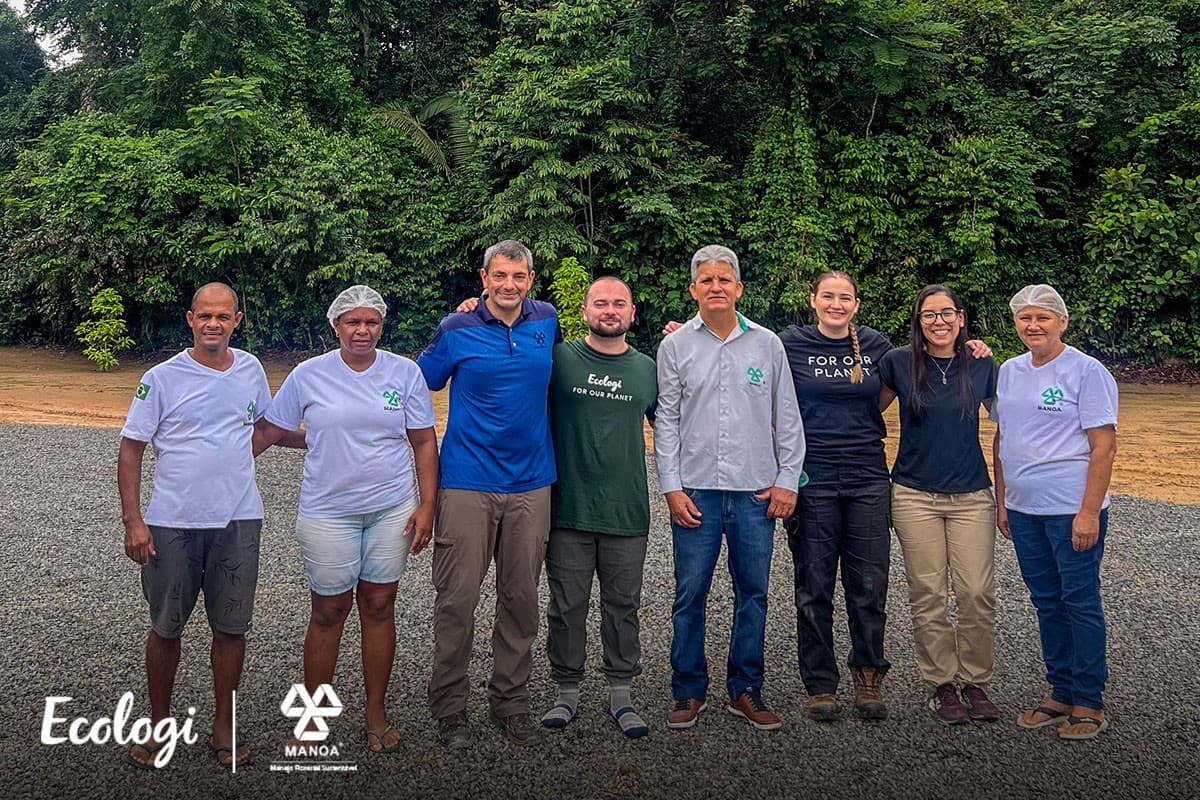
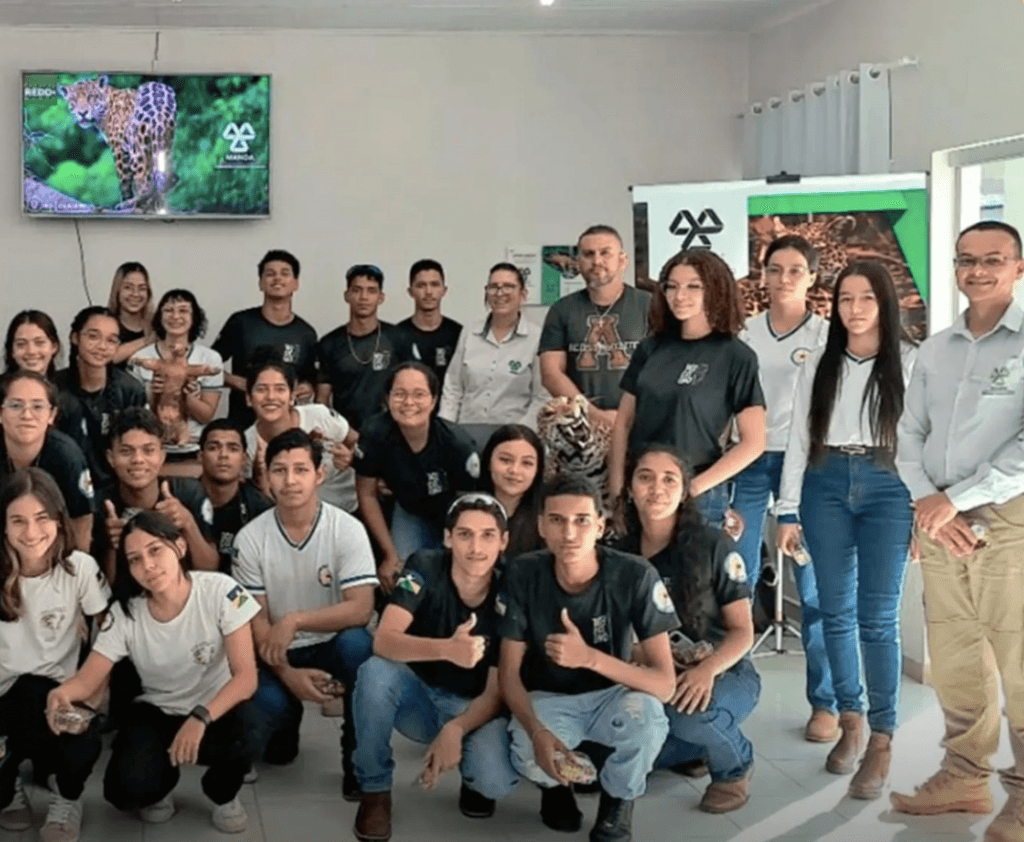
On June 17, 2025, CEFLOM, Manoa’s Forest Education Centre, welcomed students from Antonio Francisco Lisboa State School for a day of educational activities and lectures. Topics included reduced-impact logging, sustainable forest management, and the Manoa REDD+ project. The sessions were led by a forestry engineer and two biologists, aiming to inspire students and foster interest in forest conservation.

Dec 2025
Impact Report

Impact Report

The Manoa Impact report was recently launched, outlining the project activities for the first half of the year.

Some key highlights:

  • In 2025, 50 people were employed (25 permanent and 25 temporary), all formally registered.
  • From January 1st to September 30th 2024, the project avoided approximately 2 million tCO2e.
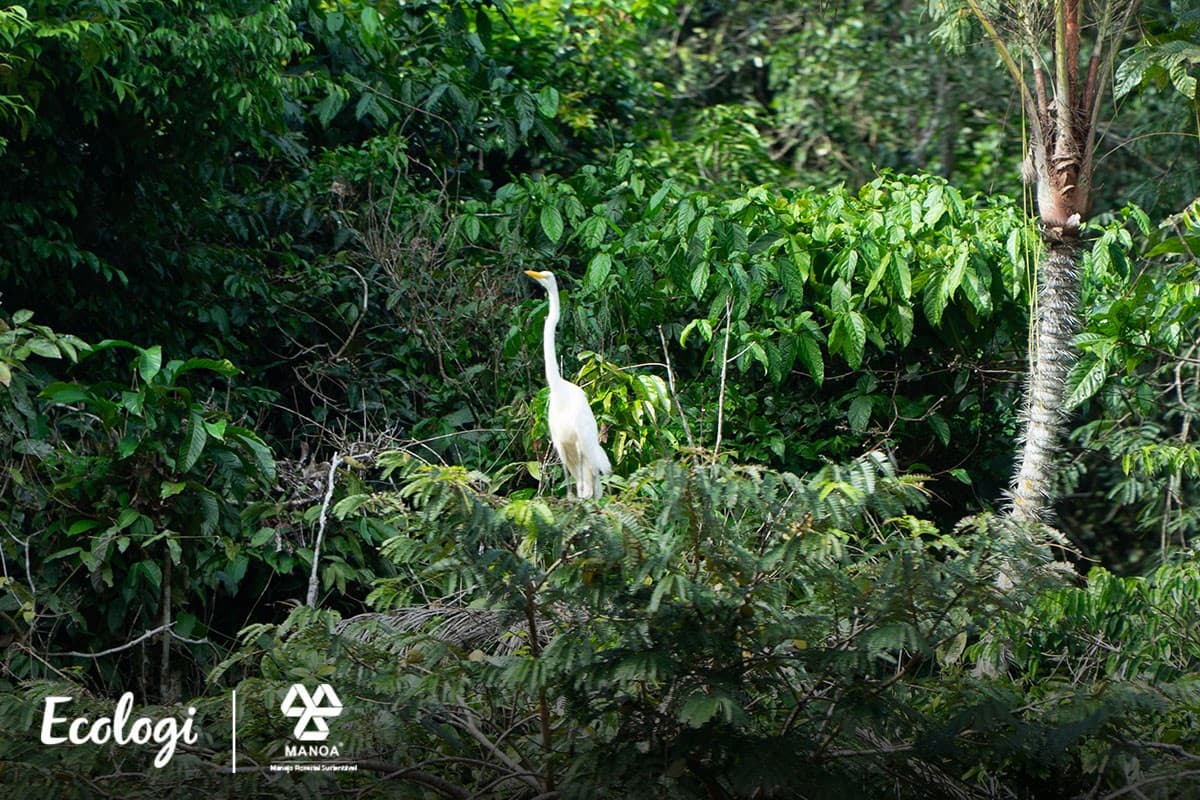
  • More than 450 species have been recorded within the project area, 20 of which are listed under some level of threat according to the IUCN.
Oct 2023
The 6th Municipal Education Conference

The 6th Municipal Education Conference

Manoa was invited by the Municipal Department of Education to present its contributions to the municipality on the topic of education committed to social justice, the protection of biodiversity, sustainable socio-environmental development to guarantee quality of life on the planet, and the fight against inequalities and poverty.

Jan 2023
Monitoring period

Monitoring period

This ended 30th September 2024

  • During the monitored period, the project prevented the emission of 3,902,120 tCO2eq and avoided the deforestation of 3.569 hectares.
Jan 2013
Project Start Date

Project Start Date

The Manoa project was established in 2013 with a 30-year crediting period

Benefits

The Fazenda Manoa project is dedicated to mitigating climate change by reducing greenhouse gas (GHG) emissions caused by deforestation and forest degradation. Established in 2013, the project operates under a 30-year crediting period, with a focus on long-term sustainability.

Key contributions include:

  • Preventing deforestation on the property, preserving vast areas of carbon-rich tropical forest.

  • Demonstrating sustainable forest management practices that balance economic viability with conservation.

  • Participating in the "Compromisso com o Clima" (Commitment to Climate) platform of Instituto Ekos Brasil since 2018, ensuring alignment with broader climate goals.

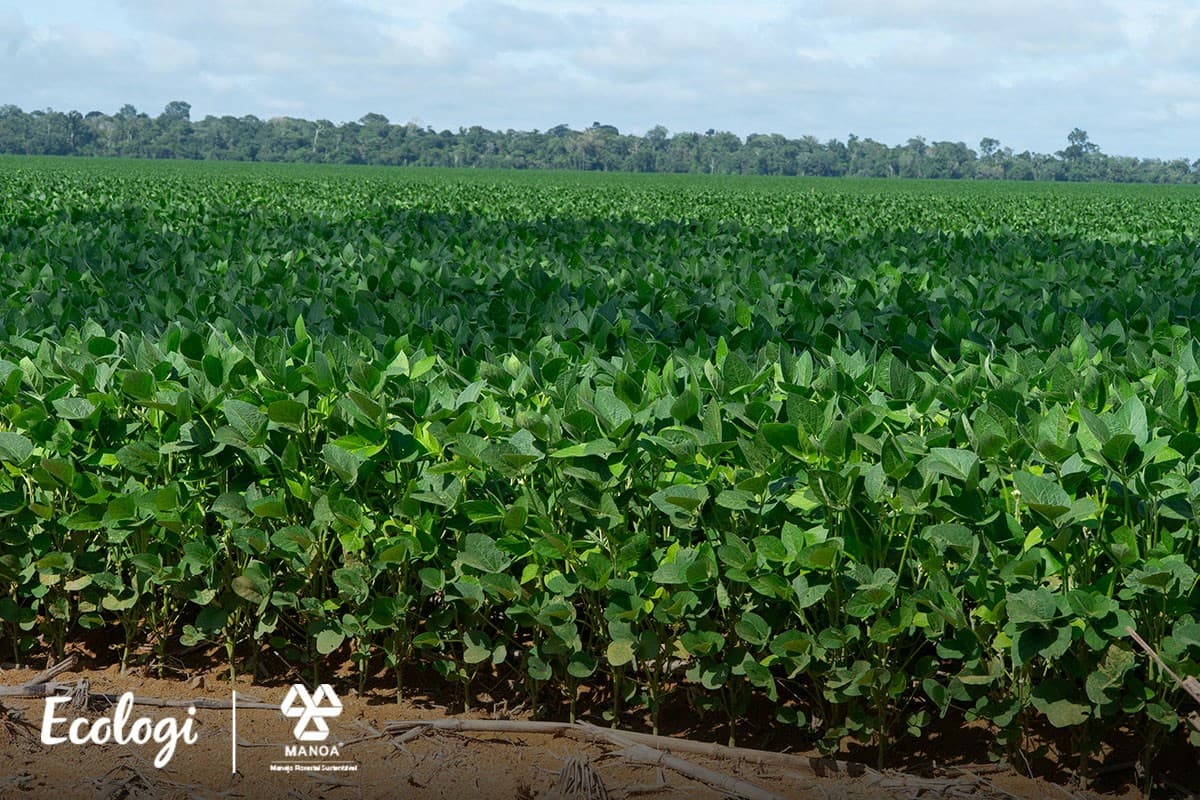
By standing resilient amidst widespread land conversion for cattle ranching and soybean farming, Fazenda Manoa actively combats emissions and serves as a model for carbon-positive land use.

Sustainable development goals

These Sustainable Development Goals show the wider outcomes this project supports beyond its headline impact.

Quality Education

The project promotes environmental education for local communities, raising awareness about sustainable practices and equipping future generations with the knowledge to protect and manage forest resources responsibly.

Clean Water and Sanitation

By preserving the Amazon rainforest, the project helps protect vital watersheds, ensuring clean and sustainable water sources for local communities and ecosystems.

Decent Work and Economic Growth

Fazenda Manoa generates employment through sustainable forest management practices and research initiatives, providing economic opportunities while prioritising ecological sustainability.

Responsible Consumption and Production

The project advocates for sustainable resource use by demonstrating the economic and environmental viability of Low-Impact Forest Management, reducing deforestation and promoting long-term stewardship.

Climate Action

By preventing deforestation and preserving carbon-rich ecosystems, the project contributes to significant reductions in greenhouse gas emissions, aligning with global efforts to combat climate change

Life on Land

Fazenda Manoa protects over 74,000 hectares of Amazon rainforest, conserving biodiversity, safeguarding endangered species, and maintaining critical habitats for wildlife.

Partnerships for the Goals

Through collaborations with institutions like the Federal University of Rondônia (UNIR) and Instituto Ekos Brasil, the project leverages partnerships to advance research, education, and sustainable development.

Verification

These partners help deliver the project and verify its impact.

Verifier

Verified Carbon Standard

Verified Carbon Standard

The Verified Carbon Standard (VCS) Program is the world's most widely used greenhouse gas (GHG) crediting program.

Verified Carbon Standard and Climate, Community and Biodiversity Standard

Verified Carbon Standard and Climate, Community and Biodiversity Standard