Phase two of site upgrades led to rising biochar production rates of 2.5–3.0 tonnes per day
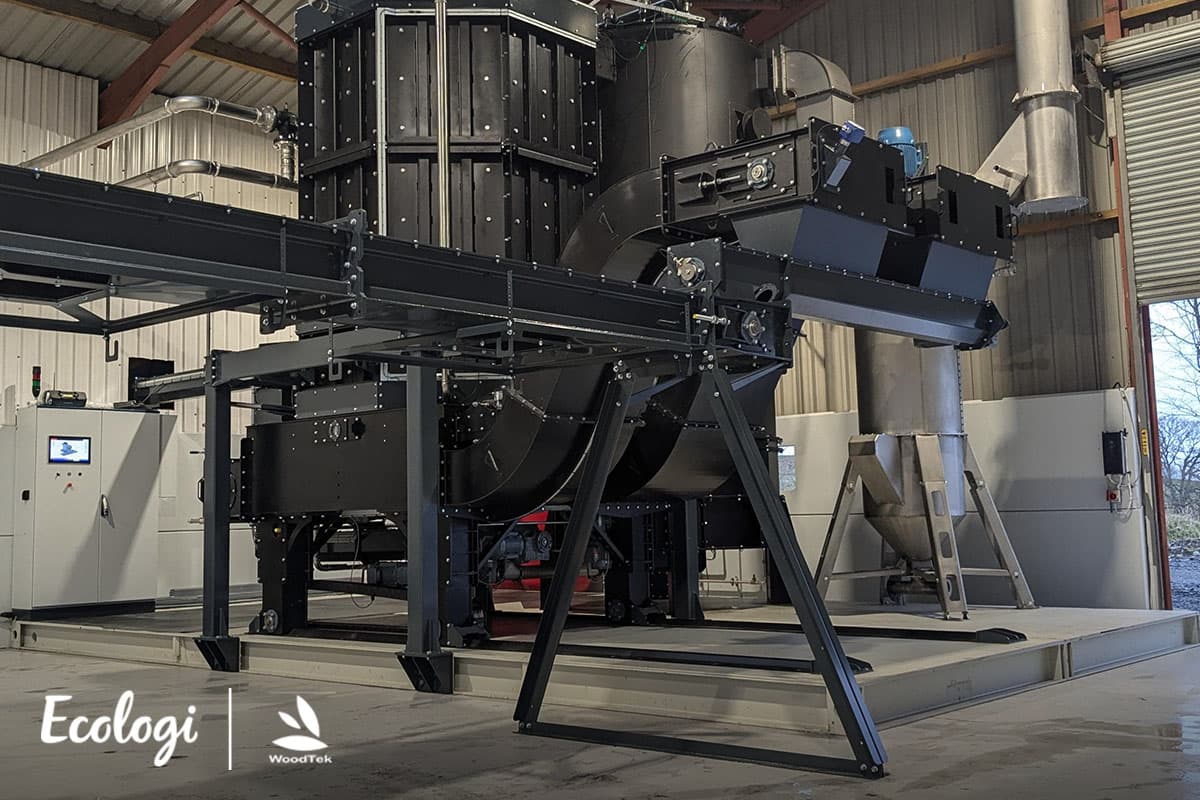
During August and September 2025, the team completed the second major phase of the site upgrade. The original fuel preparation system was replaced with a fully integrated turnkey feedstock preparation line, including a top-loader fuel store and T4+ dryer, improving the consistency and reliability of biomass feedstock processing. The handling infrastructure was also upgraded by replacing the previous bagging line with a bulk biochar storage bunker system, enabling more efficient handling and storage of larger production volumes.
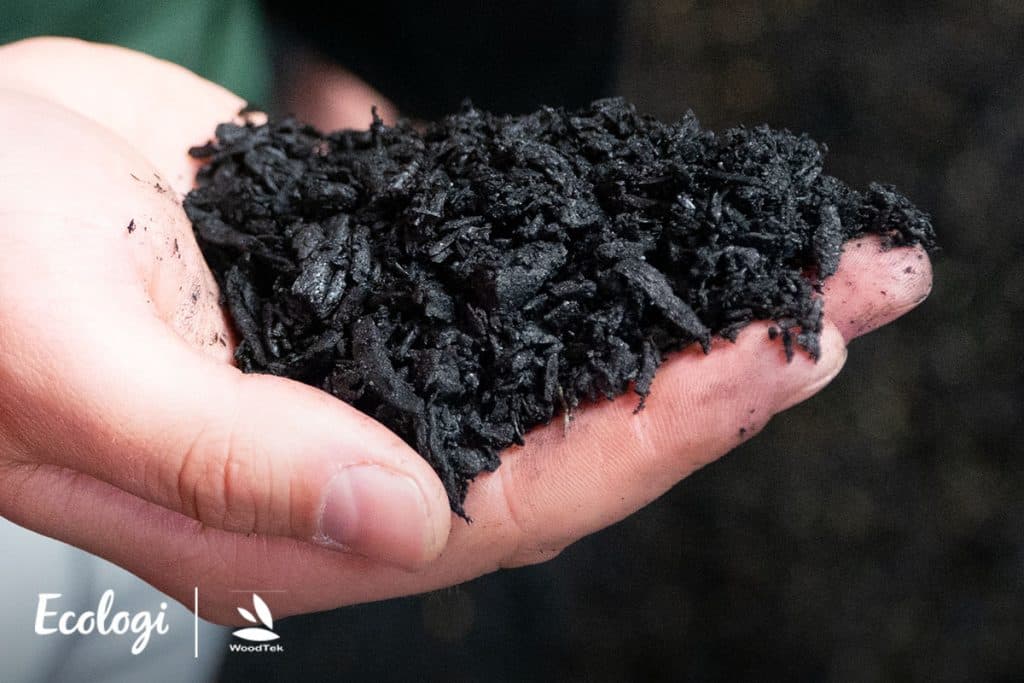
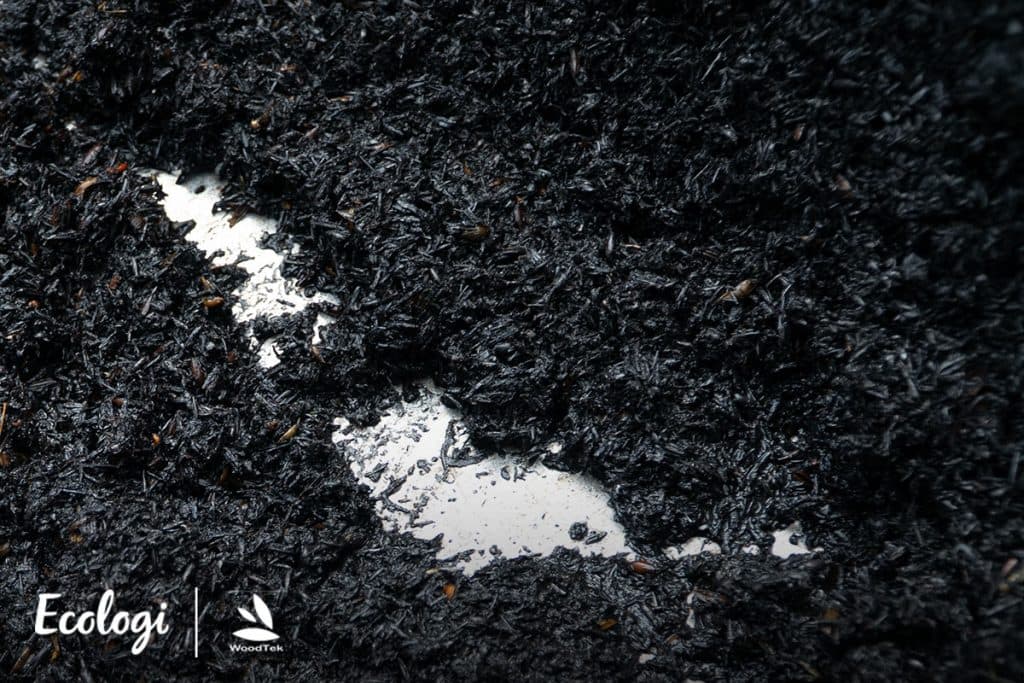
With these upgrades in place, the site achieved a substantial increase in operational throughput, with typical production rates rising to approximately 2.5–3.0 tonnes of biochar per day. This period also marked the commencement of EBC Feed Grade biochar production, expanding the range of certified biochar products manufactured at the site.