Carbon avoidance
The Gola REDD+ Project
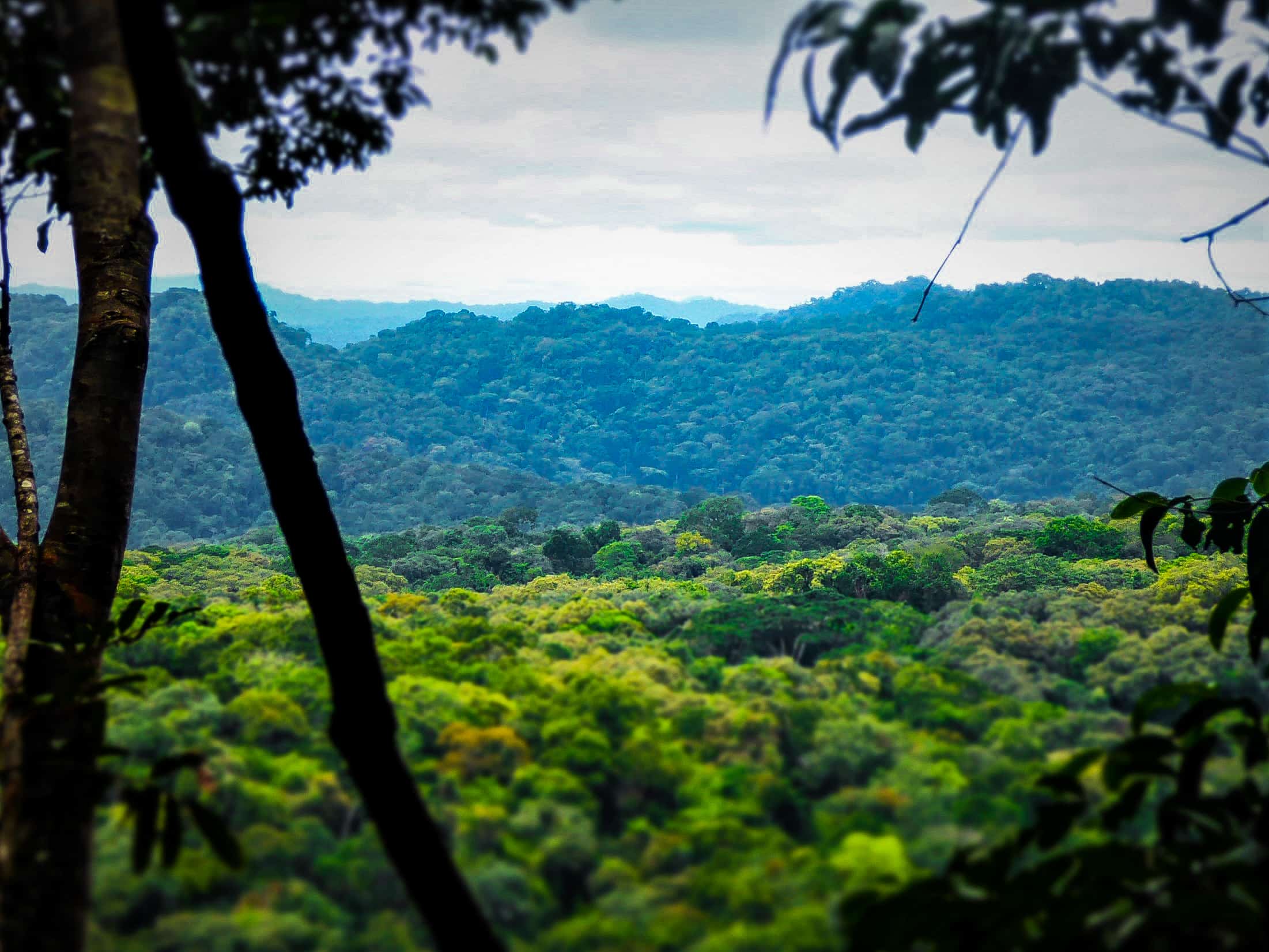
VCS1201 is an Avoided Deforestation project in southeast Sierra Leone and is the first REDD+ project in the country. The project seeks to conserve 68,000 hectares of the Gola Rainforest National Park, which is recognised as a global biodiversity hotspot. Under the management of the Gola Rainforest Conservation LG and in partnership with the Government of Sierra Leone and conservation organisations, the project aims to mitigate deforestation risks through robust conservation management. It also aims to promote sustainable livelihoods and agricultural practices among forest-edge communities.


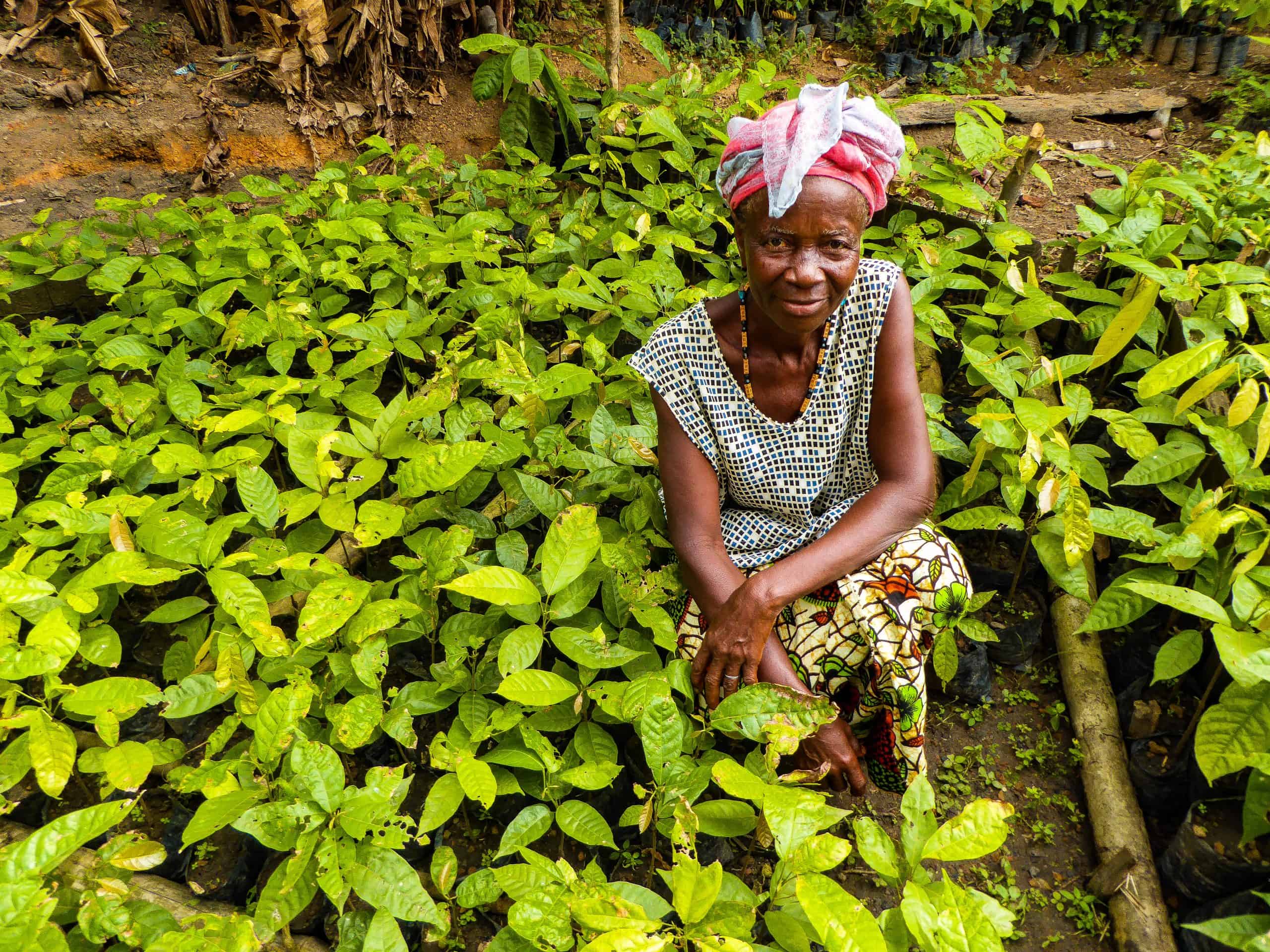
The project supports forest-friendly, sustainable commodity production and has established 42 cocoa farmer groups with over 1,500 registered cocoa farmers. The cocoa farmer associations have exported more than 35 tonnes of rainforest friendly cocoa into the international market, where it is being recognised for its quality and unique story (Gola Rainforest Chocolate). 83 villages have participated in cocoa mapping and cocoa growing support programmes
658 scholarships for secondary schools were awarded in 2017, in communities where families cannot normally afford to educate their children past primary school.
Project activities help local farmers integrate commercially viable and sustainable practices into their work. 35 farmer field schools provide training to improve crop yields and quality. As part of this, 90 “Master Farmers” have been trained to cascade training and support other farmers and 66 community members have been trained as Gender Inclusivity trainers. 35 Community managed Loan Schemes have been established to allow communities to buy equipment and seeds necessary to implement sustainable agricultural practices. 450 people have benefited to date, primarily women.
24,000 people in 122 different communities directly benefit from the project
Although the primary objective of the Gola project is protecting the existing high carbon stores, the project also enables significant carbon removal as well through natural regeneration of previously degraded areas. Since its inception in 2012, it is estimated that the project area has sequestered an additional 460,000 tC02e.
The biodiversity hotspot contains 327 bird species, 31 fish species and over 100 other mammal species including the pygmy hippopotamus.
About
Live
2026
REDD+
1
3
4
8
11
13
14
15
Impact partner
Verifications
Verification: Verified Carbon Standard and Climate, Community and Biodiversity Standard