Carbon removal

Reforesting the land of the Jaguar
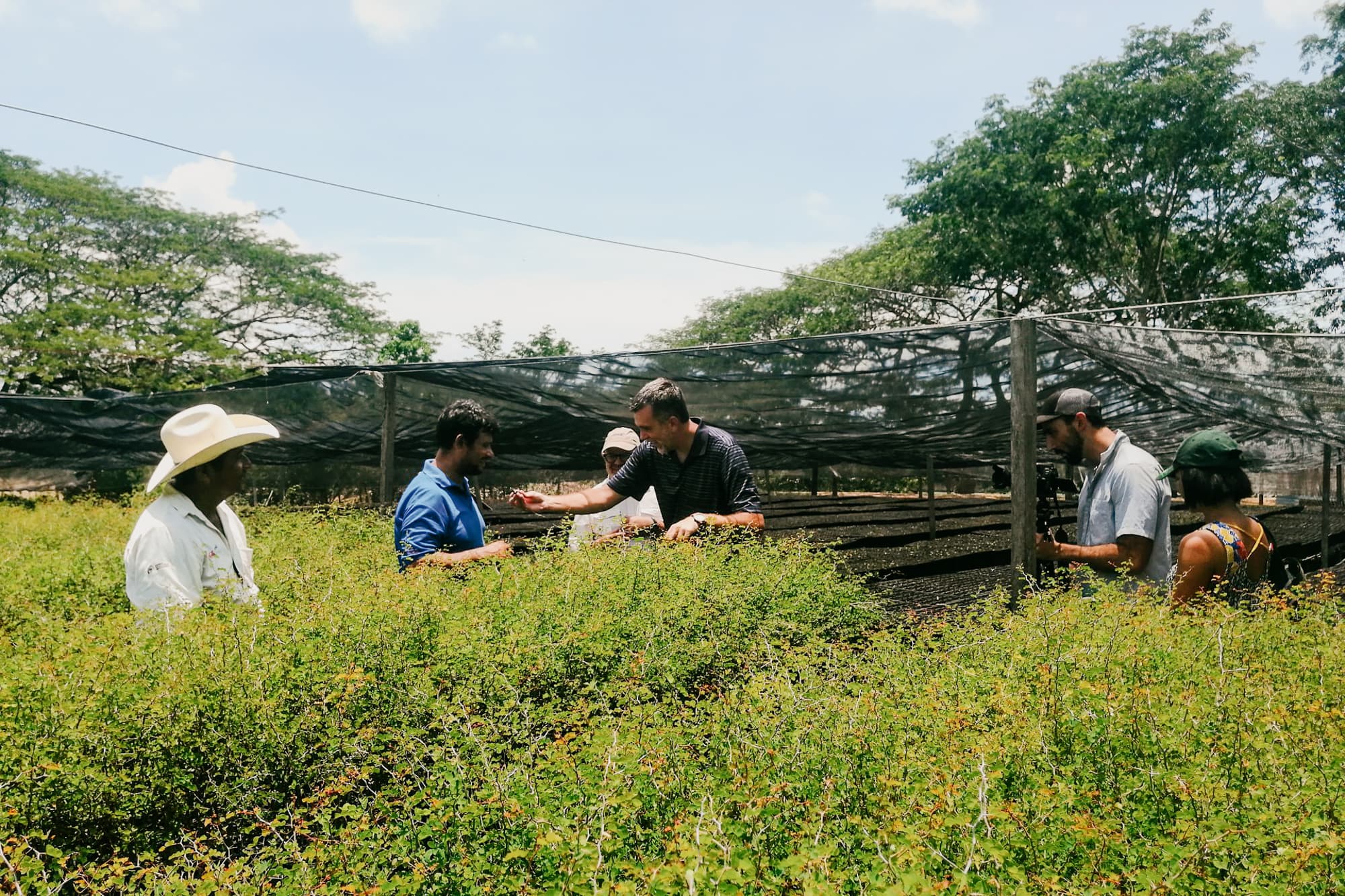
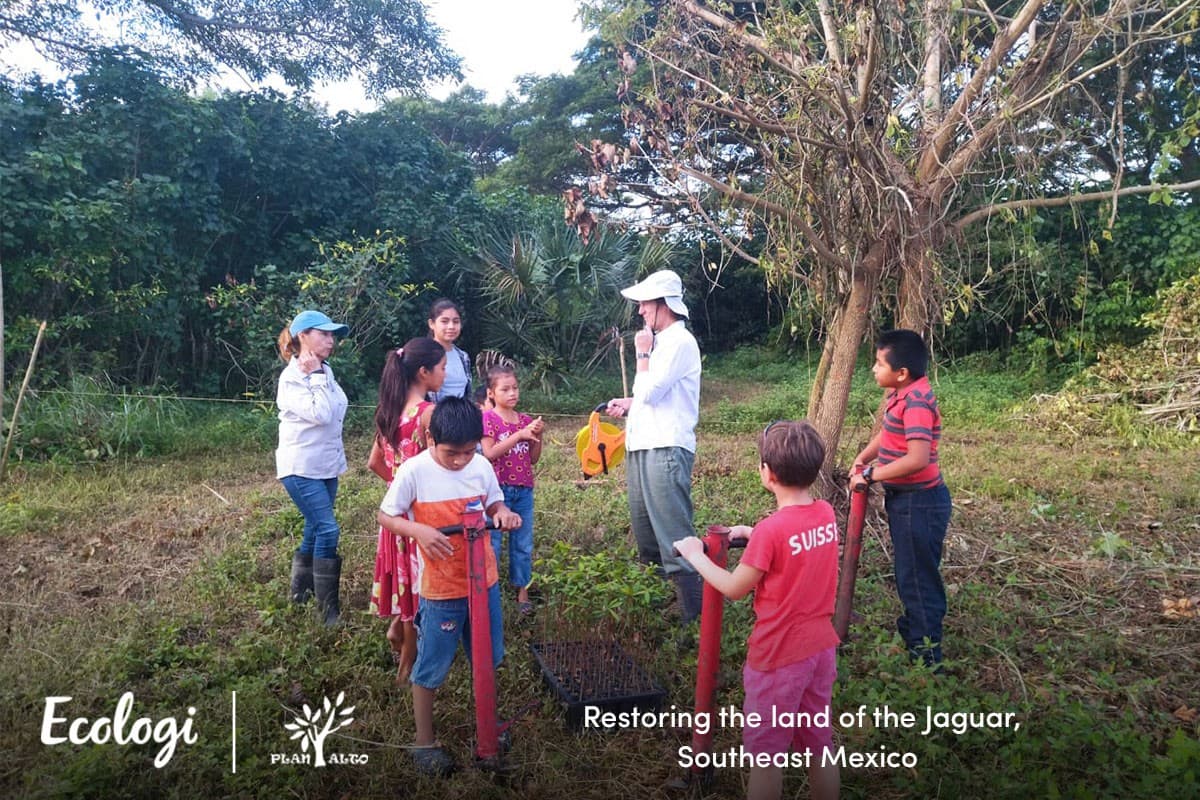
This project aims to remove 1 million tonnes of CO2 every 20-year cycle, by reforesting +1 million trees of native hardwood species in 1,630 hectares of degraded and deforested land bordering the Laguna de Terminos nature reserve in southeast Mexico, while restoring the ecosystem and improving community livelihoods. The reforestation efforts not only contribute to climate change mitigation but also enhance biodiversity by providing habitat connectivity for wildlife, particularly jaguars. Through reestablishing forest corridors and strengthening jaguar habitats, the project supports species conservation on a landscape scale. Its replicable model blends innovation with traditional ecological knowledge, offering a scalable blueprint for restoration-driven community development across tropical regions.

Benefits

This reforestation project restores 1,663 hectares of degraded tropical lowlands in southeast Mexico, primarily using native tree species such as logwood to strengthen ecological resilience and carbon sequestration. It is expected to capture approximately  30,000 tons of CO2 annually, significantly contributing to climate change mitigation. Most of the land is seasonally flooded, and when reforested, the soil has a high capacity to capture carbon in addition to the biomass above the soil.


Benefits

This reforestation project restores 1,663 hectares of degraded tropical lowlands in southeast Mexico, primarily using native tree species such as logwood to strengthen ecological resilience and carbon sequestration. It is expected to capture approximately  30,000 tons of CO2 annually, significantly contributing to climate change mitigation. Most of the land is seasonally flooded, and when reforested, the soil has a high capacity to capture carbon in addition to the biomass above the soil.


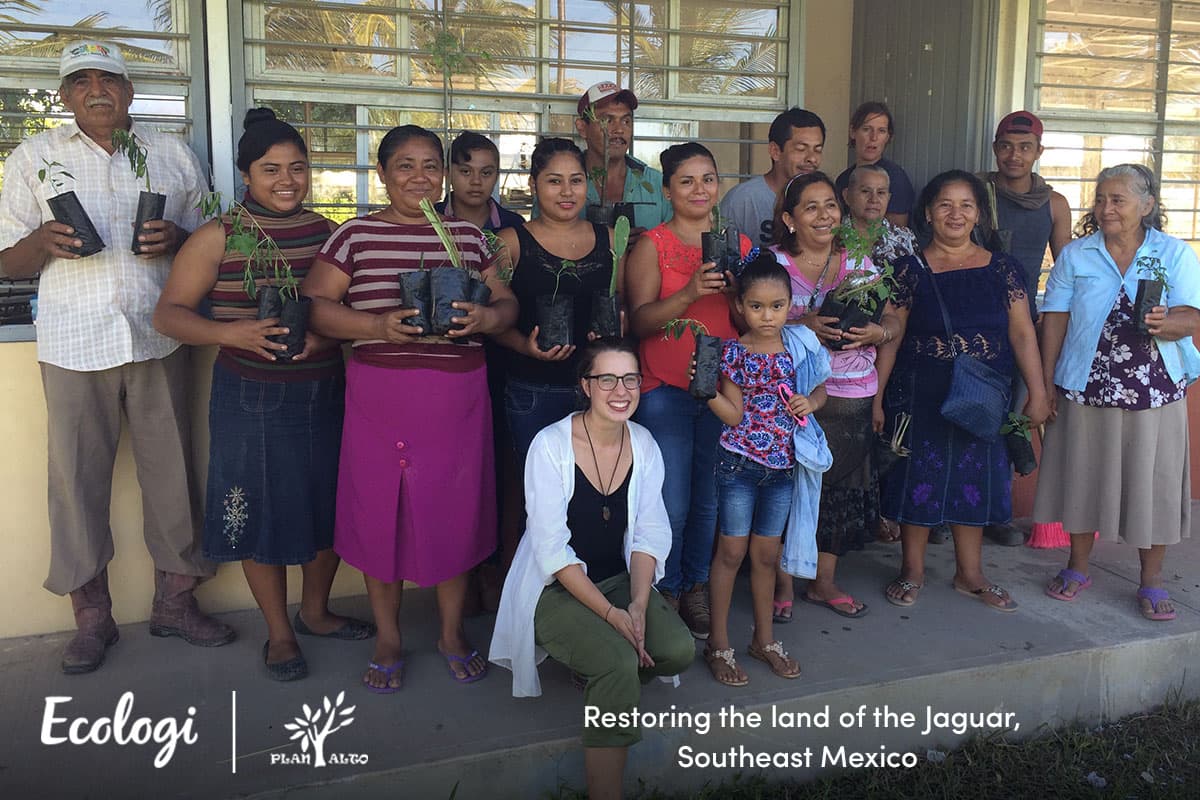
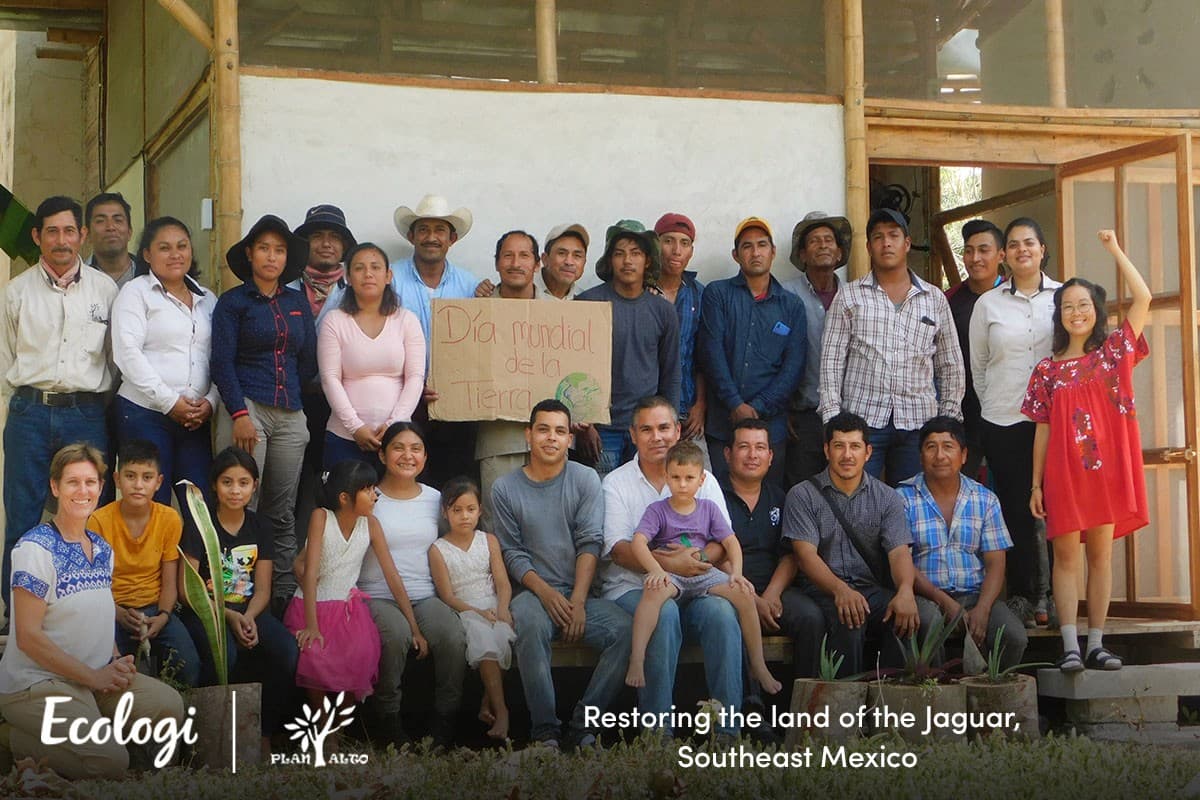
The project improves rural livelihoods with knowledge transfer about use and development of local natural resources, and the creation of a sustainable value chain around the forest. The project has provided 50 permanent jobs. Employment comes with salary contracts, social security and equal pay for men and women. The project will produce 1000 tonnes of haematoxylin per year, a historical natural dye with multiple valuable uses (pharmaceutical, cosmetics, textiles, etc).

The activity areas are divided into reforestation in 812 hectares and restoration in 818 hectares. The project was certified in March 2025 in the Climate Action Reserve (CAR) standard. The project is a model for future Nature based solution projects in a region of more than 500,000 hectares of a world’s biodiversity hotspot.

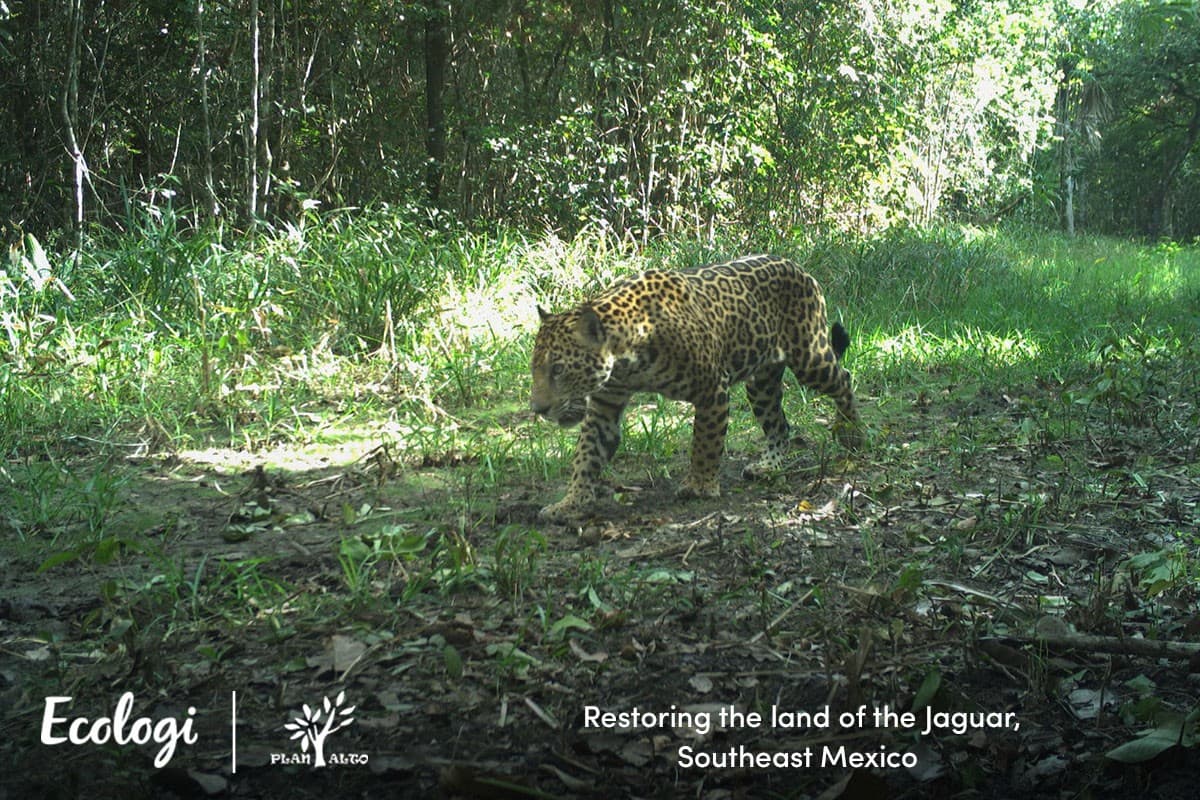
The project is restoring 800+ hectares of land for biodiversity conservation for several endangered species, i.e. jaguar, spider monkey, howling monkey, great curassow, etc. Our regenerative forestry approach is based on mixed native species, without the use of chemicals and focuses on continuous forest cover and the creation of wildlife corridors, enabling a rapid restoration of the local ecosystem. In addition, the new forests build the soil, saving and filtering water destined to flow into the Laguna de Terminos, protecting this highly valued ecosystem. We are continuously monitoring for ecosystem regeneration and wildlife.  

About

Status

Status:

Live

Supported since

Supported since:

2026

Type of project

Type of project:

Carbon Removal

SDGs supported

SDGs supported:

1

13

15

Fund this project

Funded directly through our Carbon removal through afforestation in our marketplace. Alternatively speak to a climate expert to support your wider climate action strategy.

In your 30-minute discovery call we can discuss your goals and get a tailored solution for your business, including developing an Oxford Principles aligned impact portfolio.

Status: