Reforestation
Reforestation in Mwanza, Tanzania
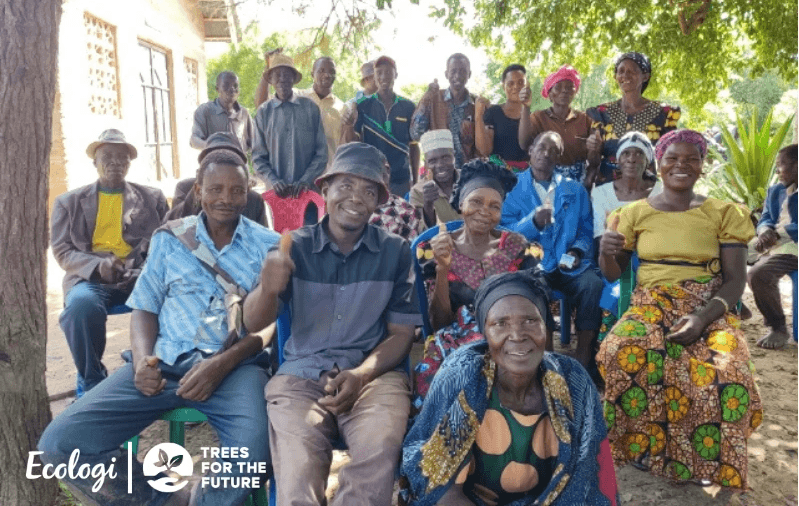
Trees for the Future (TREES), an international agroforestry nonprofit, and the Tanzanian Ministry of Agriculture Training Institute (MATI) have launched a five-year initiative to deliver land- and life-changing agroforestry training to 5,400 farmers across Mwanza, Singida, and Tabora Regions.
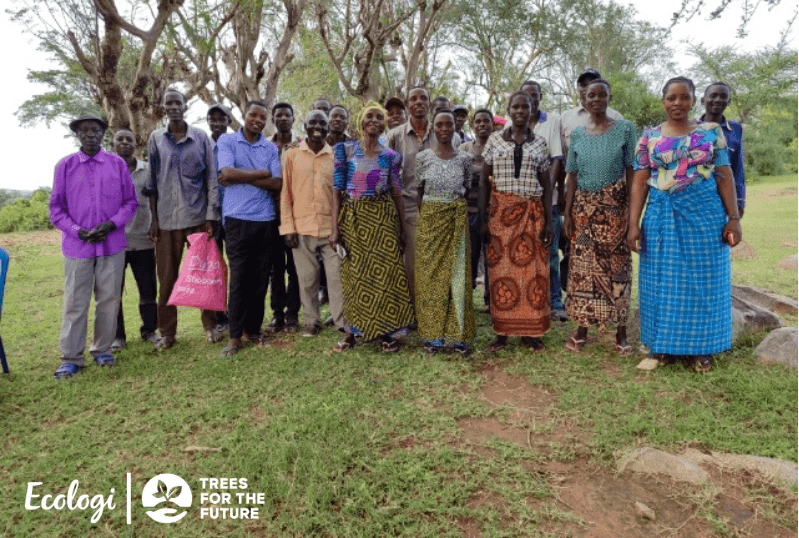
The partnership was formally announced on 12 December during a Memorandum of Understanding signing and training event held at the Regency Hotel Hall in Singida, where 24 Regional and District Agricultural Officers participated in the inaugural session.
Together, TREES and MATI will strengthen institutional capacity, embed climate-smart agriculture within regional extension systems, and support thousands of farmers in building productive, regenerative, and resilient farming systems.
The project equips farmers with proven agroforestry and climate-smart agriculture practices through TREES’ Forest Garden Approach. By planting thousands of trees and a diverse mix of crops, participating farmers will restore degraded land, increase climate resilience, and significantly improve food security and household income.
Case Study
In the remote Magu District, in the village of Kinango, Tanzania, subsistence farmers have long struggled with unpredictable weather and years of land degradation that threaten their livelihoods.
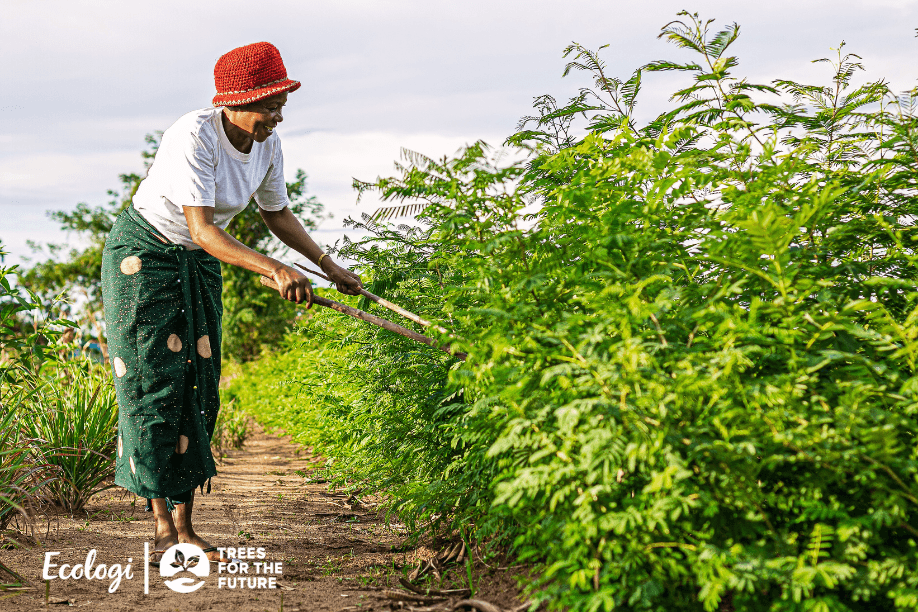
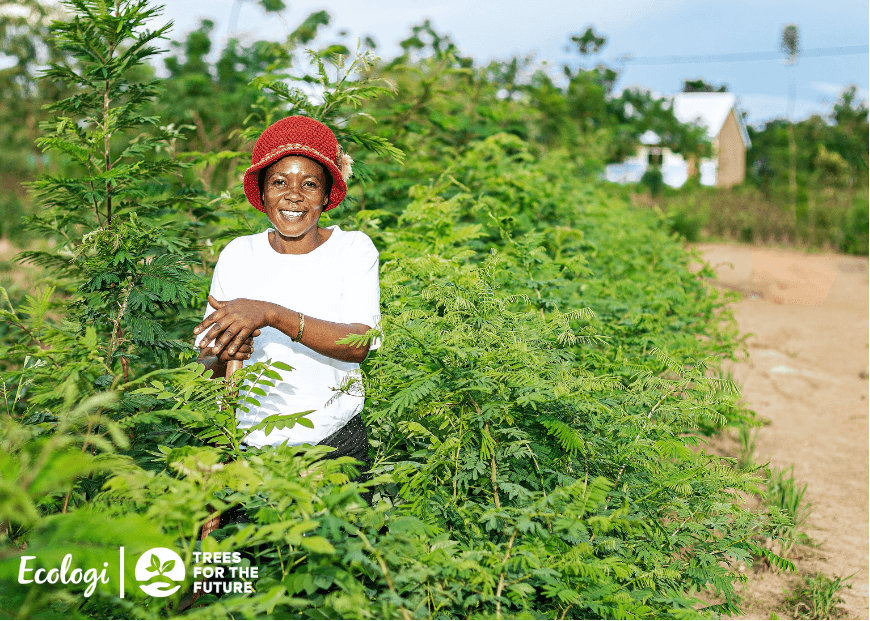
However, with training, seedling management, and mentorship from Trees for the Future, a farmer called Abeli began applying forest garden techniques. Abeli has planted more than 2,000 trees, including fast-growing species that now form a living green barrier around his farm. This natural fence protects his crops and young trees from grazing animals—something he had been unable to achieve for years.
Within this newly protected space, Abeli has also planted nitrogen-fixing species such as gliricidia and pigeon pea, along with fruit trees like papaya and mango, and a variety of vegetables to restore soil fertility and moisture. What was once cracked, exhausted earth has become soft, mulched soil rich with organic matter.
Today, Abeli’s family enjoys a regular harvest of nutritious vegetables, including spinach, onions, and okra, which provide a reliable food source for their household. While increased income remains a future goal, the first major success has been environmental recovery. Soil erosion on his land has dropped dramatically, marking a powerful step toward long-term resilience.
Read more about this story here.
Project timeline
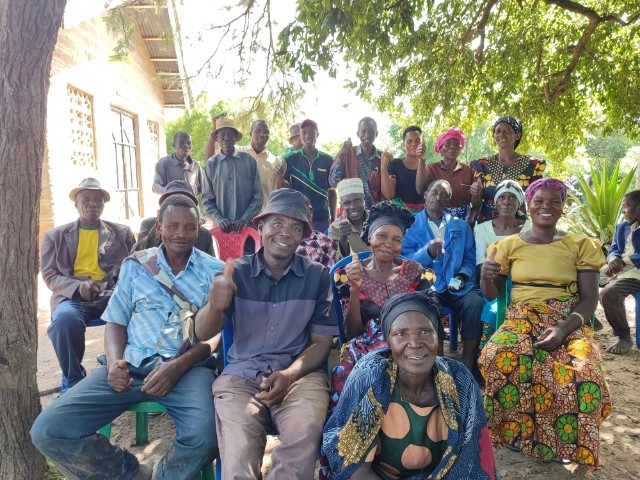
All the nurseries have now been established, and the seedlings have been growing in their controlled environment. The planting season should start in a few weeks, with April typically being the wettest month.



By planting trees and adopting climate-smart practices, farmers help capture carbon, reduce land degradation, and protect their farms from drought, floods, and extreme weather.
Within this newly protected space, farmers have been able to plant nitrogen-fixing species such as gliricidia and pigeon pea, along with fruit trees like papaya and mango, and a variety of vegetables to restore soil fertility and moisture. What was once cracked, exhausted earth has become soft, mulched soil rich with organic matter.
About
Fully funded
2025
Agroforestry
13
15
Fund this project
Funded directly through our Global trees in our marketplace. Alternatively speak to a climate expert to support your wider climate action strategy.
Impact partner

Trees for the Future is a nonprofit organisation focused on land restoration in developing communities around the world.