
Carbon avoidance

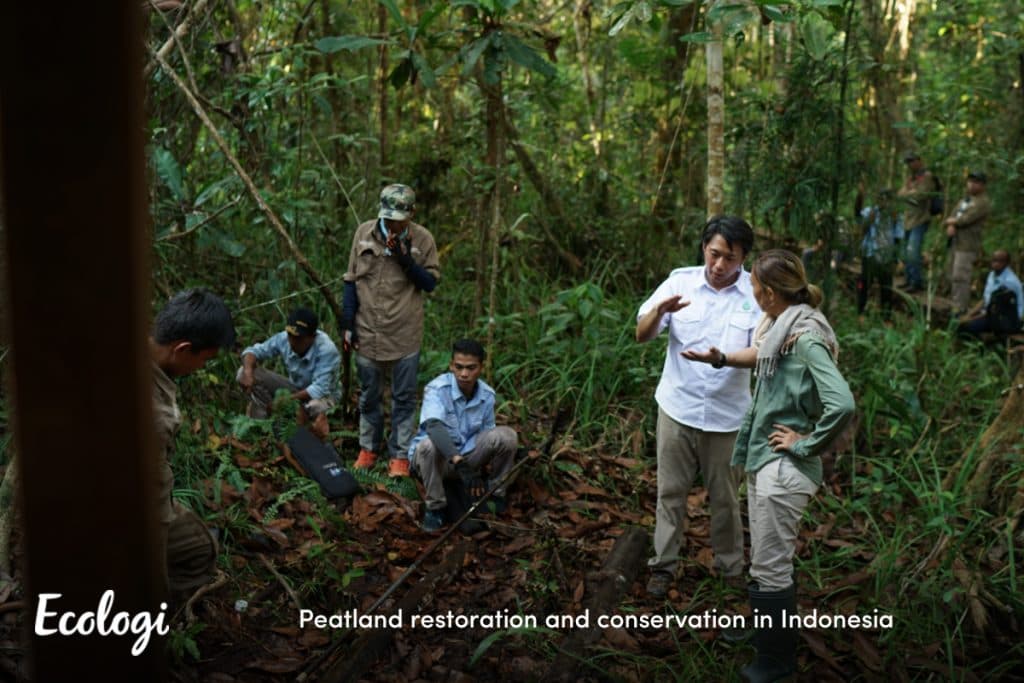
Peatland restoration and conservation in Indonesia

Peatland restoration and conservation in Indonesia

Why support this project?

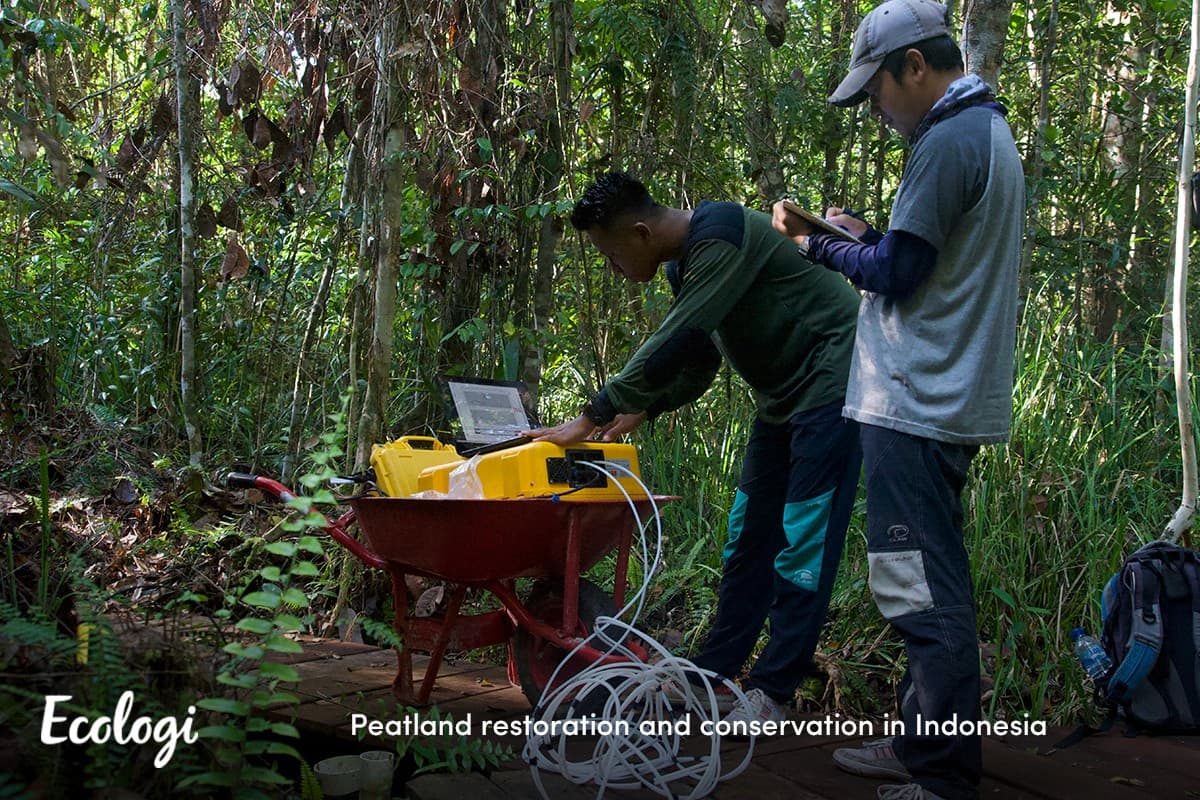
Peatlands are among the world’s most vital ecosystems, storing vast amounts of carbon. They are critical for preventing and mitigating the effects of climate change, preserving biodiversity, minimising flood risk, and ensuring safe drinking water. Indonesia houses 36% of the world’s tropical peatlands, yet these ecosystems are rapidly being destroyed for plantation agriculture, including oil palm and acacia. The Katingan Mentaya Project protects 157,875 hectares of peat swamp forest in Central Kalimantan, preventing land that was previously planned for conversion to industrial acacia plantations from being cleared and drained. By keeping this carbon rich landscape intact, the project prevents significant greenhouse gas emissions while protecting habitat for some of Borneo’s most threatened wildlife. Alongside conservation, the project works with 39 surrounding villages to develop sustainable livelihoods and improve opportunities for around 50,000 people, connecting long term peatland protection with the needs of local communities.

Why protect wetlands?

Wetlands, from peat bogs to salt marshes, are flooded habitats supporting specialised and endangered species. They store carbon efficiently and buffer communities against floods and droughts.

Project summary

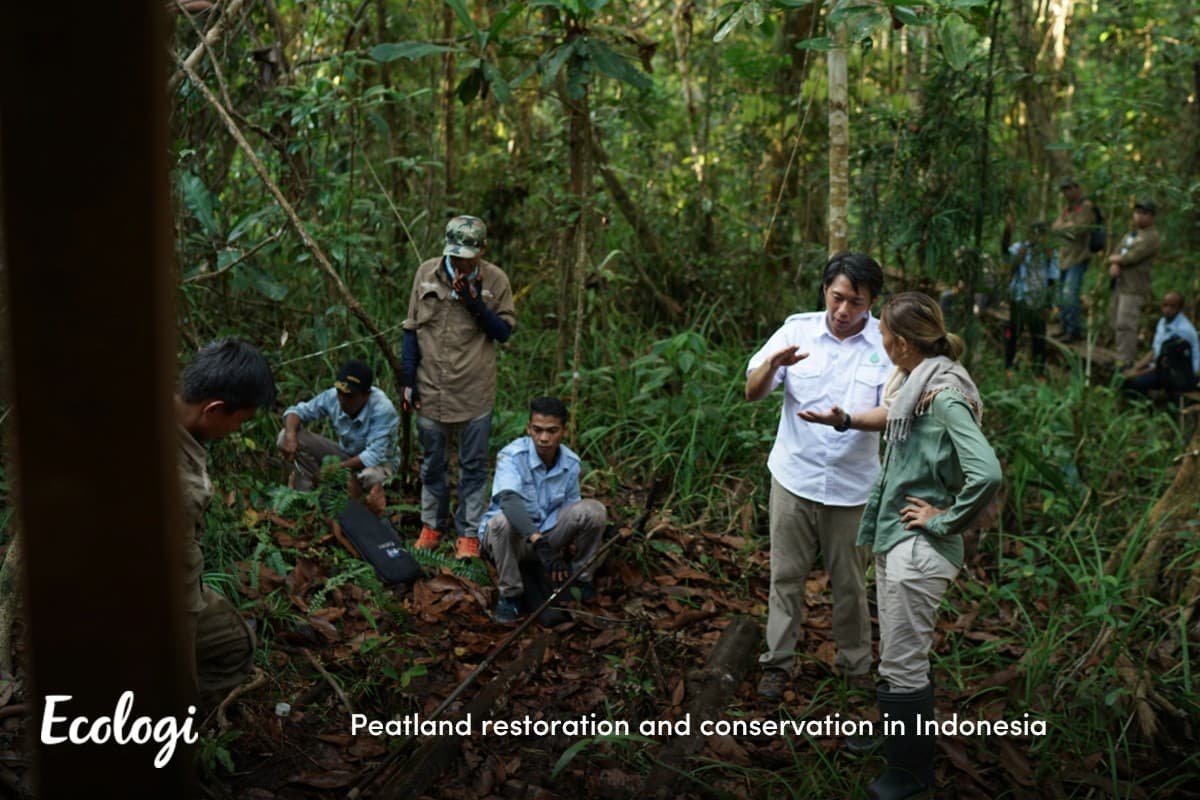
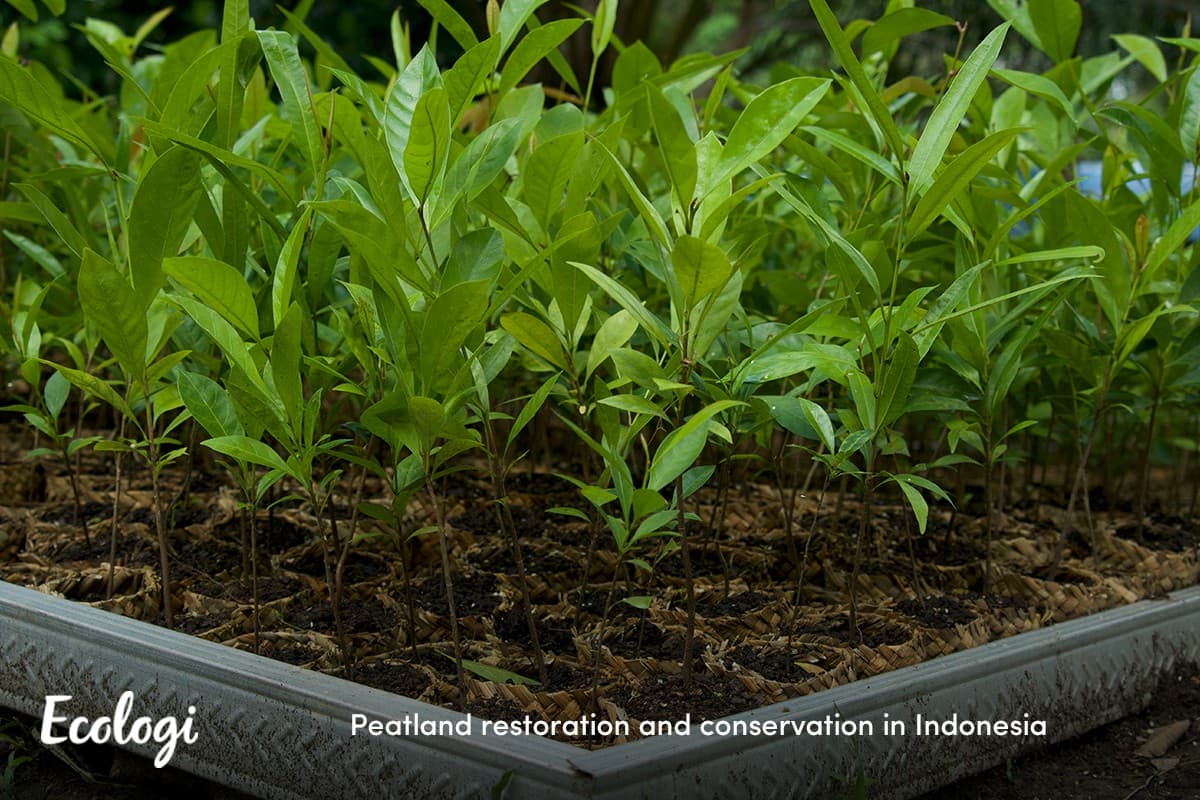
The Katingan Mentaya Project is a tropical peatland forest protection and restoration initiative in Central Kalimantan on the island of Borneo. The project was established in response to plans to clear and convert the area to industrial acacia plantations, which would have resulted in the loss and drainage of its peat swamp forests. Covering 157,875 hectares across two ecosystem restoration concessions, the project instead protects and restores the peatland while addressing the underlying drivers of deforestation and degradation. Its approach combines forest and wildlife protection, ecosystem restoration and fire prevention with community-led programmes designed to create sustainable alternatives to activities that place pressure on the forest.

Locations

Katingan District, Indonesia

Timeline

Follow the latest milestones and updates from this project.

Sep 2026
Strengthening Fire Readiness

Strengthening Fire Readiness

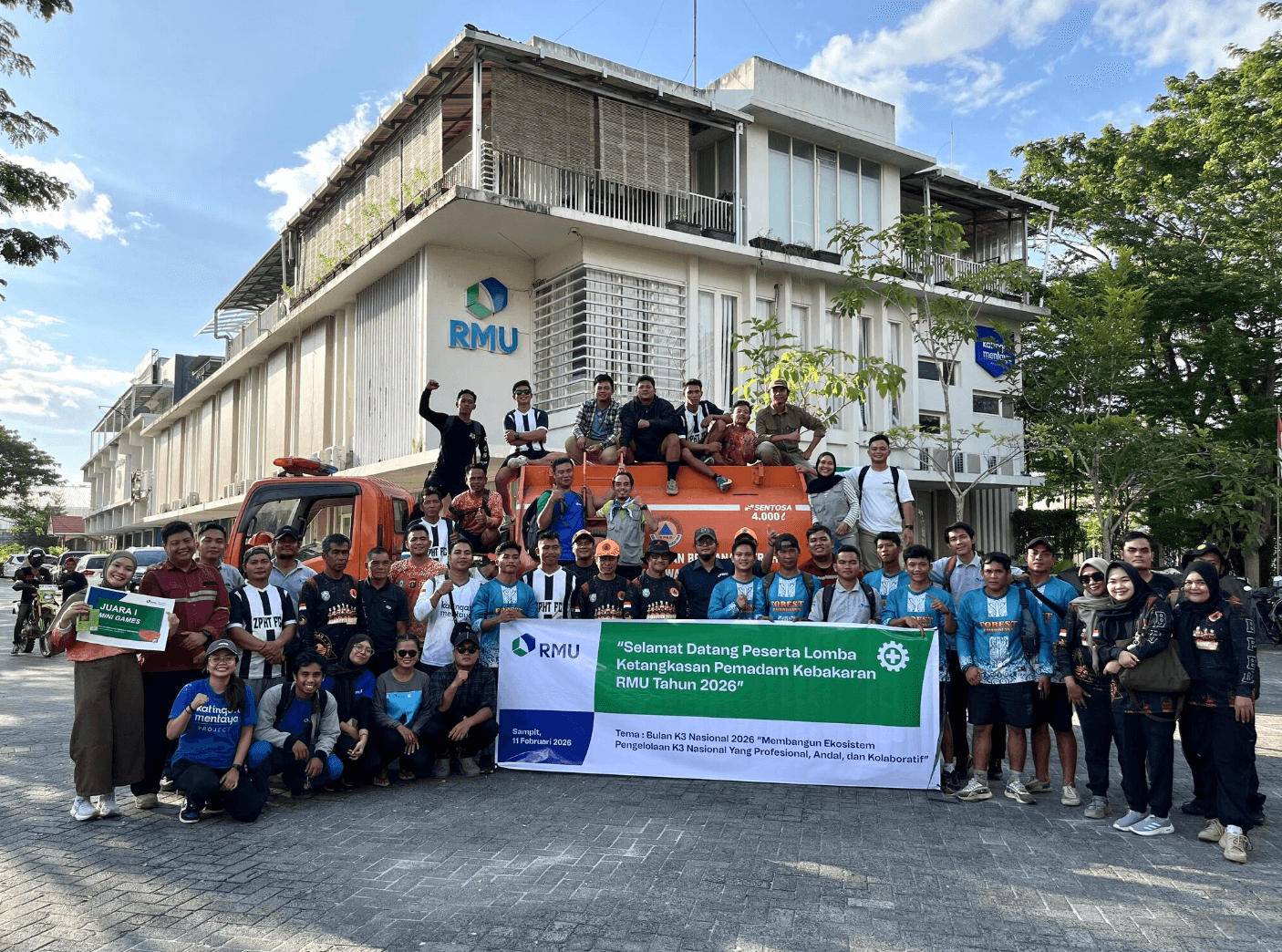
The Katingan Mentaya Project is reinforcing frontline readiness through a Forest and Land Firefighting Skills Competition.

The competition, organised as part of National Occupational Health and Safety (OHS) Month 2026, involved 52 personnel across nine teams representing RMU’s operational zones.

The competition doubled as a hands-on evaluation platform — testing response speed, technical handling, and storage systems to pinpoint exactly where teams can sharpen their edge.

Through this close collaboration between the private sector and government, the Katingan Mentaya Project continues to advance integrated fire prevention — protecting the landscape, safeguarding communities, and building long-term climate resilience.
Aug 2026
Biodiversity Spotlight

Biodiversity Spotlight

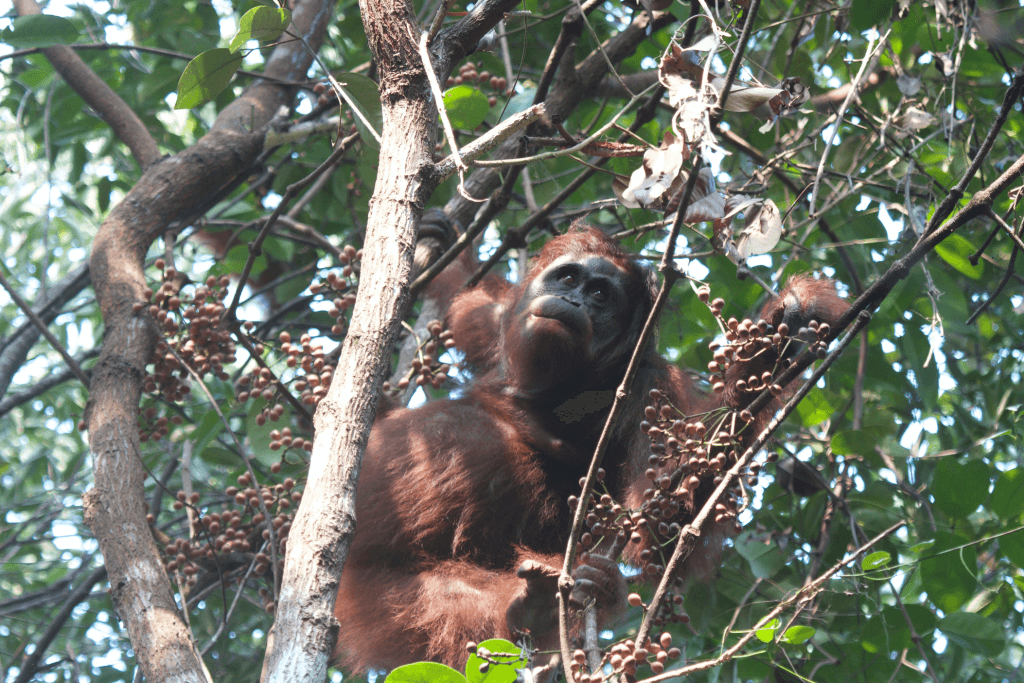
The project delivers strong biodiversity co-benefits, protecting 56 species classified as vulnerable, endangered, or critically endangered on the IUCN Red List. Among them, the project safeguards one of the world's most significant populations of Bornean orangutans — a critically endangered keystone species that plays a vital role in maintaining forest health and biodiversity.

An estimated 5% of all remaining Bornean orangutans reside within the project area. As they move between fruit trees and feed on forest plants, orangutans perform a crucial ecological function: dispersing seeds, facilitating forest regeneration, and supporting structural diversity — all of which strengthen forest resilience. In turn, a biodiverse, healthy forest delivers enhanced carbon storage capacity, regulates local hydrological cycles, and supports a wide range of dependent species.

Jul 2026

AENOR Verification Opinion & Triple Gold Level Re-Certification

  • Auditor AENOR CONFÍA S.A.U. issued a verification report
  • Certified full compliance for Gold Level Distinctions in Climate Change Adaptation, Exceptional Community Benefits, and Exceptional Biodiversity Benefits
Jun 2026

Publication of Monitoring Report 7 (MR7) & Updated Project Description v3.0

  • Project proponents PT. Rimba Makmur Utama and Permian Global issued MR7 and Project Description v3.0 covering VCS (Jan 01, 2021 – Dec 31, 2023) and CCB (Jan 01, 2020 – Dec 31, 2023) under VCS v4.7 and CCB v3.1
  • Reported landscape restoration across 157,875 ha via 34 canal blocks, protection of 149,800 ha of Key Biodiversity Area habitat (109 threatened species), income growth for 3,987 local community members, and zero forest fires in the project zone
Apr 2026

The Katingan Mentaya Project (KMP) upgraded to AA Rating by BeZero

In 2025, the The Katingan Mentaya Project was upgraded from an A to AA rating by BeZero, following the publication of two new reports - the SDG Impact Report and the Fire Management and Mitigation Report. An AA rating indicates a high degree of confidence that the carbon credits issued represent a real, measurable unit of avoided or removed greenhouse gas emissions. This assessment reflects the continued success of the project's ecosystem restoration activities, strength in terms of fire management and mitigation.

Dec 2023
Monitoring Period

Monitoring Period

01 January 2020 – 31 December 2023 Monitoring Period

  • 8 new canals were targeted for rewetting between 2020 and 2023, with 17 canal blocks constructed to support hydrological restoration.

  • 6,727 community members participated in structured decision-making activities; 80 MoUs signed with 34 villages since 2015.

  • No large-scale fires recorded across 149,800 ha; 1,380 community members trained in fire response and awareness.

  • Over 7,800 people have improved incomes, 1,200 women have benefited economically, and 366 people have gained full-time jobs.

Aug 2021

Sixth Monitoring Report Issued (2020)

  • Released the annual VCS monitoring report for the period Jan 01, 2020 to Dec 31, 2020.
Sep 2020

Fifth Monitoring Report Published (2019 VCS / 2018–2019 CCB)

  • Published monitoring results covering VCS (Jan 01, 2019 – Dec 31, 2019) and CCB (Jan 01, 2018 – Dec 31, 2019)
Jun 2019

Fourth Monitoring Report Published (2018)

  • Submitted the fourth annual monitoring report for the VCS monitoring period spanning Jan 01, 2018 to Dec 31, 2018
Aug 2018

CCB Second Verification Statement & Gold Level Distinctions Awarded

  • Auditor ESI issued the formal verification statement for the 2015–2017 CCB monitoring period
  • Confirmed compliance with Gold Level criteria across Climate Change Adaptation, Community Benefits, and Biodiversity Benefits
Mar 2018

Third Monitoring Report Issued (2017 VCS / 2015–2017 CCB)

  • Released the joint monitoring report for VCS (Jan 01, 2017 – Dec 31, 2017) and CCB (Nov 01, 2015 – Dec 31, 2017)
  • Detailed expanded microfinance, agroforestry, and Key Biodiversity Area (KBA) protection initiatives
Jul 2017

Second Monitoring Report Published (2015–2016)

  • Published the second monitoring report covering the VCS period from Nov 01, 2015 to Dec 31, 2016
  • Outlined ongoing fire management, rewetting, and community development activities
Oct 2016

First CCB Validation & Verification Approval

  • Completed formal validation and initial verification under the Climate, Community & Biodiversity (CCB) Standards
Jul 2016

First Monitoring & Implementation Report Issued (2010–2015)

  • Published the initial monitoring report covering the first implementation period (Nov 01, 2010 – Oct 31, 2015)
  • Reported 12,748,612 tCO2e in net greenhouse gas (GHG) emission reductions achieved through avoided deforestation and peatland restoration
Apr 2016

Formal VCS Validation Completion

  • The project successfully achieved formal validation against the Verified Carbon Standard (VCS)
Nov 2010

Katingan Project Initiation & Crediting Period Start

  • Official project start date and beginning of the 60-year GHG accounting/crediting period (Nov 01, 2010 – Oct 31, 2070) for the Katingan Peatland Restoration and Conservation Project (Project ID 1477) in Central Kalimantan, Indonesia
  • Initiated by project proponent PT. Rimba Makmur Utama to protect and restore 149,800 hectares of peat swamp forest habitat

Benefits

Climate

Protecting Katingan’s peatlands prevents the release of carbon that has accumulated within the ecosystem over long periods of time. Had the forest been cleared, drained and converted to plantations, substantial greenhouse gas emissions would have resulted from both vegetation loss and degradation of the underlying peat. By preventing this conversion and reducing threats such as forest fire, the project keeps these existing carbon stores intact while allowing the forest to continue capturing carbon as it grows. The project is associated with an average of approximately 7.5 million tonnes of CO₂e in avoided emissions and sequestration each year, making climate mitigation one of its central objectives.

Climate objectives 

  • To deliver credible GHG emission reductions through avoided deforestation and forest degradation, prevention of peat drainage and fires 
  • To enhance ecological values at the landscape scale through ecosystem restoration 
  • To conduct research and development (R&D) activities to implement the latest science, research and management practices

Nature

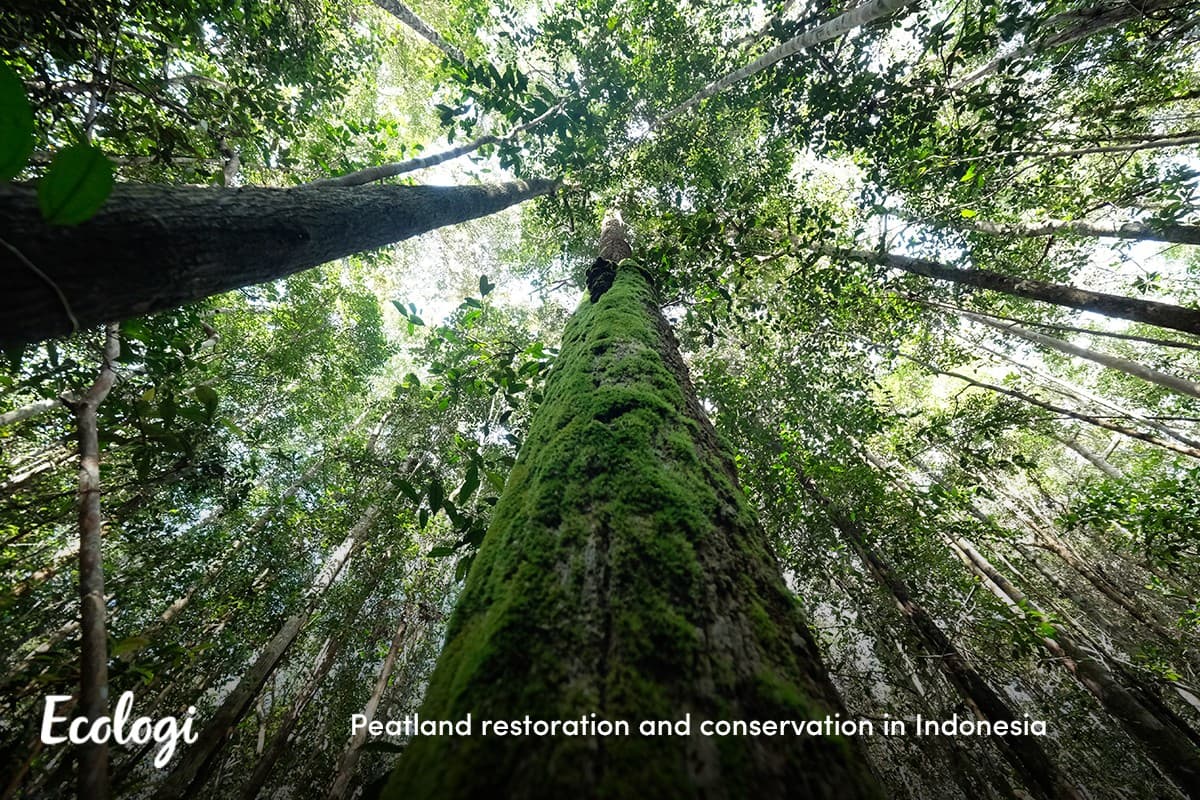
Katingan protects an exceptionally biodiverse area of tropical peat swamp forest and provides habitat for numerous rare, threatened and endemic species. The landscape supports more than 5% of the remaining global population of Bornean orangutans, alongside species such as the Sunda pangolin, proboscis monkey and clouded leopard. Across the project area, eight Critically Endangered, 25 Endangered and 58 Vulnerable species have been recorded, together with hundreds of species of mammals, birds, fish and other wildlife. Through habitat restoration, wildlife monitoring and action to reduce deforestation and degradation, the project aims to maintain the ecological integrity of this important peatland landscape over the long term.

Biodiversity objectives 

  • To eliminate drivers of deforestation and forest degradation and to stabilise and maintain healthy populations of faunal and floral species in the project zone through biodiversity conservation and protection
  • To maintain natural habitats and ecological integrity through ecosystem restoration
  • To conduct research and development (R&D) activities to implement the latest science, research and management practices

People

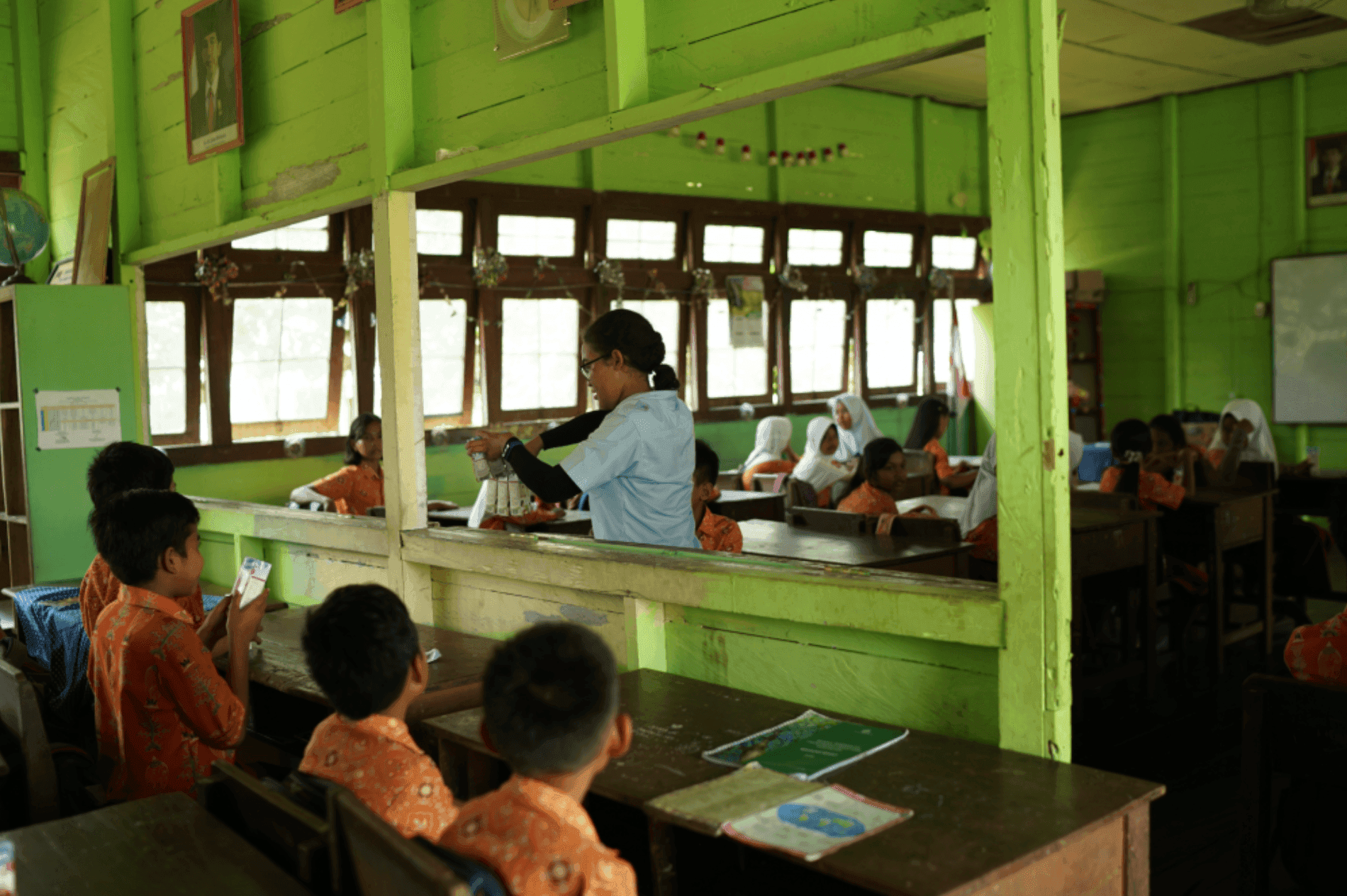
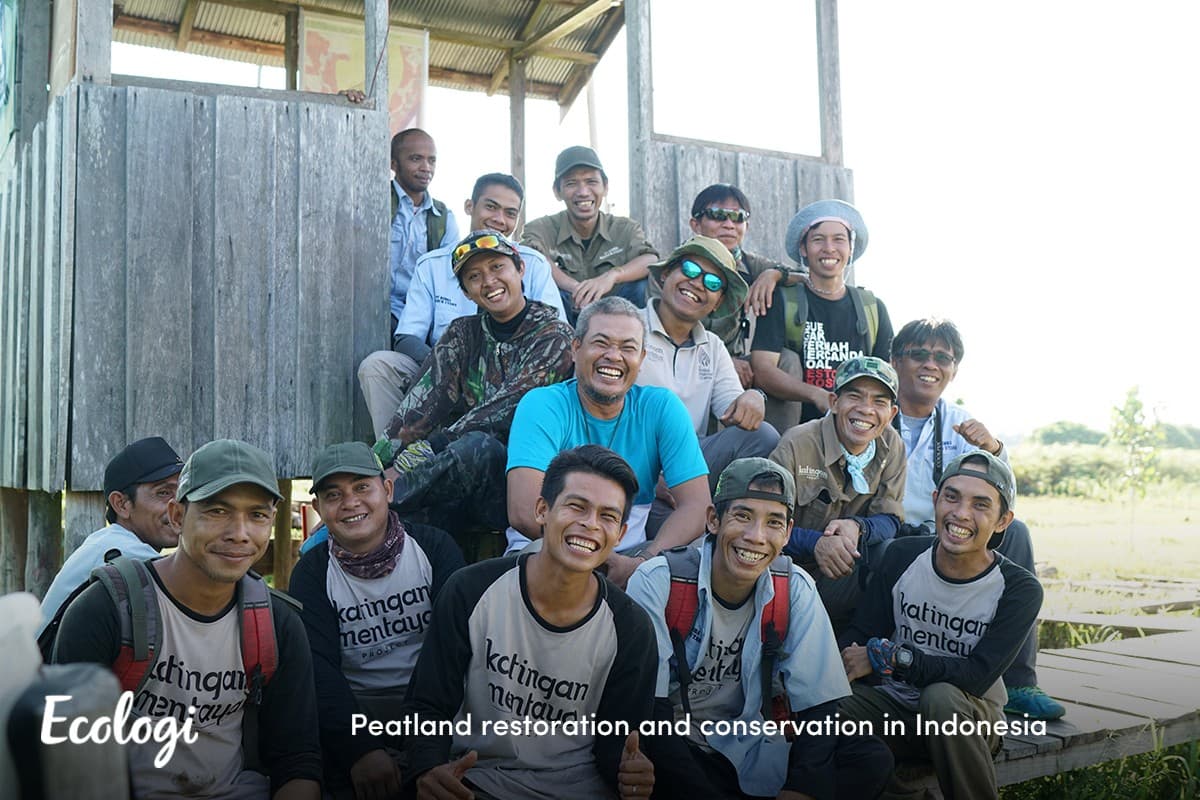
Around 50,000 people across 39 surrounding villages are included within the project's community development programme. Rather than applying the same interventions across every community, programmes are developed through consultation and participatory planning to identify local priorities and opportunities for sustainable land use and livelihood development. The project supports communities to strengthen decision making and develop sustainable businesses that can provide income without increasing pressure on the surrounding peat forest. Wider programmes also support health, education and wellbeing, helping ensure that protecting the forest is connected with long term social and economic opportunities for the people living alongside it.

 Community objectives

  • To enhance the quality of life and reduce poverty of the project-zone communities by creating sustainable livelihood options and economic opportunities
  • To strengthen community resilience by increasing capacity to cope with socio-ecological risks
  • To maintain and enhance ecosystem services for the overall well-being of the project-zone communities through ecosystem restoration
  • To conduct research and development (R&D) activities to implement the latest science, research and management practices

SDGs supported

No Poverty
Good Health and Well-Being
Quality Education
Clean Water and Sanitation
Industry, Innovation and Infrastructure
Reduced Inequalities
Climate Action
Life on Land

Verification

These partners help deliver the project and verify its impact.

Verifiers

Verified Carbon Standard

The Verified Carbon Standard (VCS) Program is the world's most widely used greenhouse gas (GHG) crediting program.

View evidence
Climate, Community and Biodiversity Standard

Projects developed under the CCB Program must follow a rigorous assessment process to be certified. The CCB Standards are managed by Verra but were developed through a multi-stakeholder process by the Climate, Community & Biodiversity Alliance, a partnership of CARE, Conservation International, The Nature Conservancy, the Rainforest Alliance and the Wildlife Conservation Society.