Carbon removal
Nova Scotia Mineral OAE Project
What is OAE?
Also known as Ocean-Based Carbon Dioxide Removal (oCDR) or Marine Carbon Dioxide Removal (mCDR).
Under natural conditions, rocks weather over millions of years, increasing the alkalinity of seawater and allowing the oceans to absorb more CO₂ from the atmosphere.
This is an approach to carbon removal that involves adding alkaline substances to seawater to accelerate the ocean's natural carbon sink. Adding alkalinity to the ocean converts dissolved inorganic CO₂ in seawater into bicarbonates and carbonates, which are stable forms of carbon with a lifetime of approximately 10,000 years.
The resulting CO₂ deficit in surface waters is quickly rebalanced via a net movement of atmospheric CO₂ into the ocean to re-establish equilibrium.
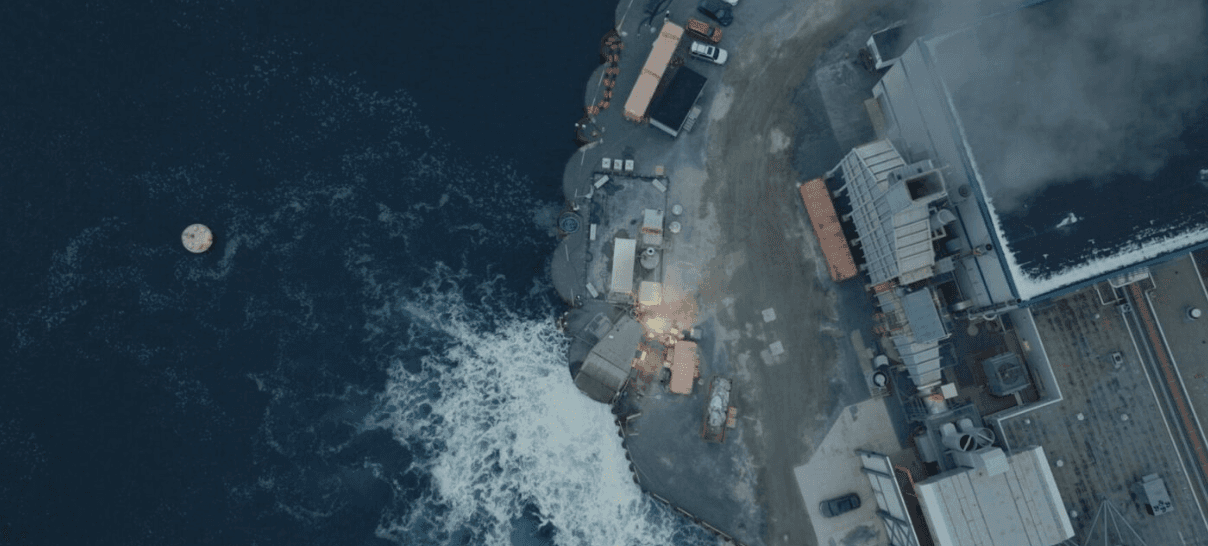
What does OAE look like at Tufts Cove, Nova Scotia?
During energy generation, the plant utilises steam turbines and requires large volumes of water for cooling its systems. The outfall is used to discharge this cooling water. This outfall acts as a conduit to add a high-solids content alkaline slurry into the receiving marine waters of the Halifax Harbour and Bedford Basin.
The alkaline substance is a byproduct of magnesium calcination and consists primarily of magnesium oxide. This is imported from Spain in approx. 1.2 metric tonne bulk bags.
Both upstream and downstream of the addition point, chemical and environmental properties of the water are continuously monitored to ensure regulatory compliance.



The Ocean Alkalinity Enhancement (OAE) project at Tufts Cove supports sustainable economic growth by creating skilled employment opportunities in clean energy operations, environmental monitoring, marine science, engineering, and logistics. By contributing to the emerging carbon dioxide removal sector, the project helps build a future-focused low-carbon economy while adding value to industrial by-products and supporting long-term economic resilience in coastal communities.

The project advances industrial innovation by implementing a novel ocean-based carbon dioxide removal technology that accelerates natural weathering processes to achieve long-term carbon storage. By integrating OAE into existing power plant infrastructure, specifically the cooling water outfall at Tufts Cove, the project demonstrates efficient use of industrial systems while minimising the need for new infrastructure and promoting sustainable industrial practices.

10k+ tonnes CO₂ removed annually in current phase
The OAE project contributes to the protection of marine ecosystems by increasing seawater alkalinity in a controlled and closely monitored manner, helping to counteract ocean acidification and enhance the ocean’s natural ability to absorb atmospheric CO₂. Continuous upstream and downstream environmental monitoring ensures regulatory compliance and safeguards marine life in Halifax Harbour and the Bedford Basin, supporting healthier and more resilient ocean environments.
About
Live
2026
Ocean Alkalinity Enhancement
8
9
13
14