Carbon avoidance
Lower Zambezi REDD+ Project

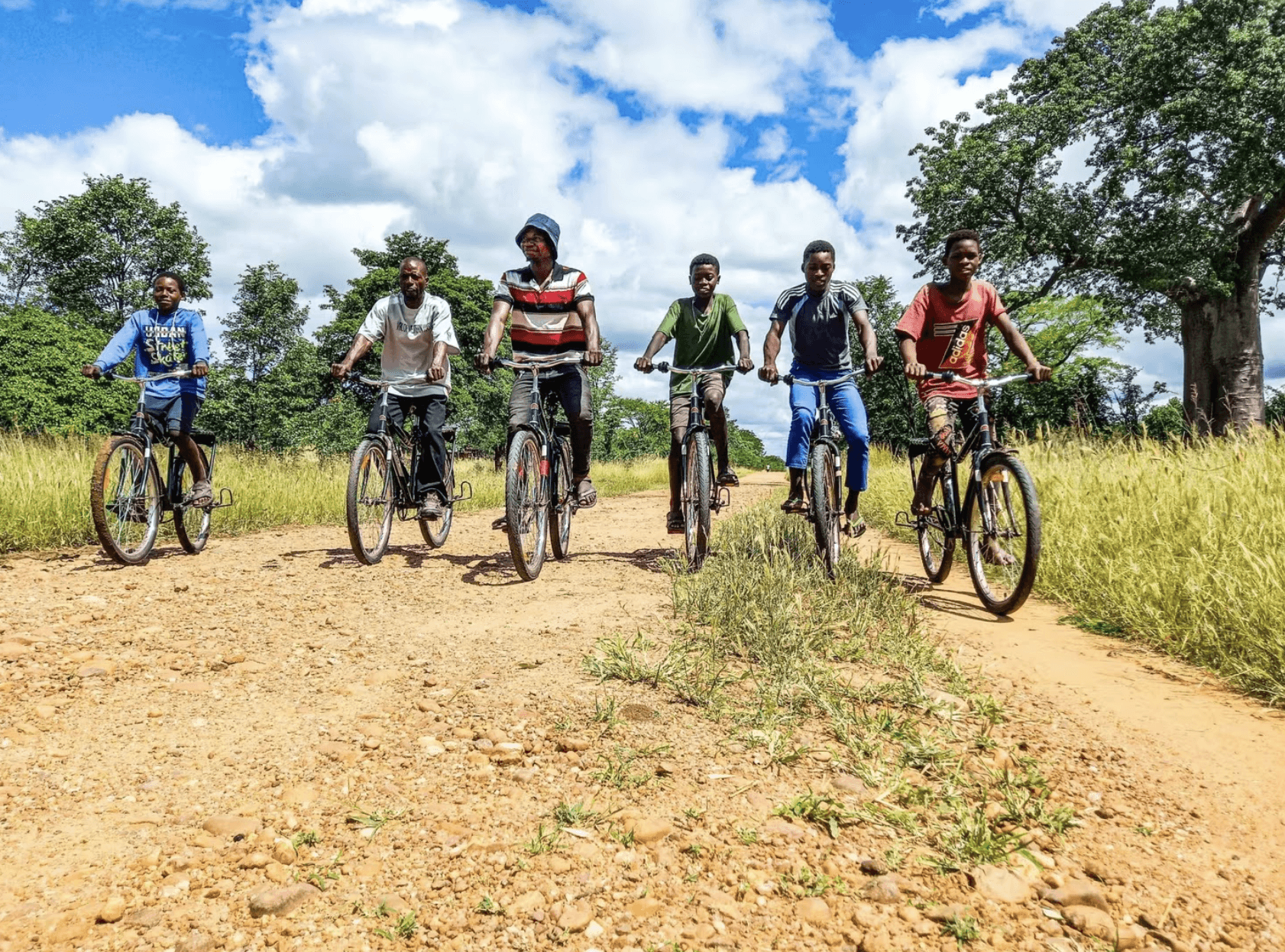
The Lower Zambezi REDD+ Project (LZRP) is a long-term conservation initiative dedicated to protecting 40,126 hectares of Rufunsa Conservancy in Zambia, a critical buffer zone to the Lower Zambezi National Park. Implemented by BioCarbon Partners (BCP), the 30-year project aims to prevent an estimated 5.67 million tCO₂e of emissions by addressing the drivers of deforestation through community participation and biodiversity-focused strategies. With a strong emphasis on Free, Prior, and Informed Consent (FPIC), the LZRP works closely with local stakeholders to deliver diverse livelihood opportunities, strengthen education, healthcare, and water access, and ensure effective forest monitoring and protection. Closely aligned with several UN Sustainable Development Goals (SDGs), the project not only safeguards ecosystems but also fosters sustainable development, social inclusion, and climate resilience. Supported by a legally binding Conservation Easement and verified annually, the LZRP exemplifies an integrated model of community empowerment and environmental stewardship in Zambia.
Additionality
The Lower Zambezi REDD project demonstrates a strong likelihood of additionality. Its implemented activities exceed typical regional practices, and the protection of the Project Area is not assured by existing Zambian environmental regulations and agencies, primarily due to governance and funding deficiencies. The project's financial additionality is moderately likely, as it relies on donations, grants, and state funds, which have proven to be inadequate.
The project carries a low risk of non-additionality. Its conservation activities are generally non-revenue-generating and would likely not have been initiated without the prospect of carbon revenue. There is clear documentation of the project's intent to leverage carbon revenue from its inception. Furthermore, the project's activities are not legally mandated and surpass standard land management practices in Zambia. Ultimately, carbon revenue was likely essential for the project's execution.


BCP’s REDD+ conservation and livelihood activities improve overall community well-being in project areas, including indirectly supporting health outcomes by increasing access to income, food security and environmental stability.
BCP includes education and training components in its community programs, such as teaching climate-smart agricultural techniques and forest monitoring skills, which build human capital and improve learning opportunities at the community level.
Forest protection under BCP’s REDD+ projects helps safeguard watersheds and maintain water quality by reducing soil erosion and maintaining natural filtration systems. Healthy forests are essential for securing clean water supplies for local communities, which ties into SDG 6’s focus on sustainable water resources.
BCP’s projects create jobs in community forest monitoring, sustainable charcoal production, beekeeping, and other livelihood initiatives — increasing household income and supporting economic growth in rural areas.
CP uses REDD+ (Reducing Emissions from Deforestation and Forest Degradation) projects to directly prevent carbon release by conserving forests and reducing deforestation, a critical nature-based climate mitigation approach. hese projects not only reduce greenhouse gases but also build climate resilience through sustainable land use and community adaptation practices such as climate-smart agriculture.
About
Live
2026
REDD+ Project
3
4
6
8
13
Impact partner
BCP develops award-winning forest carbon offset projects in areas of global biodiversity significance to conserve Africa's wildlife legacy landscapes while delivering life-changing community impacts under REDD+.
Verifications
Verification: Verified Carbon Standard
The Verified Carbon Standard (VCS) Program is the world's most widely used greenhouse gas (GHG) crediting program.