Carbon avoidance

Conserving the Amazon in Brazil

Conserving the Amazon in Brazil

Background

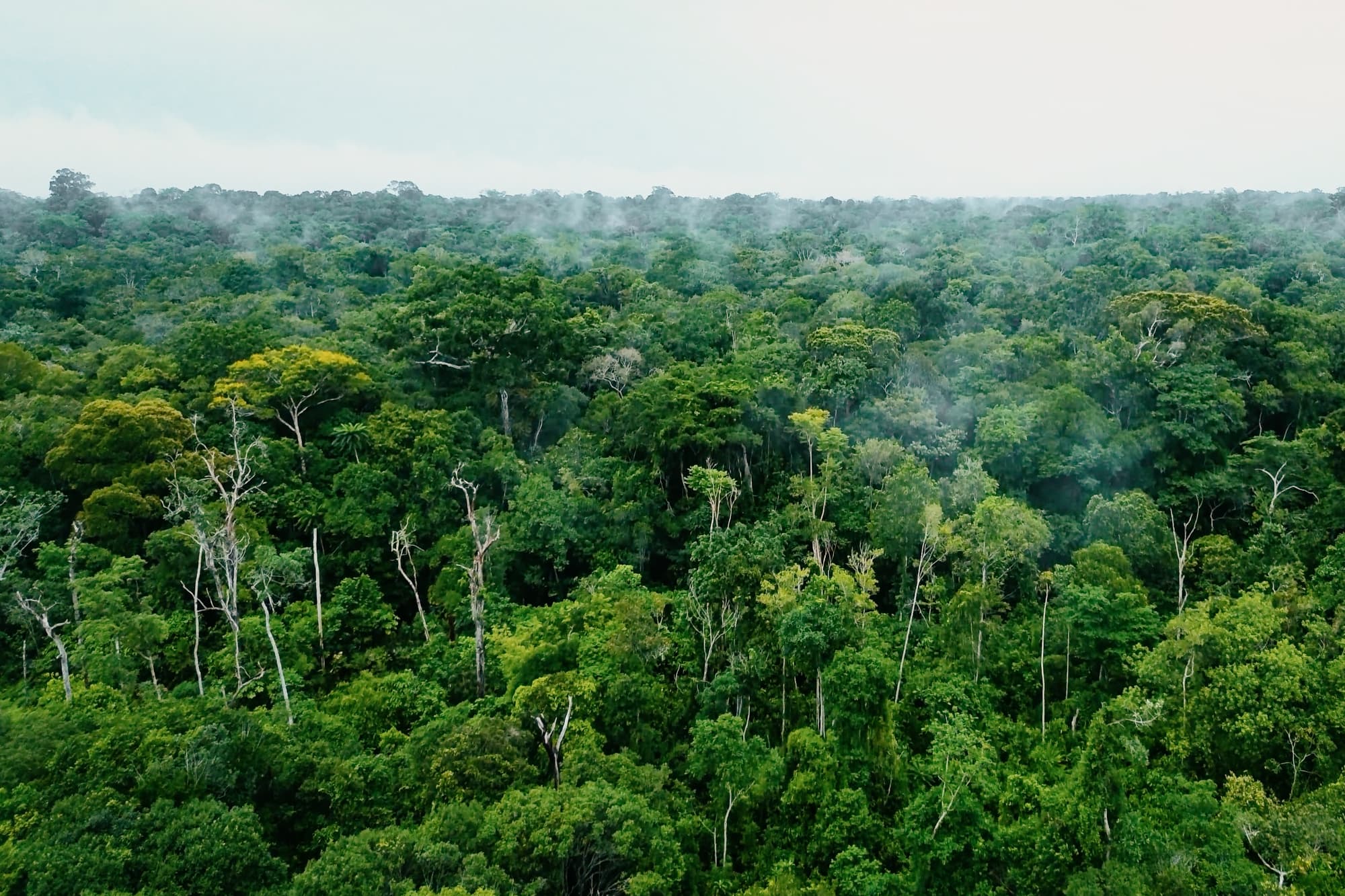
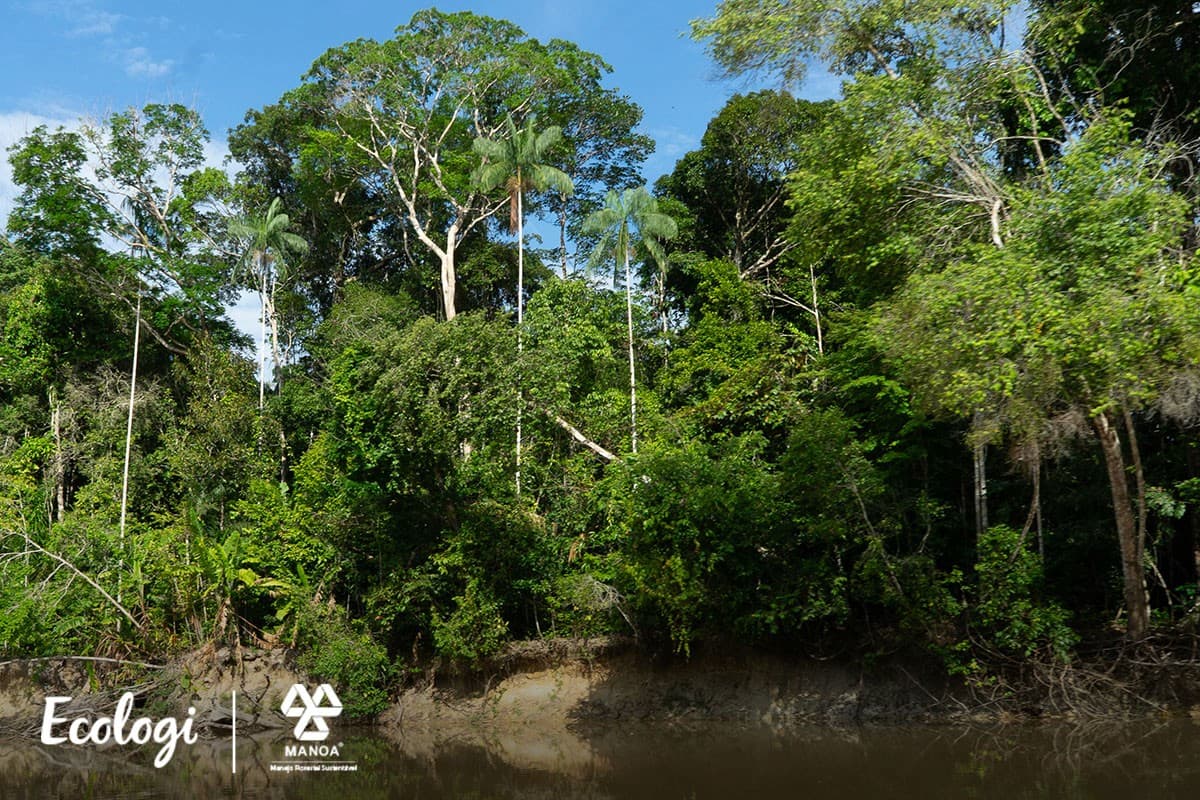
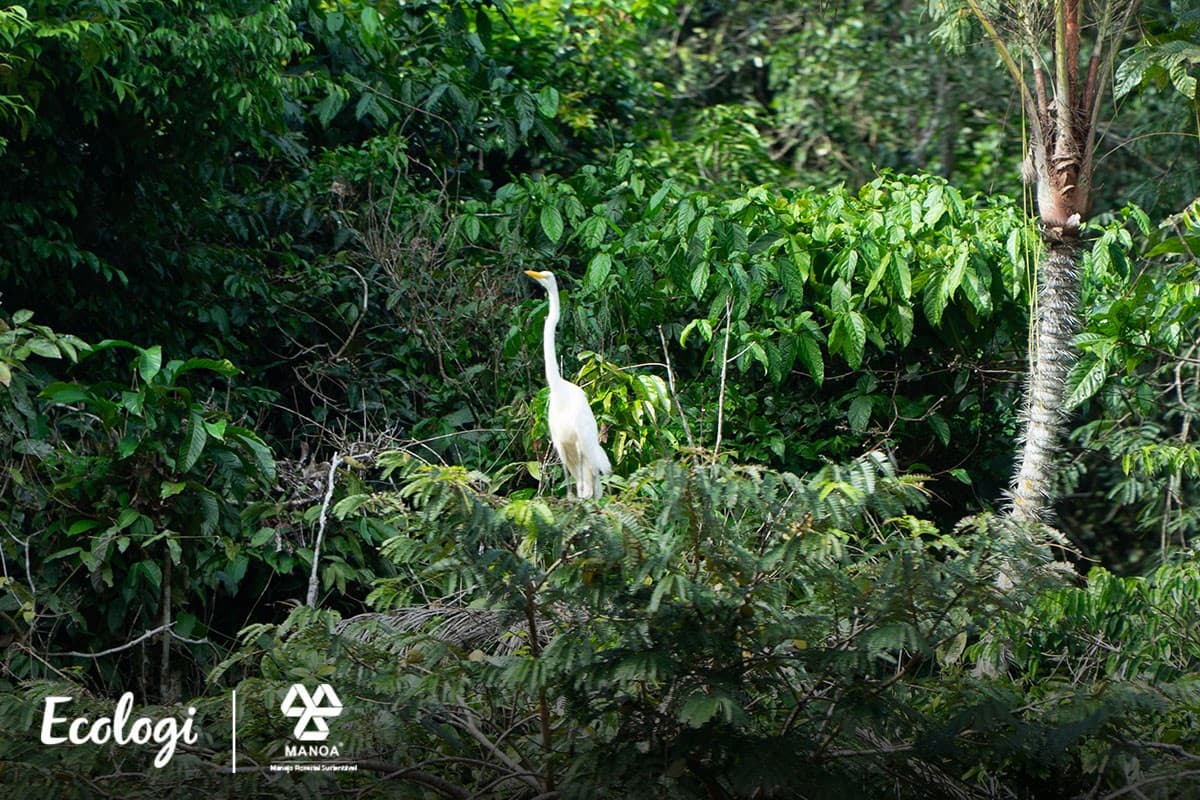
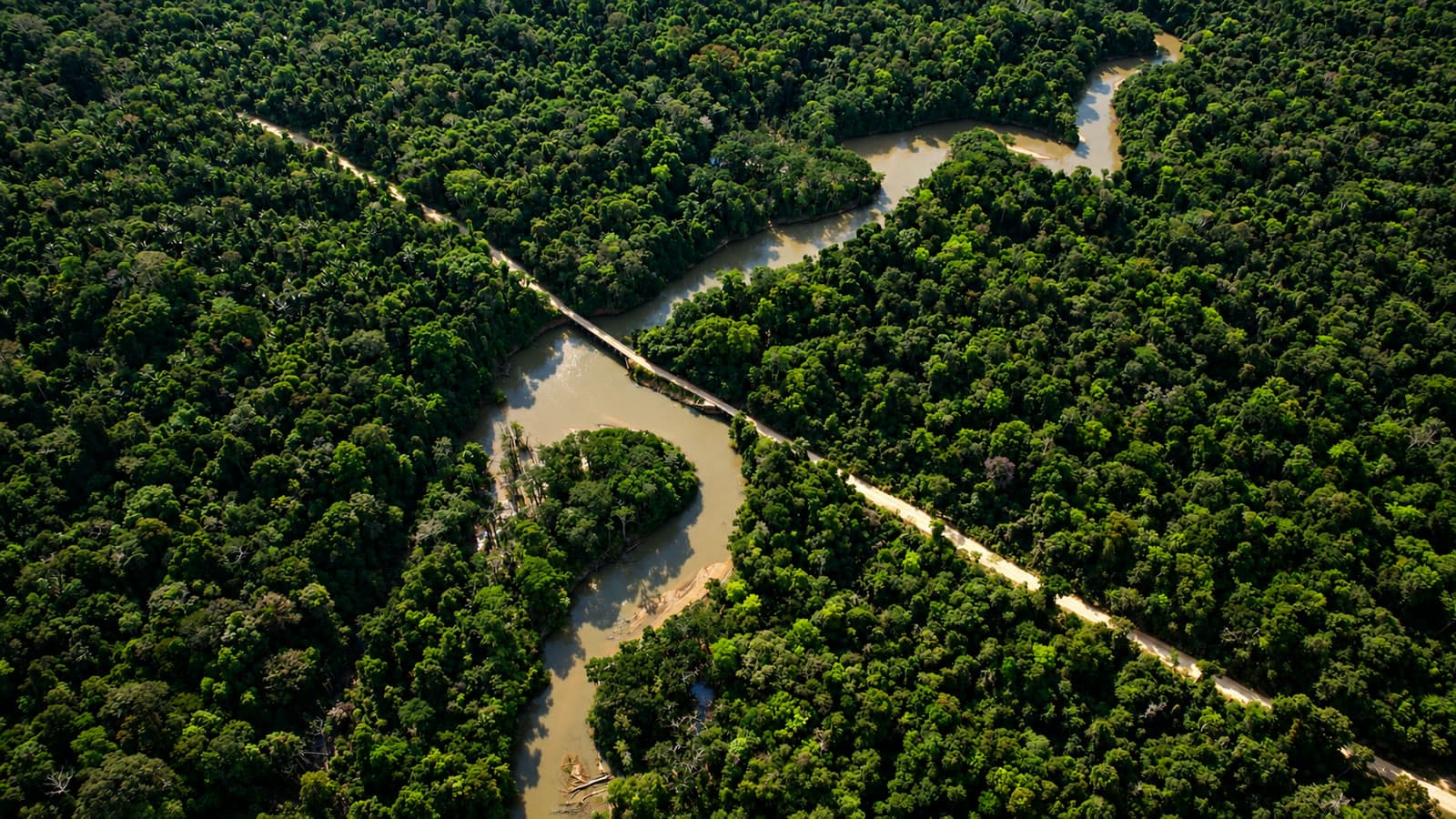
As the largest tropical forest globally, the Brazilian Amazon Forest plays a crucial role as a primary carbon sink, contributing significantly to our fight against climate change. Beyond its environmental impact, it serves as a vital refuge for approximately 10% of the world’s biodiversity and provides sustenance and shelter for numerous traditional communities.

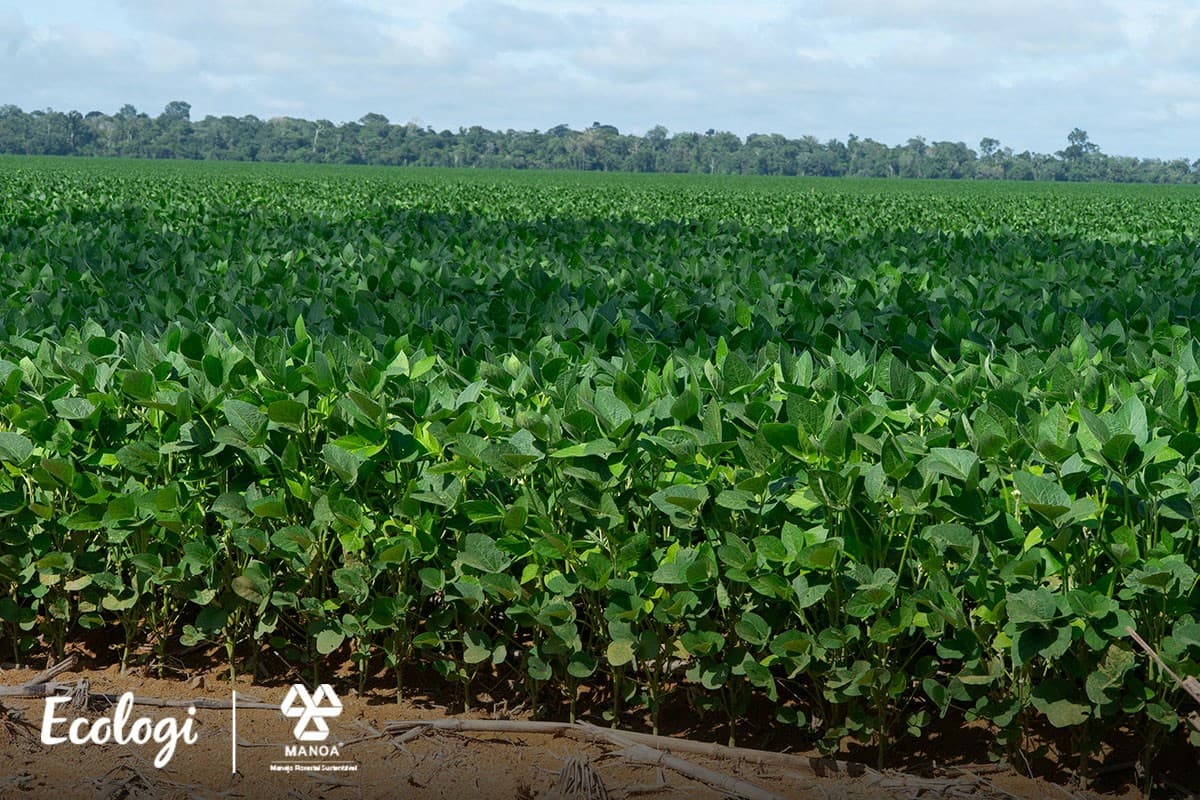
Unfortunately, deforestation, forest degradation, and shifts in land use, particularly in agriculture, have collectively contributed to 23% of all anthropogenic greenhouse gas emissions worldwide between 2007 and 2016. Within Brazil, these activities accounted for a staggering 63% of national emissions in 2015. Although there was a decline in the Brazilian deforestation rate from 2004 to 2012, recent years have witnessed a concerning resurgence in these figures. Hence, there is an immediate and pressing need to explore alternative socioeconomic development approaches that prioritise the value of these standing forests.

The Project

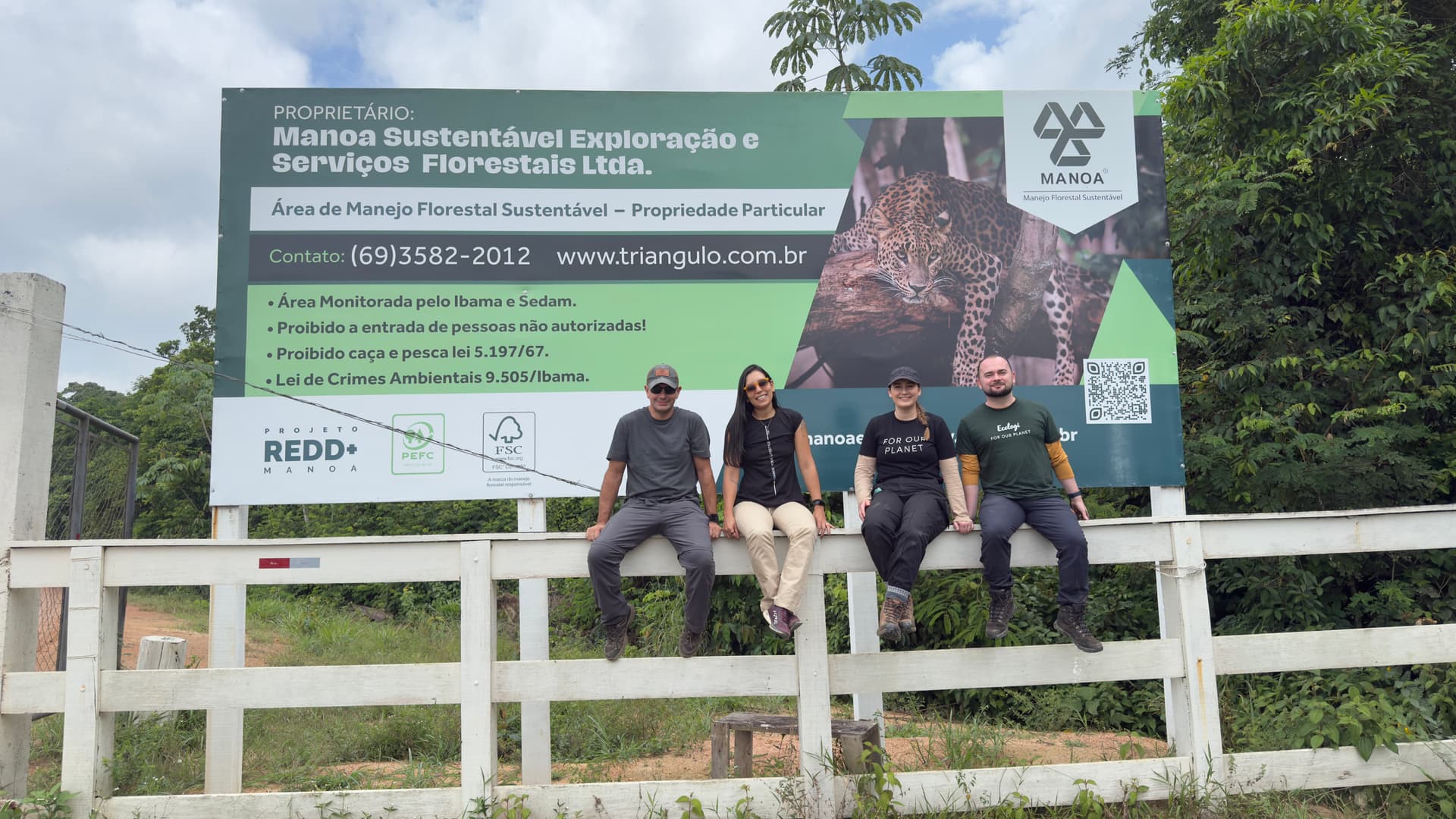
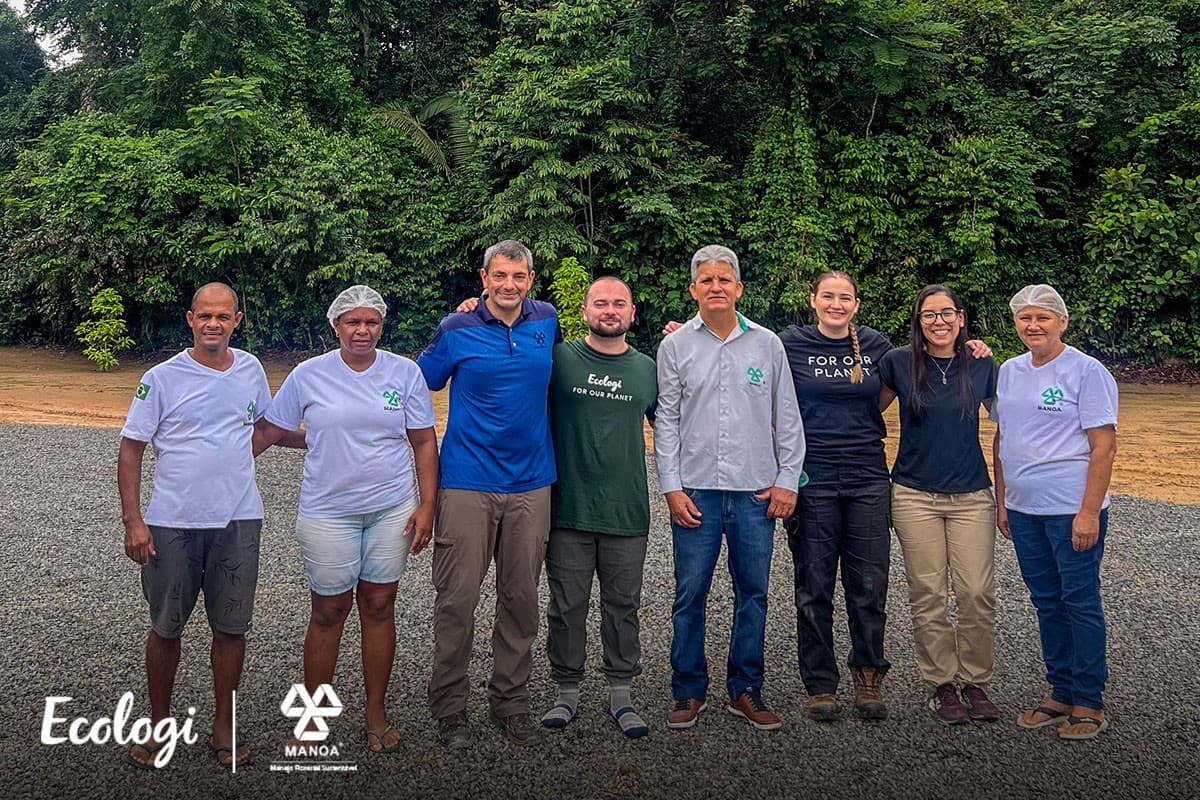
The Manoa project is a partnership between Biofílica Ambipar Environment Investments S.A. and Manoa Sustentável, Exploração e Serviços Florestais Ltda, located at Fazenda Manoa, in the municipality of Cujubim, state of Rondônia, which covers an area of 74,038.748 hectares. The municipality is where most of the project's social activities are carried out and, therefore, where most of the stakeholders that will be impacted are located, and the project area.

Objectives

The main objective of REDD+ Manoa project activity is to promote the reduction of deforestation and consequently the reduction of GHGs.

Forest protection and monitoring: remote monitoring and local surveillance, along with the best sustainable forest management practices.

Scientific research: monitoring of forest management impacts, follow-up and study of identified and/or endemic species, partnerships with educational and research institutions for the production and dissemination of knowledge.

Local economic development: through its own training center the project provides training and capacity building in technical forest management to the regional population.

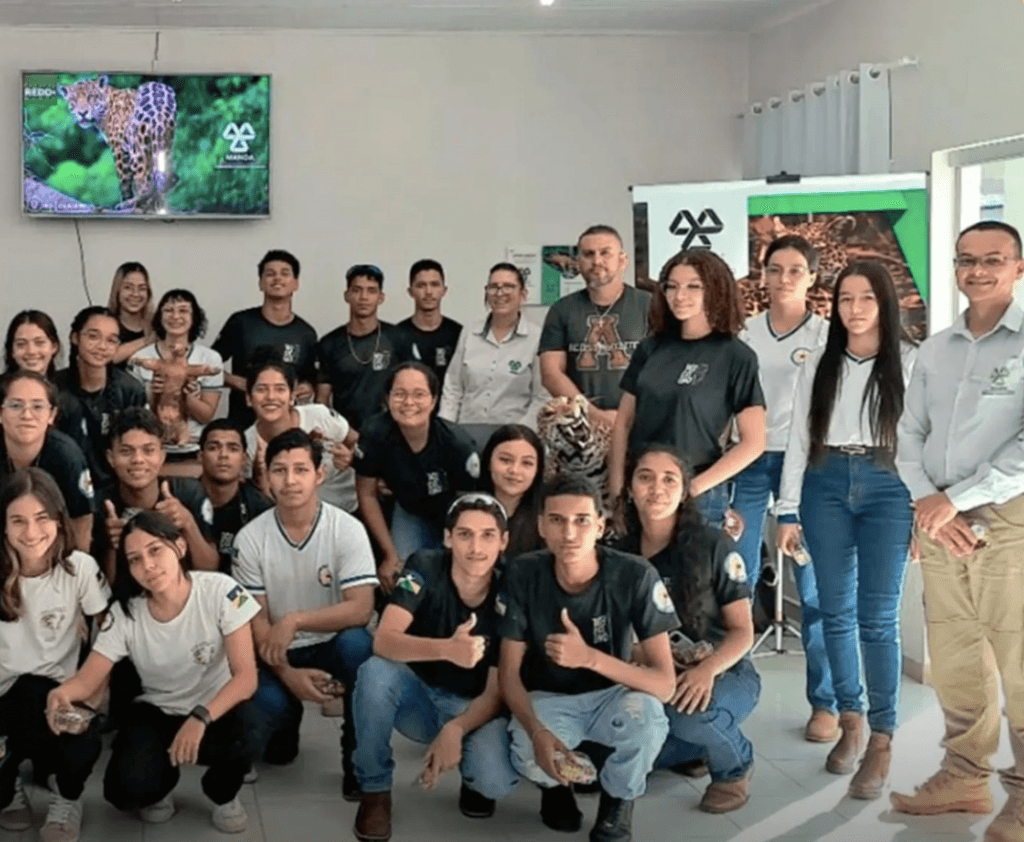
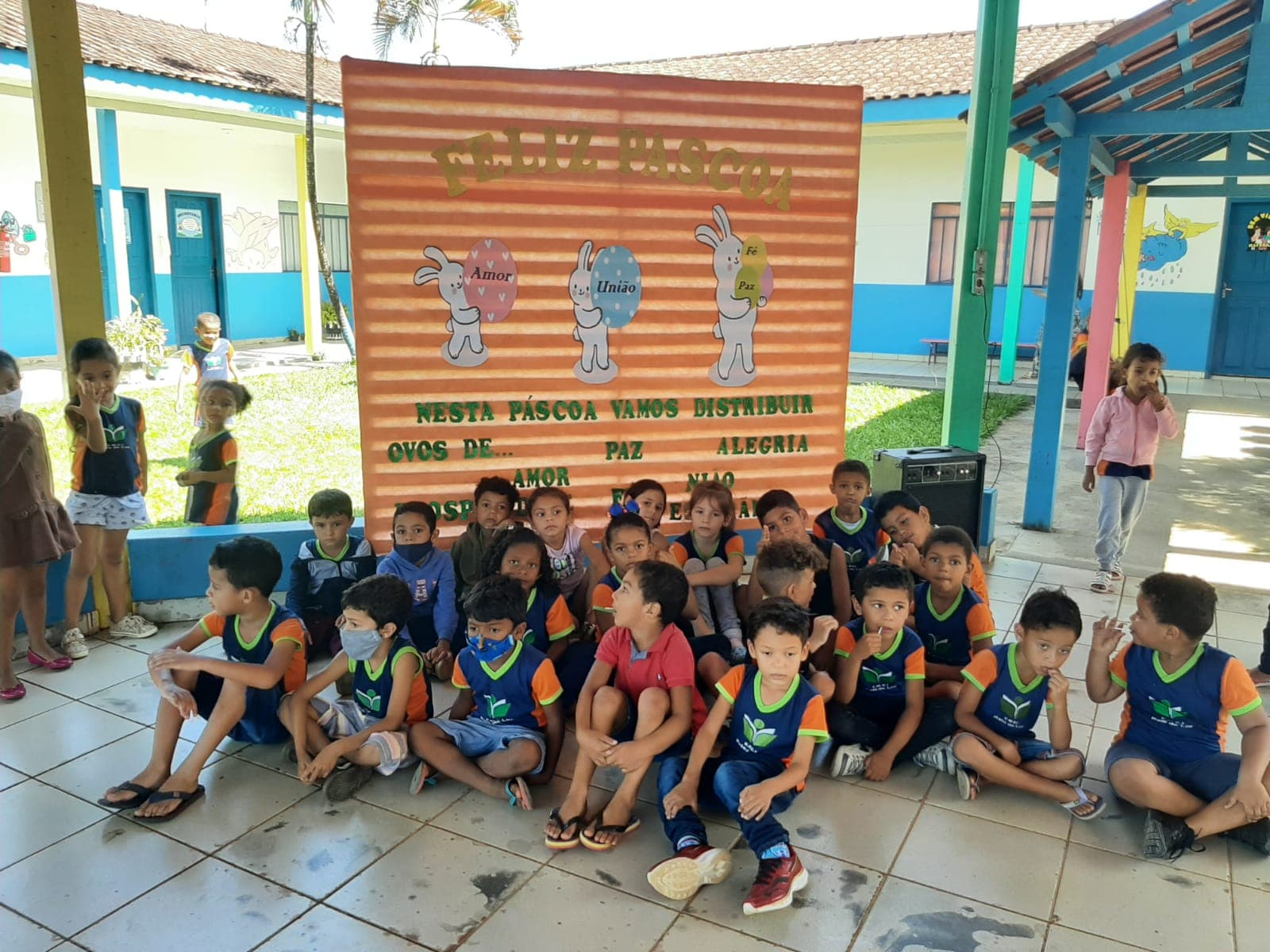
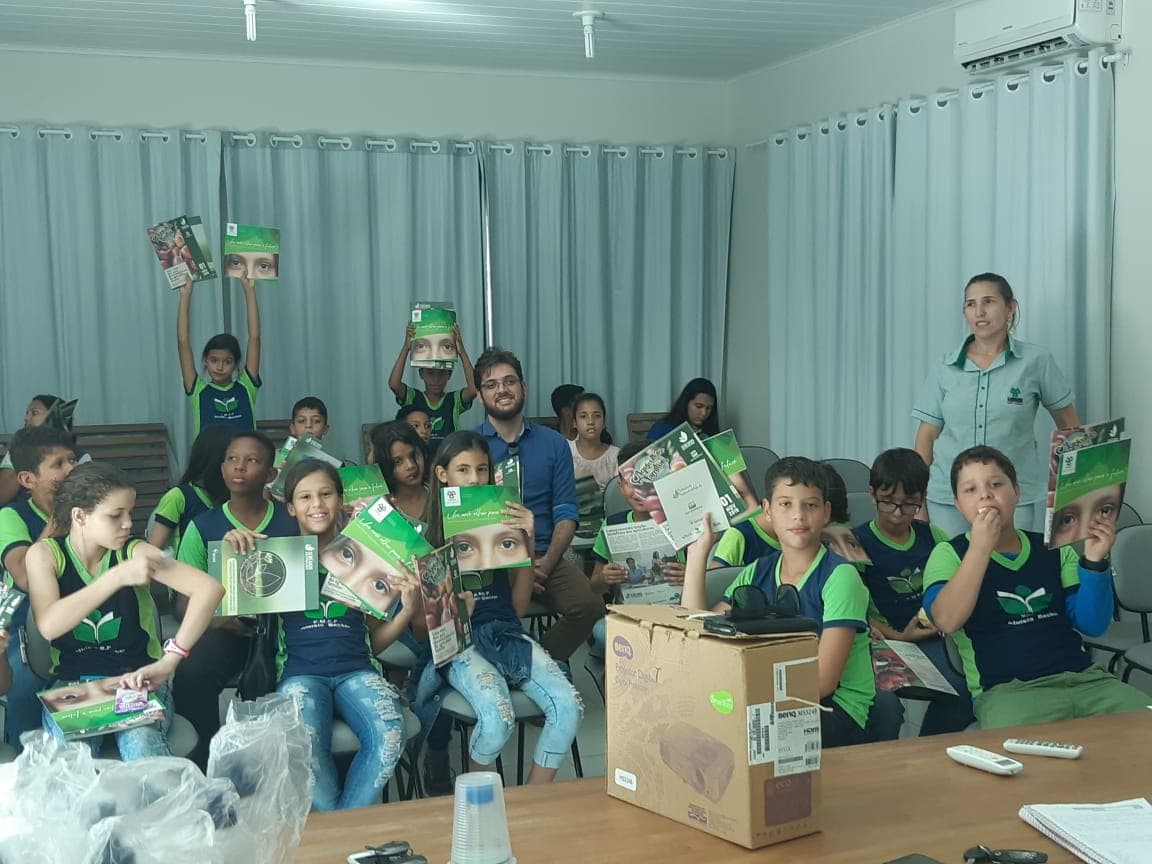
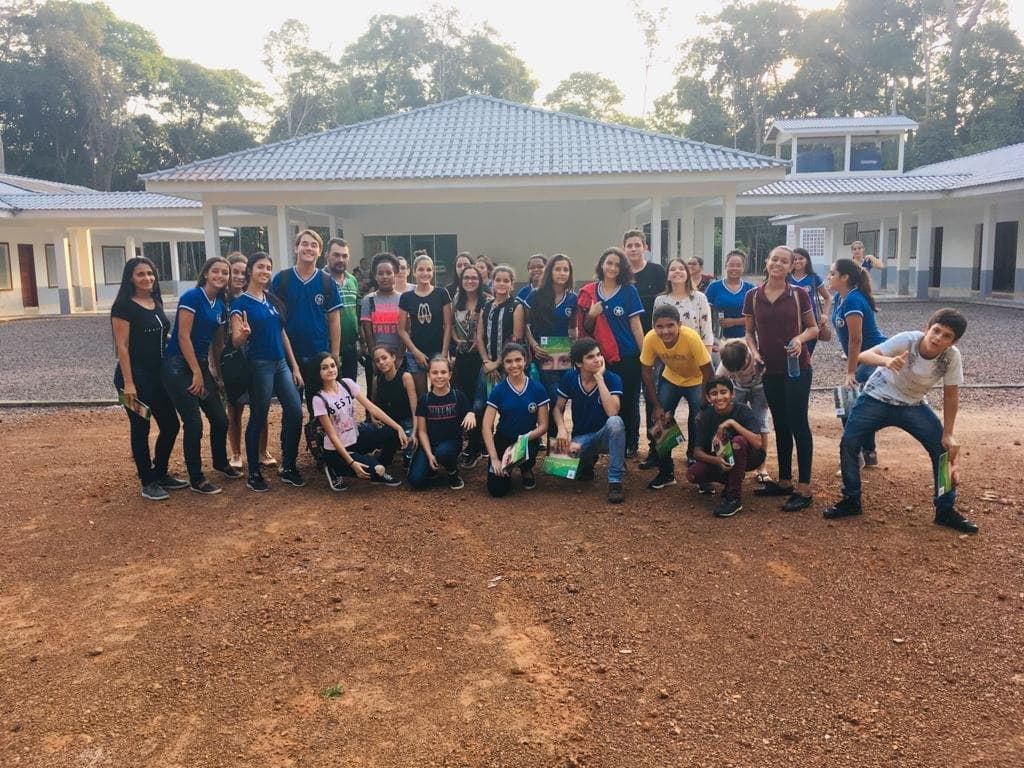
Social empowerment: environmental education for the population from regional communities and from the city of Cujubim, aiming at the future of environmental conservation and the consequent improvement in the quality of life of these people.