Carbon removal

Blue Carbon in the Gulf of Morrosquillo
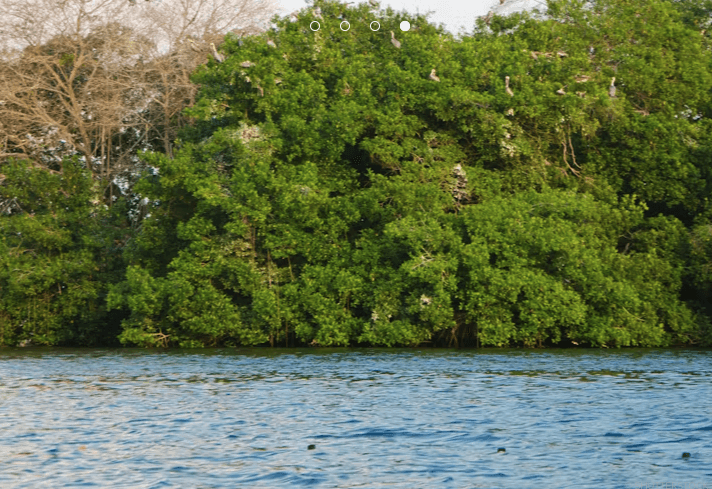
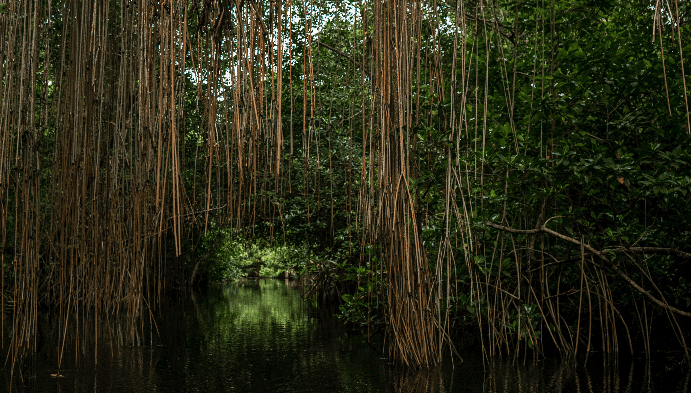
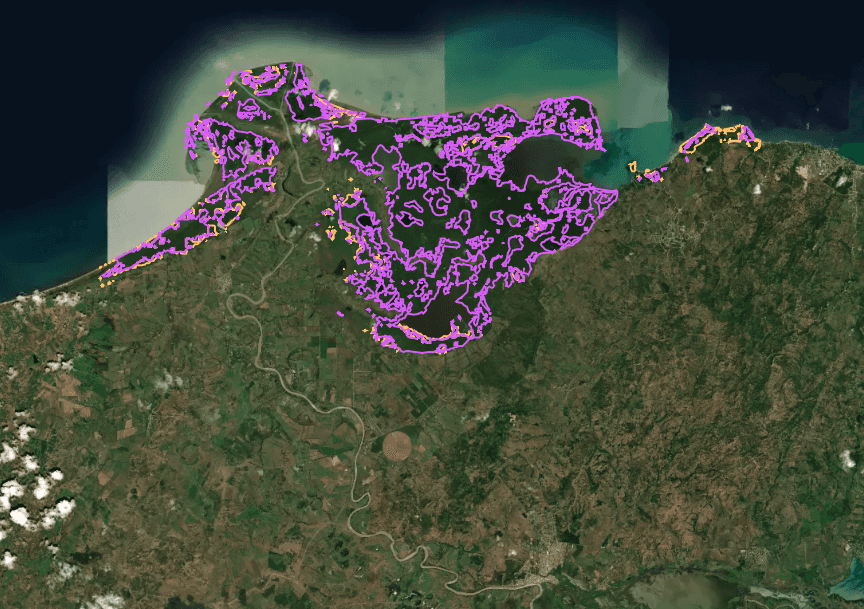
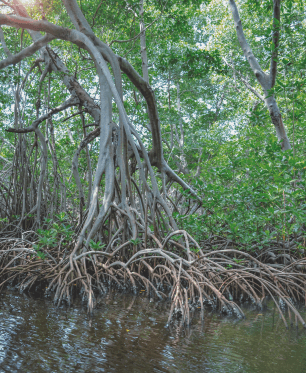
Located along Colombia’s Caribbean coast, the Gulf of Morrosquillo is home to some of the region’s most ecologically valuable mangrove and marine-coastal ecosystems. This area includes key protected zones such as the mangroves of Cispatá Bay, La Balsa-Tinajones, the estuarine delta of the Sinú River, La Caimanera’s lagoons and mangrove systems, and the Boca de Guacamayas sector. These ecosystems not only play a vital role in biodiversity conservation but also support the livelihoods and cultural heritage of local communities.

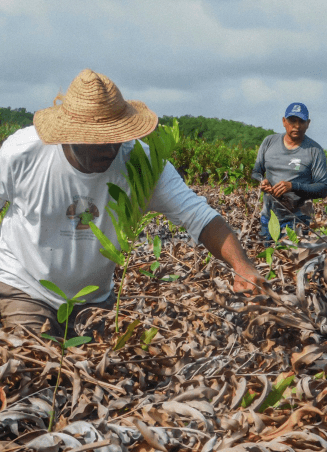
The Blue Carbon Project in the Gulf of Morrosquillo is a grouped initiative that aims to reduce greenhouse gas emissions through the improved management, restoration, and protection of these mangrove forests. Launched on 15 May 2015 with a 30-year timeline, the project targets an estimated reduction of 1,221,717 tCO2e. Its approach is centred on four strategic pillars: strengthening local governance, supporting alternative sustainable livelihoods, rehabilitating degraded mangrove areas, and implementing robust monitoring systems.


Project timeline
14 May 2045

Project End Date

30 Jan 2025

Monitoring report published

15 May 2015

Project Start Date

Benefits

At the heart of the Blue Carbon Project is its significant contribution to climate change mitigation. By protecting and restoring mangrove forests—one of the most effective natural carbon sinks—the project plays a critical role in reducing greenhouse gas emissions. Over its 30-year duration, it aims to avoid the release of more than 1.2 million tonnes of CO₂e into the atmosphere. These emissions reemovals are achieved through targeted activities like preventing deforestation, rehabilitating degraded mangrove areas, and implementing long-term forest management practices. By securing the carbon storage potential of these ecosystems, the project also strengthens regional resilience to climate impacts, such as rising sea levels and storm surges.

Benefits

At the heart of the Blue Carbon Project is its significant contribution to climate change mitigation. By protecting and restoring mangrove forests—one of the most effective natural carbon sinks—the project plays a critical role in reducing greenhouse gas emissions. Over its 30-year duration, it aims to avoid the release of more than 1.2 million tonnes of CO₂e into the atmosphere. These emissions reemovals are achieved through targeted activities like preventing deforestation, rehabilitating degraded mangrove areas, and implementing long-term forest management practices. By securing the carbon storage potential of these ecosystems, the project also strengthens regional resilience to climate impacts, such as rising sea levels and storm surges.

Benefits

At the heart of the Blue Carbon Project is its significant contribution to climate change mitigation. By protecting and restoring mangrove forests—one of the most effective natural carbon sinks—the project plays a critical role in reducing greenhouse gas emissions. Over its 30-year duration, it aims to avoid the release of more than 1.2 million tonnes of CO₂e into the atmosphere. These emissions reemovals are achieved through targeted activities like preventing deforestation, rehabilitating degraded mangrove areas, and implementing long-term forest management practices. By securing the carbon storage potential of these ecosystems, the project also strengthens regional resilience to climate impacts, such as rising sea levels and storm surges.

How do we rate this project?

The project creates sustainable income-generating opportunities for local communities, particularly through conservation work and alternative livelihoods that reduce reliance on extractive activities.
The project fosters job creation by employing local residents in mangrove monitoring, restoration, and community governance roles
By protecting high-carbon ecosystems like mangroves, the project contributes significantly to climate mitigation, avoiding over 1.2 million tonnes of CO₂e emissions over its lifetime.
The project protects vital marine-coastal interfaces, improving water quality and preserving breeding grounds essential for fish, crustaceans, and other aquatic life.
By conserving and restoring mangrove forests, the project supports terrestrial biodiversity and protects habitat for vulnerable species such as the West Indian manatee and needle caiman.

About

Status

Status:

Status:

Live

Supported since

Supported since:

Supported since:

2025

Type of project

Type of project:

Type of project:

Carbon Removal

SDGs supported

SDGs supported:

SDGs supported:

1

2

8

13

14

15

Fund this project

Funded directly through our Carbon Removal through Blue Carbon in our marketplace. Alternatively speak to a climate expert to support your wider climate action strategy.

In your 30-minute discovery call we can discuss your goals and get a tailored solution for your business, including developing an Oxford Principles aligned impact portfolio.

Status:

Status: