Carbon removal
Afforestation in Kenya
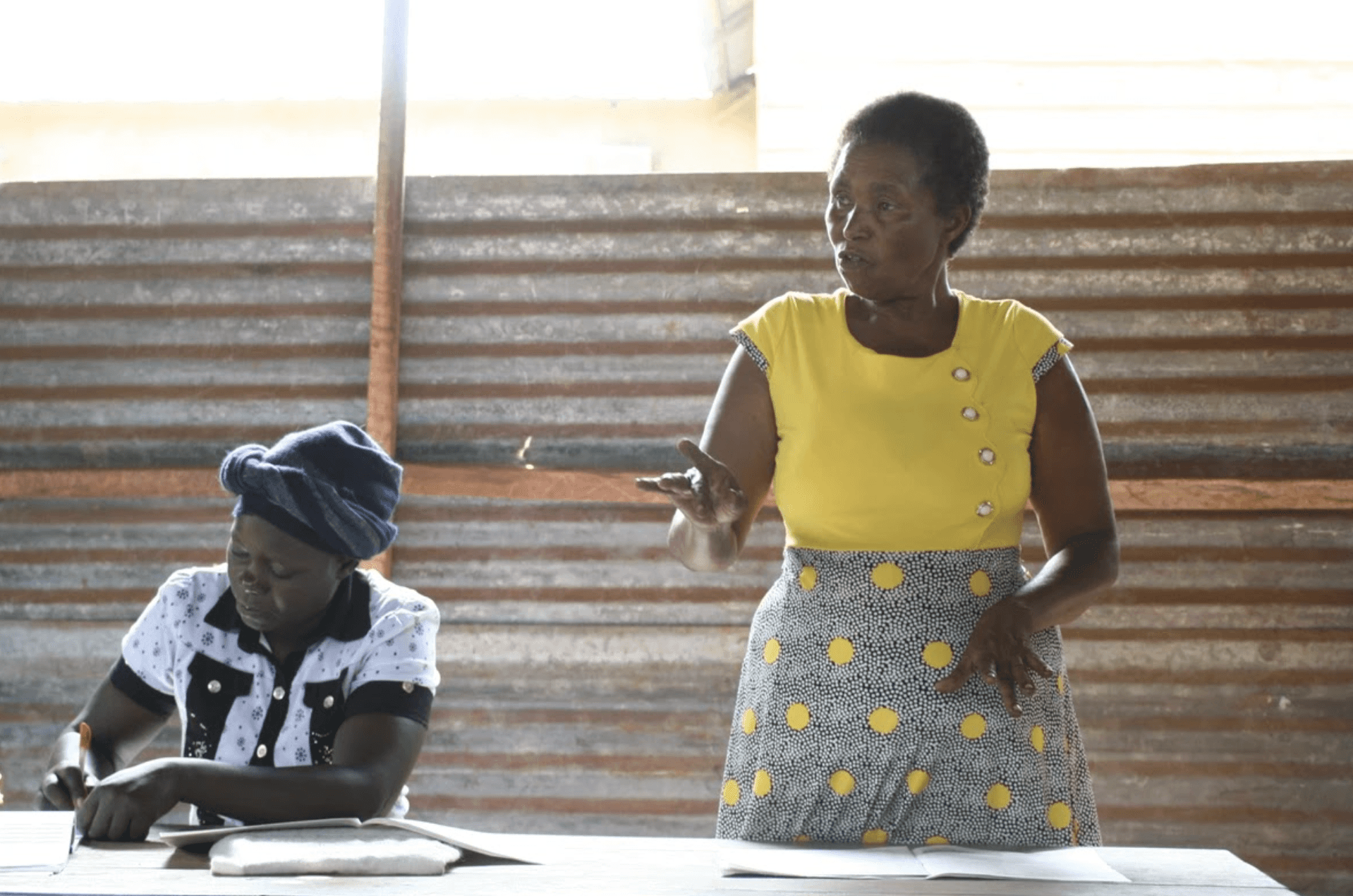
This afforestation project aims to incentivise groups of subsistence farmers in Kenya to plant trees on their land. Farmers will own the trees planted and their products. The tree planting programme will train and empower farmers and provide funding to help address challenges relating to agriculture, HIV/AIDS, and nutrition. The International Small Group and Tree Planting Program already supports over 64,000 subsistence farmers.
TIST Kenya 006 is an enormous grass-roots reforestation effort whose goal is to plant trees on 18,100 individual small farms in rural Kenya. In the 20th century, most of this region of Kenya was entirely deforested, and today only a few small patches of preserves exist.
The project correctly identifies that many unique and endangered species are at risk today due to a lack of forest cover in the region. The project plants a variety of tree species. A portion is commercial Eucalyptus, intended to be harvested and replanted as a source of income for farmers, but a majority are native species or food-bearing trees. Renoster strongly supports “bottom-up” projects like this. Community benefits are numerous in this project, and most importantly, small landowners are directly being paid for their contribution rather than a set of bureaucratic intermediaries. The program intends to pay farmers 70% of the credit revenue, and has so far been able to pay farmers on average over $9,800 each for their efforts.


TIST works to combat climate change through the sequestering of carbon in a direct, quantifiable way. Sequestration is accomplished through the planting and growing of trees and sequestering carbon by improving the quality of the soil. In addition to sequestering carbon, forests reduce the temperature of the air by evaporating water through their leaves and reduce the soil temperature by shading the ground.
TIST provides biodiversity benefits by adding indigenous tree, fruit trees, nut trees and canopy. TIST farmers are trained in biodiversity. TIST project areas provide linkage and buffers with high conservation value areas.
About
Live
2026
Afforestation
13
15
Impact partner
TIST is an innovative, time-tested afforestation program led by the participants. TIST Farmers are successfully counteracting the devastating effects of deforestation, erosion, famine, droughts and floods through an innovative solution: planting millions of trees.
Verifications

Verification: Verified Carbon Standard and Climate, Community and Biodiversity Standard