

Carbon avoidance
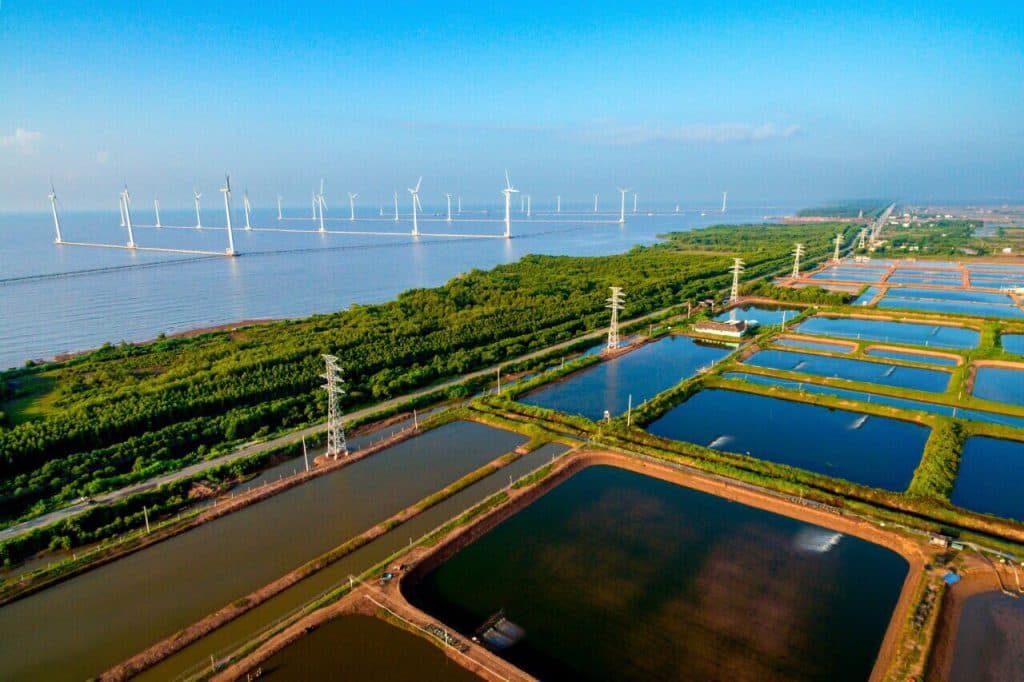
Wind power generation in Bac Lieu Province, Vietnam
Overview
Site
Benefits
Verification
What is renewable energy?
Sunlight, wind and flowing water generate electricity without burning fossil fuels. Renewable energy projects bring cleaner power to reduce emissions from electricity generation.
Project summary
Context
Demand for electricity in Vietnam has grown by an average of 10% each year over the past five years, and continues to grow in line with Vietnam’s rapid economic growth. This is resulting in demand outstripping supply in many areas, leading to power shortages across the country. 26% of Vietnam’s energy is currently generated from hydroelectric plants, but droughts, heavy rains, and earthquakes can all interfere with this method of energy generation, leading to electricity shortages.
In 2020, over half of Vietnam’s electricity was generated from coal. To reduce reliance on coal in line with the Glasgow Climate Pact, Vietnam needs to increase its renewable energy generation capacity. By 2030, Vietnam aims to be producing 30GW of electricity annually from wind power.
Projects such as this wind power plant in Bac Lieu Province will also help to pave the way for upgraded power transmission lines, which will increase both Vietnam’s ability to switch to renewable energy sources, and the local availability of electricity, helping to prevent power shortages in the future.
Project
This project will generate 320,000 MWh of renewable electricity every year and feed it into Vietnam’s national grid, helping to bridge the gap between supply and demand that currently exists.
By replacing electricity generated from fossil fuel fired power plants with electricity generated using wind power, this project will prevent around 143,000 tonnes of CO2 from being emitted into the atmosphere every year.
This project has already employed over 100 people who operate the wind power plant. It also supports the local community by funding social events, contributing to local charities that improve services for local people, and has planted 24,800 trees to promote regional biodiversity.
Verification
This project is verified by the Gold Standard. You can view it on the Gold Standard registry here.

Climate Solution #22
Offshore wind turbines
Winds over sea are more consistent than those over land. Offshore wind turbines tap into that power to generate utility-scale electricity without emissions.
Wind energy is at the crest of initiatives to address global warming in the coming three decades. Investment in offshore wind was $29.9 billion in 2016, 40 percent greater than the prior year.
The wind industry is marked by a proliferation of turbines, dropping costs, and heightened performance. In many locales, wind is either competitive with or less expensive than coal-generated electricity—and it has no fuel costs and no pollution. Yet, not-in-my-backyard sentiment remains an obstacle in many places.
The variable nature of wind means there are times when turbines are not turning. Wind energy, like other sources of energy, is part of a system. Investment in 24-7 renewables such as geothermal, energy storage, transmission infrastructure, and distributed generation is essential to its growth.
Photos
Locations
Bac Lieu Province, Vietnam
Benefits
SDGs supported


Verification
These partners help deliver the project and verify its impact.
Verifiers

Gold standard
This project is verified by the Gold Standard.