

Carbon avoidance
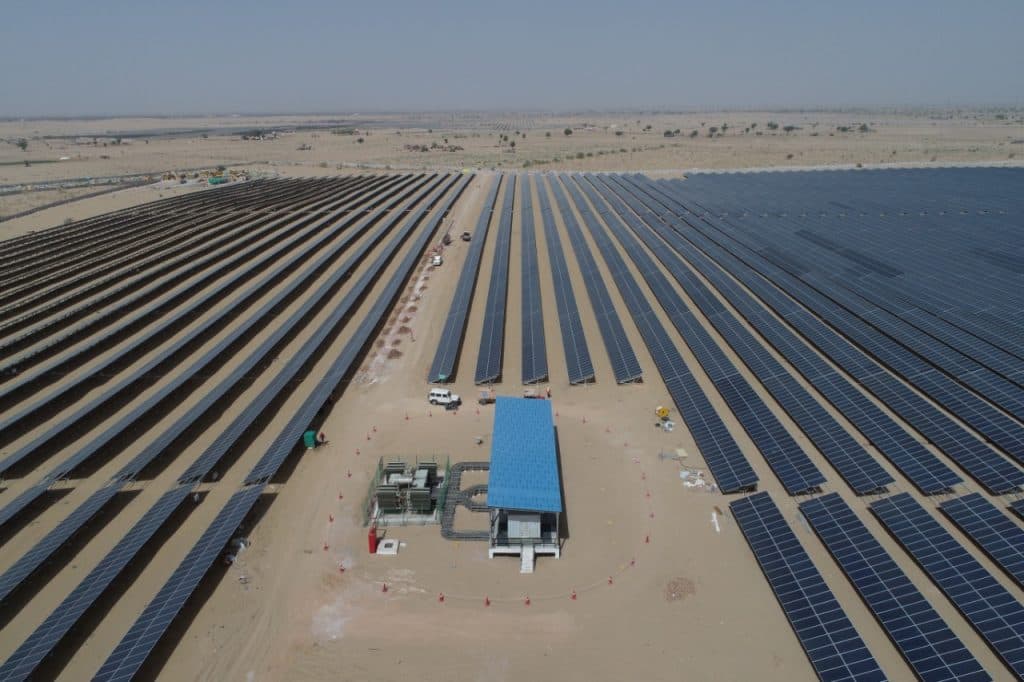
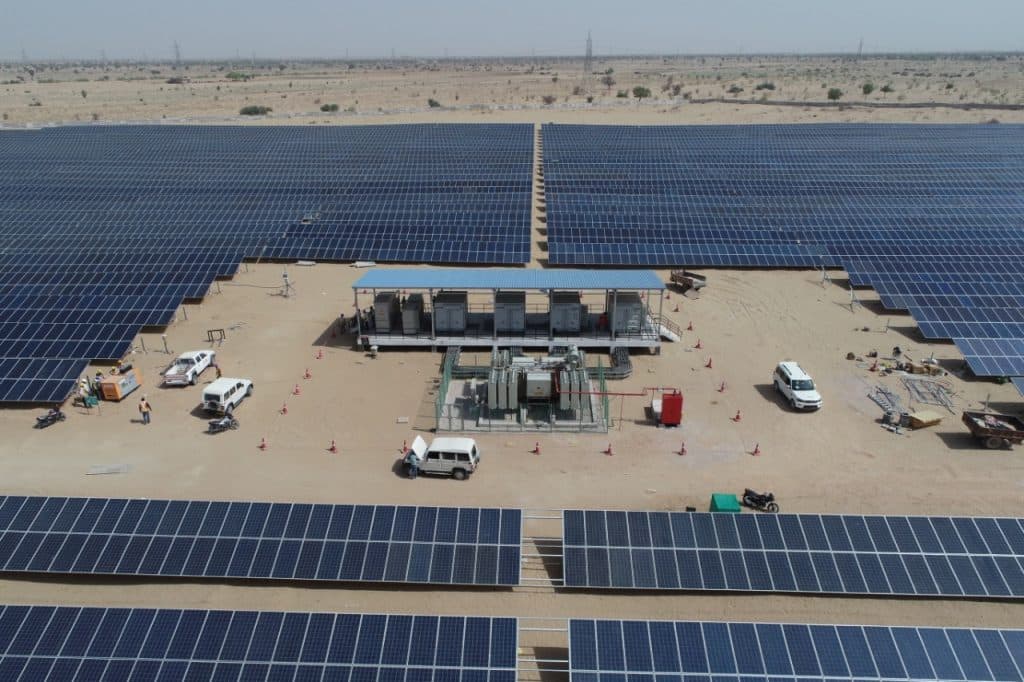
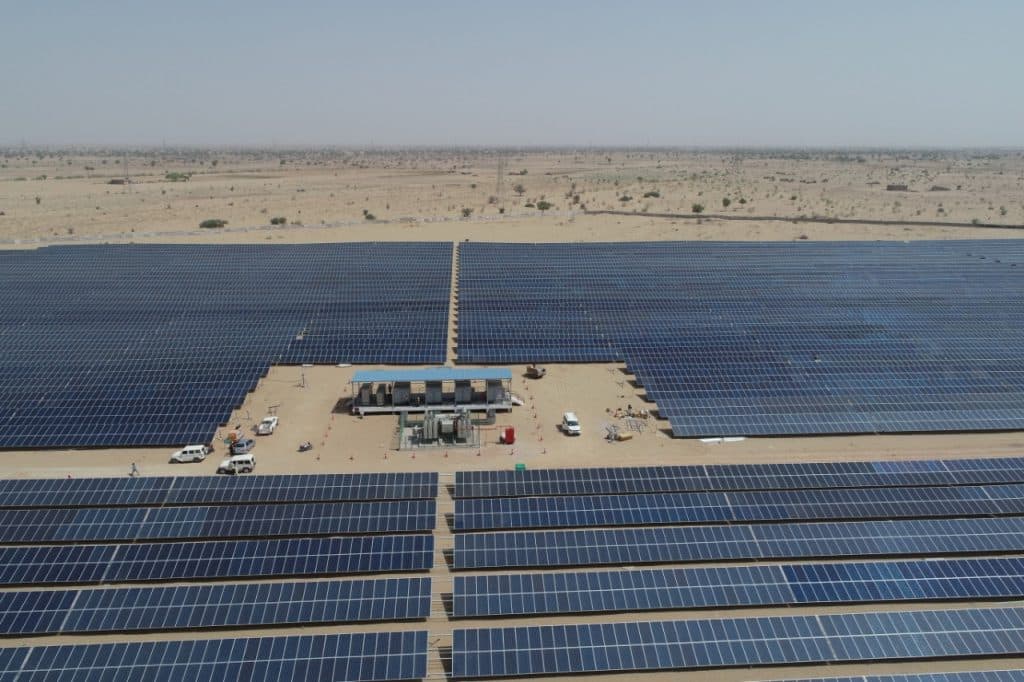
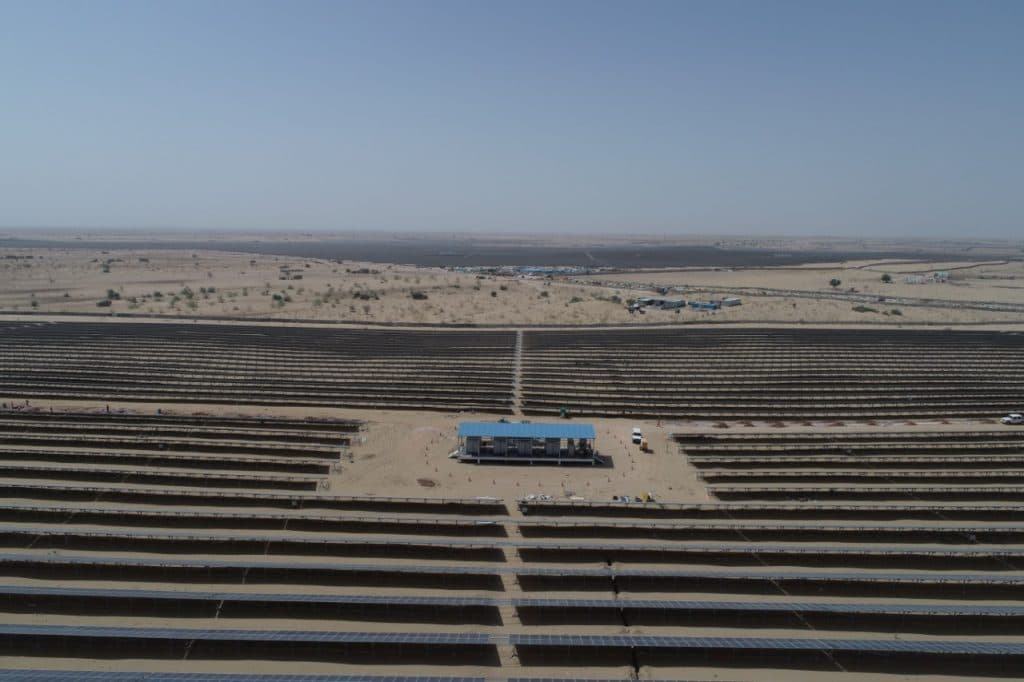
Solar power plant in Bhadla, Rajasthan, India
Overview
Site
Benefits
Verification
What is renewable energy?
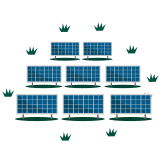
Sunlight, wind and flowing water generate electricity without burning fossil fuels. Renewable energy projects bring cleaner power to reduce emissions from electricity generation.
Project summary
Context
Rajasthan is a state in northern India. It covers an area of 324,239 square kilometres, making it the largest Indian state by area. It is home to 69 million people, of whom 10 million are categorised by the World Bank as poor. The state has made tremendous progress in poverty reduction, however some areas have yet to benefit.
At the same time, India’s energy needs are rapidly increasing, with growth in electricity and energy demand among the highest in the world. Although there has been progress in renewable energy generation, 74% of electricity in India still comes from coal. There needs to be a rapid transition towards clean energy, of which solar is particularly important in India, which has the third-largest solar market in the world.
Project
The purpose of this project is the development of a 400MW solar power plant at Bhadla, Rajasthan. This plant will generate electricity by utilizing clean solar energy and sell it to the national grid. It is estimated to produce 732,874 MWh per year.
The NEWNE power grid in India is dominated by coal-fired thermal power plants. The project activity therefore displaces electricity that would otherwise be generated by fossil fuels and thus leads to greenhouse gas emission reductions of 694,471 tonnes of CO2e per year.
The project also has objectives to connect below-poverty-line households in the area to the grid, and ensure uninterrupted electricity for the families that live in the local area. It also runs a large outreach and community program which include: the upgrading of school infrastructure and basic amenities of students for 19 schools in the local area; the provision of computer and health and hygiene classes; and clothing donations.
Verification
This project is verified by the Gold Standard. You can view it on the Gold Standard registry here.

Climate Solution #8
Utility-scale solar photovoltaics
The sun provides a virtually unlimited, clean, and free fuel at a price that never changes. Solar farms take advantage of that resource, with large-scale arrays of hundreds, thousands, or in some cases millions of photovoltaic (PV) panels. They operate at a utility scale like conventional power plants in the amount of electricity they produce, but dramatically differ in their emissions.
In many parts of the world, solar PV is now cost competitive with or less costly than conventional power generation. In tandem with other renewables and enabled by better grids and energy storage, solar farms are ushering in the clean energy revolution.
The significant increase of the solution use could avoid 44-119 gigatons of greenhouse gases emissions depending on the climate mitigation ambition and electrification of demand side sectors.
Photos
Locations
Bhadla, Rajasthan, India
Benefits
SDGs supported


Verification
These partners help deliver the project and verify its impact.
Verifiers

Gold standard
This project is verified by the Gold Standard.