

Carbon avoidance
Protecting and restoring the Pacific Coast of Colombia
Overview
Site
Benefits
Verification
What is forest protection?
Forest protection projects reduce emissions from deforestation, forest degradation, sustainable forest management, and carbon stock conservation. Developing countries can also earn results-based payments for emission reductions through these activities.
Project summary
Context
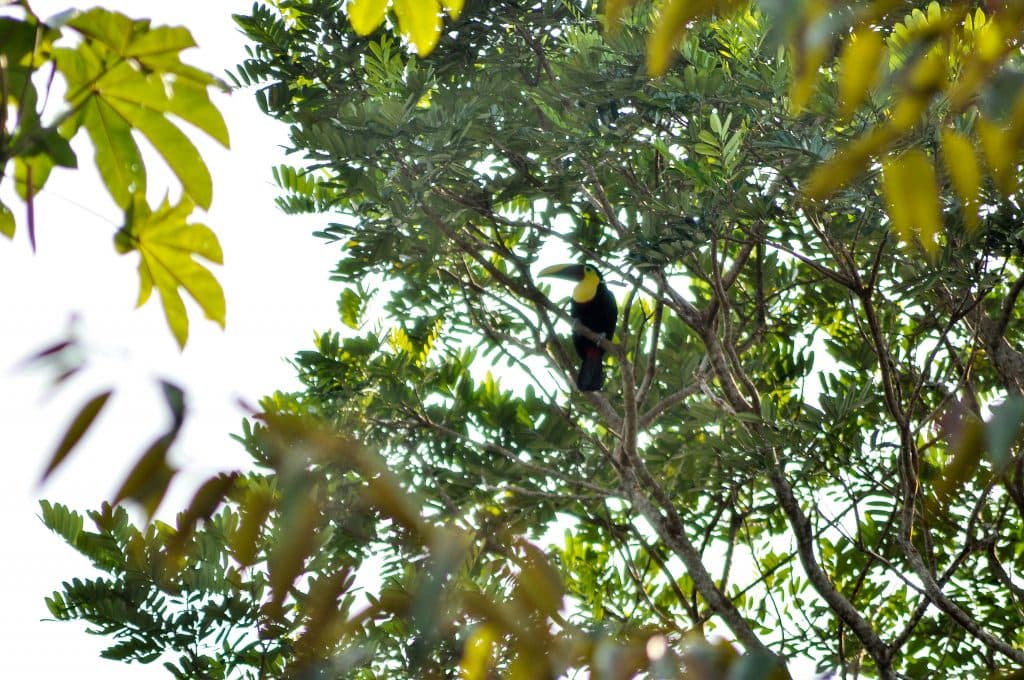
Colombia is renowned for its richness in biodiversity; accounting for an estimated 10% of the world’s flora and faunal species. It is one of only 12 countries globally that are considered megadiverse. The Pacific Region of Colombia alone provides a home to 831 bird species, 195 amphibians, 167 mammals, 210 reptiles and 5,124 plant species.
However the forests in this region have experienced a continued reduction in biomass, due largely to illegal logging. These forests have historically been an important source of income for local families, who periodically harvest timber when the economic need arises.
Project
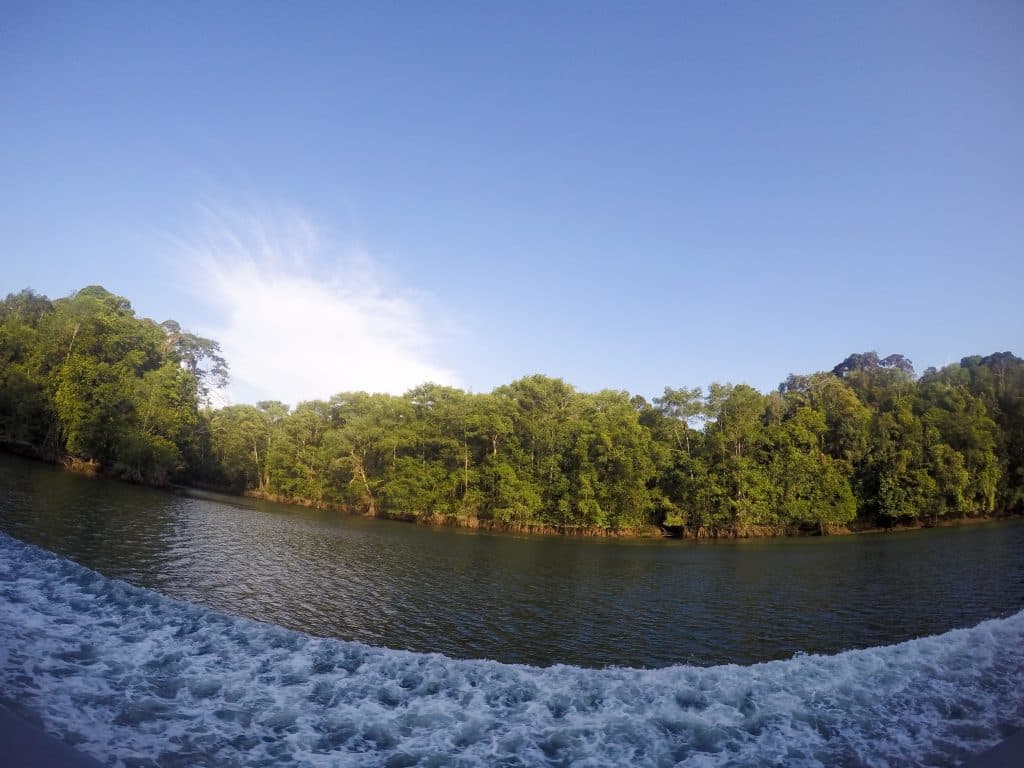
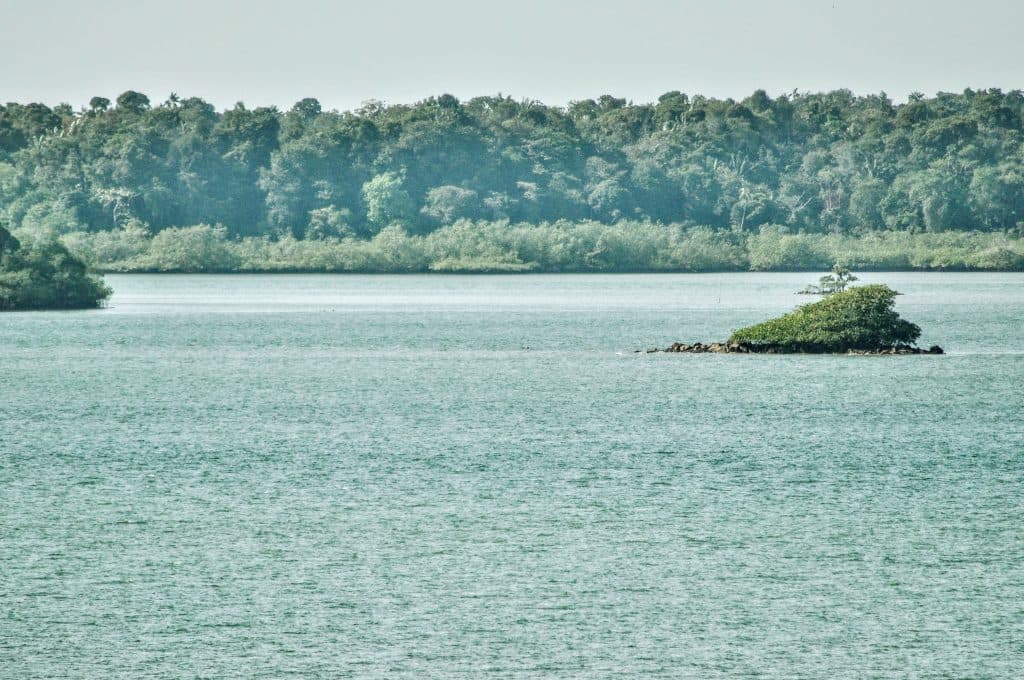
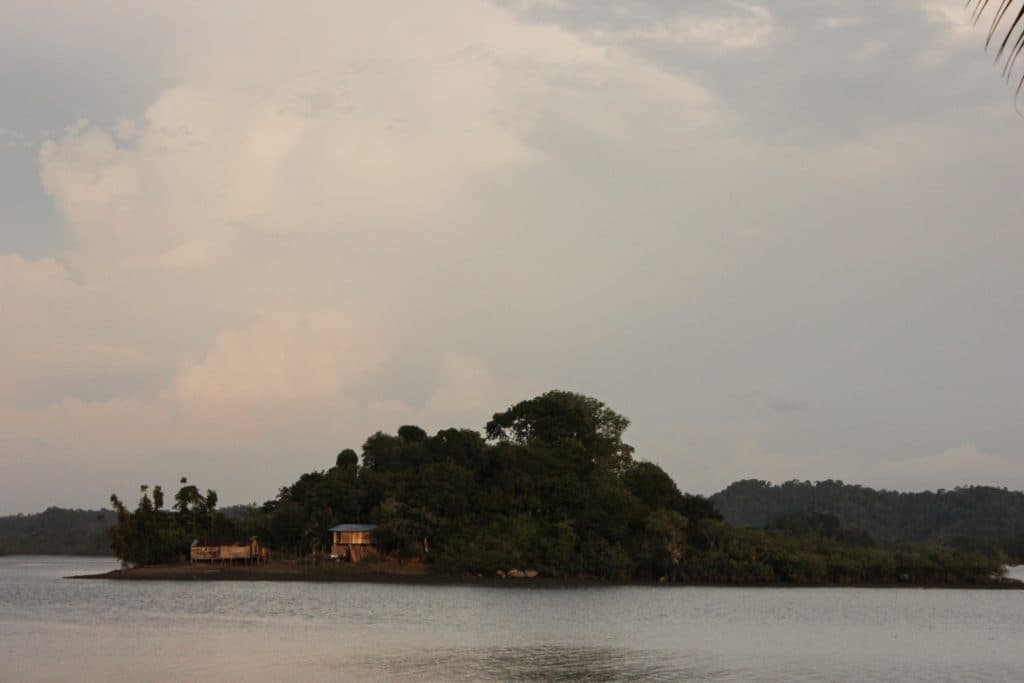
This REDD+ avoided deforestation project is based within the biologically diverse Chocó-Darién bioregion. It sets out to address the issue of deforestation and illegal logging at a local level, and to protect and restore 83,452 hectares of land.
The project’s objectives are threefold: to mitigate climate change by reducing deforestation and forest degradation; to contribute to biodiversity conservation; and to foster sustainable development of local communities.
Measures to alleviate the drivers of deforestation and forest degradation include support of governance capacity (including individual property titling, land-use planning and conservation zone demarcation), the generation of alternative economic activities and income sources, and through capacity building in administration and management. The resultant decrease in illegal logging, the recovery of already degraded forests and the reduction of conversion to other land uses is expected to decrease emissions and enhance forest carbon stocks over time.
The project will also help local communities by promoting alternative, sustainable sources of revenue and by investing in social structures such as development planning, water treatment and health care.
Due to annual rainfall and the topographic diversity, the project area is incredibly biodiverse. This project activity will contribute to conservation of the region’s rich biodiversity, through long-term improvements to the extent and connectivity of natural forest cover.
Verification
This project is verified by the Verified Carbon Standard and the Climate, Community & Biodiversity Standards. You can view it on the Verra Registry here. The project is also monitored by our partners, Pachama, and you can see its impact monitoring here.

Climate Solution #5
Tropical forest restoration
In recent decades, tropical forests have suffered extensive clearing, fragmentation, degradation, and depletion of biodiversity. Once blanketing 12% of the world’s landmass, they now cover just 5%. Restoring these forests will restore their function as carbon sinks. While destruction continues in many places, tropical forest restoration is growing and may sequester as much as six gigatons of carbon dioxide per year.
As a forest ecosystem recovers, trees, soil, leaf litter, and other vegetation absorb and hold carbon. As flora and fauna return and interactions between organisms and species revive, the forest regains its multidimensional roles: supporting the water cycle, conserving soil, protecting habitat and pollinators, providing food, medicine, and fibre, and giving people places to live, adventure, and worship.
Photos
Locations
Buenaventura, Colombia
Benefits
SDGs supported


Verification
These partners help deliver the project and verify its impact.
Verifiers

Verified Carbon Standard
The Verified Carbon Standard (VCS) Program is the world's most widely used greenhouse gas (GHG) crediting program.
Climate, Community and Biodiversity Standard
Projects developed under the CCB Program must follow a rigorous assessment process to be certified. The CCB Standards are managed by Verra but were developed through a multi-stakeholder process by the Climate, Community & Biodiversity Alliance, a partnership of CARE, Conservation International, The Nature Conservancy, the Rainforest Alliance and the Wildlife Conservation Society.