

Carbon avoidance
Capturing methane to reduce emissions and generate energy in India

Overview
Site
Benefits
Verification
What is greenhouse gas capture?
Landfill waste releases methane, a greenhouse gas at least 28 times stronger than CO2. Landfill gas projects capture it at the source, avoiding emissions by burning it or converting it into energy.
Project summary
Context
The agricultural sector is particularly important in India, with well over half of the population generating an income from agriculture. However, many agricultural processes generate methane (CH4), a potent greenhouse gas.
At the same time, India’s energy needs are rising fast, with growth in electricity demand and other energy uses among the highest in the world. Currently rural India largely relies on coal power plants, which not only emit CO2 but also contaminate local water sources and cause long term health issues for employees.
Project
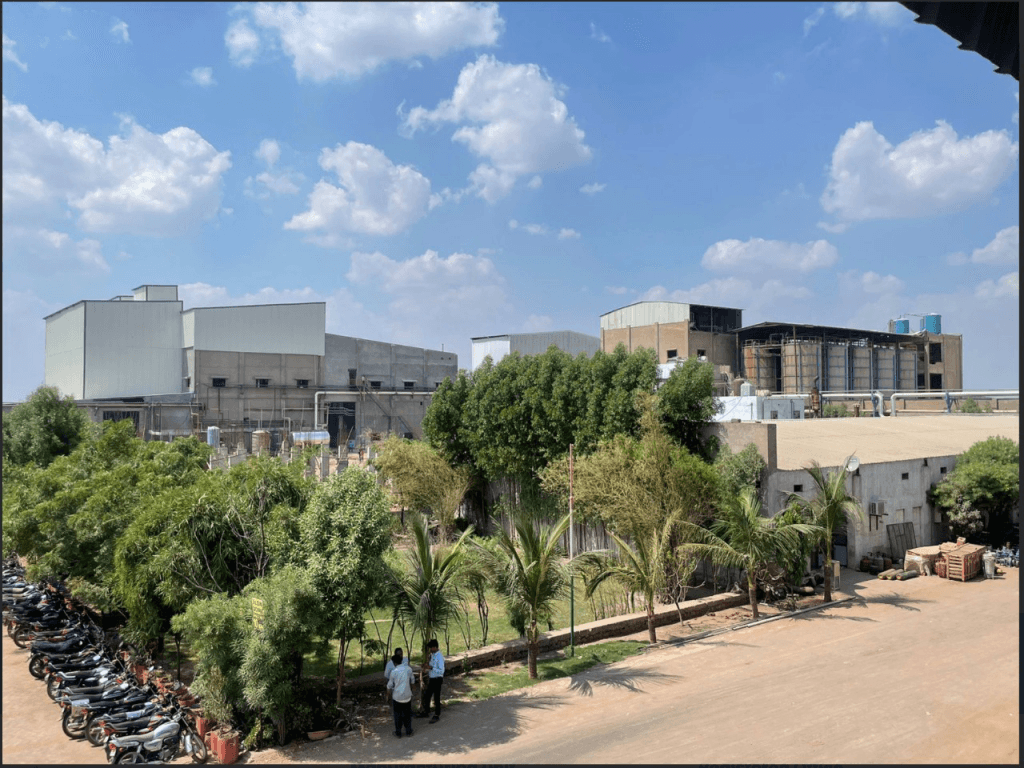
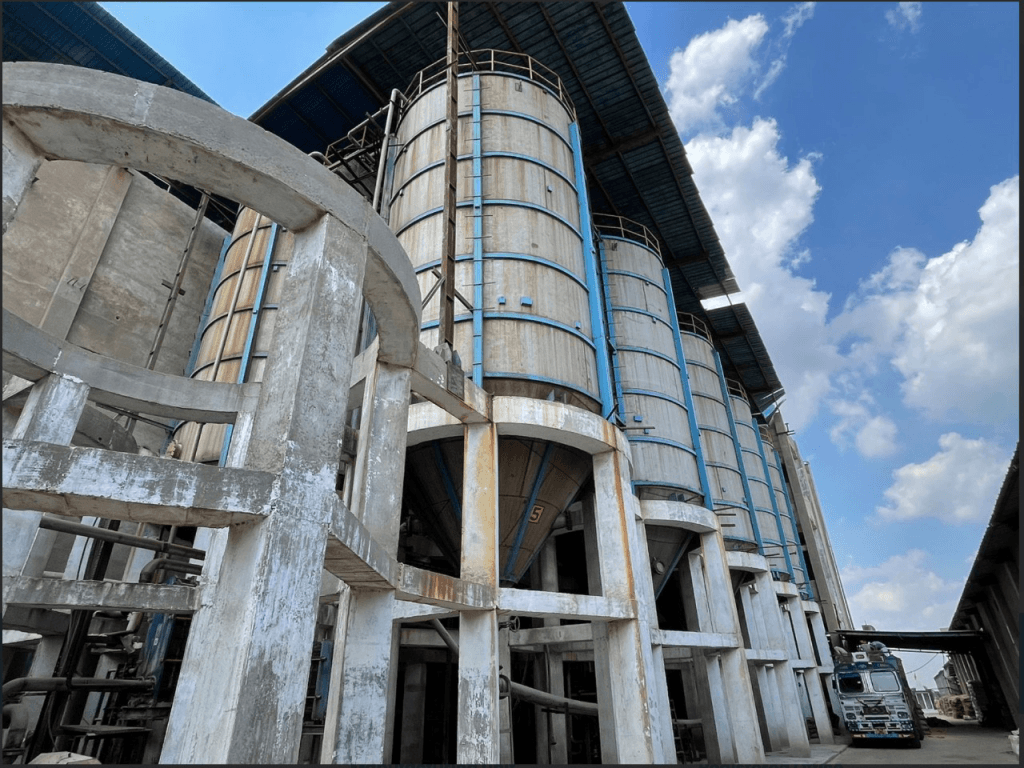
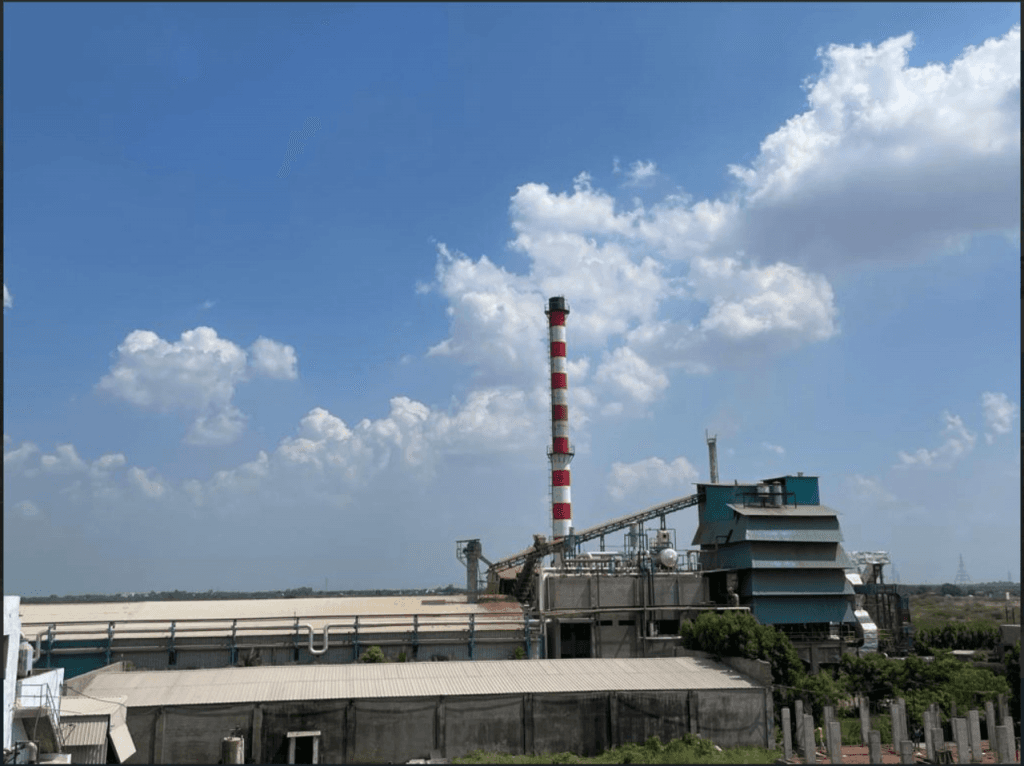
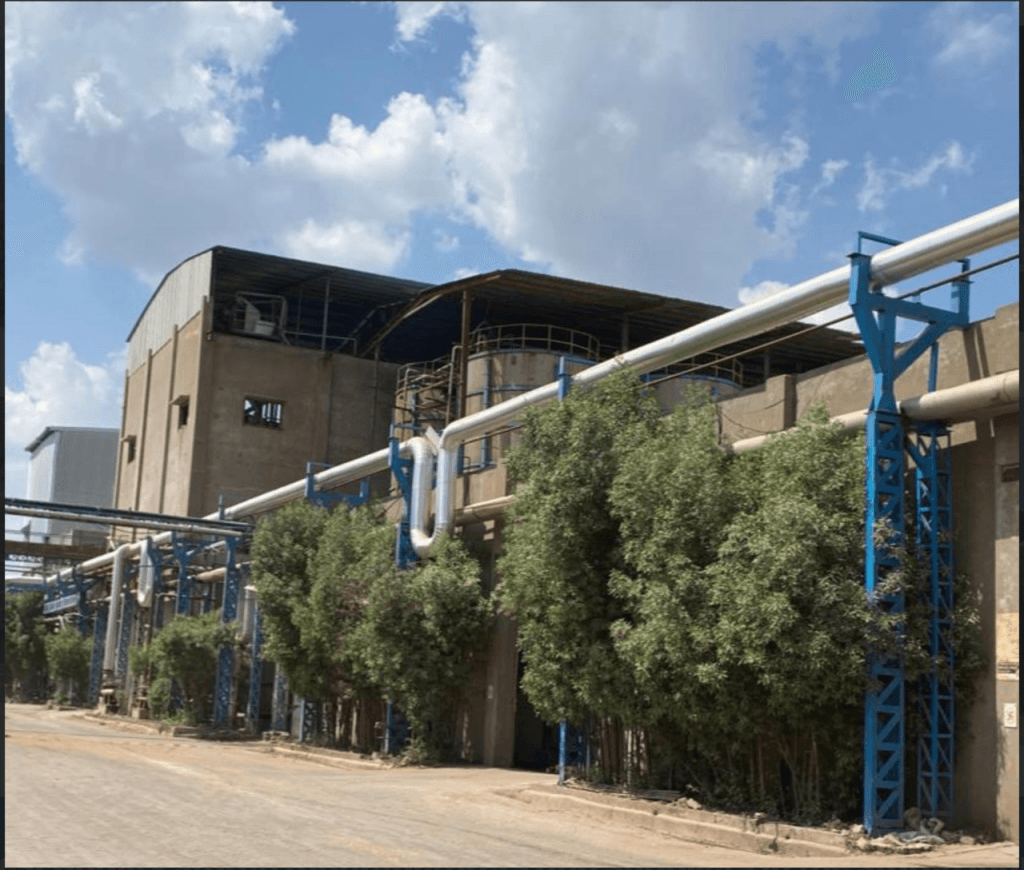
This project involves the treatment of effluent which is generated during the production of starch from maize. The anaerobic system converts the organic matter into methane-rich biogas, which is then captured for the generation of electricity.
In the absence of projects like this, wastewater effluent often is left in open lagoons, where methane freely escapes into the atmosphere, exacerbating the greenhouse effect. By capturing the methane, the project is able to prevent these emissions and also use the captured biogas to generate electricity.
Verification
This project is verified by the Verified Carbon Standard. You can view it on the Gold Standard registry here.

Climate solution #34
Methane digesters
Agricultural, industrial, and human digestion create organic wastes that emit methane, a powerful greenhouse gas, as they decompose.
Project Drawdown defines our Methane Digesters solution as the use of systems associated with agriculture, manure, and wastewater facilities that produce biogas to be used for electricity generation in dedicated biogas or combined heat and power plants. This solution replaces conventional electricity-generating technologies such as coal, oil, and natural gas power plants.
Large digesters can be installed at dairy and hog farms, wastewater facilities, and landfills to produce electricity and heat for use on site, or to provide electricity or gas to the grid.
Photos from the project
Locations
Gujurat, India
Benefits
SDGs supported


Verification
These partners help deliver the project and verify its impact.
Verifiers

Verified Carbon Standard
The Verified Carbon Standard (VCS) Program is the world's most widely used greenhouse gas (GHG) crediting program.