

Carbon avoidance
High efficiency cookstoves in India
Overview
Site
Benefits
Verification
Context
– António Guterres, UN Secretary General
In many countries around the world, burning non-renewable biomass is the most common source of heat for cooking. An estimated 50% to 60% of households in rural India still cook using traditional biomass stoves and open fires. Often, the stoves used to burn this biomass are not efficient enough to make the best use of the fuel available, leading to high levels of unsustainable deforestation.
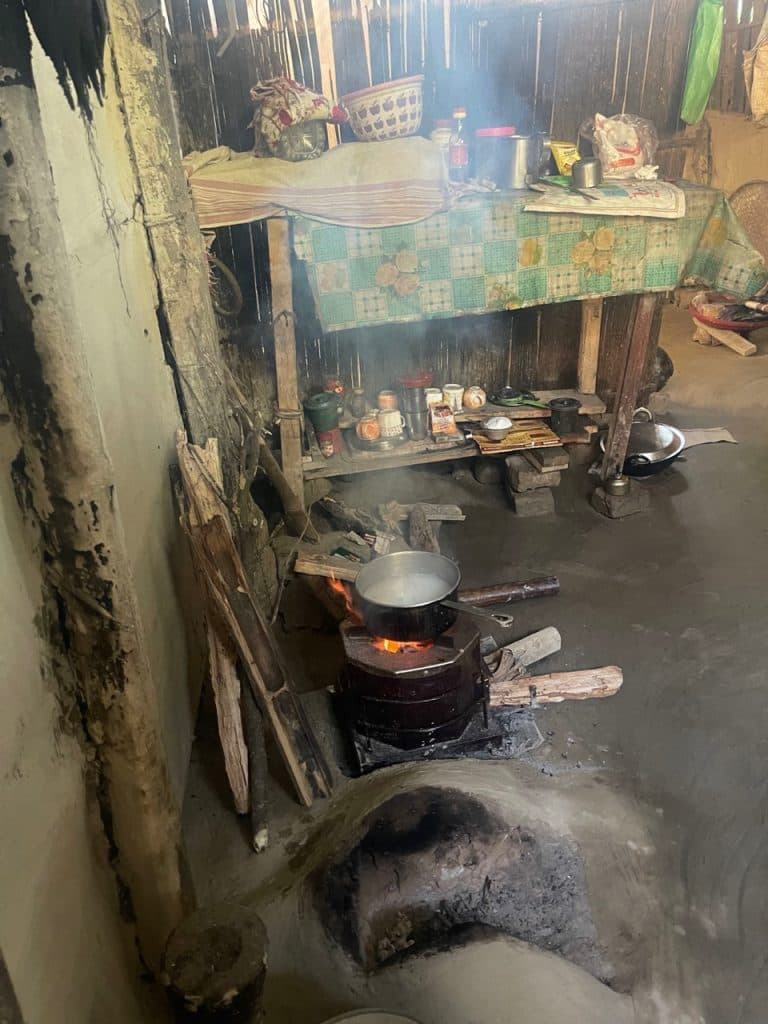
Burning more biomass than is essential produces even more greenhouse gas emissions, contributing to climate change. Not only are these emissions bad for the planet, they’re also detrimental to the health of the people nearby, producing air pollution within the home that compromises respiratory health. Studies show that improved cookstoves are associated with reductions in adverse respiratory health outcomes evidenced by their association with reduced Household Air Pollution (HAP) levels, significantly decreased kitchen levels of particulate matter (PM) pollutants, and reduced indoor carbon monoxide (CO) levels.
It is important to note that fuel efficient cookstoves provide a social benefit due to the fact that much of the fuel required for traditional wood-burning stoves in rural areas is not purchased but instead collected by women and children in low- and middle-income countries like India. This places a disproportionate burden on women and girls, who could otherwise spend their time, energy, and resources in areas such as eduction, employment, or recreation.
There is a compelling need to reduce the environmental and social burdens caused by inefficient biomass cooking by introducing energy efficient wood and charcoal stoves to low- income households. At the moment, there are no laws and regulations governing the use of improved cookstoves for households in India. This means that fuel efficient cookstove initiatives are actively working to provide a more progressive approach to household cooking that is overall both better for the planet and its people.
Project
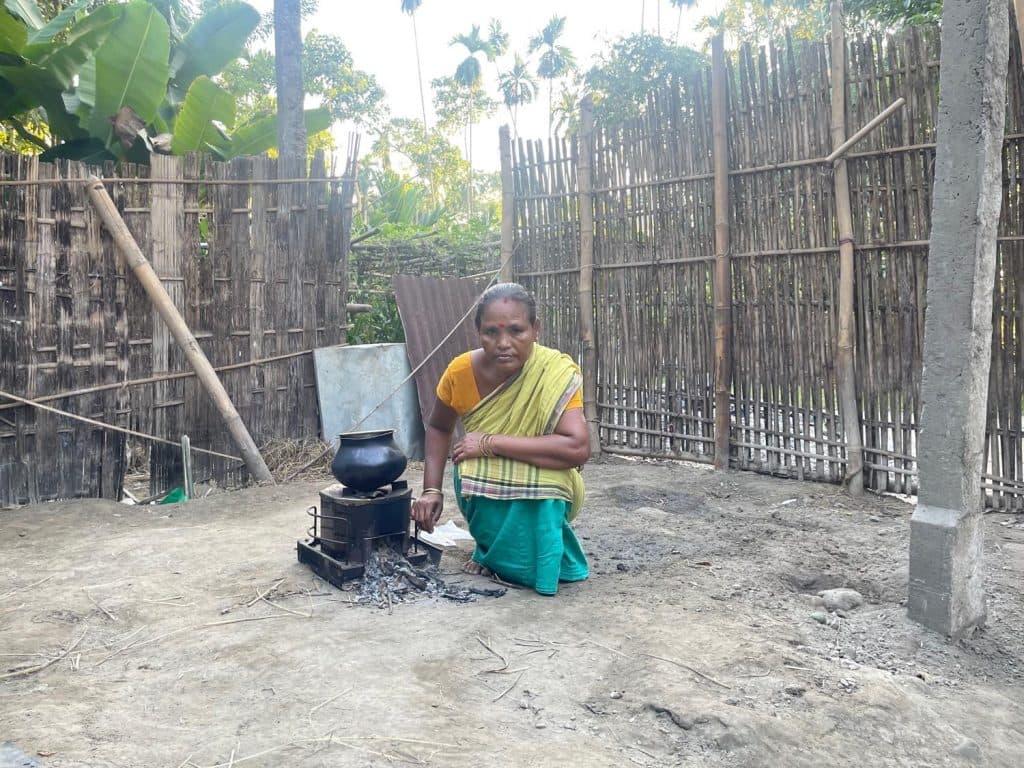
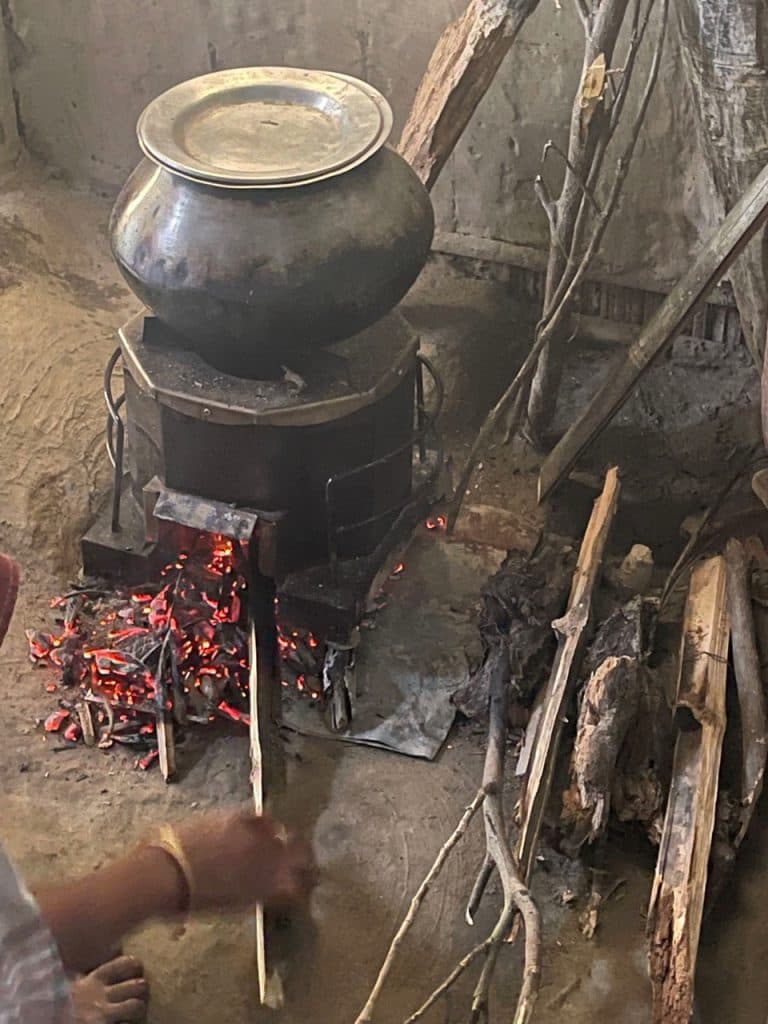
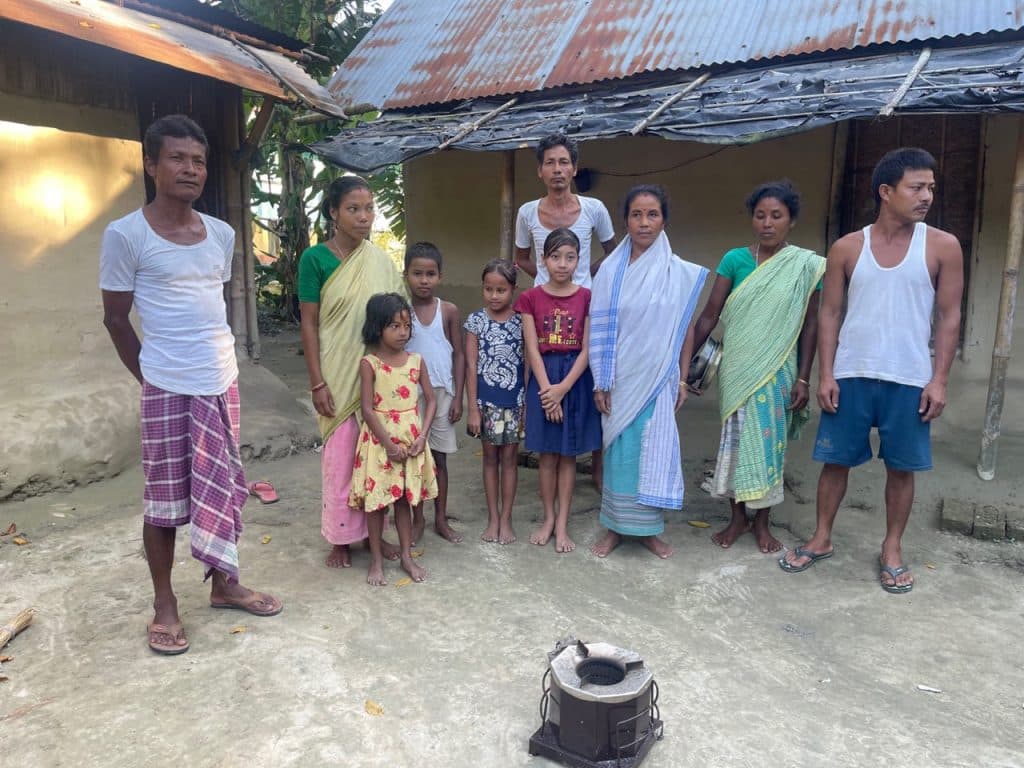
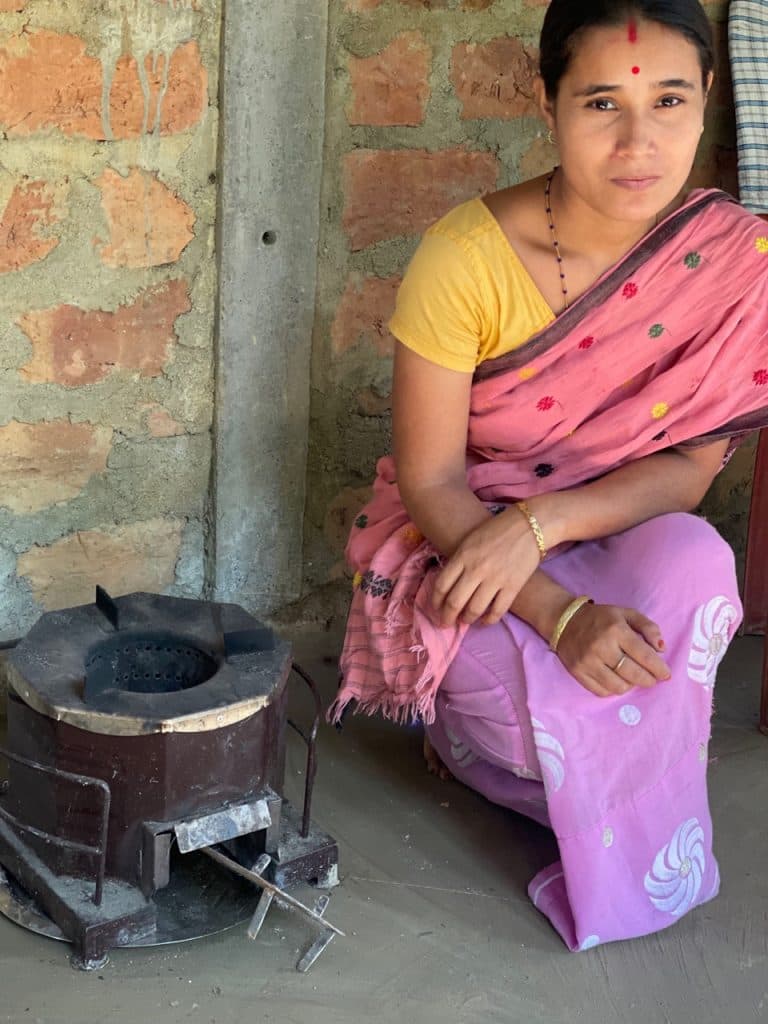
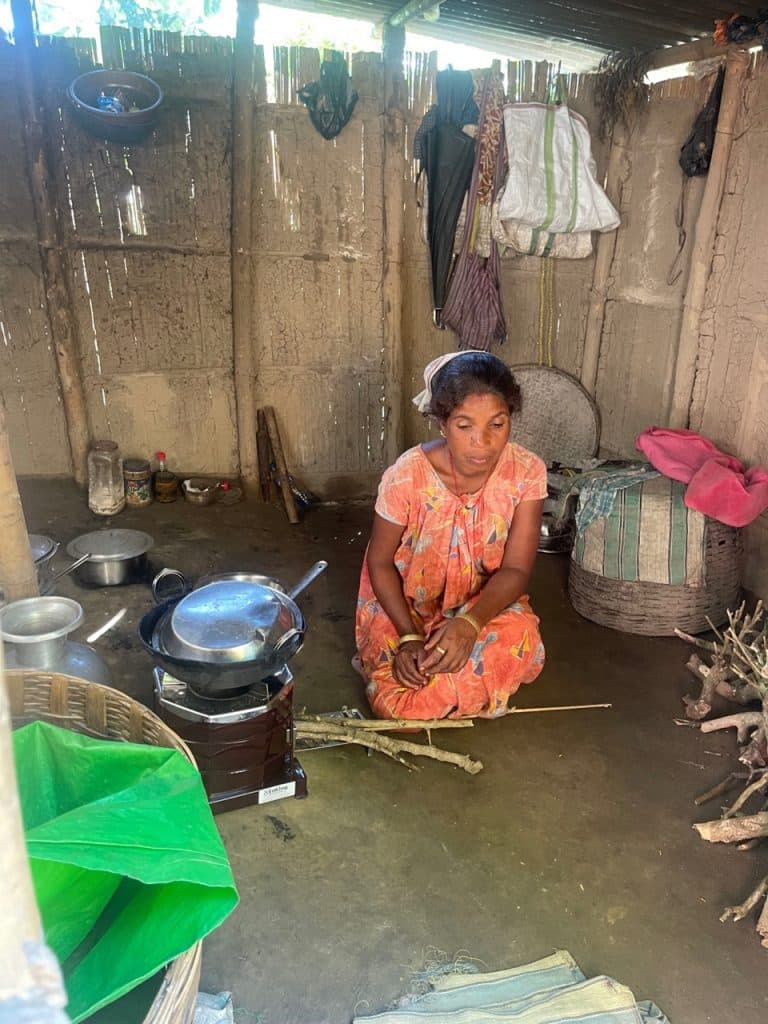
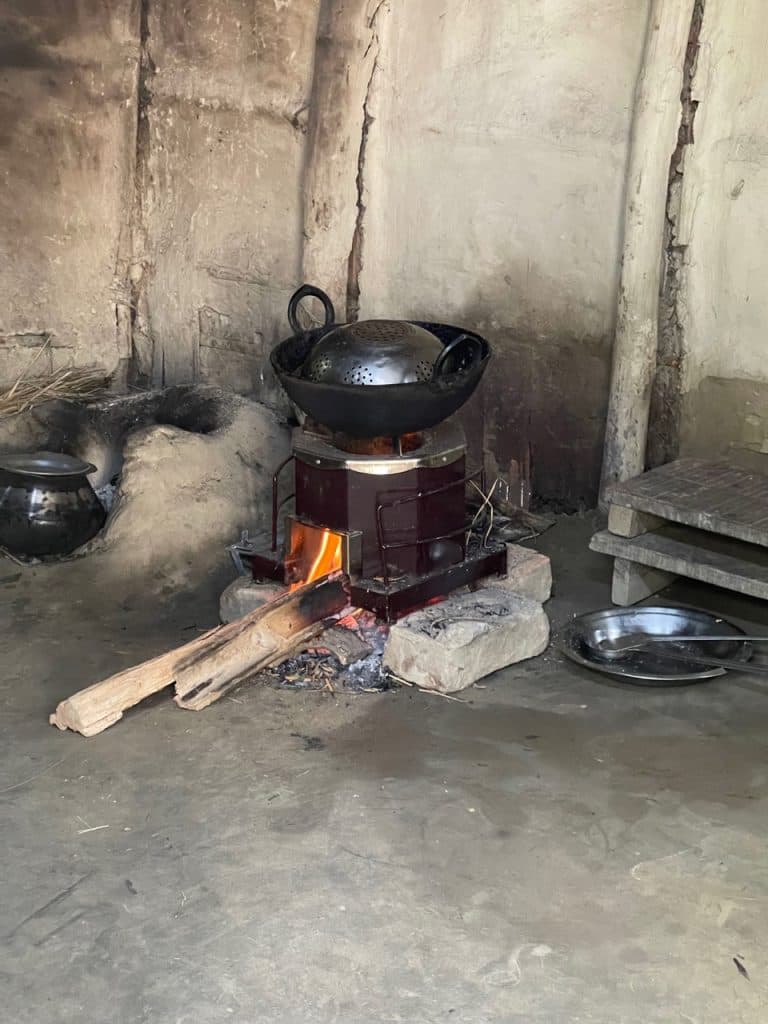
The project activity includes distribution of fuel efficient improved cookstoves amongst beneficiaries in the rural area of Assam in India, which normally use traditional cookstoves for cooking. The implementation of the project activity results in the reduction of firewood consumption (through facilitation of fuel efficient combustion), improves indoor air quality (by reducing emission smoke and soot from inefficient firewood consumption), and contributes to conserving forest and associated biodiversity. The project substantially reduces wood fuel consumption compared with a less efficient or three-stone fire or traditional pot support and enables women and children to spend less time collecting firewood.
The distribution and installation of high thermal efficient improved cook stoves (ICS) has been undertaken across 35,045 households. As the target populations are unable to afford these stoves, project promoters have distributed ICS free of cost. Over 35,000 ICS have been distributed so far to individuals who have agreed to take part in the project and legally own the cookstove.
The project activity is likely to result in annual emissions reductions of 211,856 tCO2e per year over its lifespan of seven years. According to the project documentation, the average lifetime of the supplied cookstove is 7 years.
To learn more about clean cookstoves as a project type in the voluntary carbon market, see here.
Verification
This project is verified by the Verified Carbon Standard and Verra’s Sustainable Development Verified Impact Standard (SD VISta). You can view it on the Verra Registry here.


Climate solution
Improved clean cookstoves
Improved clean cookstoves can address the pollution from burning wood or biomass in traditional stoves. Using various technologies, they reduce emissions and protect human health.
Around the world, 3 billion people cook over open fires or on rudimentary stoves. As these burn, often inside homes or in areas with limited ventilation, they release plumes of smoke and soot liable for 4.3 million premature deaths each year. Traditional cooking practices also produce 2 to 5 percent of annual greenhouse gas emissions worldwide.
A wide range of “improved” cookstove technologies exists, with a wide range of impacts on emissions. Advanced biomass stoves are the most promising. By forcing gases and smoke from incomplete combustion back into the stove’s flame, some cut emissions by an incredible 95 percent.
Photos
Locations
India
Benefits
Sustainable development goals
These Sustainable Development Goals show the wider outcomes this project supports beyond its headline impact.


Verification
These partners help deliver the project and verify its impact.
Verifier

Verified Carbon Standard
The Verified Carbon Standard (VCS) Program is the world's most widely used greenhouse gas (GHG) crediting program.