

Carbon avoidance
Cleaner cookstoves in Zambia and Ghana
Overview
Site
Benefits
Verification
What are community projects?
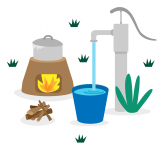
Community projects bring climate action into everyday life, through changes such as more efficient cooking and better access to clean water. Using less fuel helps reduce emissions and pressure on surrounding forests. Depending on the project, it can also mean cleaner air at home and less time spent collecting firewood.
Project summary
Context
Rudimentary stoves, used for cooking, produce several greenhouse gases through the combustion of non-renewable biomass. These emissions are damaging to the climate, and also greatly increase levels of household air pollution which causes health conditions in the population – particularly affecting women and children.
Ghana is the largest per-capita consumer of charcoal in West Africa, and charcoal is often used as biomass fuel for household cookstoves. There are alternatives such as gas stoves – but these are often too expensive to make the switch accessible to many families.
Traditionally, the majority of Zambian families cook on an open fire, utilising the ‘three rocks’ method for heating pots to cook meals. In this case, the non-renewable biomass used is wood fuel.
As well as the climate and health implications of these cookstoves, using large quantities of charcoal and wood as fuel cooking stoves causes deforestation and desertification when these fuel sources are collected from nearby.
Projects
Ecologi are supporting two cookstoves projects concurrently: the Toyola project in Ghana, and the 3 Rocks project in Zambia, to help reduce greenhouse gas emissions and support local families.
Toyola
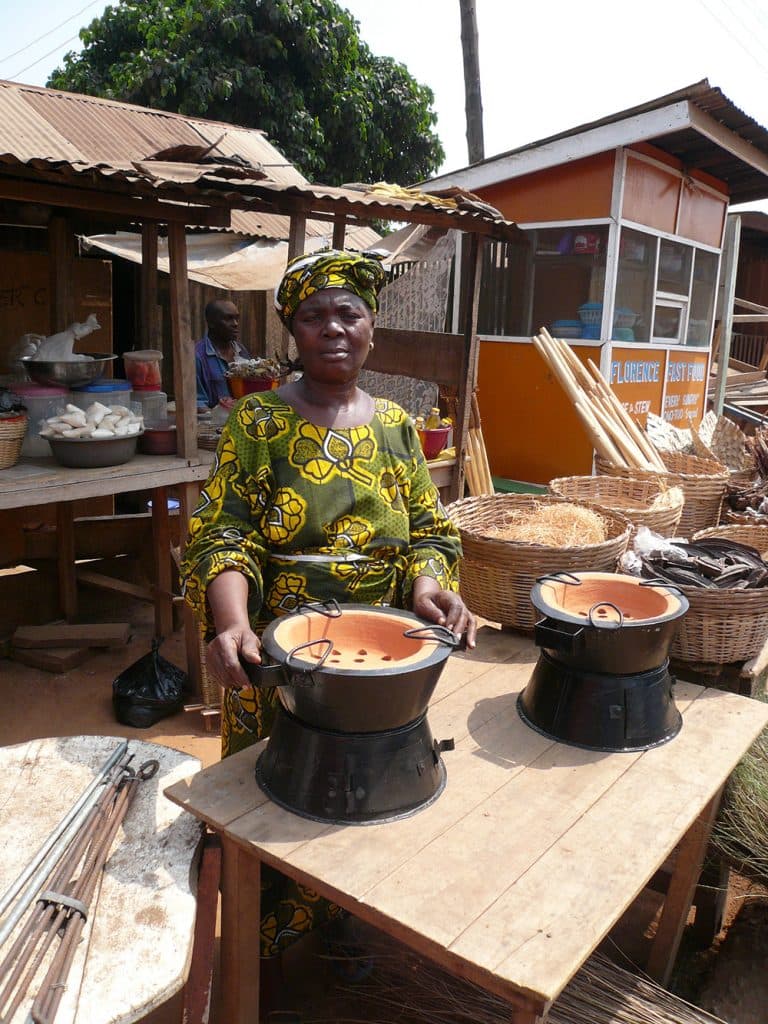
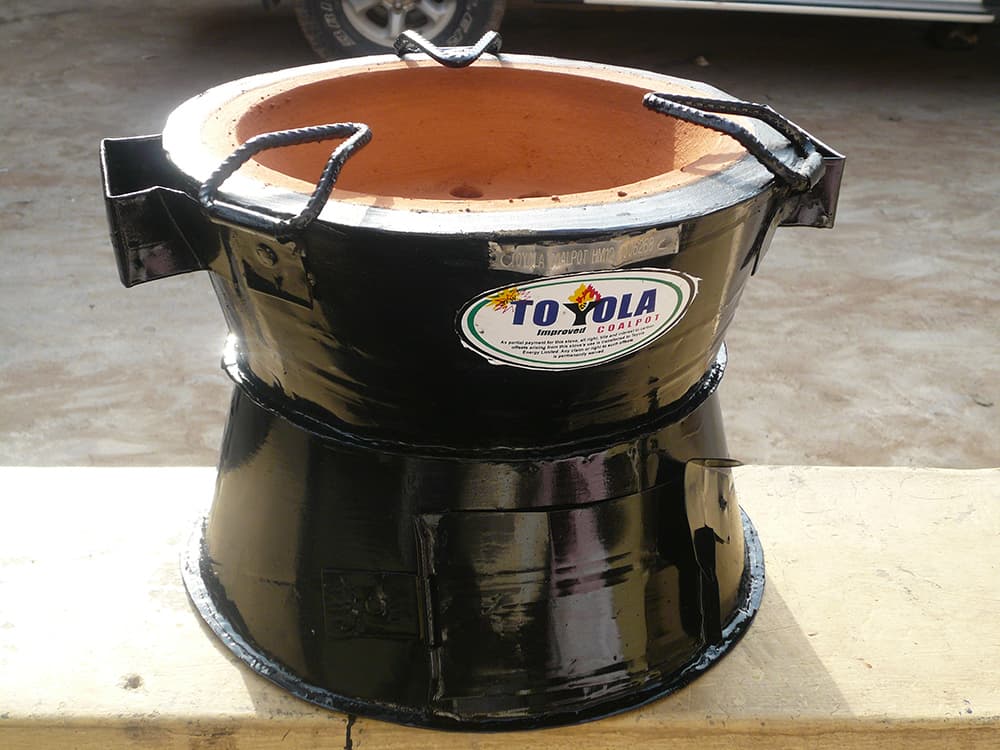
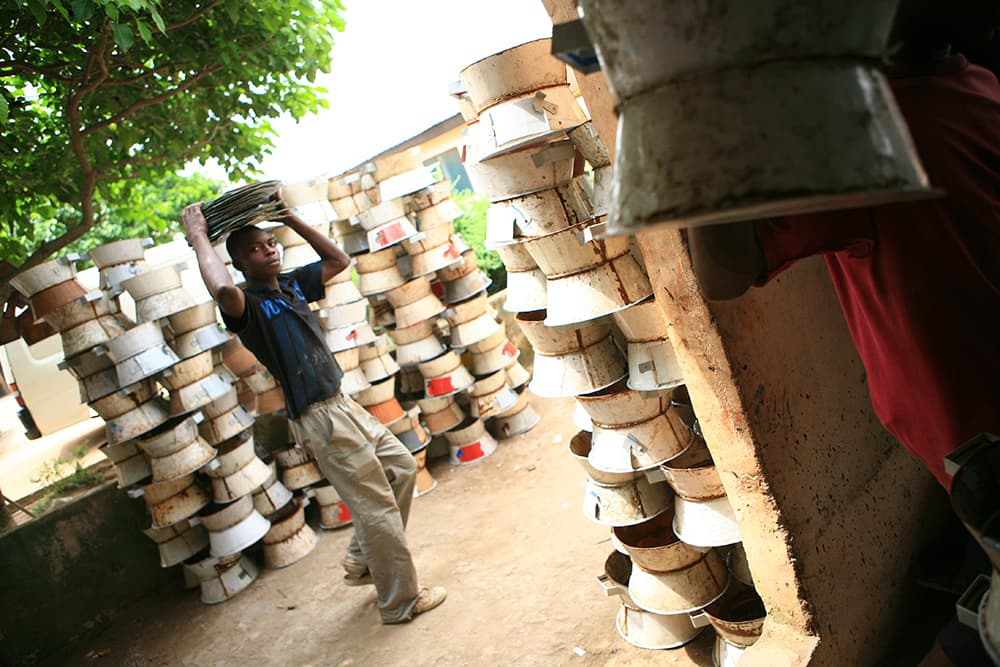
This project replaces carbon-intensive charcoal stoves with fuel-efficient insulated stoves, known as the Toyola Coalpot, across Ghana. These ‘coalpots’ are 33% more fuel-efficient than traditional cooking methods and significantly reduce charcoal consumption – reducing both air pollution and decreasing the amount of biomass required.
3 Rock
This project replaces ‘three rock’ fires in the home with cleaner stoves, which dramatically cut annual biomass usage – by up to 66%. The stoves consist of a durable metal alloy liner, enclosed in brick with a galvanised cooking surface and a directed flame.
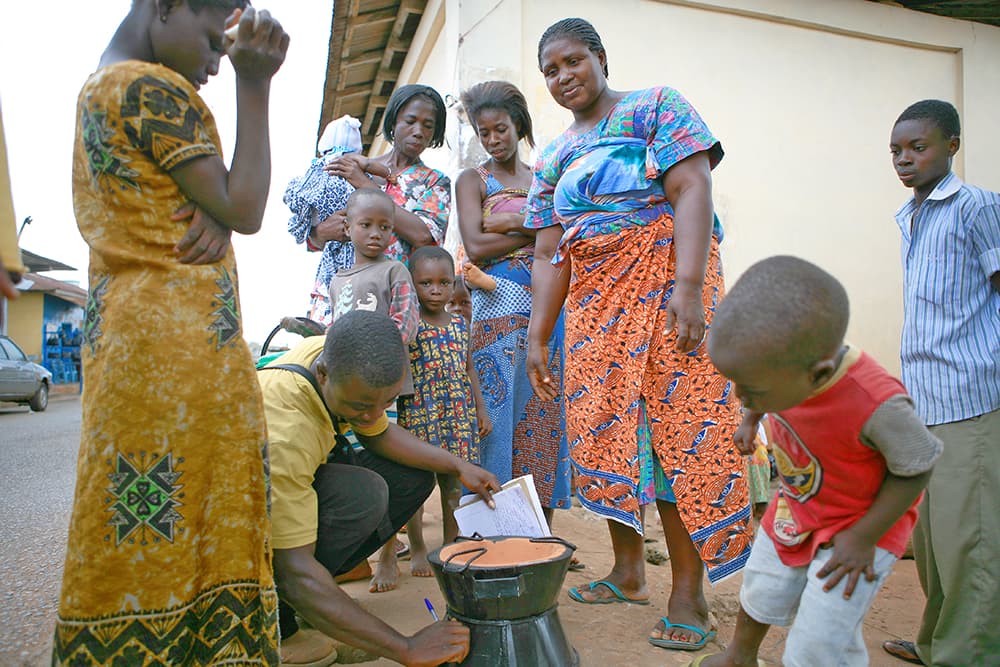
Across both projects, for each use of an improved cookstove which replaces the use of a traditional cookstove, greenhouse emissions are avoided. Communities also benefit from lower fuel costs, reduced exposure to damaging pollutants, faster cooking and increased cleanliness and convenience in the home. In addition, the reduced volume of biomass required for cooking eases pressure on natural sources like forests.
Verification
The Toyola cookstoves project in Ghana is verified by the Gold Standard. You can view it on the Gold Standard Registry here. The 3 Rocks cookstoves project in Zambia is verified by the Verified Carbon Standard. You can view it on the Verra Registry here.

Climate solution #21
Improved clean cookstoves
Improved clean cookstoves can address the pollution from burning wood or biomass in traditional stoves. Using various technologies, they reduce emissions and protect human health.
Around the world, 3 billion people cook over open fires or on rudimentary stoves. As these burn, often inside homes or in areas with limited ventilation, they release plumes of smoke and soot liable for 4.3 million premature deaths each year. Traditional cooking practices also produce 2 to 5 percent of annual greenhouse gas emissions worldwide.
A wide range of “improved” cookstove technologies exists, with a wide range of impacts on emissions. Advanced biomass stoves are the most promising. By forcing gases and smoke from incomplete combustion back into the stove’s flame, some cut emissions by an incredible 95 percent.
Photos
Locations
West Africa
Benefits
SDGs supported


Verification
These partners help deliver the project and verify its impact.
Verifiers

Verified Carbon Standard
The Verified Carbon Standard (VCS) Program is the world's most widely used greenhouse gas (GHG) crediting program.