

Carbon avoidance
Bio-digesters for rural Vietnamese farmers

Overview
Site
Benefits
Verification
What is greenhouse gas capture?
Landfill waste releases methane, a greenhouse gas at least 28 times stronger than CO2. Landfill gas projects capture it at the source, avoiding emissions by burning it or converting it into energy.
Project summary
Context
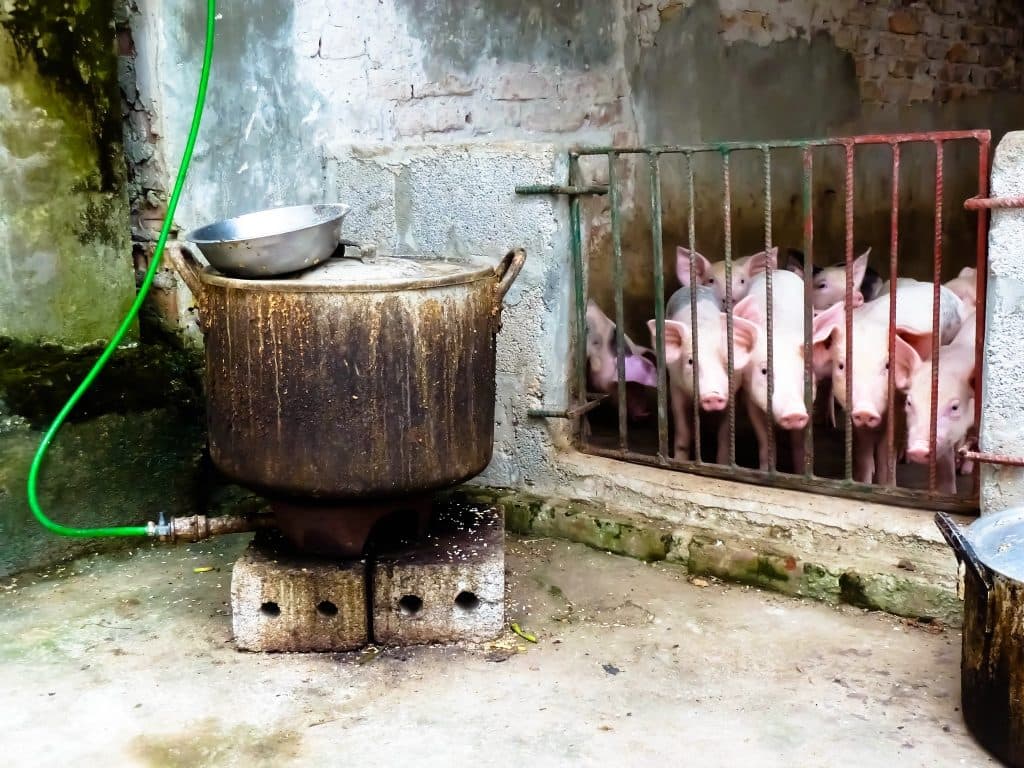
The agricultural sector in Vietnam represents 28% of greenhouse gas emissions. Agriculture is the biggest emitter of methane, a greenhouse gas that is around 34 times more potent than carbon dioxide. In Vietnam, the animal husbandry sector, in particular the 26.9 million pigs, cause significant environmental pollution problems, as well as sanitary issues for the farmers and communities that work with them.
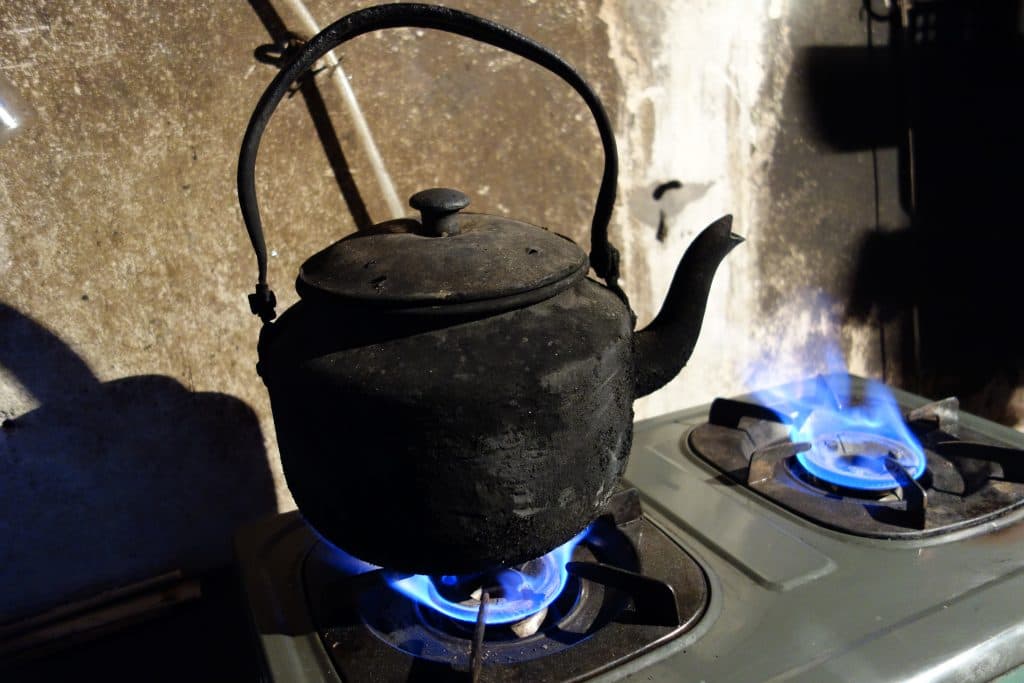
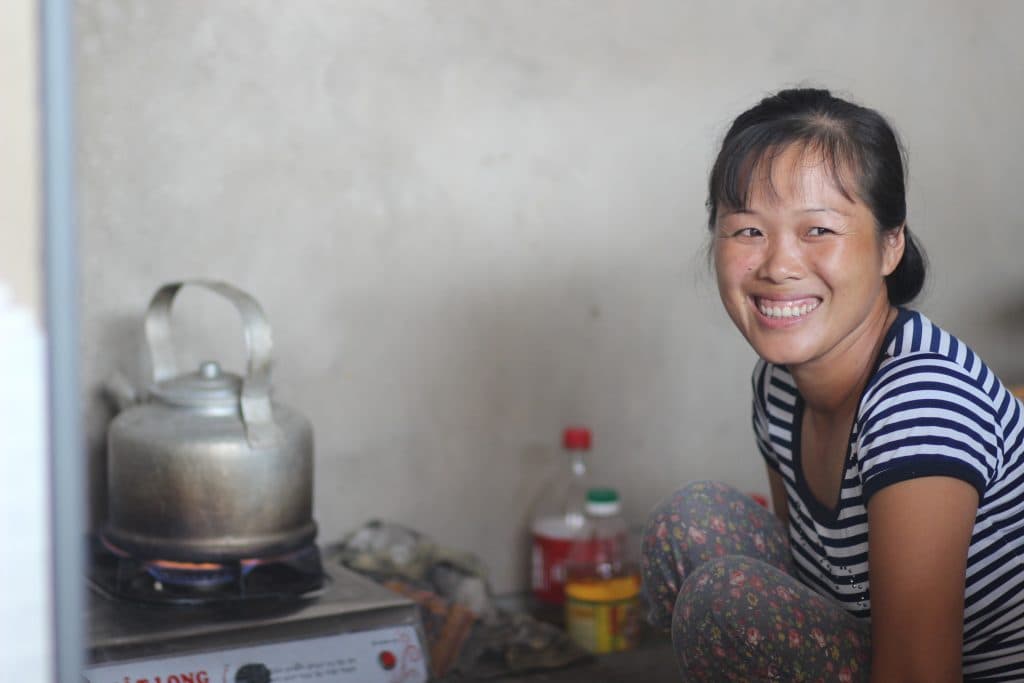
In Vietnam, only 66.92% of the population have access to clean fuels for cooking. Clean fuels include non-solid fuels such as natural gas, ethanol or even electric technologies, and they make the process of cooking more efficient, saving both time and energy. They also come with massive health benefits. The use of solid fuels for cooking, such as charcoal, crop waste or dung, is a primary risk factor for deaths and ill health from indoor air pollution.
Project
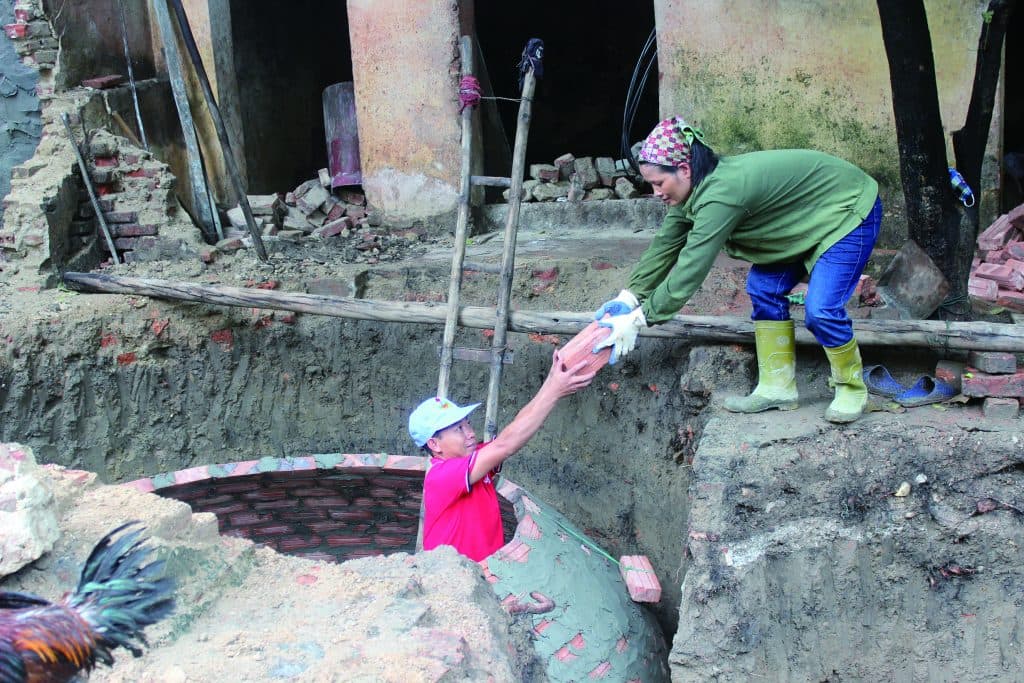
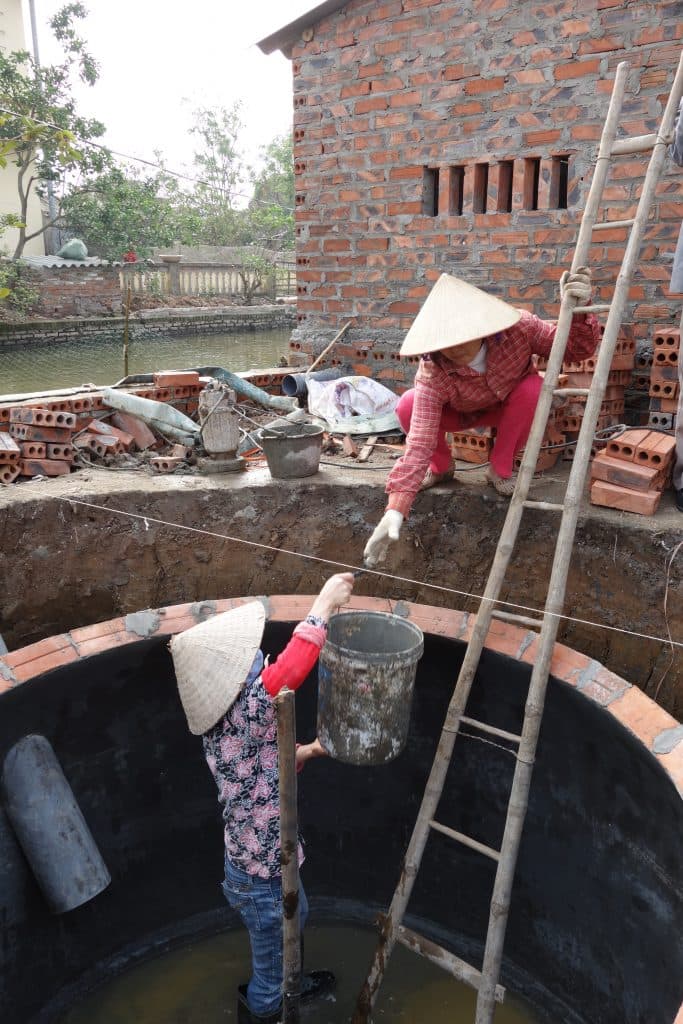
This multi-award winning Gold Standard project provides rural Vietnamese farmers with a way of producing clean, renewable fuel from animal manure.
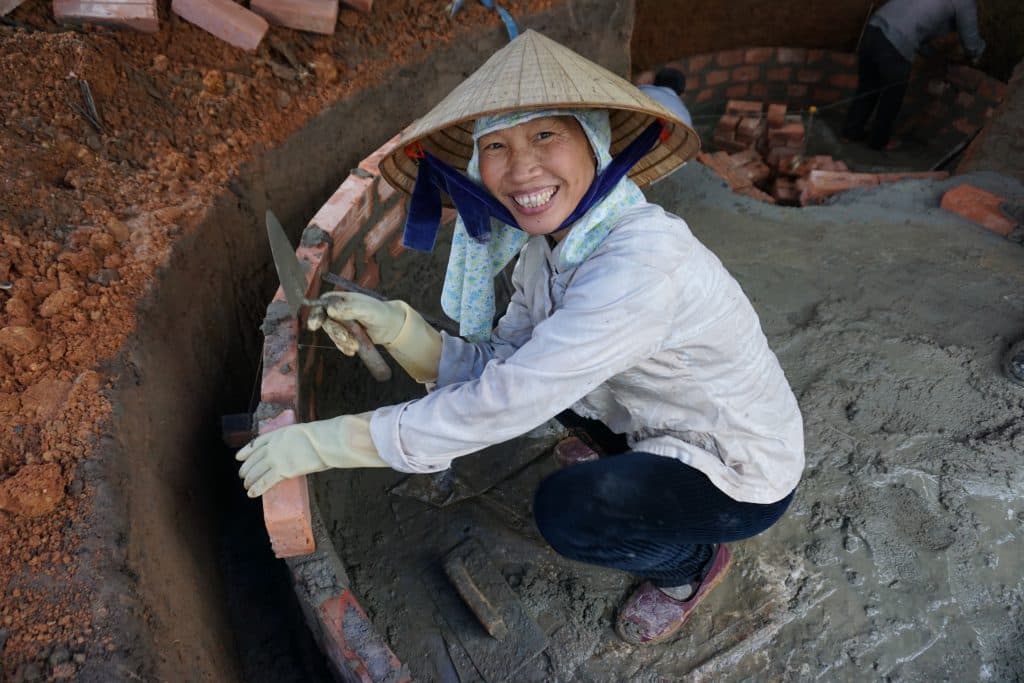
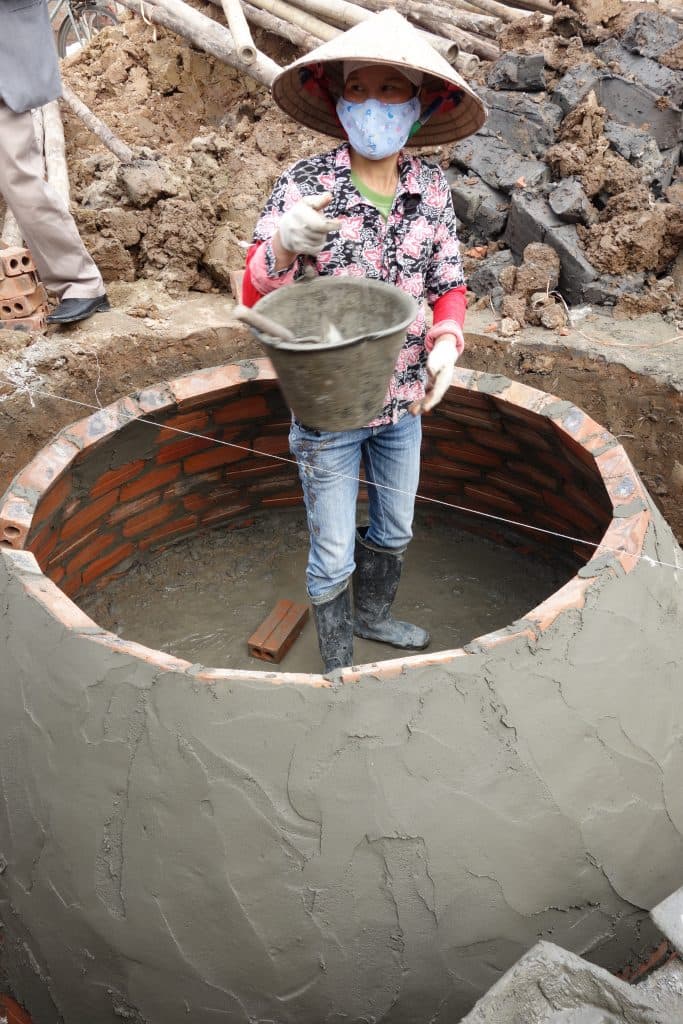
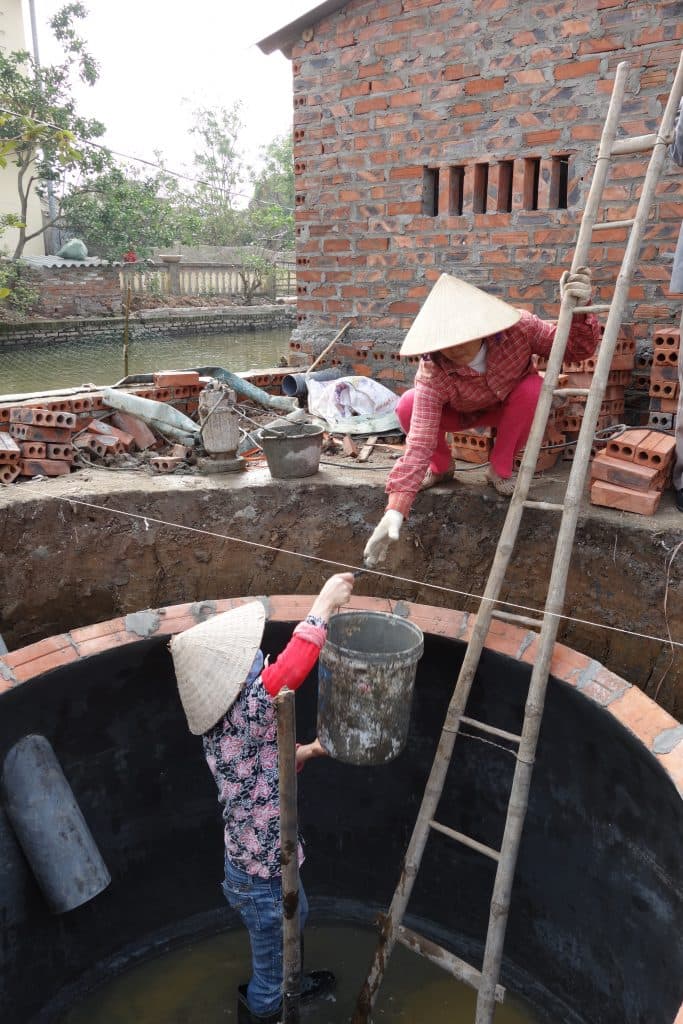
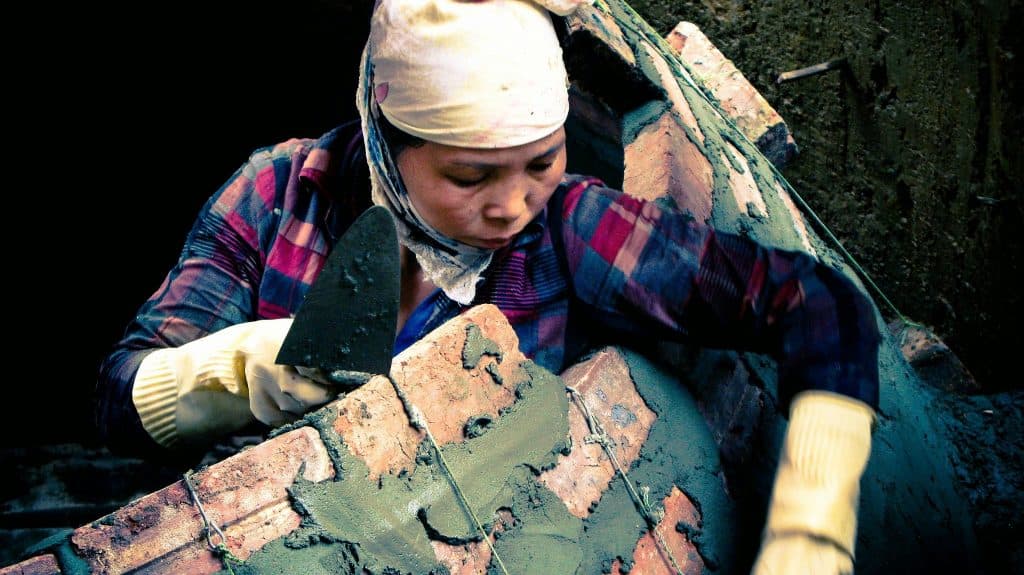
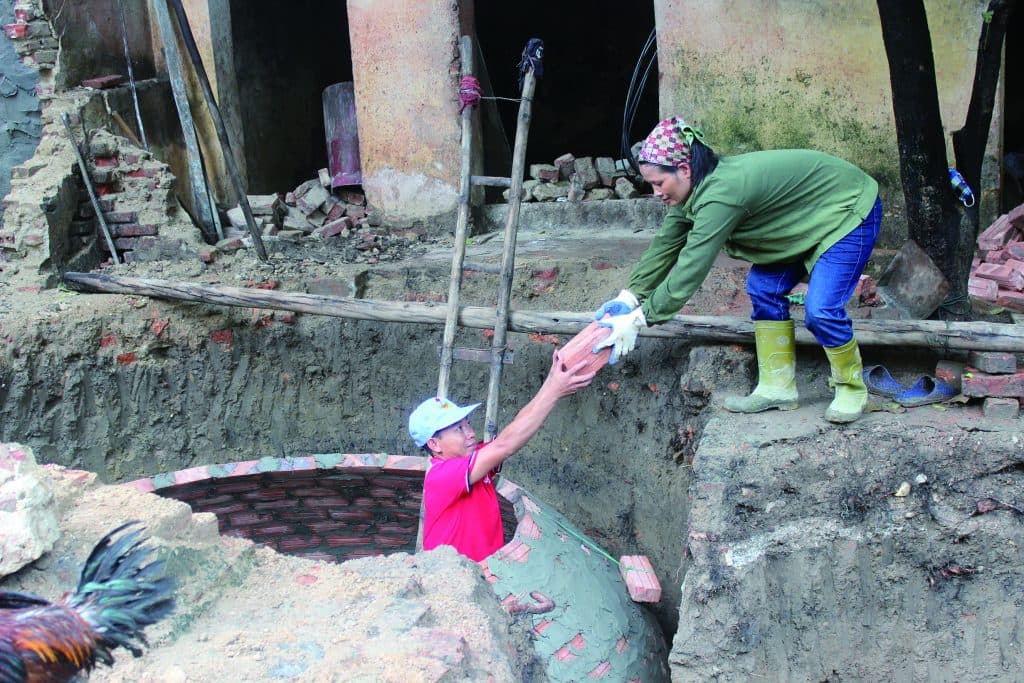
Biogas digesters are installed that capture the potent greenhouse gas methane from organic materials such as crop waste, animal manure, and human excreta. The collection of this organic waste leads to improved sanitary conditions on the farms and a reduction in environmental pollution of water sources; while the methane gas produced provides fuel for cooking, power and basic lighting.
The residue from the bio-digester, called bio-slurry, can also be used as a powerful organic fertilizer, bringing down the cost of agriculture, significantly improving crop yields and substituting more environmentally damaging synthetic fertilizers.
The installed biogas units therefore contribute to the reduction of greenhouse gas in three ways: avoidance of methane emissions from the manure by capturing and destroying methane to produce energy; fuel switch from non-sustainable energy sources for cooking and lighting, to renewable biogas; and a replacement of chemical fertilizers with bio-slurry. There are now 158,500 digesters installed, which on average each save 5.9 tonnes of CO₂ annually.
As well as environmental benefits, this project also provides social and economic benefits to local communities. The construction and maintenance of biogas digester systems in rural areas creates employment opportunities, and their activity leads to a reduction in costs for domestic thermal energy and for synthetic fertilizers. The project activity also reduces the domestic workload of women and children by reducing demand for wood, which takes time to collect, and by providing cooking fuel that burns faster and cleaner than solid fuels. There is also a prevention of respiratory illnesses resulting from indoor air pollution and gastro-enteric diseases from contaminated water sources.
Check out this short film on how it is transforming both planetary and human health:
Since its inception in 2003, this programme has transformed the lives of so many people in Vietnam that the Government has extended the project to run until 2021. During its lifetime, the Vietnam Biogas Programme has been recognised internationally:
- Won Energy Globe Award 2006
- Won Ashden Award 2010
- Won ‘Humanitarian Award’ of World Energy Forum 2012
- Nominee, Zayed Future Energy Prize 2016
Verification
This project is verified by the Gold Standard. You can view it on the Gold Standard registry here.

Climate solution #64
Methane digesters (small)
Agricultural, industrial, and human digestion processes create an ongoing (and growing) stream of organic refuse. Without thoughtful management, organic wastes can emit fugitive methane gases as they decompose. Methane creates a warming effect 34 times stronger than carbon dioxide over one hundred years.
One option is to control decomposition of organic waste in sealed tanks called anaerobic digesters. They harness the power of microbes to transform scraps and sludge and produce two main products: biogas, an energy source, and solids called digestate, a nutrient-rich fertilizer.
Anaerobic digestion is used in backyards and farmyards around the world, and that use is on the rise. Small-scale digesters dominate in Asia. More than 100 million people in rural China have access to digester gas, which is used for cooking, lighting, and heating. Biogas can reduce demand for wood, charcoal, and dung as fuel sources and therefore their noxious fumes, which impact both planetary and human health.
Photos
Locations
Vietnam
Benefits
SDGs supported


Verification
These partners help deliver the project and verify its impact.
Verifiers

Gold standard
This project is verified by the Gold Standard.