

Carbon avoidance
Wind Energy in Andhra Pradesh, India
Overview
Site
Benefits
Verification
What is renewable energy?
Sunlight, wind and flowing water generate electricity without burning fossil fuels. Renewable energy projects bring cleaner power to reduce emissions from electricity generation.
Project summary
Context
Andhra Pradesh is a state in the south-eastern coastal region of India. Whilst poverty rates have decreased dramatically, the rate of rural poverty is still twice that of urban poverty in the region, according to the country’s Planning Department.
At the same time, India’s energy needs are rising fast, with growth in electricity demand and other energy uses among the highest in the world. Currently, rural India largely relies on coal power plants, which not only emit CO2 but also contaminate local water sources and cause long-term health issues for employees and people who live nearby.
Project
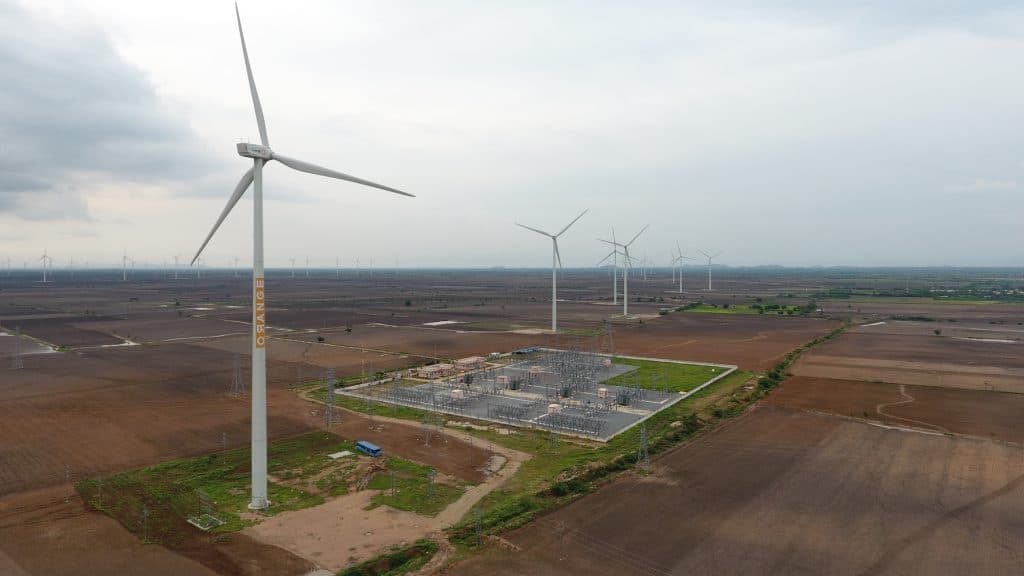
This Wind Power Project in Andhra Pradesh, developed by Orange Anantapur Wind Power Pvt Ltd, involves the installation and running of 50 wind turbines. The total installed capacity of the project activity is 100 MW comprising 50 wind turbines of 2000 kW capacity each.
The purpose of the project is to generate electrical power using wind energy, which is then exported to the Indian electricity grid, displacing electricity which would otherwise have been generated by fossil fuels, such as the coal mines. When it is fully operational, the project will be responsible for around 200,000 tonnes of CO2e emissions reductions each year.
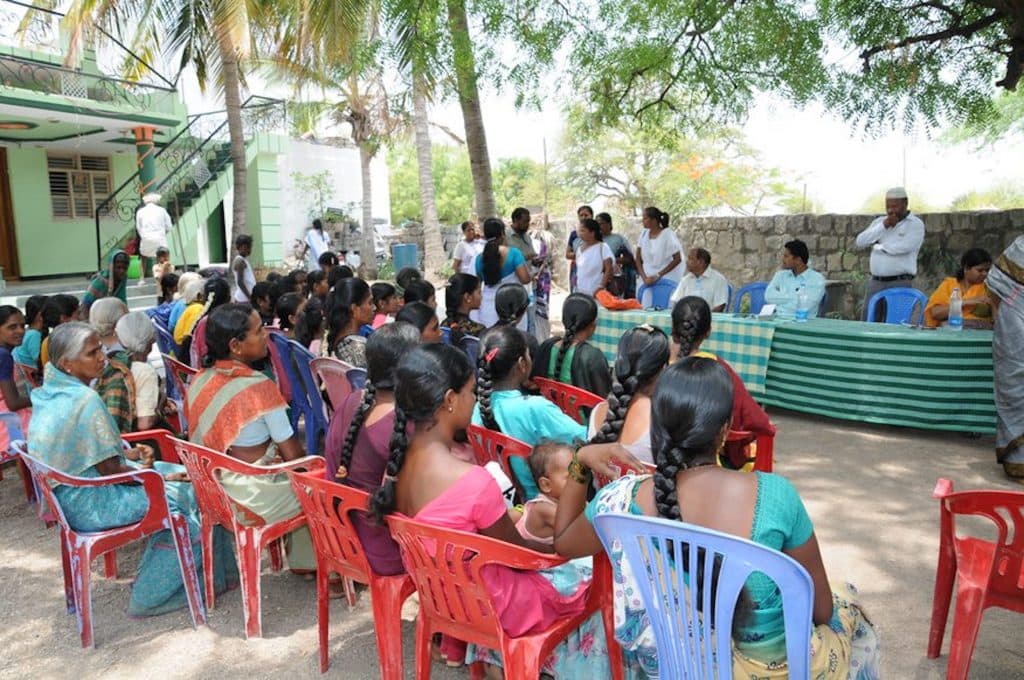
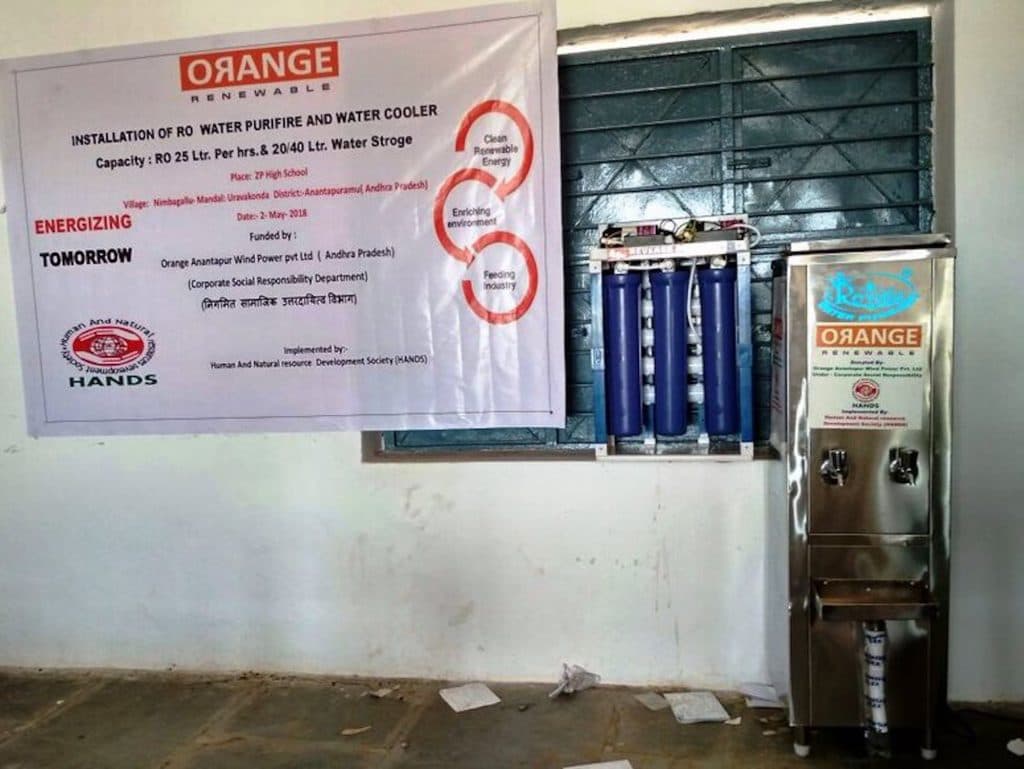
This project will also help alleviate poverty within the local area, by creating employment opportunities for local people and bringing additional investment to the region. Power generated from this project activity can also be used for small scale industries, thus further generating more, and alternative, employment opportunities.
Verification
This project is verified by the Gold Standard. You can view it on the Gold Standard registry here.

Climate Solution #2
Onshore wind turbines
Onshore wind turbines generate electricity at a utility scale, comparable to power plants. They replace fossil fuels with emissions-free electricity.
Today, 314,000 wind turbines supply nearly 4 percent of global electricity, and it will soon be much more. In 2015, a record 63 gigawatts of wind power were installed around the world.
Onshore wind farms have small footprints, typically using no more than 1 percent of the land they sit on, so grazing, farming, recreation, or conservation can happen simultaneously with power generation. What’s more, it takes one year or less to build a wind farm—quickly producing energy and a return on investment.
Photos
Locations
Andhra Pradesh state, India
Benefits
SDGs supported


Verification
These partners help deliver the project and verify its impact.
Verifiers

Gold standard
This project is verified by the Gold Standard.