Ensure access to affordable, reliable, sustainable and modern energy. The project converts methane from landfill gas (LFG)—a previously wasted resource—into electricity, adding clean, renewable energy to Turkey’s national grid. Using LFG for power generation helps reduce reliance on fossil fuels and boosts energy efficiency by transforming a waste by-product into a valuable energy source. By generating domestic electricity, the project decreases Turkey’s dependence on imported fossil fuels, enhancing long-term energy stability.
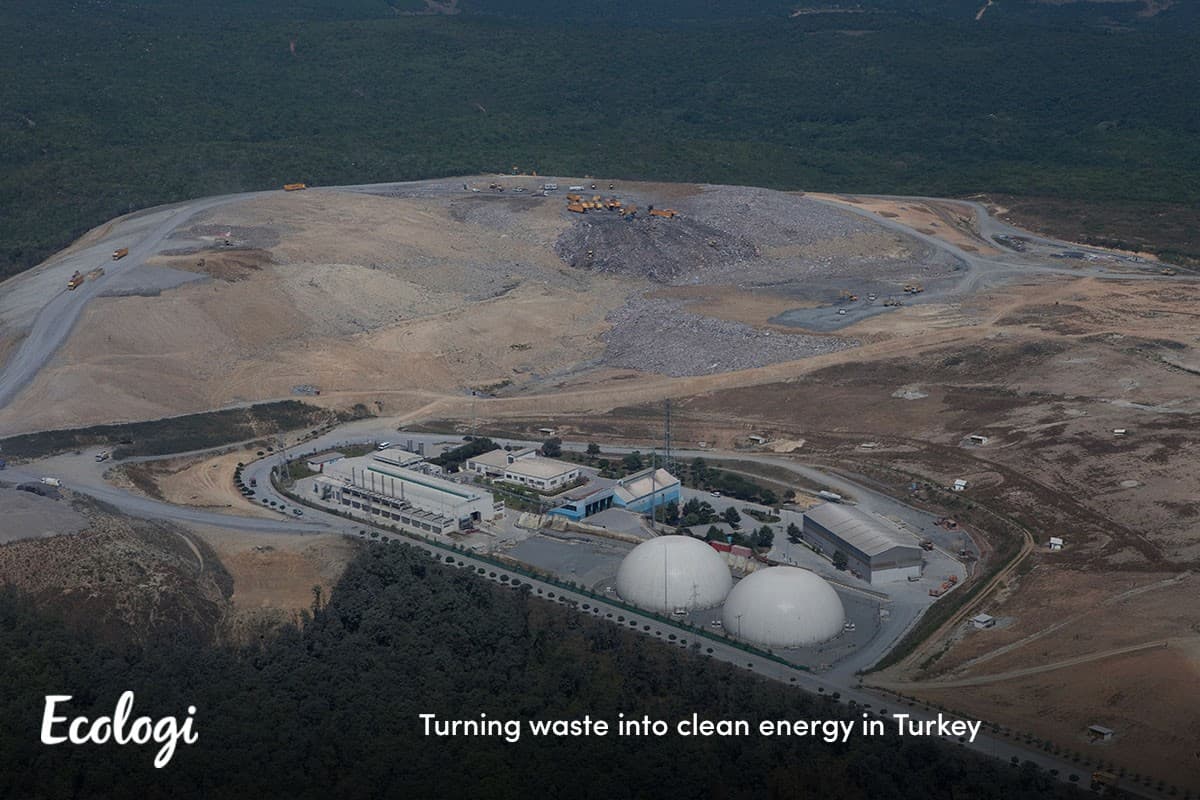
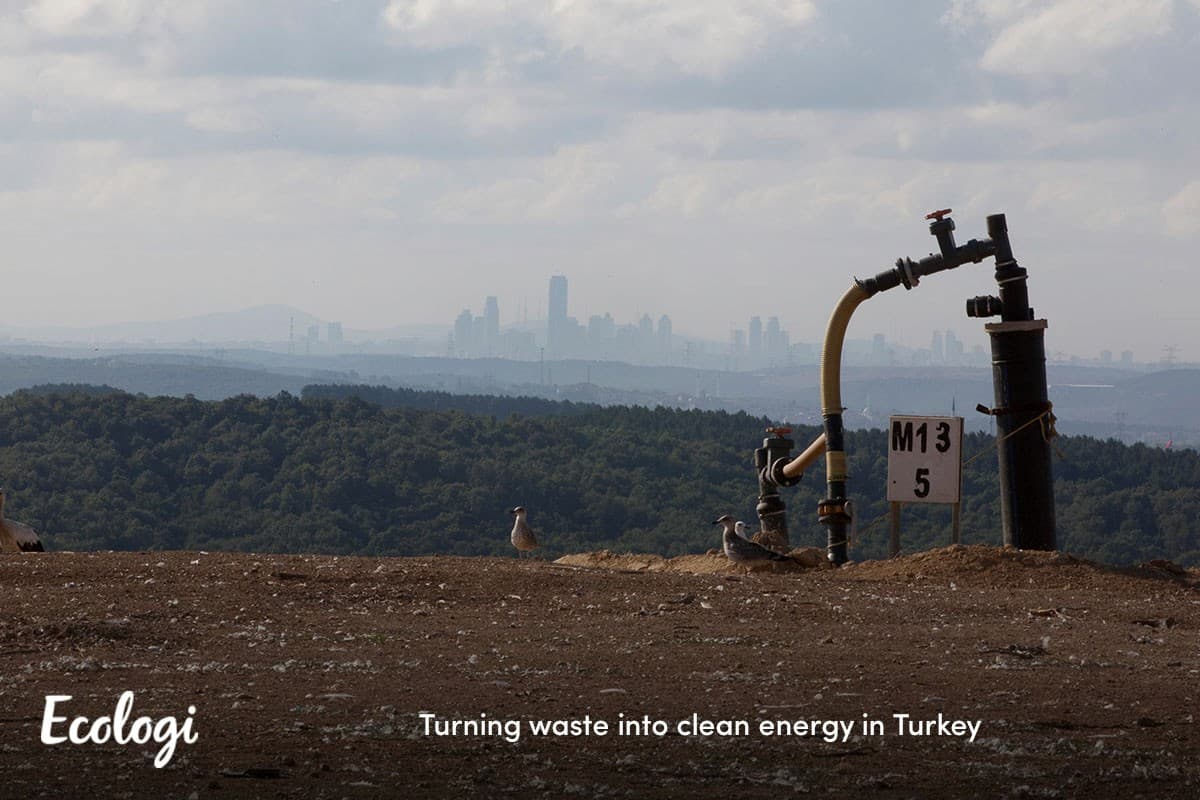
Turning waste into clean energy in Turkey


Turkey is one of the fastest-growing economies in the world, with a rapidly expanding population and urbanisation rate. As the country’s largest city, Istanbul, with its 16 million residents, generates an enormous volume of municipal solid waste (MSW). Historically, much of this waste was deposited in landfills without adequate gas management, leading to high methane emissions—a greenhouse gas 80 times more potent than CO₂ over a 20-year period.
With Turkey’s energy sector heavily reliant on fossil fuels and a growing need for clean, domestic energy solutions, landfill gas (LFG) projects present a vital opportunity. Capturing methane from waste sites not only reduces harmful emissions but also provides a renewable energy source, helping to offset reliance on imported electricity and fossil-fuel-based power generation.
Locations
Turkey
Benefits
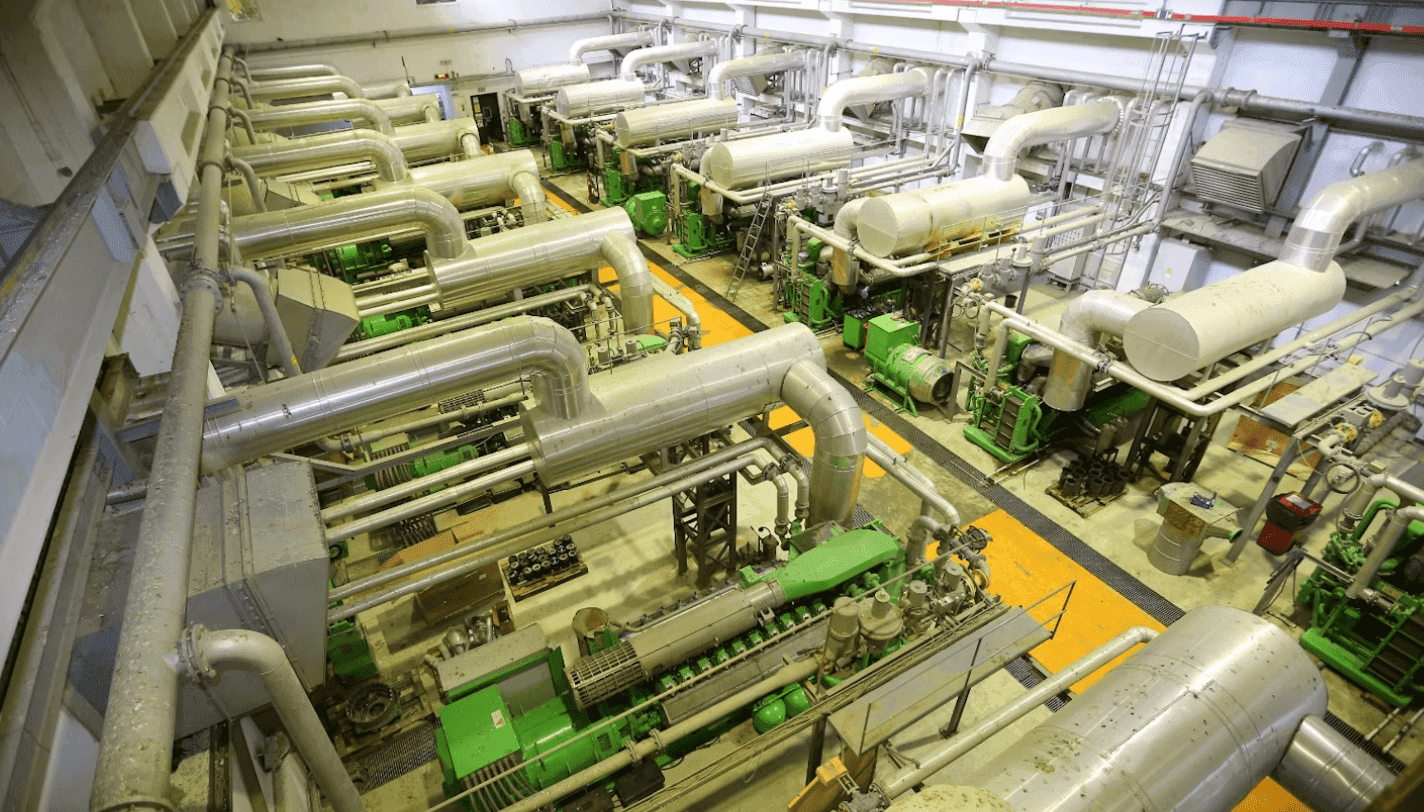
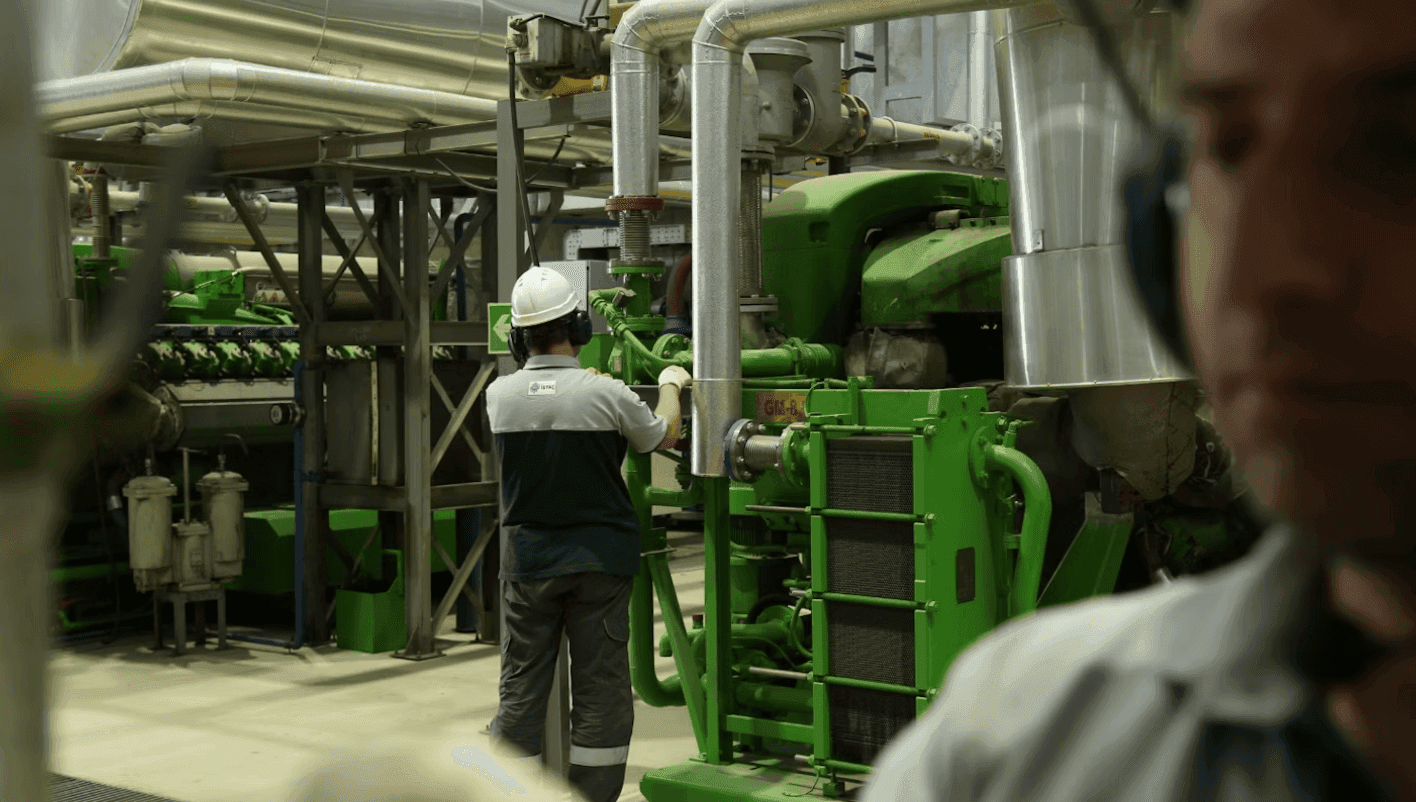
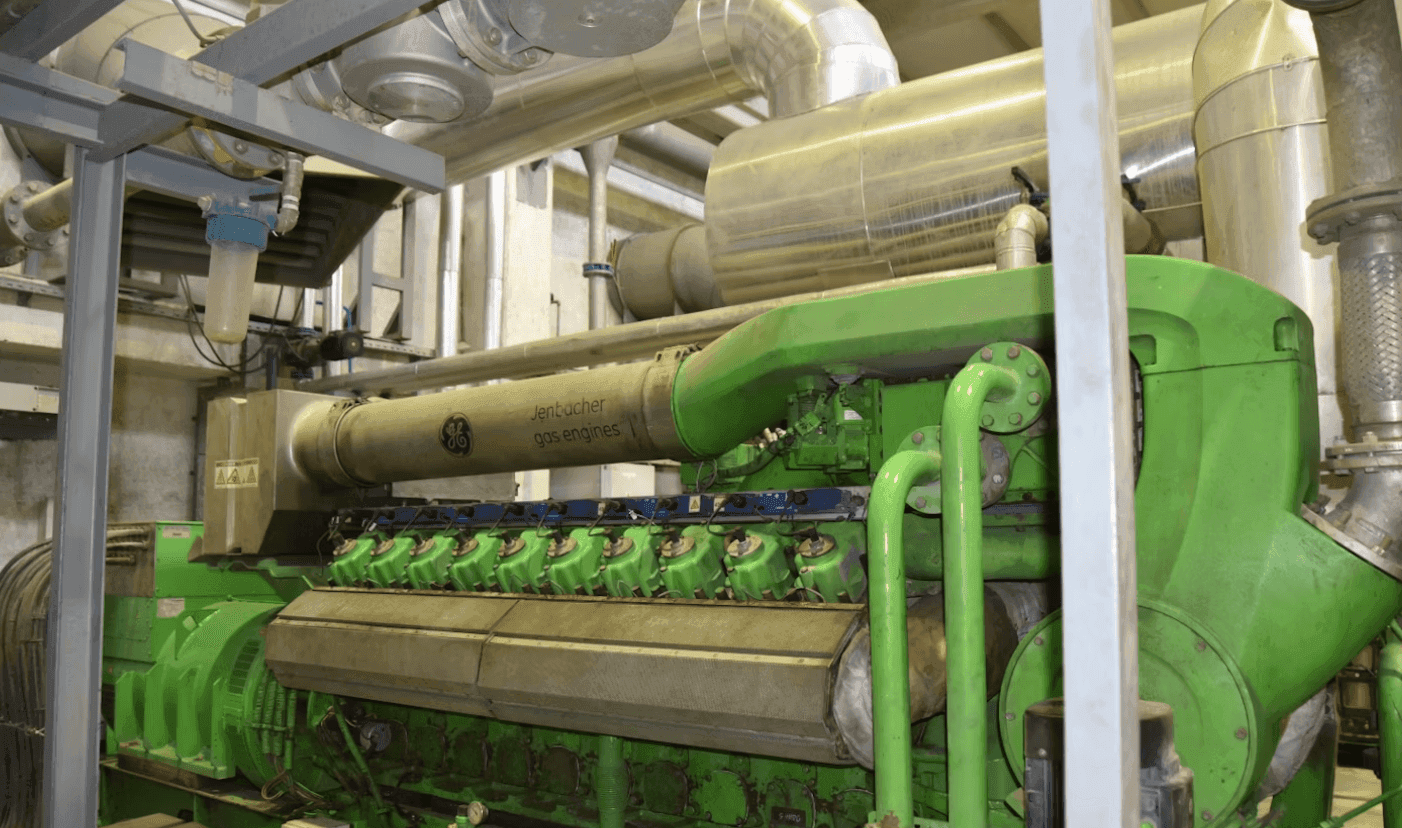
The project captures and utilises landfill gas (LFG) to generate electricity using gas engines and generators, with a flaring system in place for excess LFG combustion. Historically, LFG was left to decay, resulting in large-scale methane emissions. By harnessing LFG, this project:
-
Prevents the release of methane, reducing its impact on climate change.
-
Generates renewable electricity, feeding into Turkey’s national grid.
-
Modernises waste management, making landfills more sustainable.
Key Project Metrics
-
Power Generation Units (PGUs) Installed: 5 at Kömürcüoda, 11 at Odayeri, including backup units.
-
Total Expected Emission Reductions (7-year period): 6,011,001 tCO₂e, significantly mitigating methane emissions.
Sustainable development goals
These Sustainable Development Goals show the wider outcomes this project supports beyond its headline impact.
Promote inclusive and sustainable economic growth, employment and decent work for all. This project supports Turkey’s move toward a circular economy by integrating waste management with energy production, fostering innovation and economic resilience.
Take urgent action to combat climate change and its impacts. By installing power generation units and flaring systems, the project builds resilience and reduces the long-term climate risks associated with unmanaged waste.
Verification
These partners help deliver the project and verify its impact.
Verifier
Gold standard
This project is verified by the Gold Standard.