

Carbon avoidance
Supporting wind parks in Aruba
Overview
Site
Benefits
Verification
What is renewable energy?
Sunlight, wind and flowing water generate electricity without burning fossil fuels. Renewable energy projects bring cleaner power to reduce emissions from electricity generation.
Project summary
Context
Aruba is a small island that forms part of the Dutch Caribbean islands and is located very near to the coast of Venezuela. It has a dry climate and an arid or desert, cactus-strewn landscape, with its renowned white sandy beaches making it a popular holiday destination.
Currently 81% of Aruba’s electricity needs are supplied by fossil fuels, however there is great potential for wind power generation and Aruba has ambitious climate targets. This small island boasts one of the world’s best locations for wind power, with 5,000 hours of wind per year.
Project
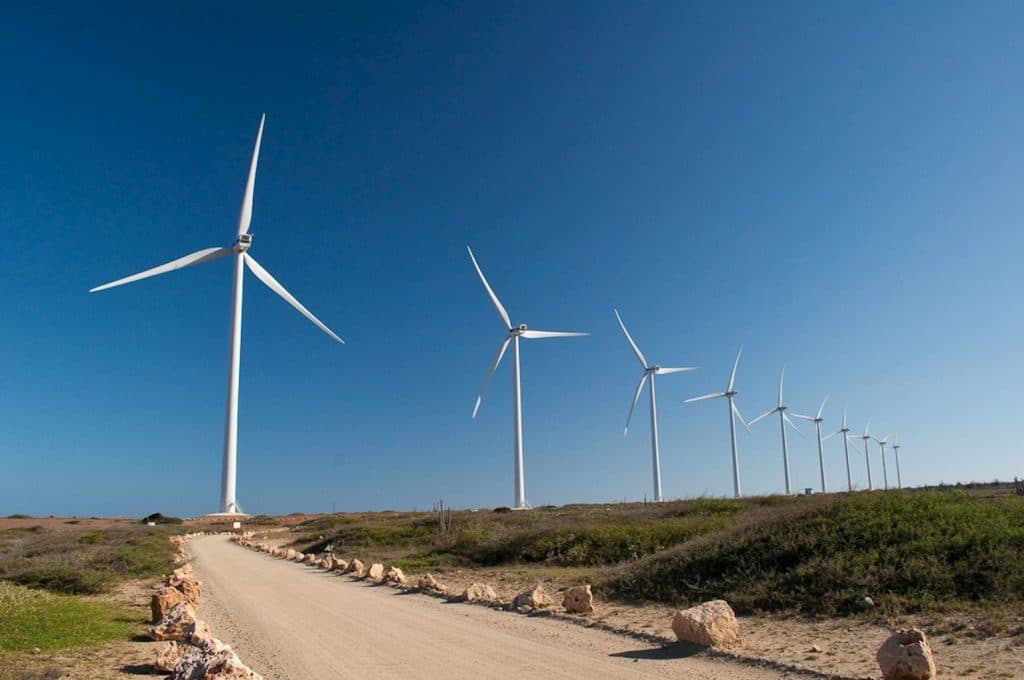
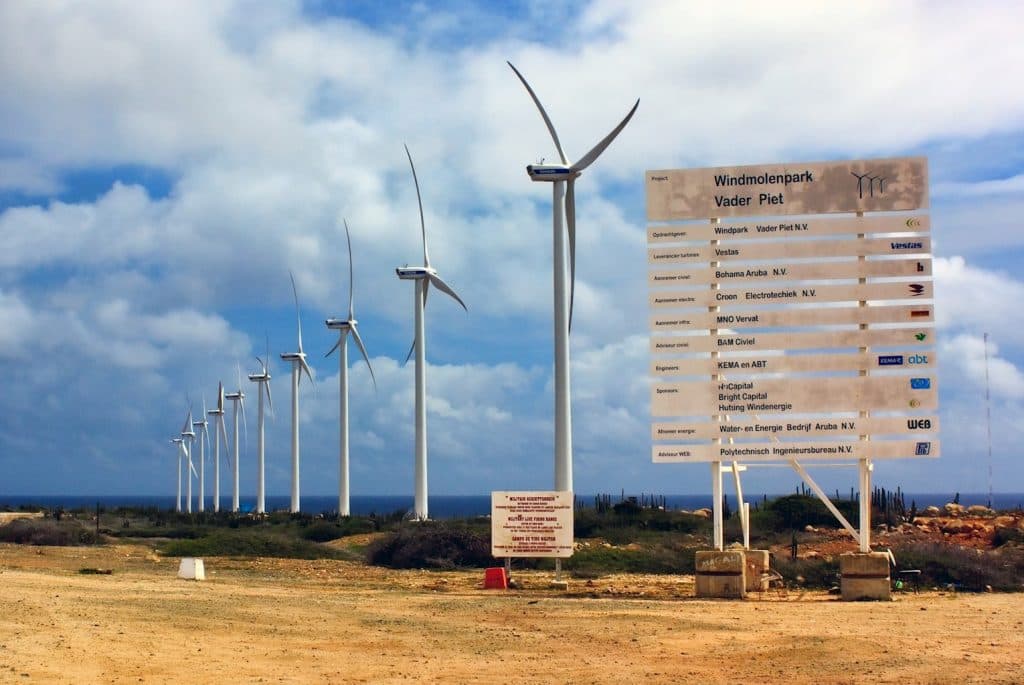
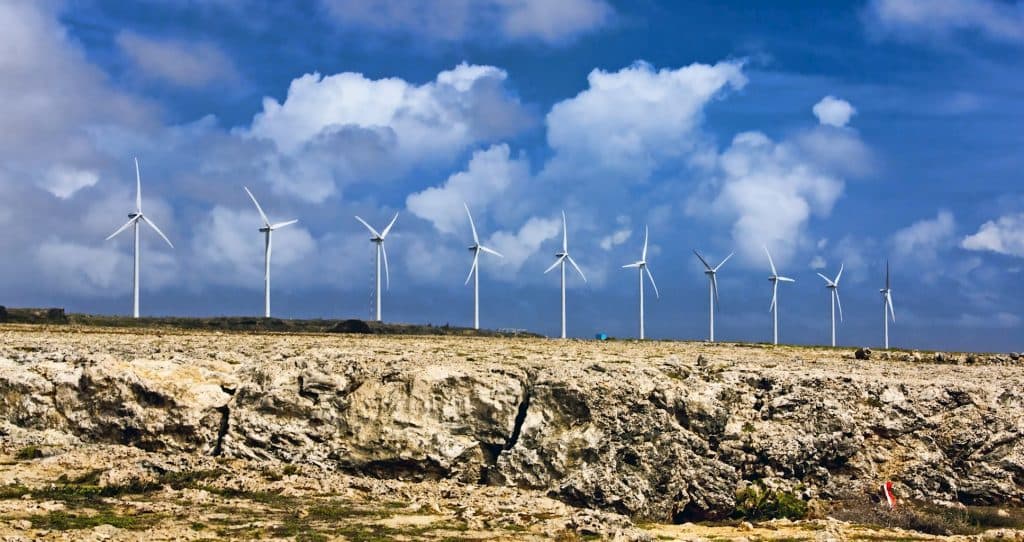
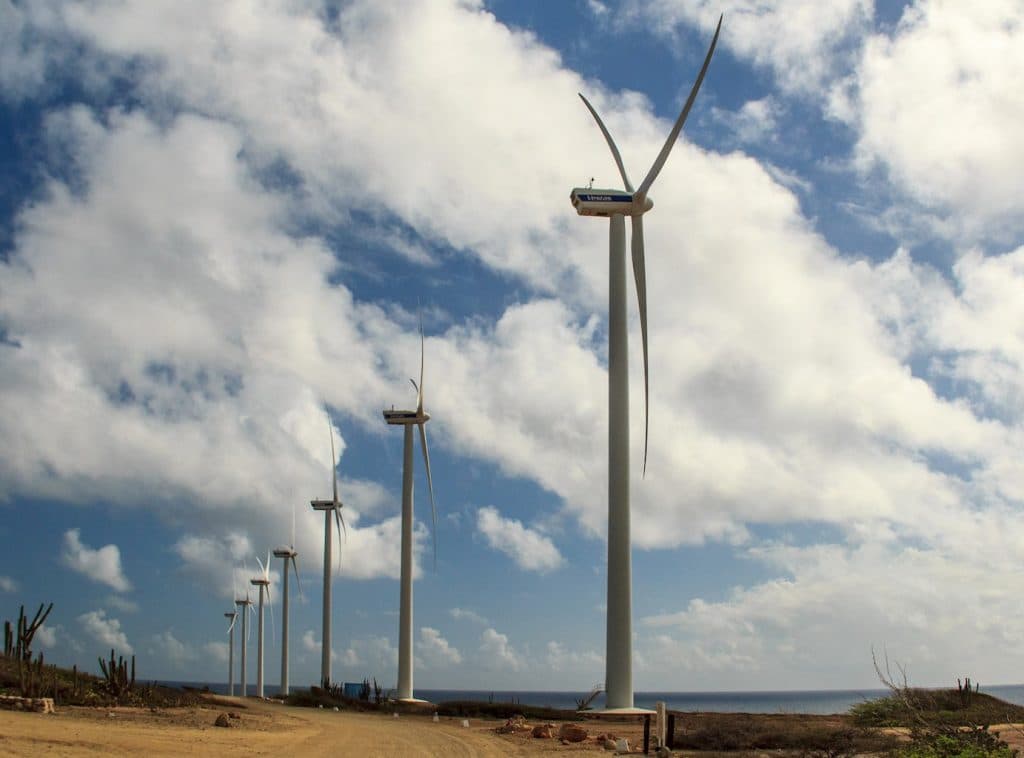
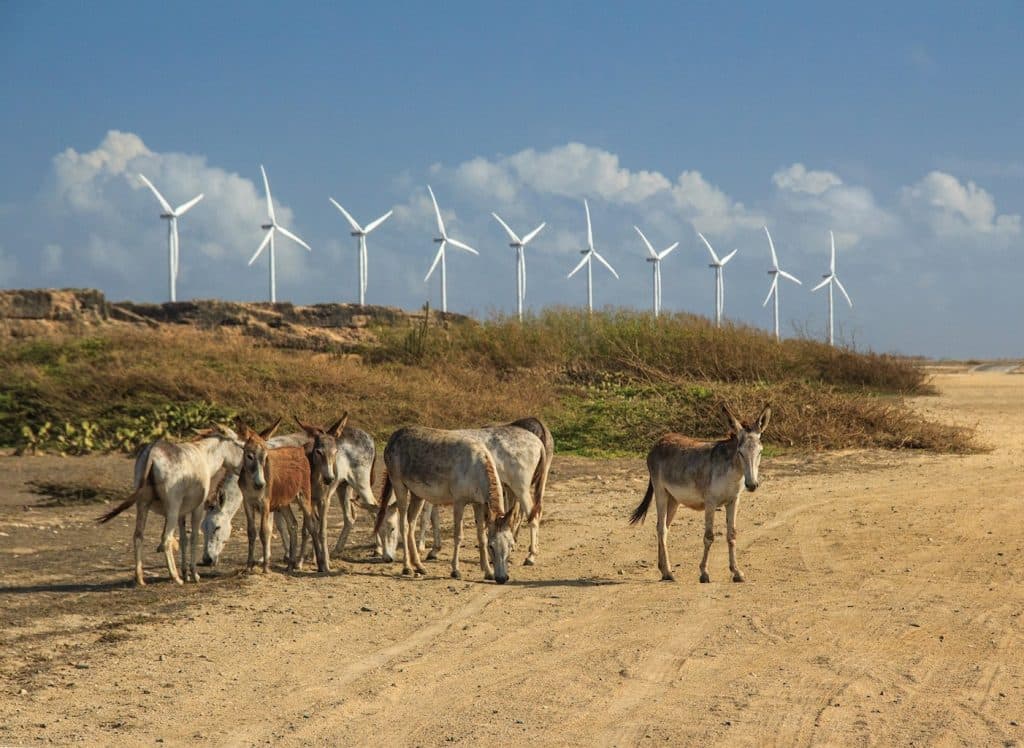
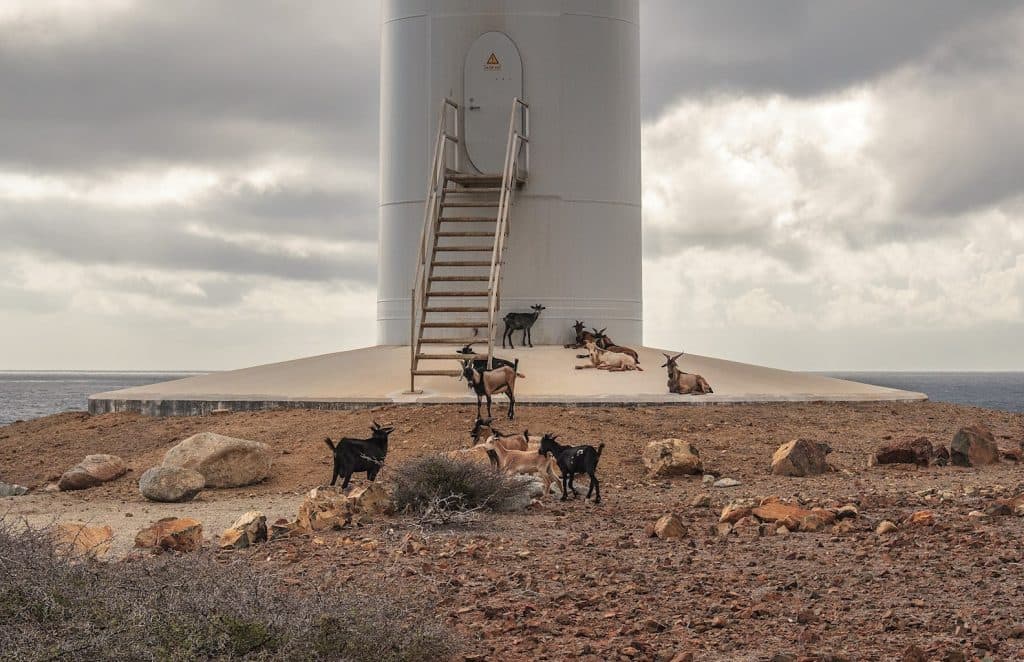
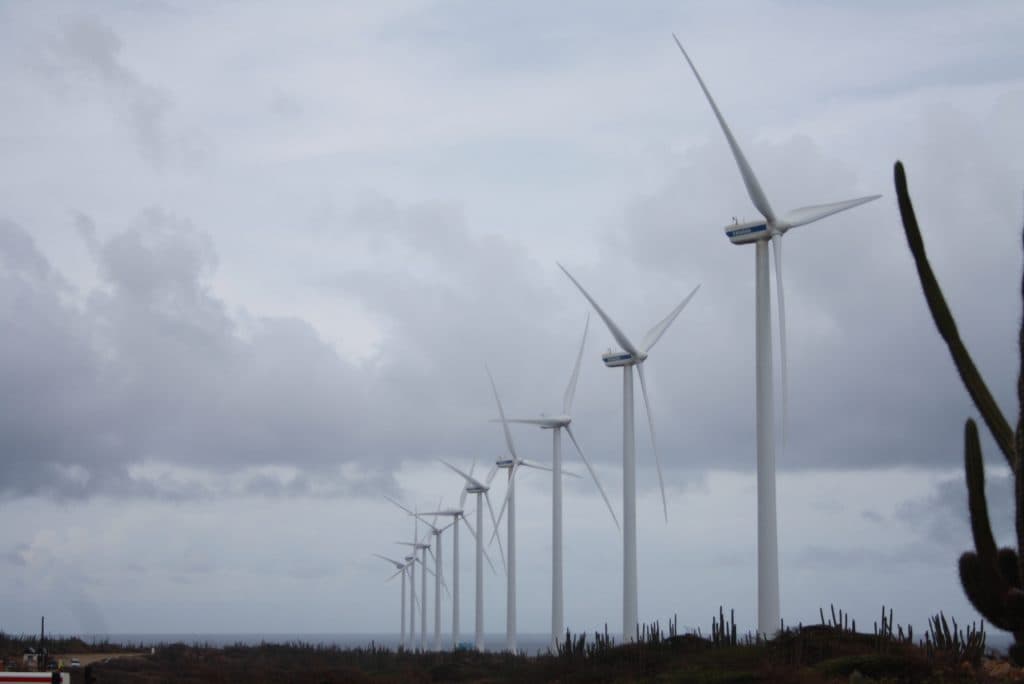
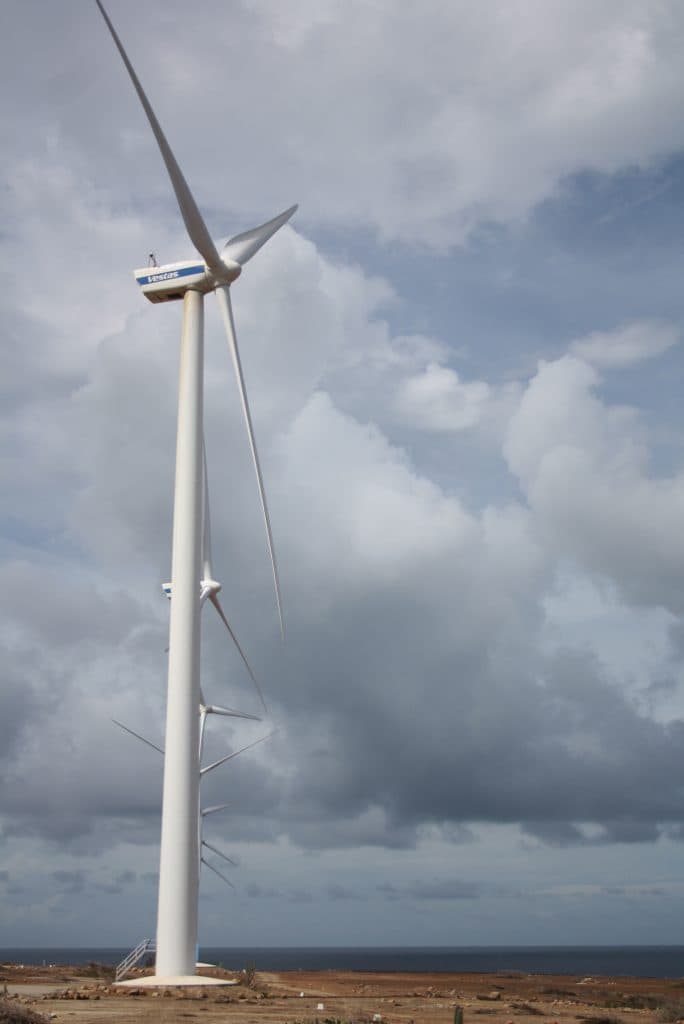
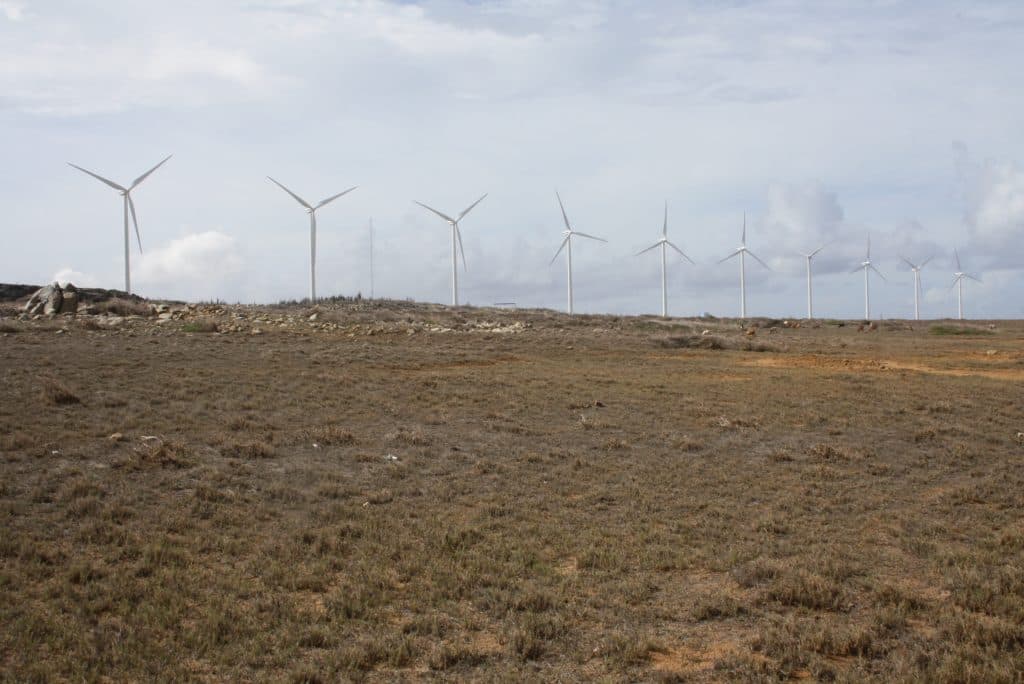
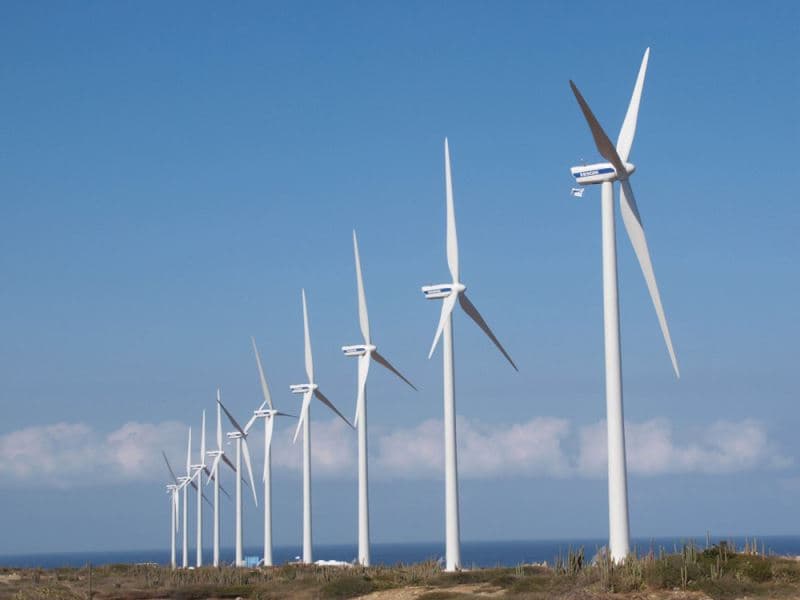
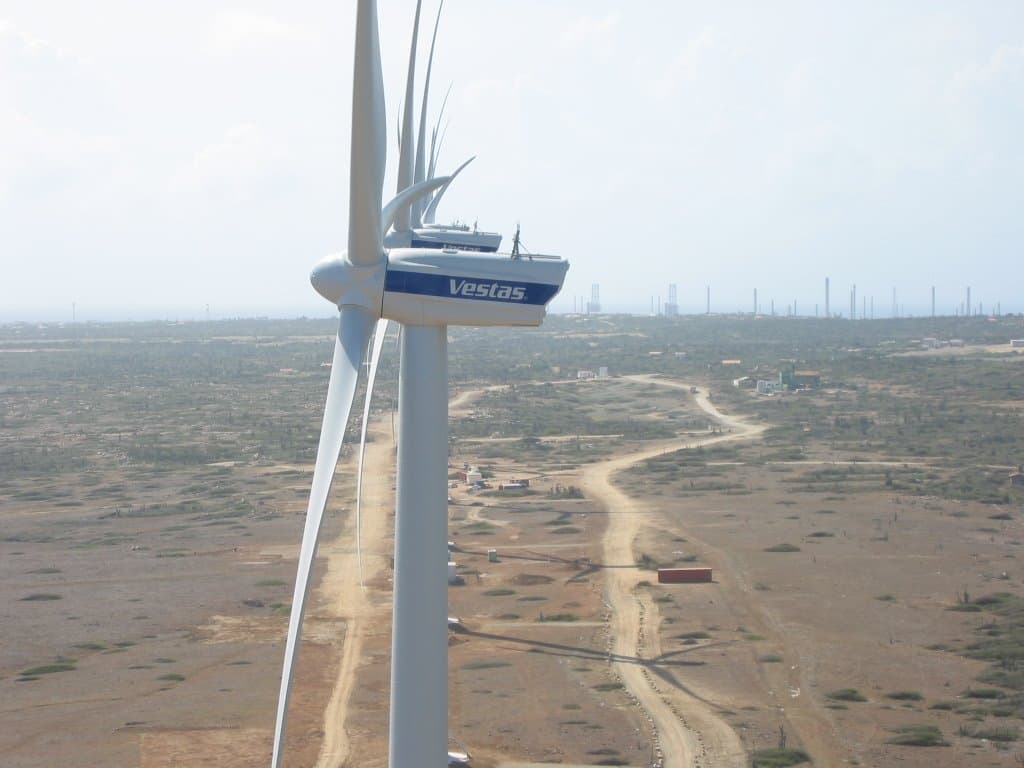
This project supports a wind park ‘Vader Piet Aruba’, which is located on the east coast of the island. The coastal winds power 10 wind turbines which stand at a great height of 105 meters. Each turbine has an electric capacity of 3 MW, with an overall project capacity of 30MW.
The energy generated from these turbines displaces electricity generated from fossil fuels, leading to emissions reduction of an estimated 152,783 tonnes of CO2e per year. This wind farm now produces 20% of Aruba’s energy needs, helping to meet growing energy demands whilst facilitating Aruba’s transition away from a reliance on fossil fuels.
Wind farms such as this one also benefit local communities; increasing regional employment opportunities and boosting the local economy by attracting investment.
Verification
This project is verified by the Gold Standard. You can view it on the Gold Standard registry here.

Climate Solution #2
Onshore wind turbines
Onshore wind turbines generate electricity at a utility scale, comparable to power plants. They replace fossil fuels with emissions-free electricity.
Today, 314,000 wind turbines supply nearly 4 percent of global electricity, and it will soon be much more. In 2015, a record 63 gigawatts of wind power were installed around the world.
Onshore wind farms have small footprints, typically using no more than 1 percent of the land they sit on, so grazing, farming, recreation, or conservation can happen simultaneously with power generation. What’s more, it takes one year or less to build a wind farm—quickly producing energy and a return on investment.
Photos
Locations
Vader Piet, Aruba
Benefits
SDGs supported


Verification
These partners help deliver the project and verify its impact.
Verifiers

Gold standard
This project is verified by the Gold Standard.