

Carbon avoidance
Small-scale onshore wind power in Sri Lanka
Overview
Site
Benefits
Verification
What is renewable energy?
Sunlight, wind and flowing water generate electricity without burning fossil fuels. Renewable energy projects bring cleaner power to reduce emissions from electricity generation.
Project summary
Context
Sri Lanka is an island country in South Asia, with a land area of around 65,610 km² and a population of approximately 22 million inhabitants. The island country is home to many different cultures, languages, and ethnicities. With an average temperature of around 27 – 28°C, Sri Lanka is one of the hottest countries in the world. Despite its relatively small size, Sri Lanka has an abundance of biodiversity distributed throughout its mountainous regions, down to its lowland plains and picturesque coastlines. Sri Lanka’s wetlands comprise of 103 major rivers and associated marshes, and about 12,000 irrigation tanks harbouring wetland species. The monetary benefits derived from biodiversity contribute considerably to Sri Lanka’s economy, and support critical industries such as fisheries, agriculture, and tourism.
Countries get their energy form a variety, or combination of, sources such as coal, oil, gas, nuclear or renewables. Looking at a country’s energy mix (the balance of sources of energy in their supply) has become increasingly important as countries globally attempt to shift away from dependencies on fossil fuels and move towards low-carbon sources of energy. In 2020, it was reported that 84% of Sri Lanka’s primary energy is derived from fossil fuels, with only 1.69% coming from wind. Supporting wind power projects in Sri Lanka adds more clean energy into its mix, and subsequently reduces its dependency on energy sources derived from the burning of fossil fuels – resulting in less greenhouse gases released into our atmosphere.
Project
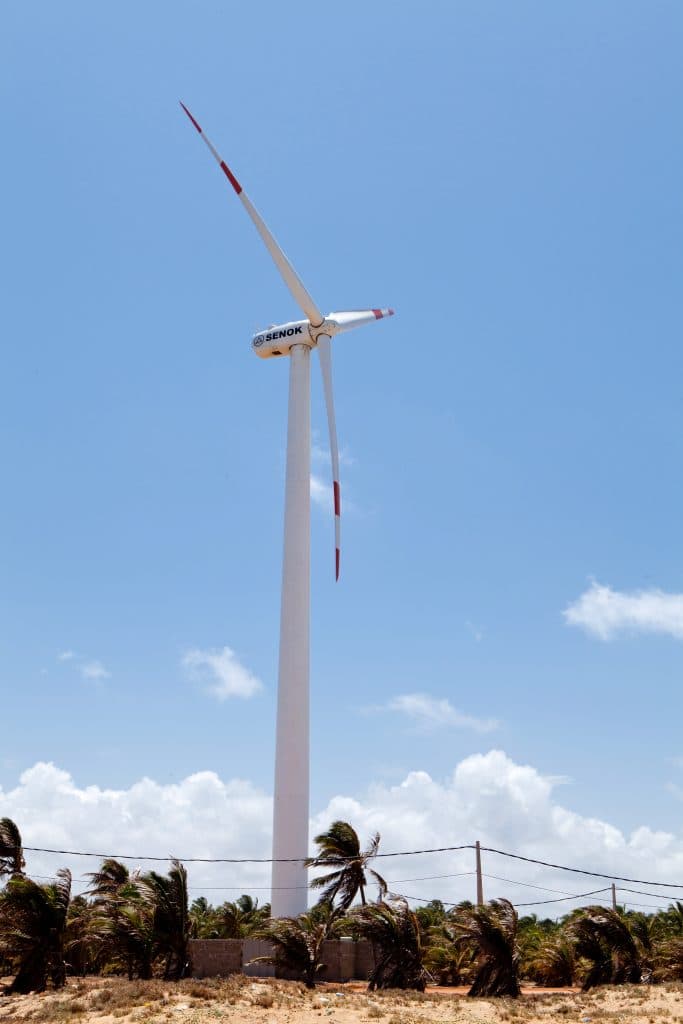
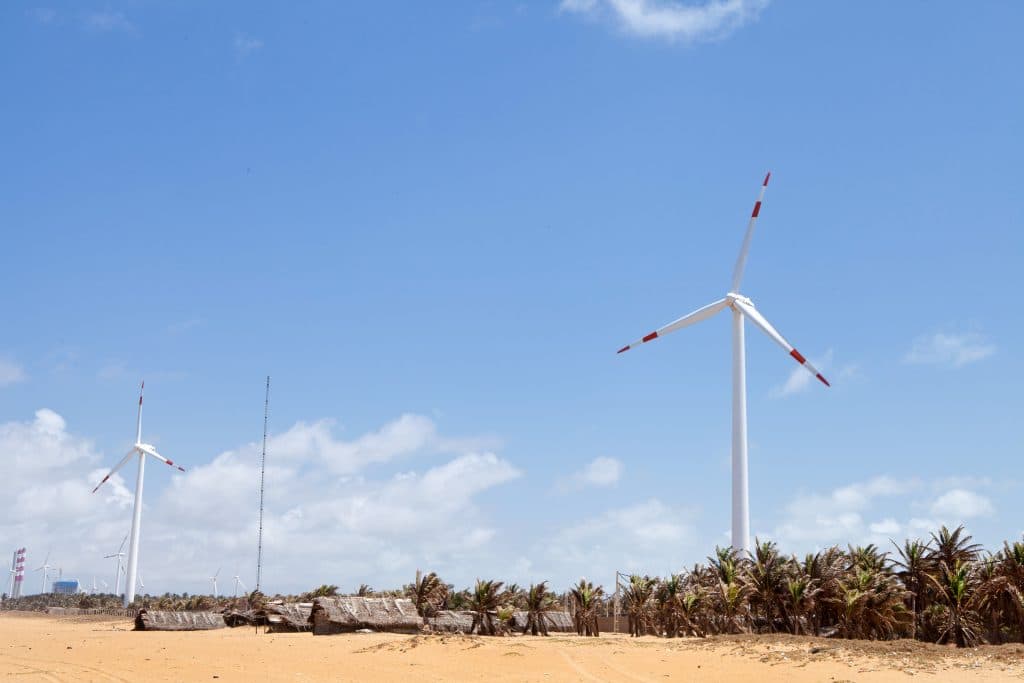
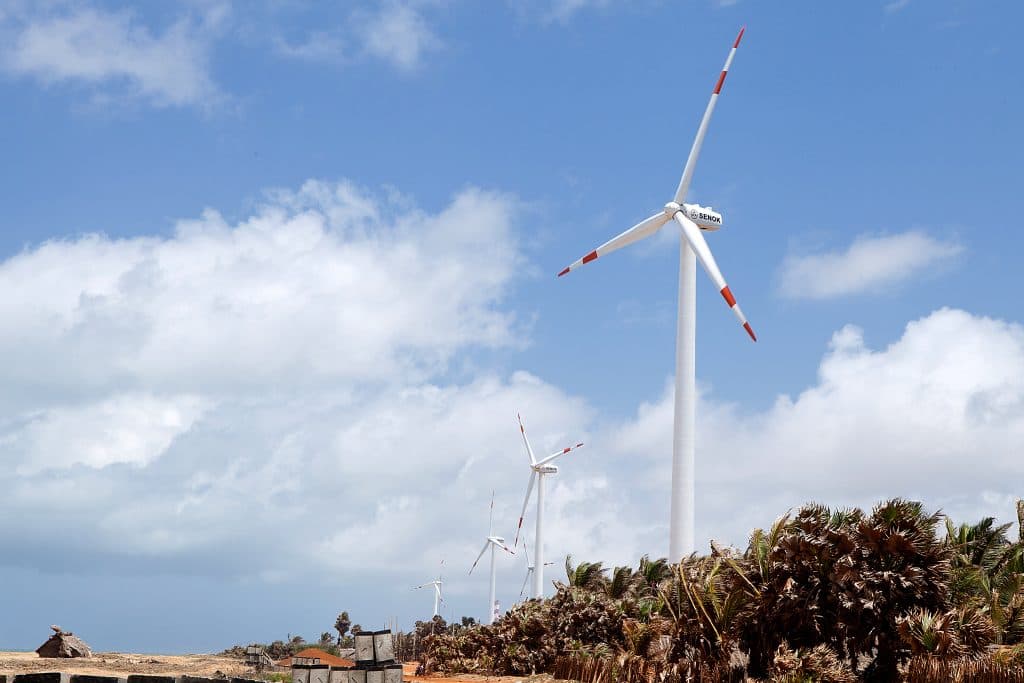
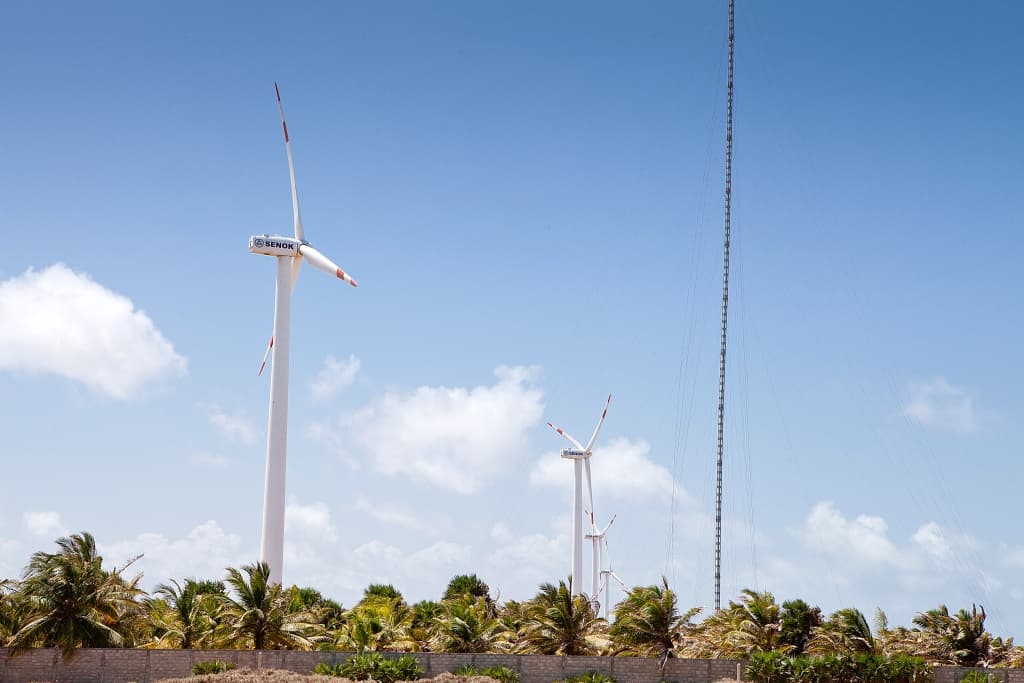
The purpose of the project is to use the wind energy potential in the Northwest coastal belt of Sri Lanka to produce a total of 10 MW of electricity, using eight 1.25 MW wind turbines. Based on the wind speeds at this location, this small wind farm generates an estimated net energy output of 27.638 GWh per year.
Through the generation of renewable wind power and the displacement of fossil fuel energy in the local electricity grid, the project generates annual emissions avoidance of just under 19,000 tonnes.
Over and above the direct environmental benefits derived from renewable electricity generation, this project enhances economic wellbeing and the sustainable development priorities of the country. It creates employment opportunities during the construction and operational phases and leads to the development of infrastructure and monetary investment in the region. This includes the improvement of the coastal road at Mampuri, which enhances the mobility of the local community.
Verification
This project is verified by the Gold Standard. You can view it on the Gold Standard registry here.

Climate Solution #2
Onshore wind turbines
Onshore wind turbines generate electricity at a utility scale, comparable to power plants. They replace fossil fuels with emissions-free electricity.
Today, 314,000 wind turbines supply nearly 4 percent of global electricity, and it will soon be much more. In 2015, a record 63 gigawatts of wind power were installed around the world.
Onshore wind farms have small footprints, typically using no more than 1 percent of the land they sit on, so grazing, farming, recreation, or conservation can happen simultaneously with power generation. What’s more, it takes one year or less to build a wind farm—quickly producing energy and a return on investment.
Photos
Locations
Mampuri, Sri Lanka
Benefits
SDGs supported


Verification
These partners help deliver the project and verify its impact.
Verifiers

Gold standard
This project is verified by the Gold Standard.