Reforestation

Restoring degraded land through agroforestry in Guatemala

Restoring degraded land through agroforestry in Guatemala

Why plant trees?

Reforestation replants trees on land hit by natural or human disturbance. It restores forest structure and canopy, protects biodiversity and watersheds, and promotes carbon sequestration.

Project summary

Why fund this project?

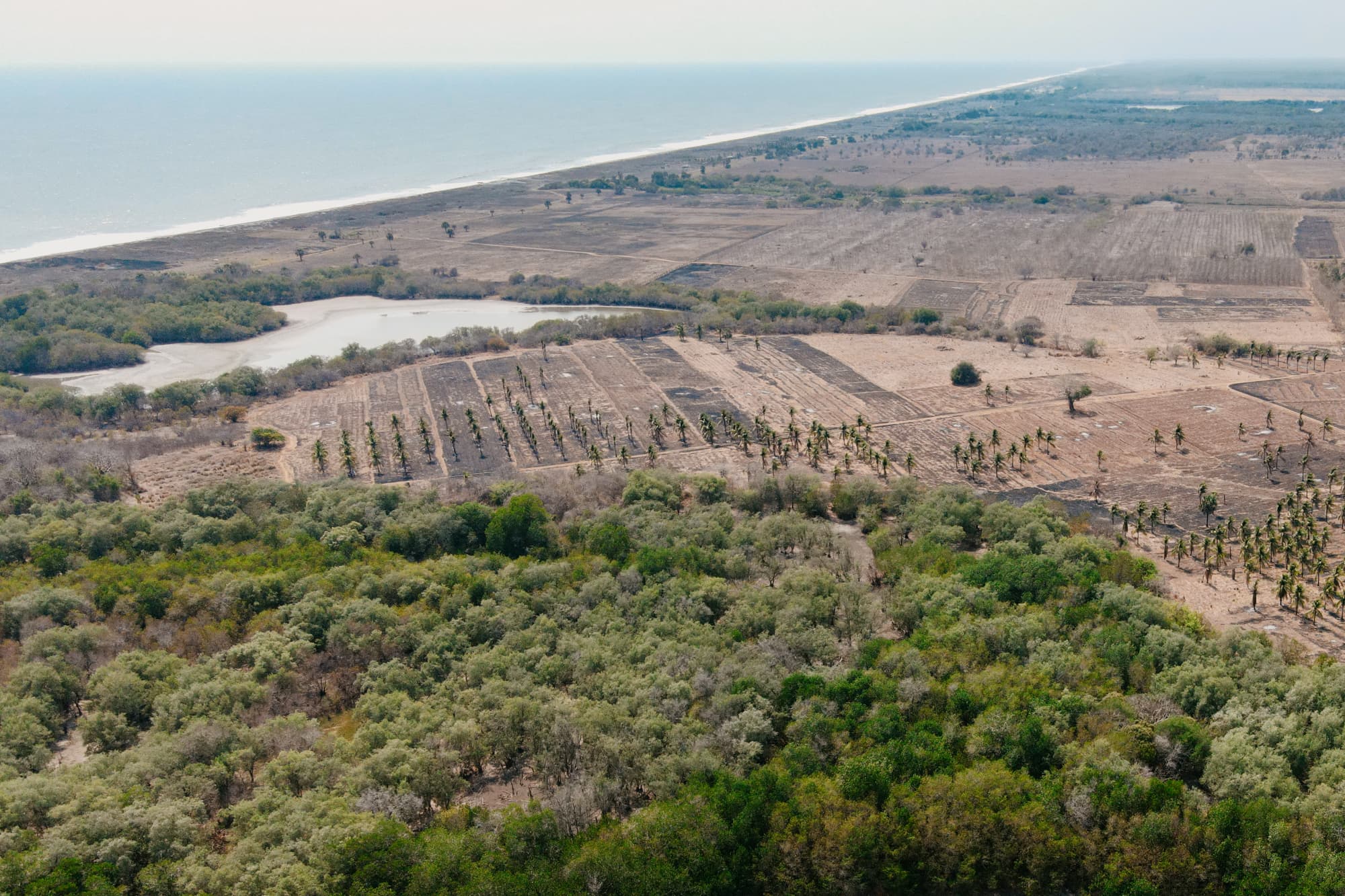
Many families in Guatemala are still recovering from the devastating effects of a 36-year-long civil war in the region. Communities have lost loved ones, livelihoods, and land. Guatemala's Fondo de Tierras department has been providing those most affected by the war with new land to restore their livelihoods. However, much of that land lacks its natural forest and good soil, making even basic agriculture difficult and unsustainable. 

There are 96 families living in Brisas del Mar. They live off their land and the estuary, in extreme conditions with food insecurity, lack of drinking water, and lack of electricity. This project will provide the first consistent jobs to this community.

An indirect benefit that has already been gained from our partner, Restoration Era, having talks with the government about working here is that the government has promised to bring electricity to the community and improve the water well for drinking water. 

The soil in this area is sandy, and the region is experiencing desertification. Our partner will focus on planting pioneer species that grow well in the sandy soil, establishing sustainable agroforestry projects using native species, and putting in place silvopasture systems so that the community can benefit long term.

Locations

Guatemala

Timeline

Follow the latest milestones and updates from this project.

Oct 2026
Managing drought in Guatemala

Managing drought in Guatemala

This part of Guatemala has experienced a severe drought, with only 10 days of rain this year. To adapt, they have had to get creative.

The team have planted hardy species that are drought-resistant and are clearing areas of brush to make room for assisted natural regeneration of the forest. They are already seeing great results from these efforts!

RestorationEra are also working with each family to restore the areas nearest to their homes, which can be watered by hand.

The local leaders are committed to making this project a success despite the circumstances!

Sep 2026
Educational day for children in the local community

Educational day for children in the local community

At the tree nurseries, 18 people have been provided with employment opportunities, including 5 men and 13 women.

The nursery in San Andrés focuses on providing work opportunities to a women’s group. These women were identified as single women in the community with dependents who needed income.

The regional manager, Eduardo, set up an educational day for children from the local community to learn about the importance of the forest and to have a fun day in the nursery, getting some hands-on experience.

These types of events help create community-wide buy-in and awareness, and plant a seed for future generations to care for the forests that are being restored.

Sep 2026
Forest restoration in Brisas del Mar uplifts the community

Forest restoration in Brisas del Mar uplifts the community

The community of Brisas del Mar felt, in many ways, forgotten. They were off the beaten path, and the road to their community often became impassable in the rainy season, leaving the community isolated.

This project has now attracted the attention of several great sponsors who are going to create jobs for the entire community! On top of this, the project has also attracted the attention of the local government, the Governor, and even the President!

This kind of opportunity will bring resources to those who need them most to restore their lands, bring sustainable business opportunities to the community, and create more equitable public services for the community.

Jul 2026
Two tree nurseries established!

Two tree nurseries established!

Two established nurseries are supporting the Brisas del Mar project.

One is focused on Buttonwood mangroves, which are terrestrial trees often referred to as ‘false mangroves'. These trees do very well in sandy coastal soils, which are a significant part of the Brisas del Mar area. The other is focused on native forest trees and agroforestry species.

Clearing of invasive brush has also been done to prepare the site for planting, and initial planting in the test plots has been successful. The initial larger-scale planting began on June 29th.

The community is excited for the work the project brings, the local cooling effects, and the improvement of the soil, which will benefit agriculture!

Benefits

Climate

By restoring native forests, carbon is sequestered from the atmosphere, erosion is reduced, flooding is prevented, and the area cools.

Nature

The project is restoring the forest habitat of all the wildlife that relies on the area. With less than 10% of its forest cover remaining, the plant and animal life in this region is highly threatened. The majority of the area is considered to have low biodiversity intactness, with the areas near bodies of water having medium biodiversity significance. BirdLife International lists part of the area as a key biodiversity area and lists the entire region as an endemic bird area. Conservation International also lists the entire project area as a Biodiversity Hotspot.

People

This project is enabling local people to restore their land so that they can sustainably work it for many generations to come, while preserving and increasing biodiversity in their community. The project will provide new sustainable income streams to enable local people to earn a reliable living.

Payments made through this project to the community for their work restoring this landscape will be the first income the community has had which allows them to access transportation, health care, consistent food and water, and create safer homes.

SDGs supported

No Poverty

Through job creation and creation of small businesses by improving access to market.

Zero Hunger

Healthy and diverse diets can be supported through the sustainable agriculture practices introduced by this project.

Good Health and Well-Being

By introducing sustainable agricultural practices, reducing harmful chemical exposure, increasing healthy food through agroforestry, and the environmental restoration improves water quality for the community

Gender Equality

Restoration Era hires across genders and empower women in traditionally male-led societies to take on leadership roles.

Clean Water and Sanitation

Restoration Era is providing every team member with filters, first aid materials, and training.

Decent Work and Economic Growth

Restoration Era provides all tree planters a living wage, meaningful work, and helps communities build sustainable businesses to care for their families.

Reduced Inequalities

Restoration Era focuses on employing those who are marginalized and providing economic stability for impoverished communities.

Sustainable Cities and Communities

Restoration Era works on sustainable agricultural initiatives and sustainable forest management plans for communities.

Climate Action

By restoring native forests, carbon is sequestered from the atmosphere, erosion is reduced, flooding is prevented, and the area cools.

Life on Land

This project will restore forest habitat for many species that rely on this lowland forest that has so little area left in Mesoamerica.

Partnerships for the Goals

Restoration Era partners with communities, governments, non-profits, and businesses to see holistic environmental and socio-economic transformation

Verification

These partners help deliver the project and verify its impact.

Suppliers

Restoration Era
Restoration Era

Restoration Era approaches environmental restoration with a community focus. Through this model, the ecology of degraded lands is restored, livelihoods are transformed by alleviating poverty, and lives are improved.