Context
The Sahel region, spanning 5,400km from the Atlantic Ocean in the West to the Red Sea in the East, is a climatic region in Africa located between the Sahara desert to the North and the Sudanian savanna to the South. Its tropical, semi-arid climate means that months often pass without rainfall. In recent years droughts have become common, with the most severe in recent times occurring between June and August 2010, when extremely high temperatures combined with a lack of rainfall to cause famine and illness across the Sahel. Such devastating weather patterns have been worsened by climate change – people in the Sahel are currently some of the most affected by climate change in the world, with their livelihoods becoming increasingly precarious.
The hot, dry climate means that desertification in the Sahel region is prevalent. Land once thriving with life is becoming desolate, with once fertile soils turning to dust. Desertification and land degradation are the biggest drivers of low agricultural productivity in Senegal, which is leading to poor food security, fewer job opportunities, and consequently increased migration from rural areas as people try to find work and make a living. A Senegalese NGO, Enda Energie, has estimated that 34% of arable land in Senegal is affected by desertification, and this has led to the loss of over 30% of forests in the country.
Other factors driving land degradation and desertification in the region include overgrazing, deforestation, and unsuitable agricultural practices. Without action to change these patterns, local communities risk losing access to fertile land.
Fortunately, there are simple solutions that can be quickly and effectively implemented, including tree planting and ecosystem restoration! Planting trees in this region contributes to both mitigation of and adaptation to climate change. Over time, healthy ecosystems can become reestablished in areas where land degradation and desertification once threatened to permanently end the ability of local people to live off the land.
Planting Partner
Hommes et Terre (H&T) is a private social profit company whose mission is to develop and execute large-scale reforestation and land management programs, to guarantee local people long-term access to sufficient fertile land.
H&T’s strategy is based on a win-win business partnership with local communities, which helps improve the long-term protection of the forest by instilling a sense of pride in, and fostering a deep understanding of the value of, the trees among local people. By signing a 30-year partnership agreement with the partner village, which is validated and co-signed by the local authorities in accordance with local land registry laws, H&T ensures that the land and the project is protected from damage from external parties who may wish to exploit the site for commercial purposes, but the local community remains the owner of the land.
The people in the partner village involved in the project are paid by H&T for a variety of services, including seed collection, monitoring activities, and surveillance.
A Cellule Villageoise is formed from village members to give the community a voice in the direction of the project, which must contain at least one female. The Cellule Villageoise, Local Forestry Agents, Regional Strategic Counsel, and H&T’s field agents work together to ensure the organisation required to properly manage the project and the common good.
The Project
This project will be located in the Tambacounda region of Senegal, in the commune of Golmi. This location is close to 20 existing partner villages of H&T in the Bakel and Goudiry regions – the team know the area very well and are experienced in working with local people in this location.
In total, 245 hectares of degraded land will be restored by this project. 367,500 trees will be planted across this area, consisting of at least 10 different species. The community chooses which species they would like to plant, with their decisions often being driven by what products of the trees they believe they can sell and therefore make a sustainable income from.
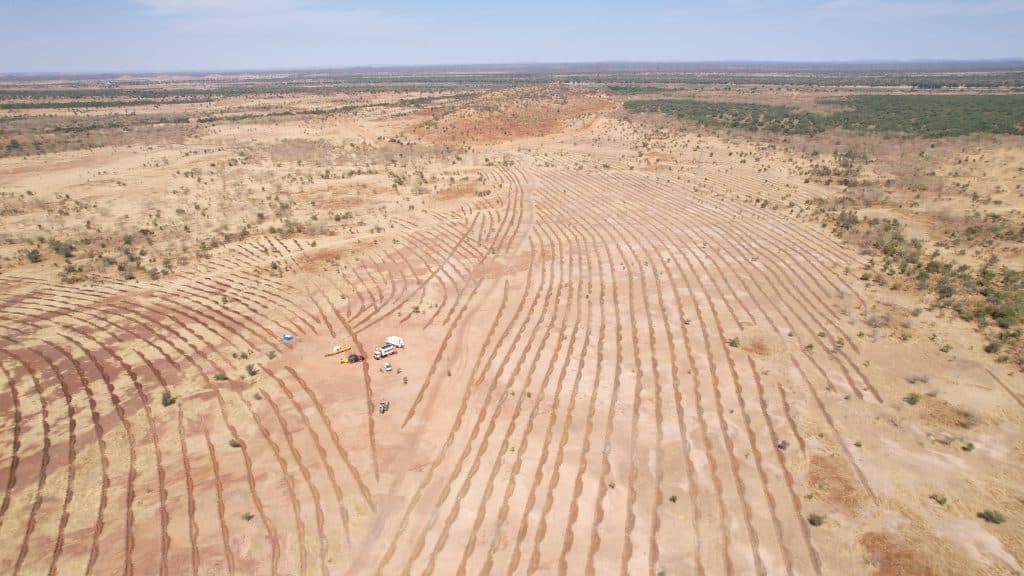
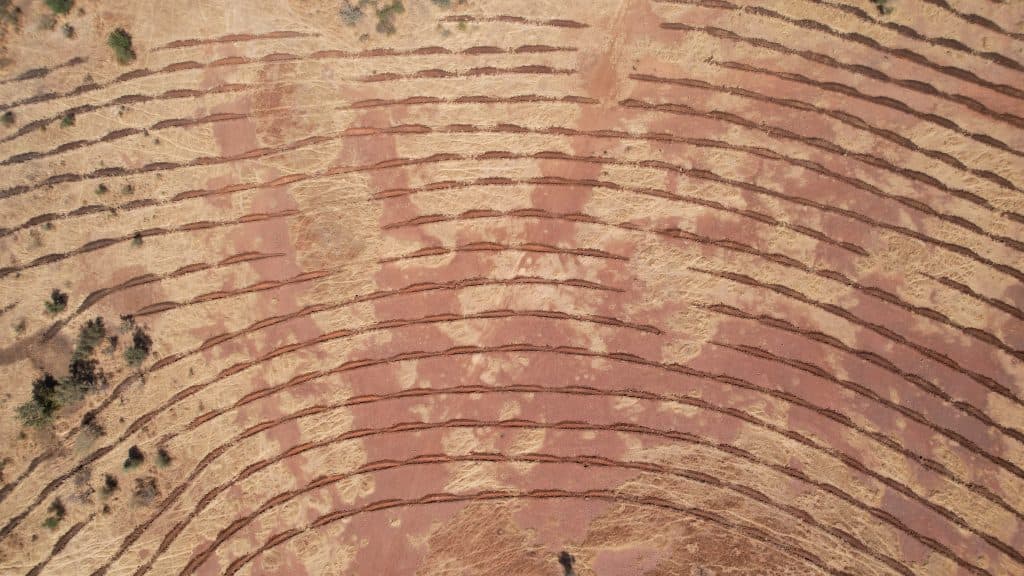
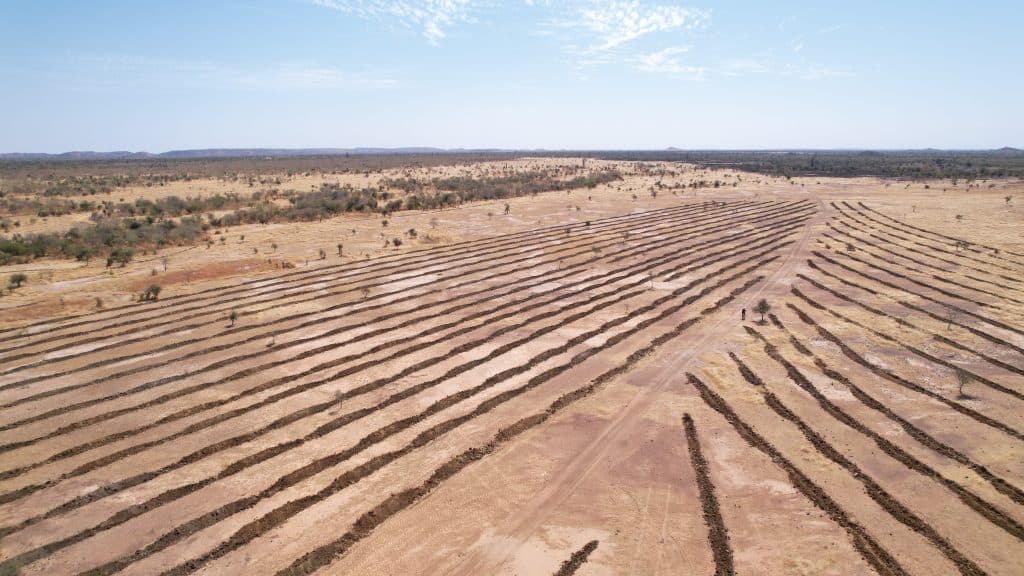
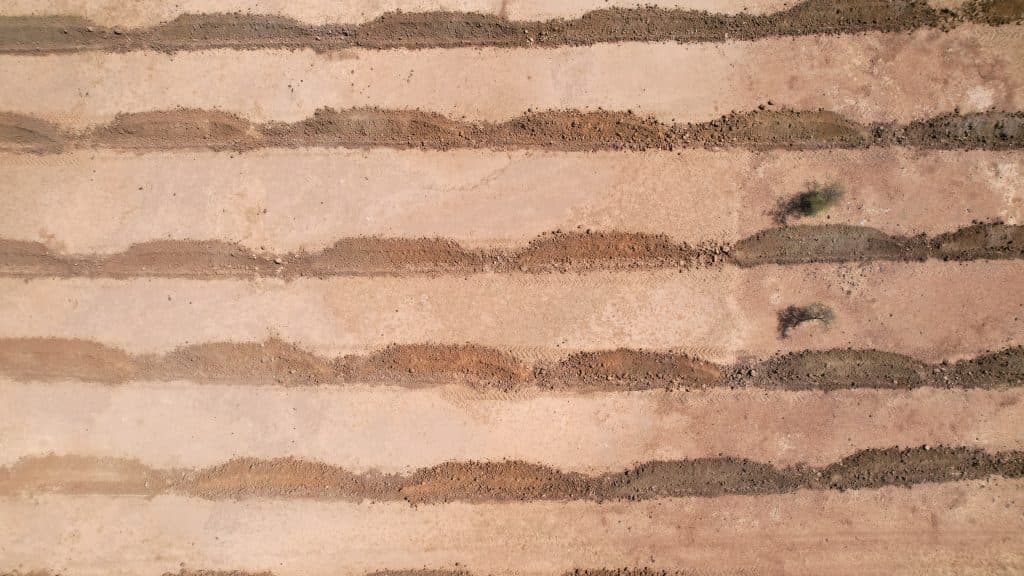
To ensure the right conditions for the trees to flourish, H&T creates “half moons”, micro-bassins that retain water during the rainy season.
The trees planted in this project will contribute to both climate change adaptation and mitigation. They help villages adapt to the impacts of climate change because they help to improve the soil and create resistance to drought. Agroforestry systems store carbon in trees and soil, shading crops, and creating a microclimate.
After 1 and 3 years of the project starting, Forestry Monitoring reports will be put together to assess the success of the project in terms of the survival and health of the trees. Additionally, H&T staff will interview the Cellule Villageoise to learn about the impact of the project from their perspective, and wider investigations are conducted to better understand the socio-economic impacts of the project on the local community, and determine what remediations are needed to reinforce the partnership between H&T and the village.
See the project site on Restor here.
Latest project update
The earthworks for this project have now been completed! This is an important step that prepares the ground for planting in a few months’ time. Seed collection from the local area will continue into April, and a sowing team of local community members will be formed in May. They will begin sowing the seeds in June, when the rainy season starts to give the seeds the best chance of germinating and growing into healthy trees. Replanting and resowing will be done next year to make sure the target number of healthy trees – 367,500 – is reached.
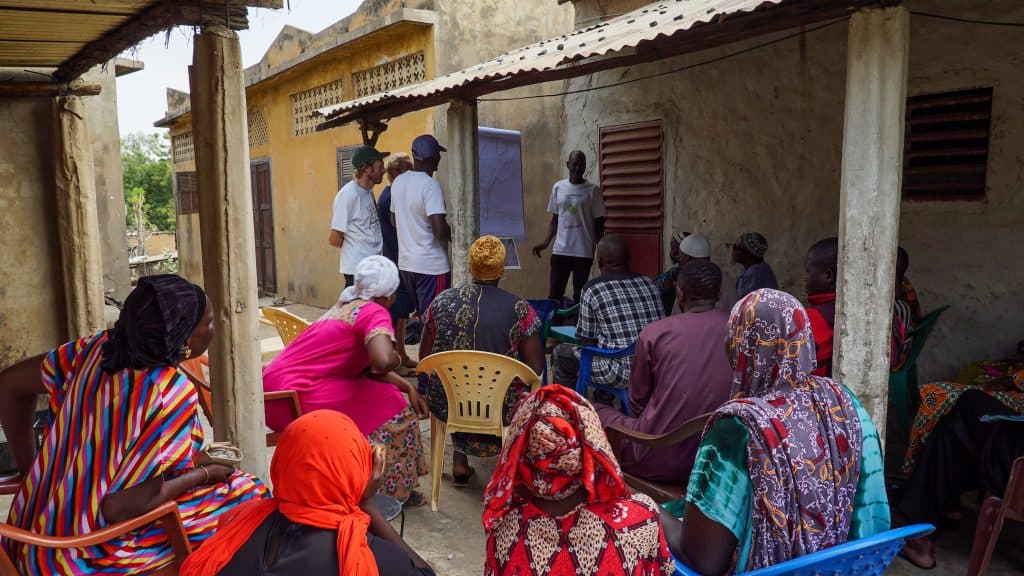
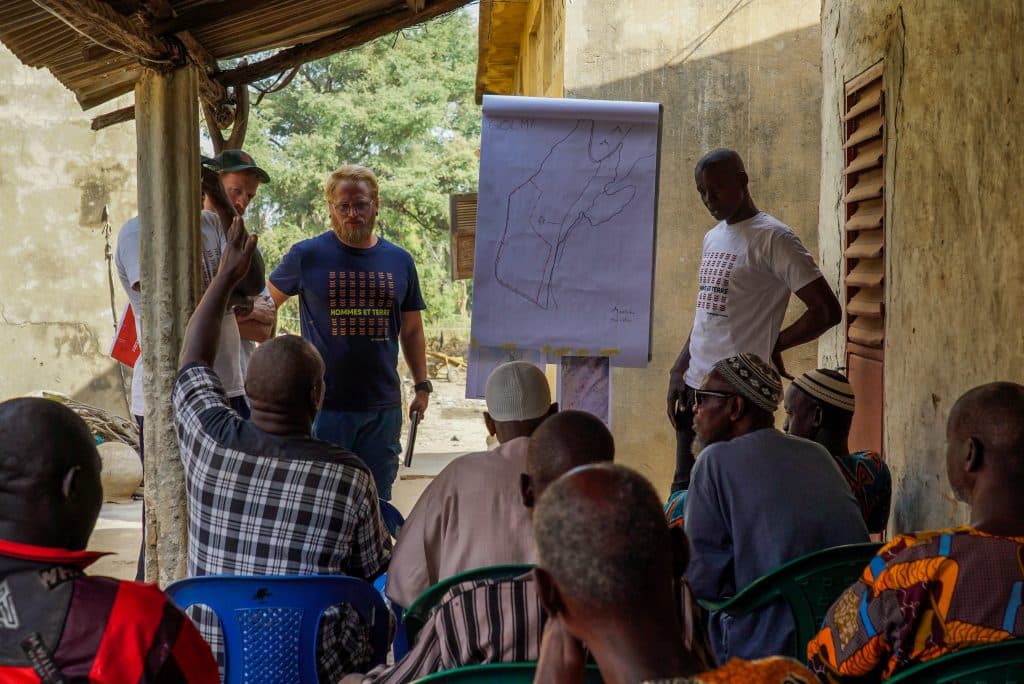
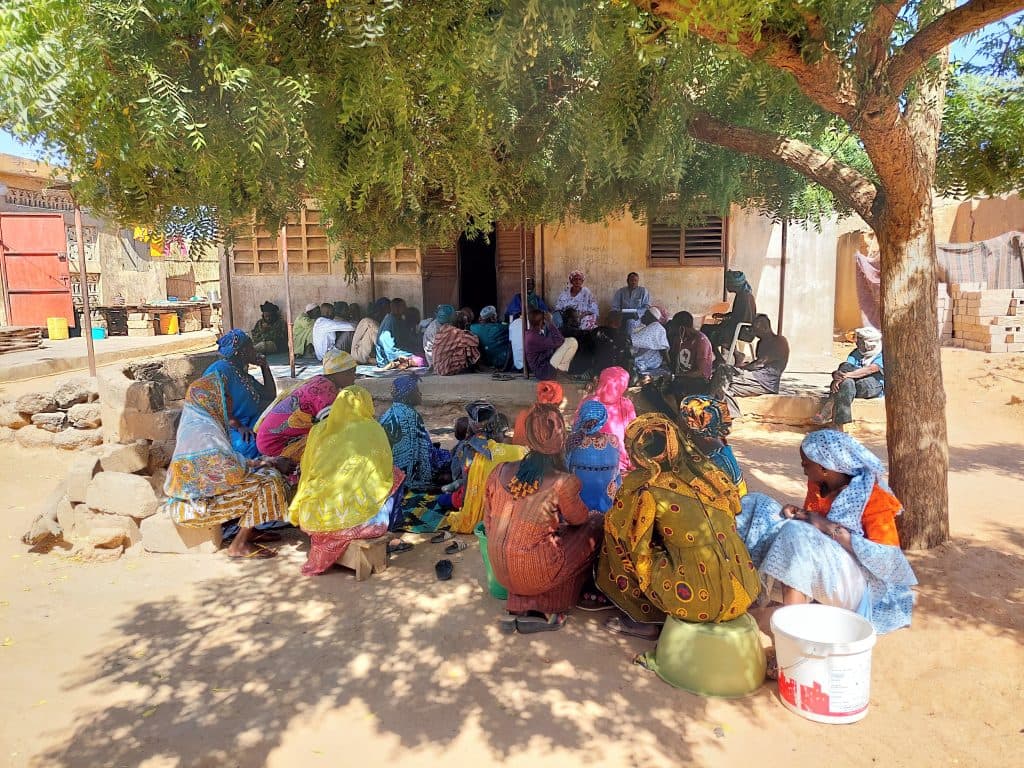
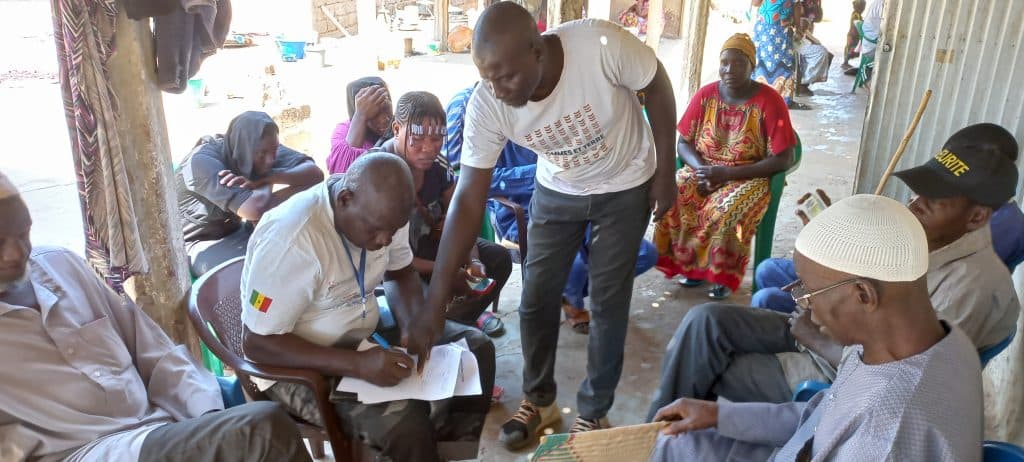
The H&T team are continuing to work with the local community, discussing and setting the rules for managing the site, and raising awareness of the importance of the project for the local environment.
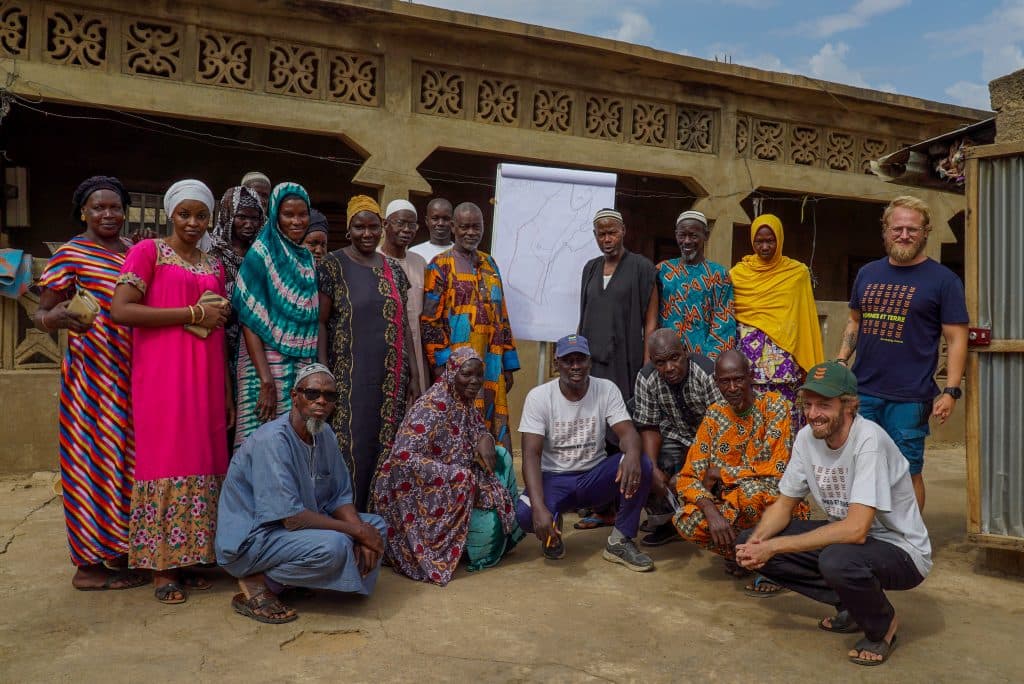
Hommes et Terre staff working with the local community to decide on the project area, and discussing how the project should be implemented so that it is managed properly going forward.
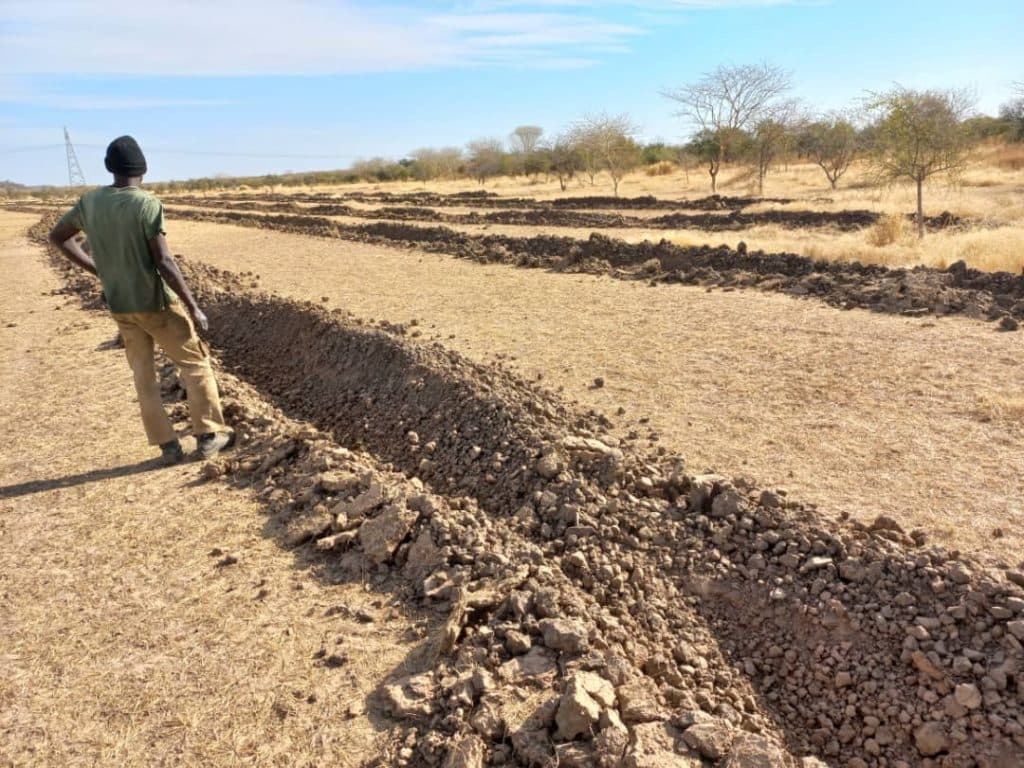
The earthworks have been completed – these “micro-bassins” will help catch water so the seeds sown have enough moisture to germinate and grow.
Climate Solution
Tropical Forest Restoration
It is estimated that 287 million hectares of degraded land in the tropics could be restored to continuous, intact forest. Using current and estimated commitments from the Bonn Challenge and New York Declaration on Forests, our model assumes that restoration could occur on 161-231 million hectares.
By protecting currently degraded land and allowing natural regrowth to occur, committed land could sequester 1.4 tons of carbon dioxide per acre annually, for a total of 54.5-85.1 gigatons of carbon dioxide by 2050.