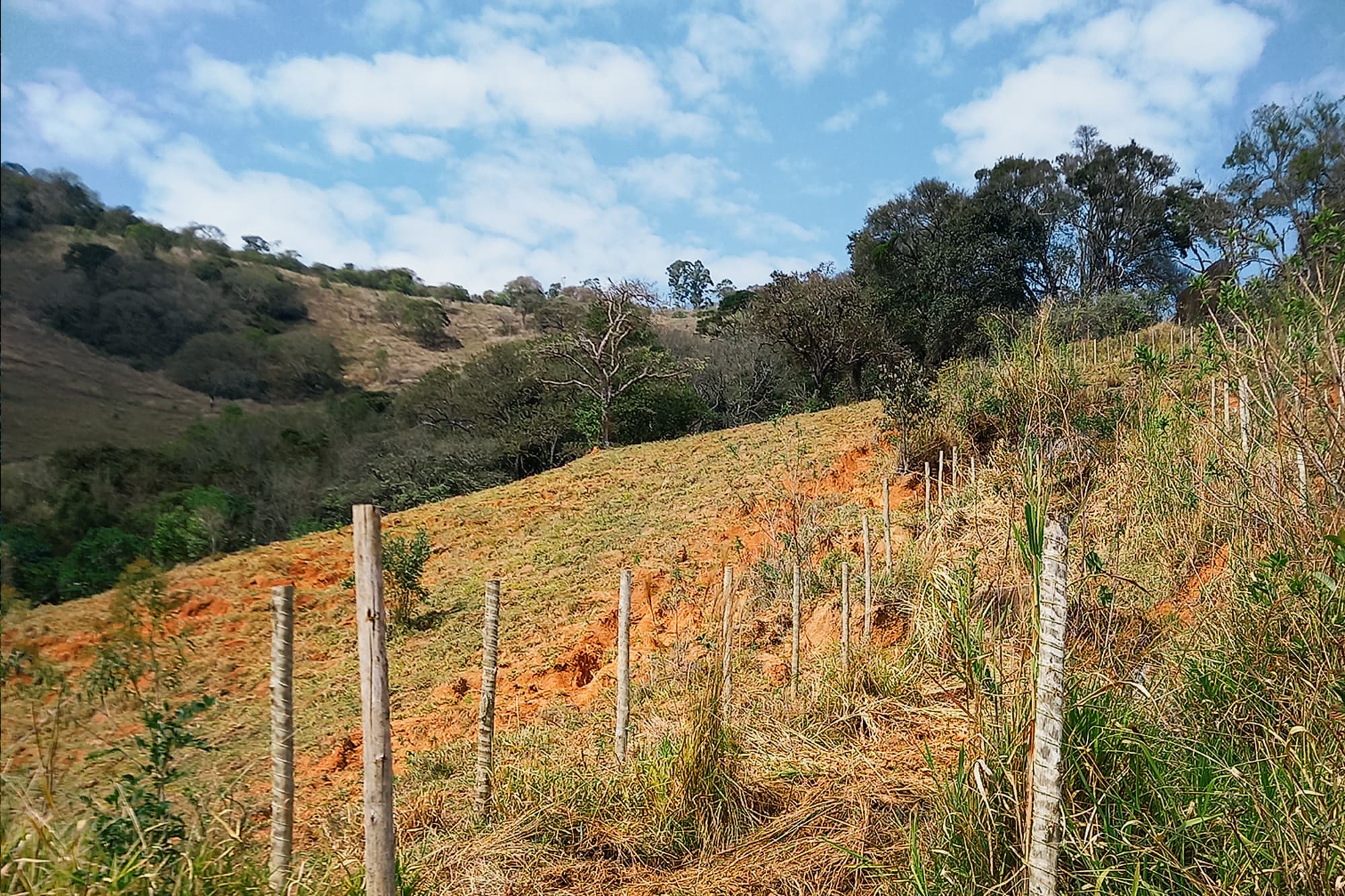
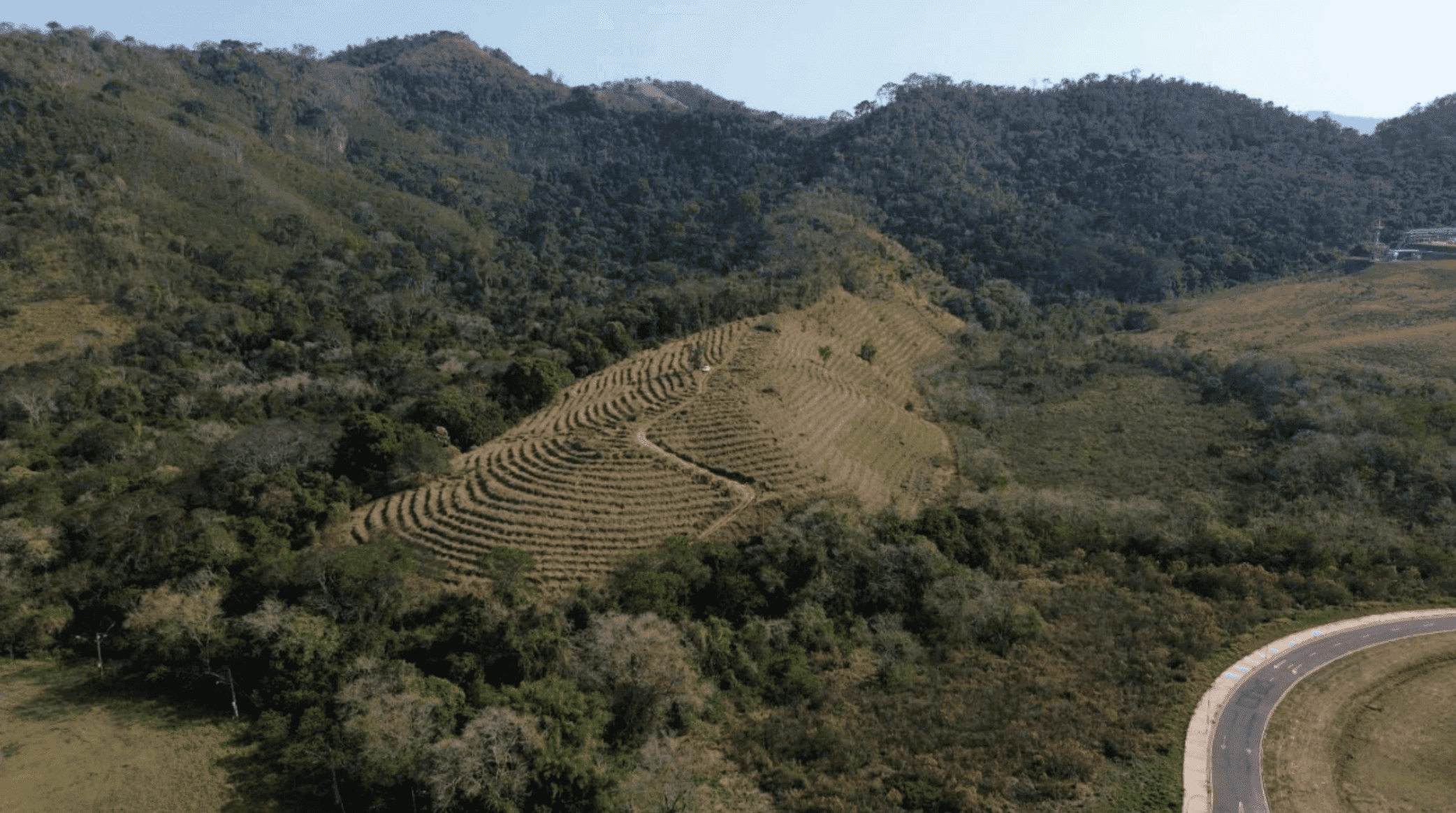
Brazil is home to six terrestrial biomes, including the famous Amazon rainforest. Second to its biggest brother, the Atlantic Forest once covered over 1.2 million square kilometres (about a quarter of the size of the Amazon). It stretched up and down Brazil’s coastline, and covered parts of Paraguay, Uruguay, and Argentina. Being isolated from the Amazon, and located where the majority of historical human development took place, around 25% of original forest cover remains, mainly in small degraded patches and protected areas. No other large tropical forest ecosystem has suffered as much loss as the Atlantic Forest. Timber exploitation, sugar cane and coffee plantations, cattle ranching, and urban sprawl are the main drivers of forest loss here. Even though the rate of loss has significantly dropped in the past decades, the Atlantic Forest continues to suffer from deforestation.
However, public authorities are acknowledging the crucial need to preserve the remaining forest: no less than 70% of the Brazilian population, as well as the remarkably rich biodiversity including many species threatened with extinction, rely on the standing forest and restoration efforts. Over 23,000 plant species, 40% of which are endemic to the Atlantic Forest, have been recorded in the ecosystem, as well as 264 mammal species, nearly 1,000 birds, 456 amphibians, over 300 reptiles, and 350 freshwater fish. A third of those species cannot be found anywhere else in the world.
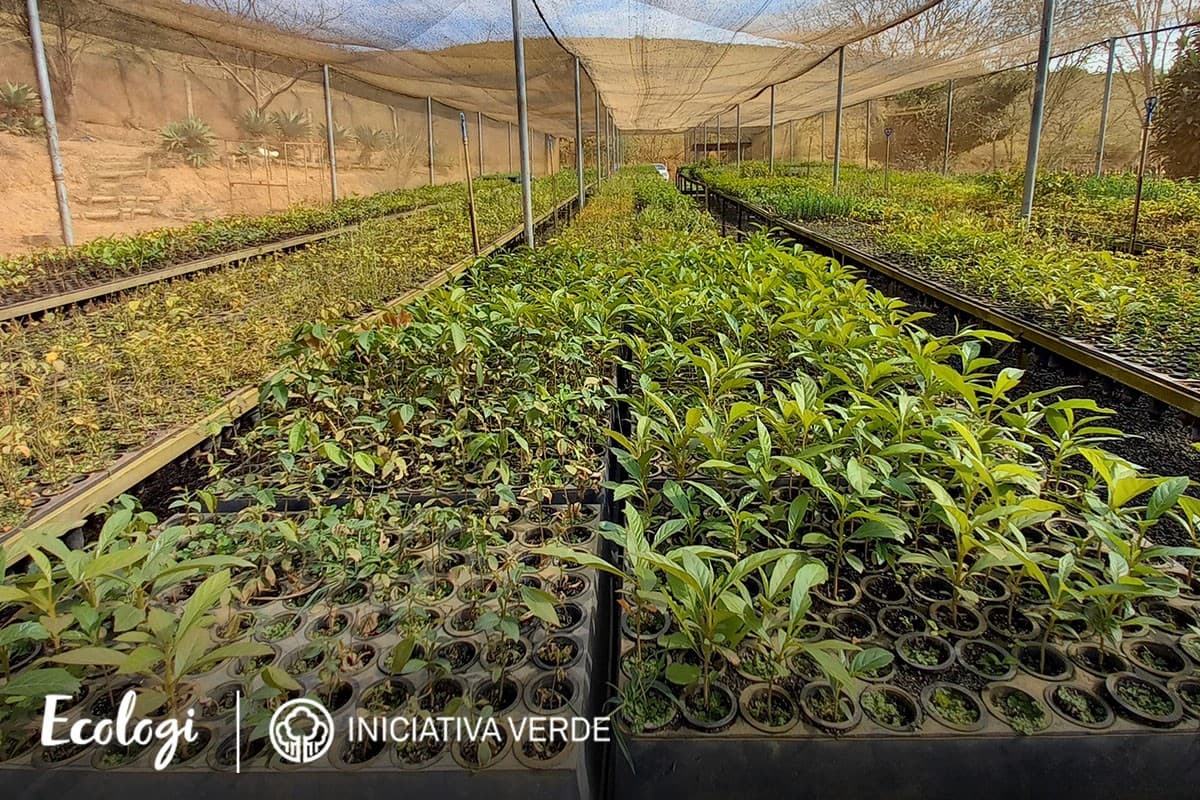
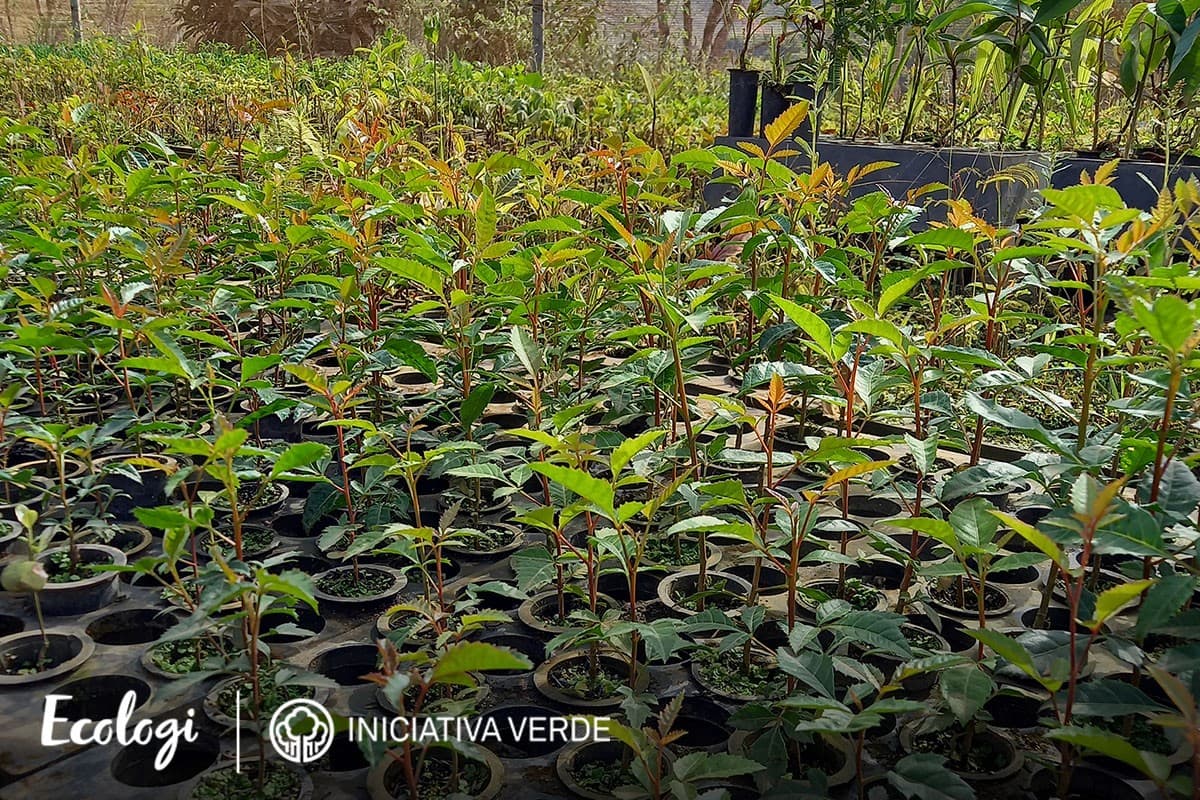
Environmental organisations are strongly pushing for more ambitious action to conserve and restore degraded areas of the Atlantic Forest. And the potential for improvement is huge, especially on degraded pasture land.