
Restoring native Polylepis forests in the high Andes
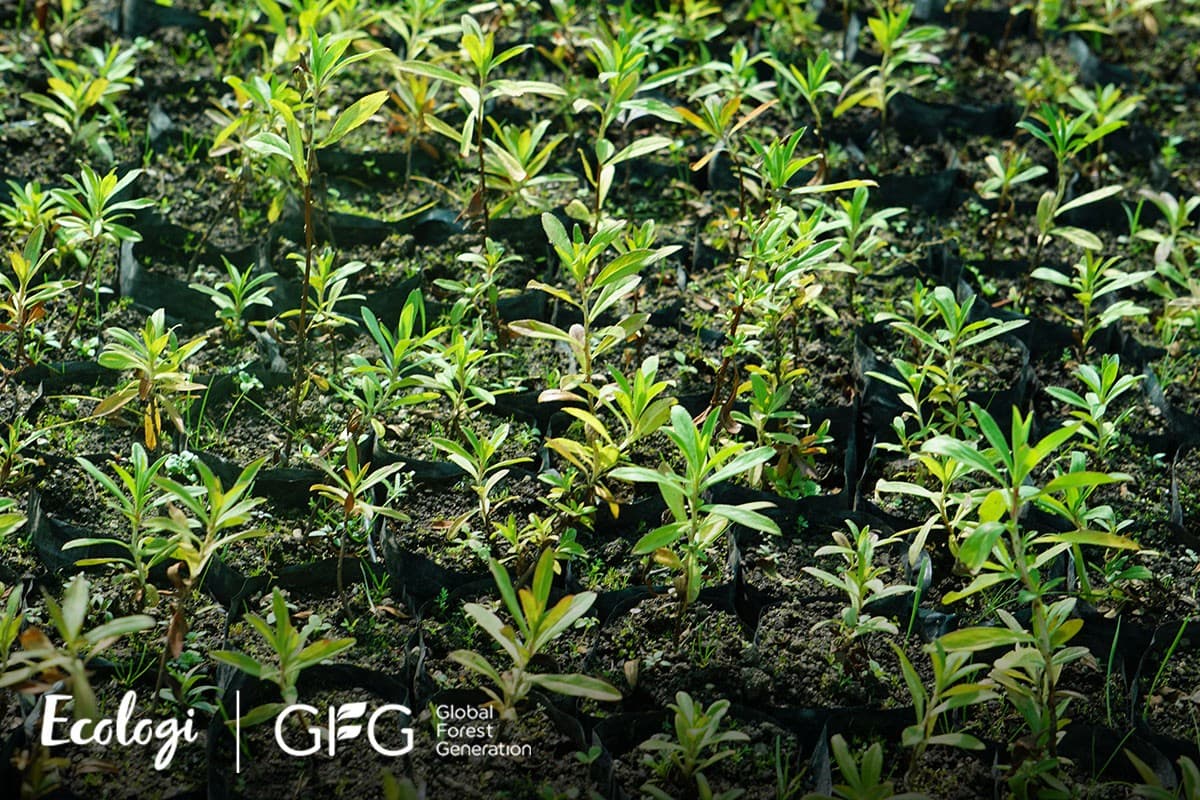
Why support Polylepis forests?
The Andes mountains are home to one of the most important habitats in the world in terms of the biodiversity and people it supports – Polylepis forests. Polylepis trees can grow at altitudes of up to 5,000m above sea level, meaning they often form the treeline just below Andean glaciers.
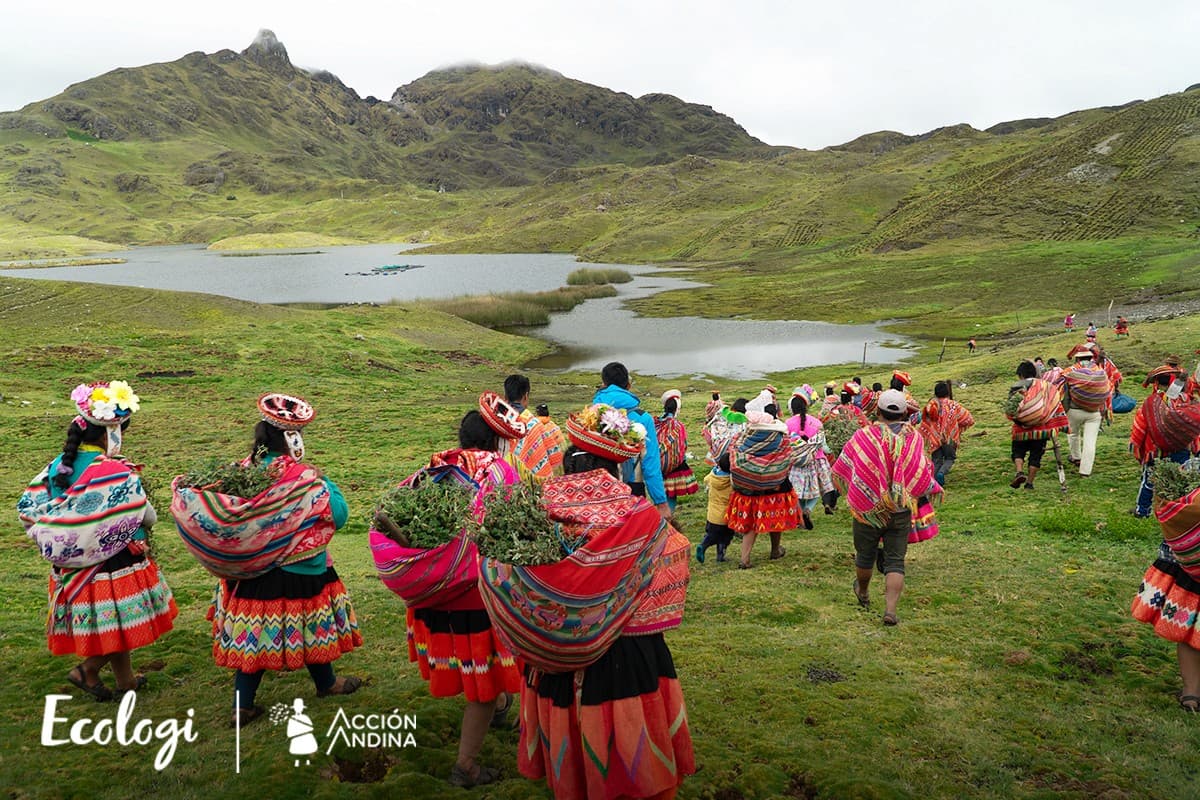
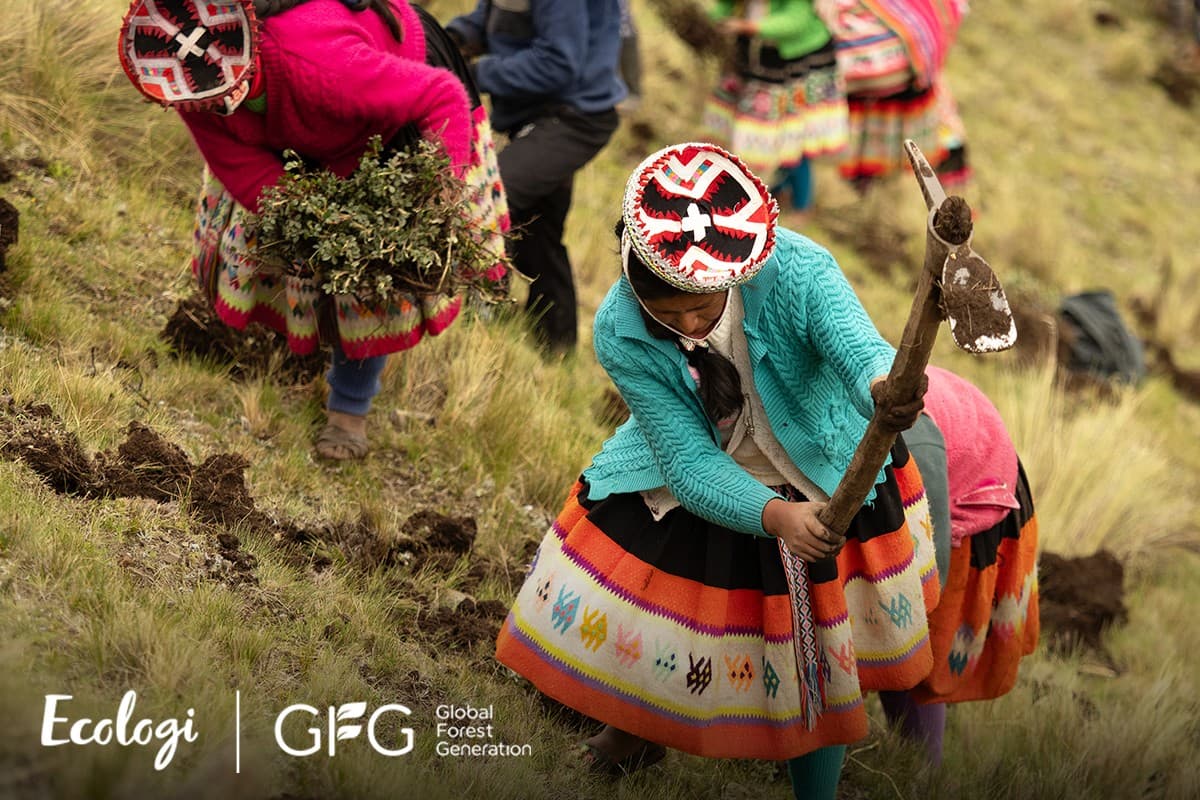
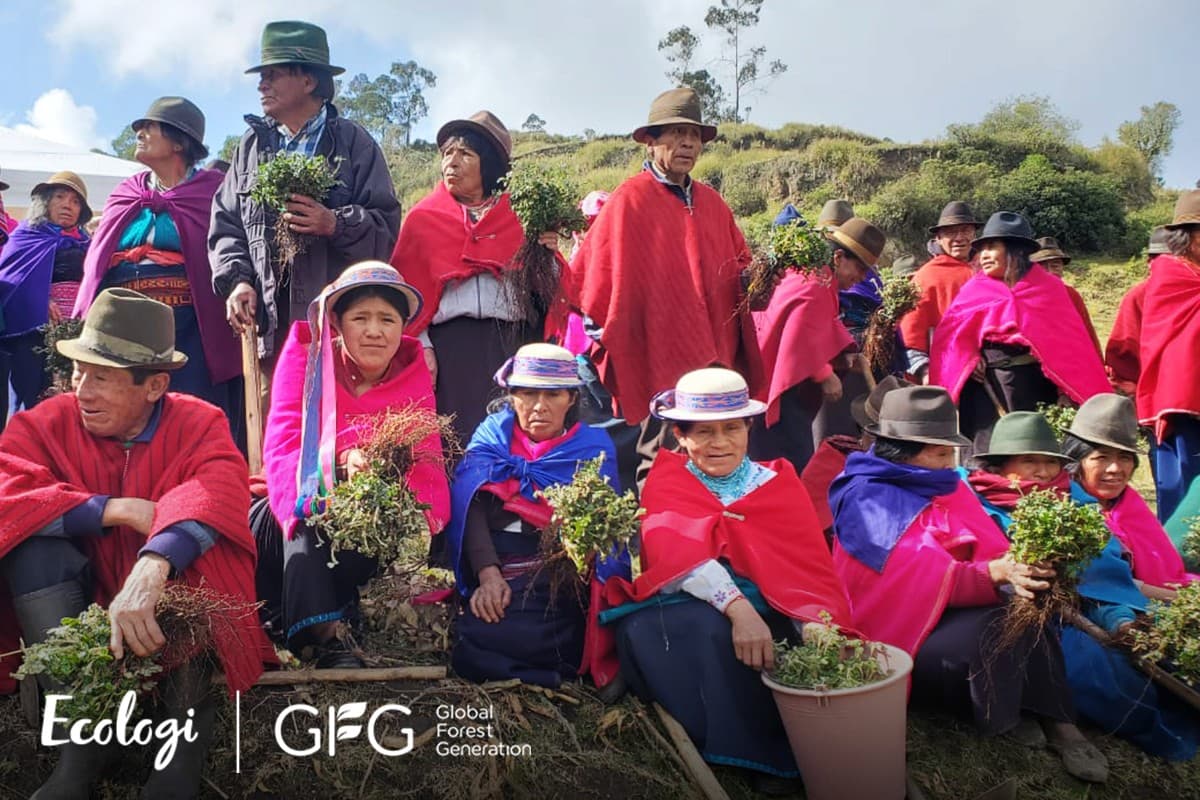
Unfortunately, Polylepis forests in the Andes have been threatened for some time now by deforestation. Indigenous people who live close to the remaining forests are working with local tree-planting organisations to protect the remaining native forests and restore areas that have been deforested, planting a range of native species, including Polylepis.
The tree planting projects we will be supporting through GFG are part of an initiative spanning 5 countries in South America (Ecuador, Bolivia, Peru, Chile, and Argentina) called Acción Andina.
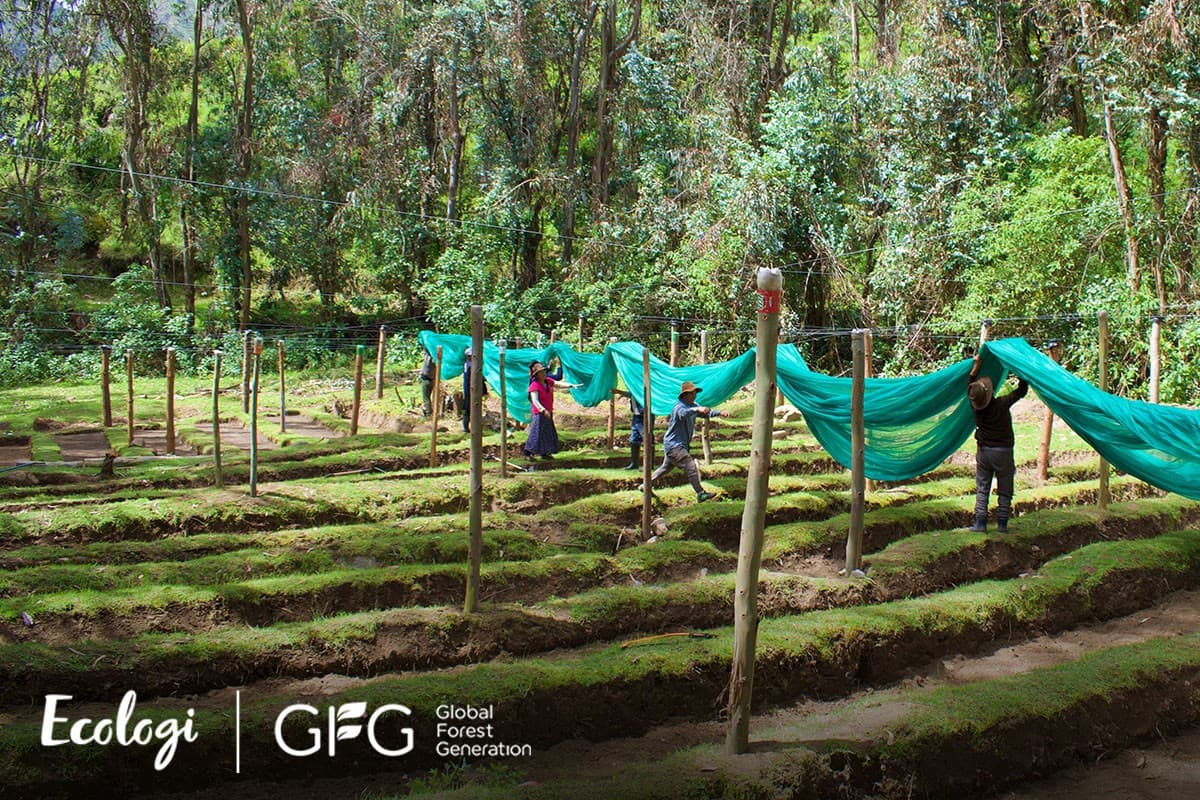
Ecologi has already funded the planting of over 450,000 trees over the last 2 years, and this year we will be funding the planting of another 97,697 trees in the Andes mountains. These trees will be planted across 22 different projects across Argentina, Ecuador and Peru.
On average, between 65 and 90% of the trees planted will be locally prevalent species of Polylepis, such as Polylepis australis and Polylepis tomentella in Argentina, or Polylepis pauta and Polylepis incana in Peru. The remaining trees will be made up of other native species, such as Alnus acuminata, Schinus molle, Jacaranda mimosifolia, Acacia visco, Tipuana Tipu, Erythrina falcata, and Buddleja coriácea in Bolivia.
Planting takes place in Acción Andina during the high Andean rainy season, mostly from October through March or April. Local Acción Andina partners plant only native species at strategically chosen sites based on proximity to existing high Andean forests, land management plans made with governing authorities and local communities.
Explore the sites we’re supporting in Argentina on Restor: Córdoba, Norte de Jujuy, and Sur de Jujuy.
Explore the sites we’re supporting in Bolivia on Restor: Norte de Tunari, and Sur de Tunari.
Explore the sites that we’re supporting in Ecuador on Restor: Chimborazo, Imbabura, Noroccidente de Pichincha, Nororiente de Pichincha, Tungurahua 1, and Tungurahua 2.
Explore the sites we’re supporting in Peru on Restor: Aquia, Ccorca, Challabamba, Nor Yauyos Cochas, Q’eros, and Vilcanota.
2025
Project Locations in 2025:
● Argentina - Árbol y Vida Puna & Yala Projects
● Argentina - Fundación Actividades Biosféricas Córdoba Project
● Ecuador - Aves y Conservación Imbabura & Yanahurco Projects
● Peru - Conservación Amazónica Challabamba Project
● Peru - ECOAN Vilcanota Project
This season we’re contributing towards the growing, planting and monitoring of 97,697 trees.
Acción Andina projects are also implementing water resource management activities this year (2025).
One example: Tungurahua, Ecuador: Fundación Incana delivered a significant upgrade to the drinking water system in the Cunugyacu community by providing 500 pressure tubes for drinking water systems. There, 50 community members participated in a massive minga (collective work day) to excavate ditches, remove old piping, and successfully install the new system. This collaboration resulted in improved and higher-quality water flow, eliminating frequent interruptions to enhance the daily lives of residents directly.