
Dec 2026
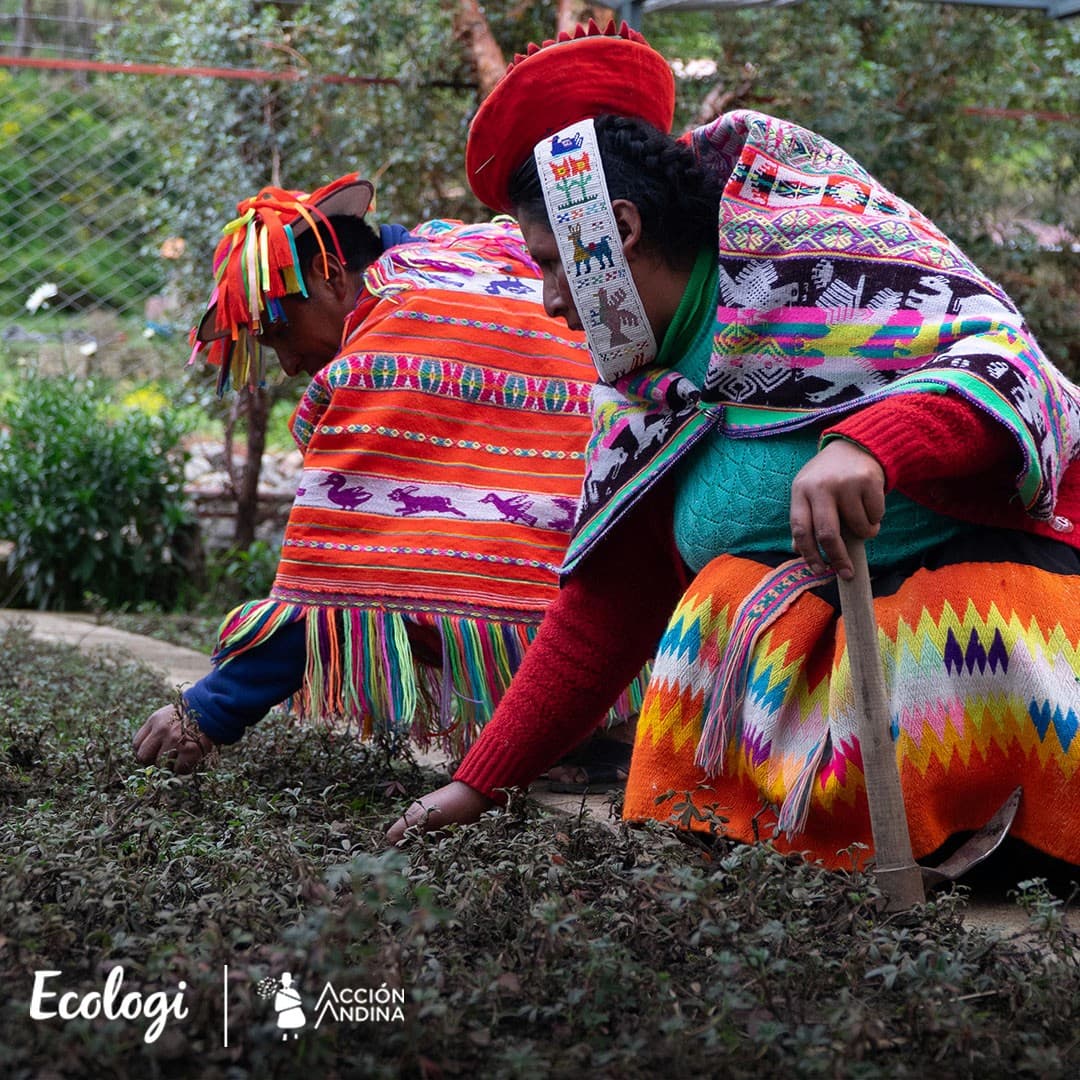
Over 1,000 engaged participants
Across the various project regions, these initiatives have directly engaged a total of 1,113 participants in specialised workshops and educational events during the 2025 season.
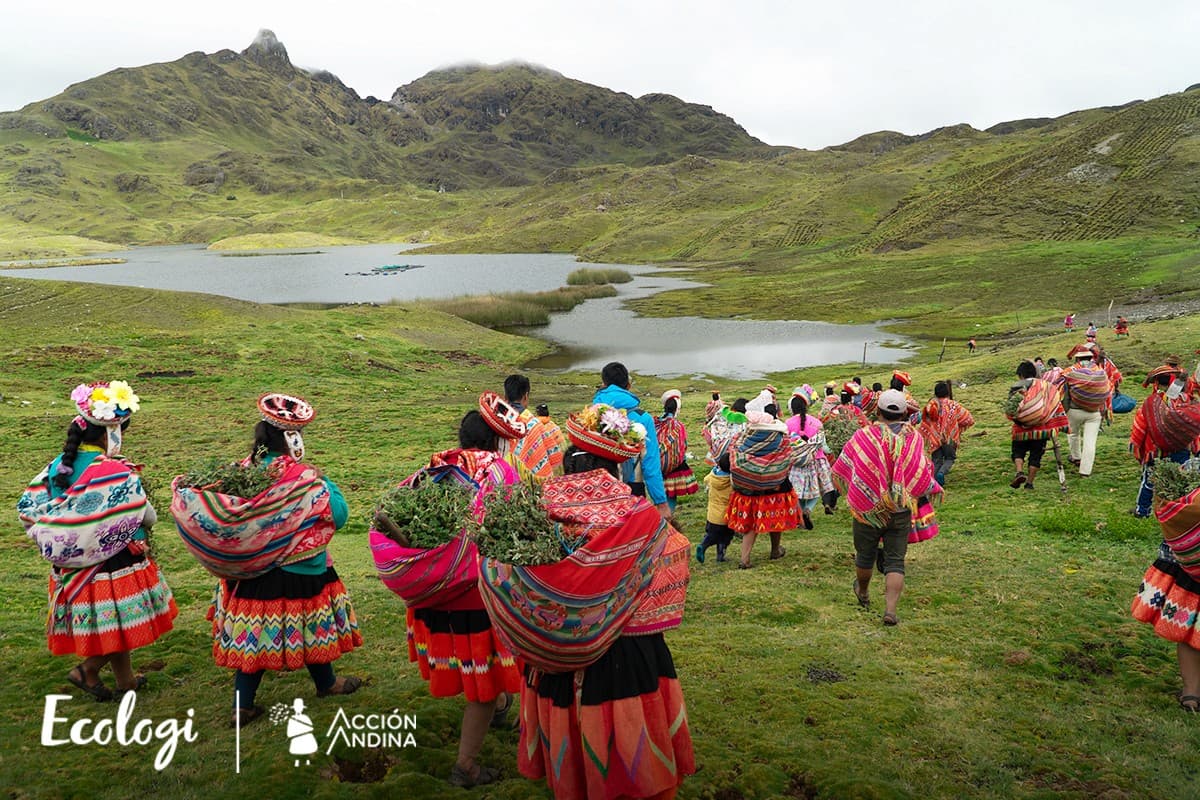

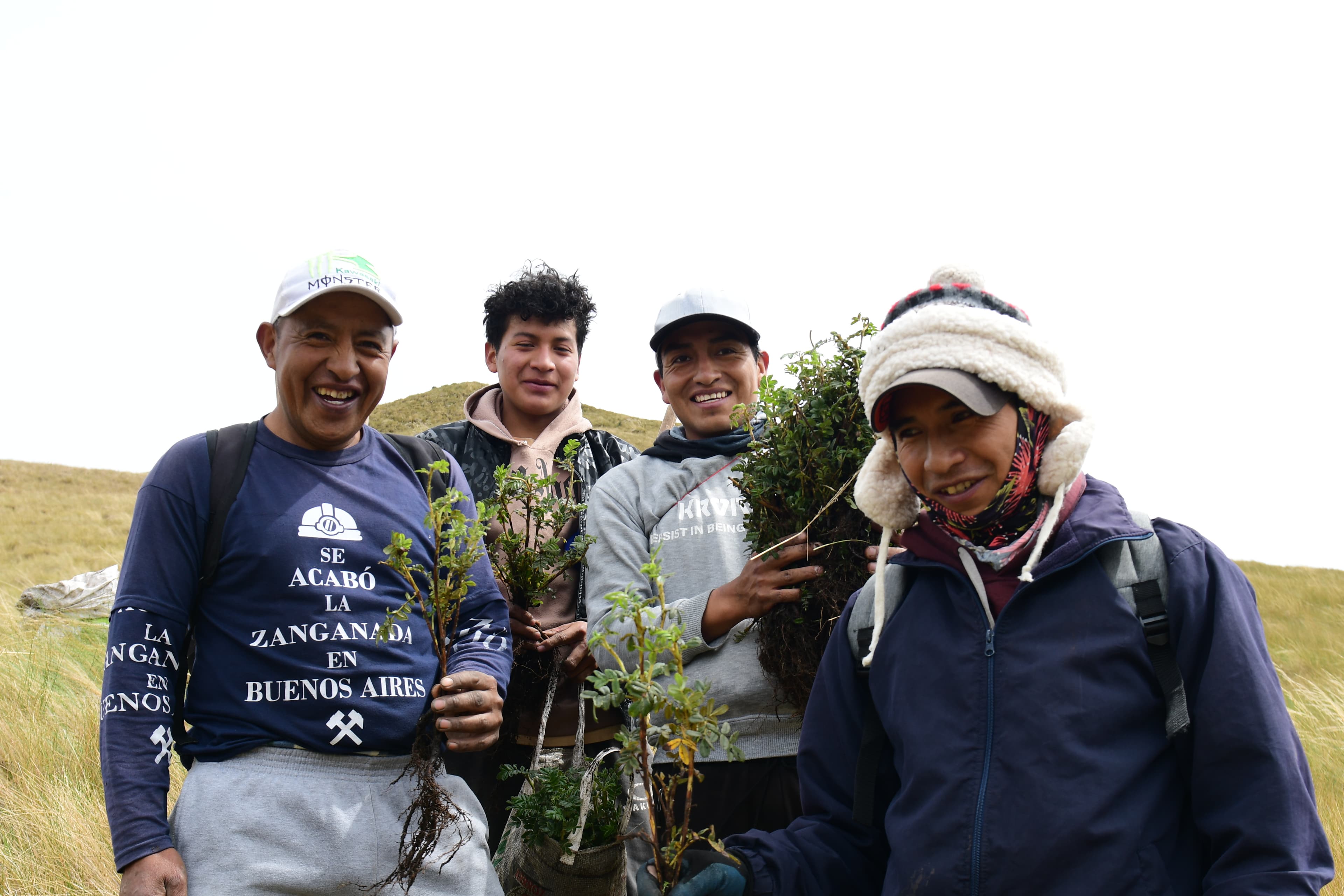
The Andes Mountains are home to one of the most important habitats in the world in terms of the biodiversity and people it supports – Polylepis forests. Polylepis trees can grow at altitudes of up to 5,000m above sea level, meaning they often form the treeline just below Andean glaciers.
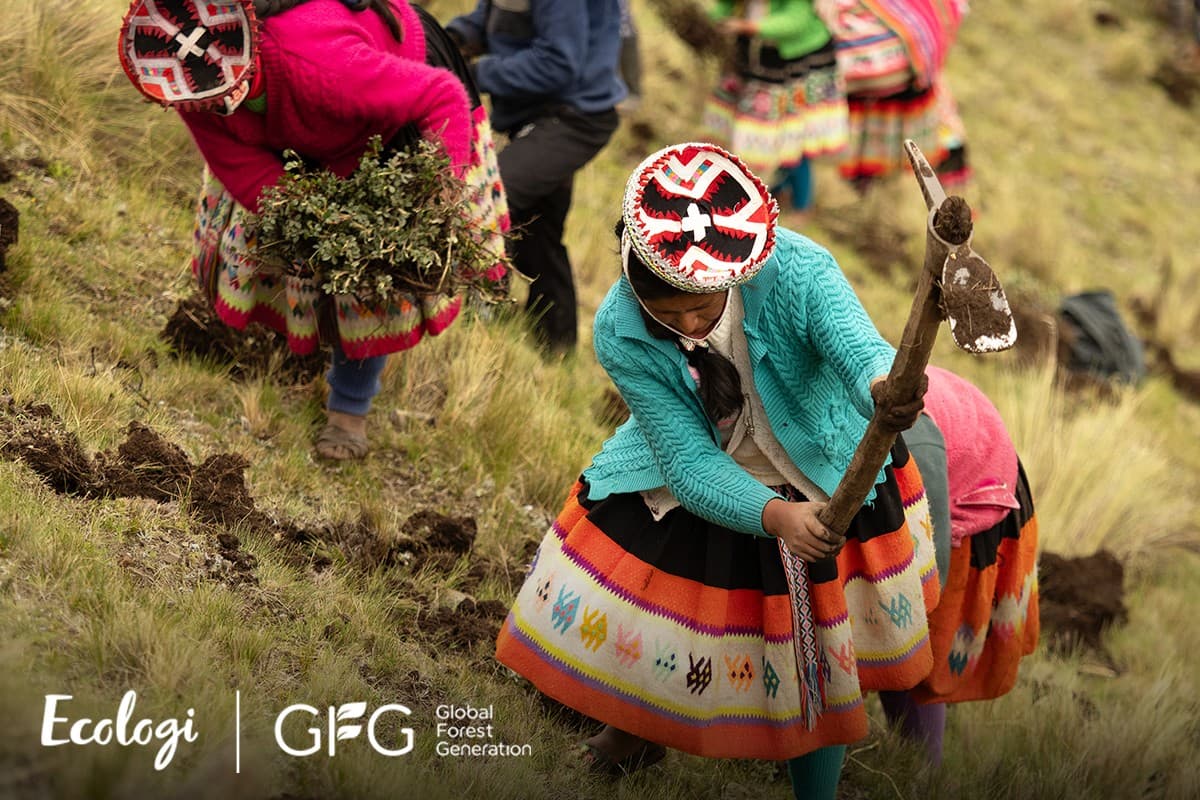
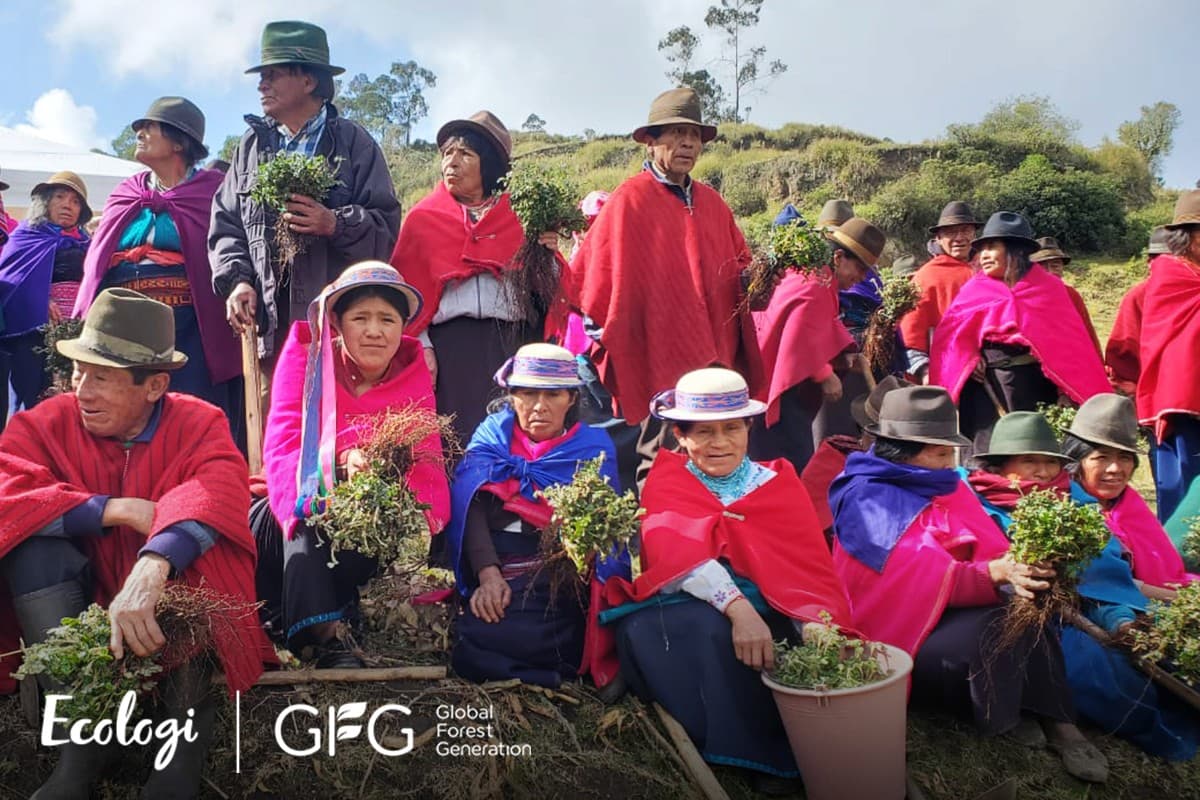
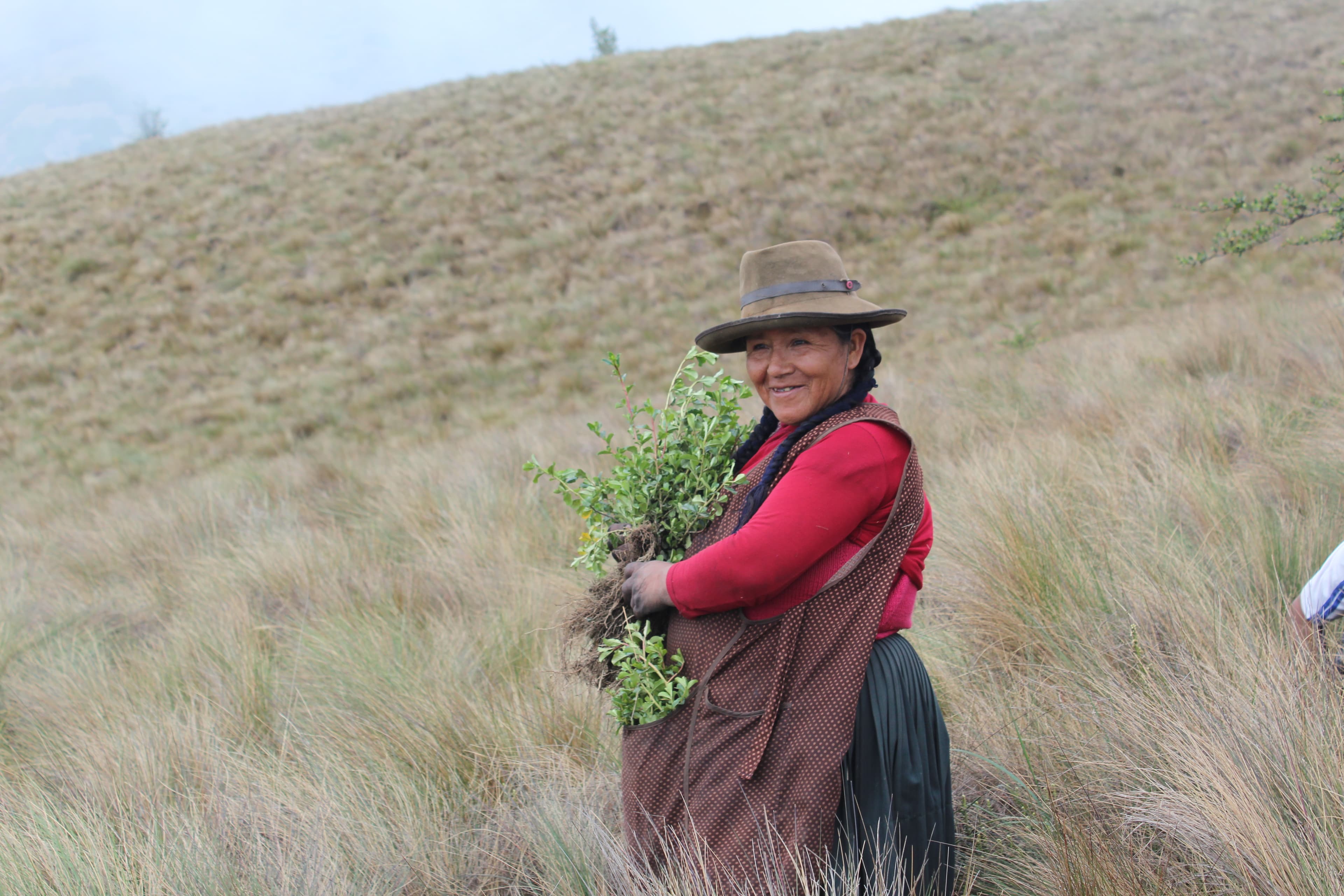
Unfortunately, Polylepis forests in the Andes have been threatened for some time now by deforestation. Indigenous people who live close to the remaining forests are working with local tree-planting organisations to protect the remaining native forests and restore areas that have been deforested, planting a range of native species, including Polylepis.

Reforestation replants trees on land hit by natural or human disturbance. It restores forest structure and canopy, protects biodiversity and watersheds, and promotes carbon sequestration.
The tree planting projects we will be supporting through GFG are part of an initiative spanning 5 countries in South America (Ecuador, Bolivia, Peru, Chile, and Argentina) called Acción Andina.
On average, between 65 and 90% of the trees planted will be locally prevalent species of Polylepis, such as Polylepis australis and Polylepis tomentella in Argentina, or Polylepis pauta and Polylepis incana in Peru. The remaining trees will be made up of other native species, such as Alnus acuminata, Schinus molle, Jacaranda mimosifolia, Acacia visco, Tipuana Tipu, Erythrina falcata, and Buddleja coriácea in Bolivia.
Planting takes place in Acción Andina during the high Andean rainy season, mostly from October through March or April. Local Acción Andina partners plant only native species at strategically chosen sites based on proximity to existing high Andean forests, land management plans made with governing authorities and local communities.
Explore the sites we’re supporting in Argentina on Restor: Córdoba, Norte de Jujuy, and Sur de Jujuy.
Explore the sites we’re supporting in Bolivia on Restor: Norte de Tunari, and Sur de Tunari.
Explore the sites that we’re supporting in Ecuador on Restor: Chimborazo, Imbabura, Noroccidente de Pichincha, Nororiente de Pichincha, Tungurahua 1, and Tungurahua 2.
Explore the sites we’re supporting in Peru on Restor: Aquia, Ccorca, Challabamba, Nor Yauyos Cochas, Q’eros, and Vilcanota.
Project Locations in 2025: ● Argentina - Árbol y Vida Puna & Yala Projects ● Argentina - Fundación Actividades Biosféricas Córdoba Project ● Ecuador - Aves y Conservación Imbabura & Yanahurco Projects ● Peru - Conservación Amazónica Challabamba Project ● Peru - ECOAN Vilcanota Project
Acción Andina projects are also implementing water resource management activities.
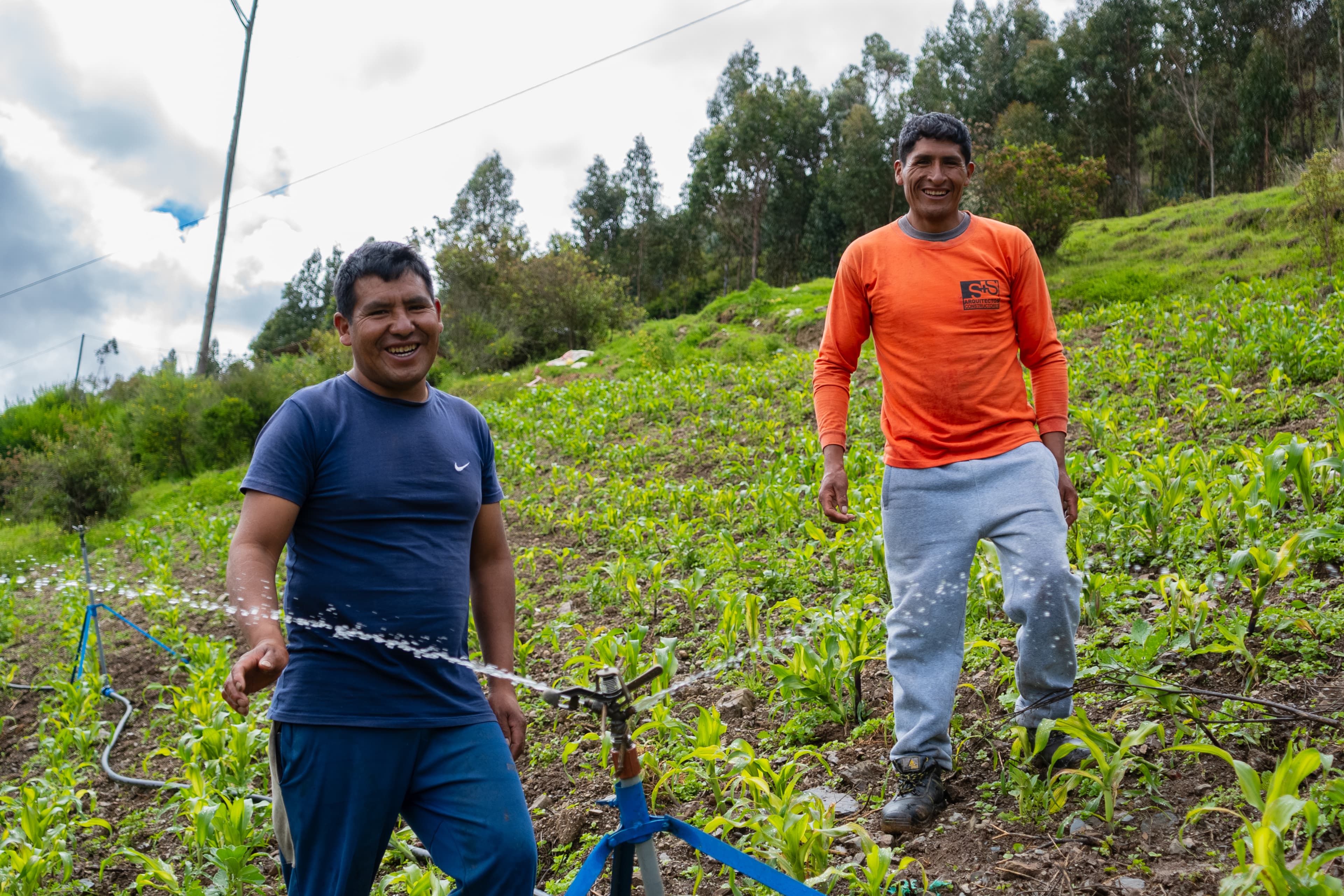
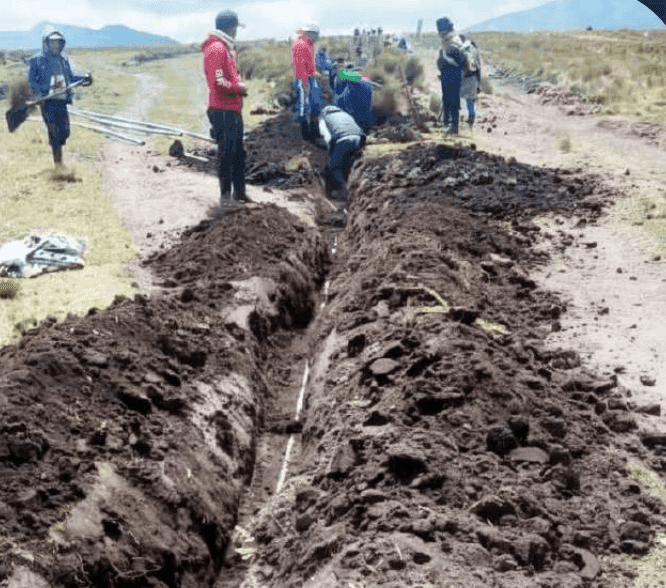
ungurahua, Ecuador: Fundación Incana delivered a significant upgrade to the drinking water system in the Cunugyacu community by providing 500 pressure tubes for drinking water systems. There, 50 community members participated in a massive minga (collective work day) to excavate ditches, remove old piping, and successfully install the new system. This collaboration resulted in improved and higher-quality water flow, eliminating frequent interruptions to enhance the daily lives of residents directly.
Follow the latest milestones and updates from this project.
Across the various project regions, these initiatives have directly engaged a total of 1,113 participants in specialised workshops and educational events during the 2025 season.
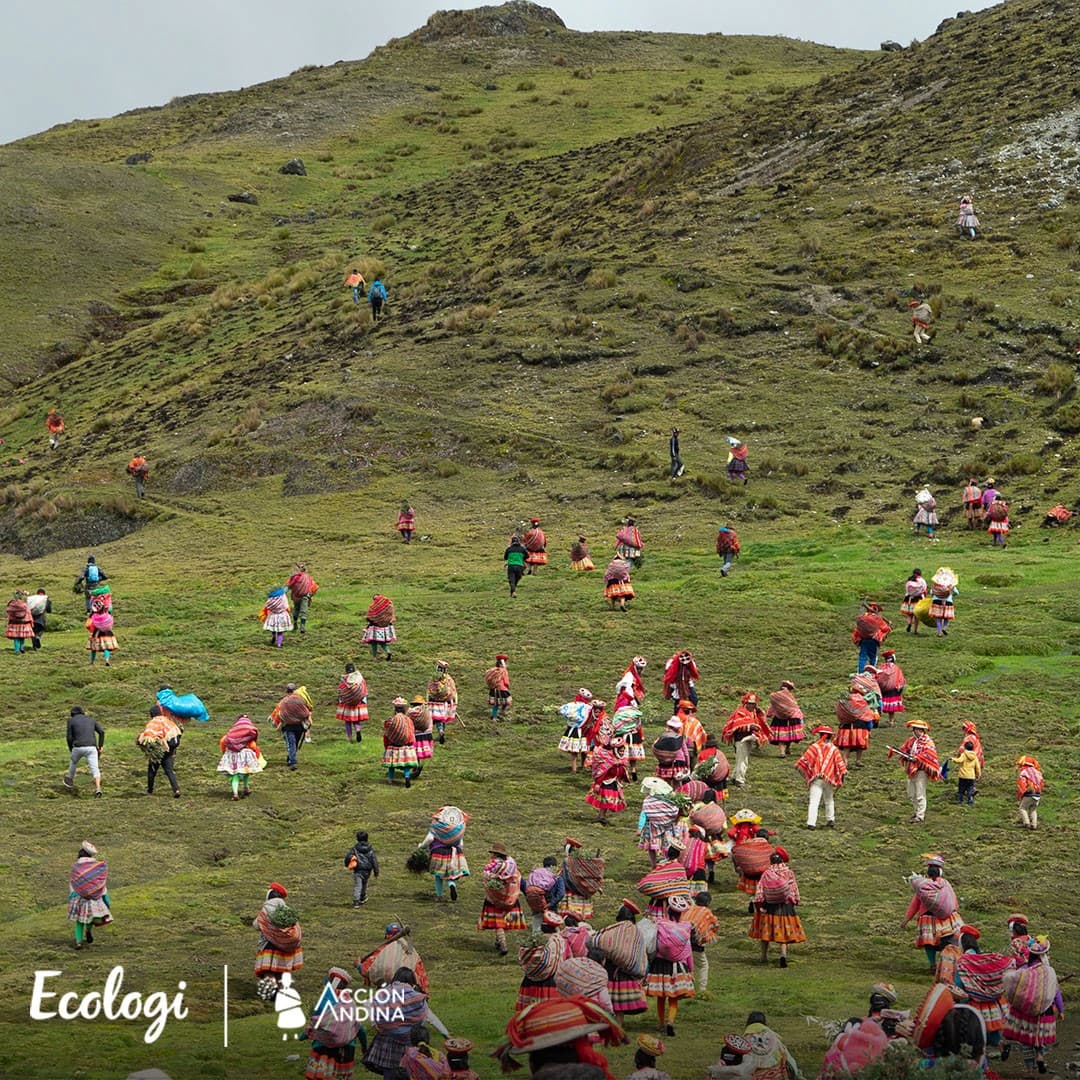
In Urrao, Colombia, communities are "weaving" living corridors of native trees to reconnect fragmented water springs and combat the drying effects of invasive exotic pines.
In El Aguilar, Puna Region, Argentina, restoration is taking place in landscapes deeply scarred by more than a century of mining activity. Roads, extraction sites, and degraded soils left many residents doubtful that forests could ever return, especially at such extreme altitudes.
That scepticism began to shift during a single, powerful moment: a community planting event that brought together residents across generations. In just eight hours, community members planted 17,443 native trees, proving, visibly and collectively, that recovery was possible.
A young student later reflected on seeing the trees survive: “They did grow. It was possible.”
Another community elder, Doña María, who had initially doubted the project, shared: “Now I see that it can be done. You are an example.”
Women play a central role in this transformation. Led by Débora Sajama, the women of El Aguilar manage nursery production, including the identification and cultivation of Polylepis tarapacana, a species previously unrecognised in the territory.
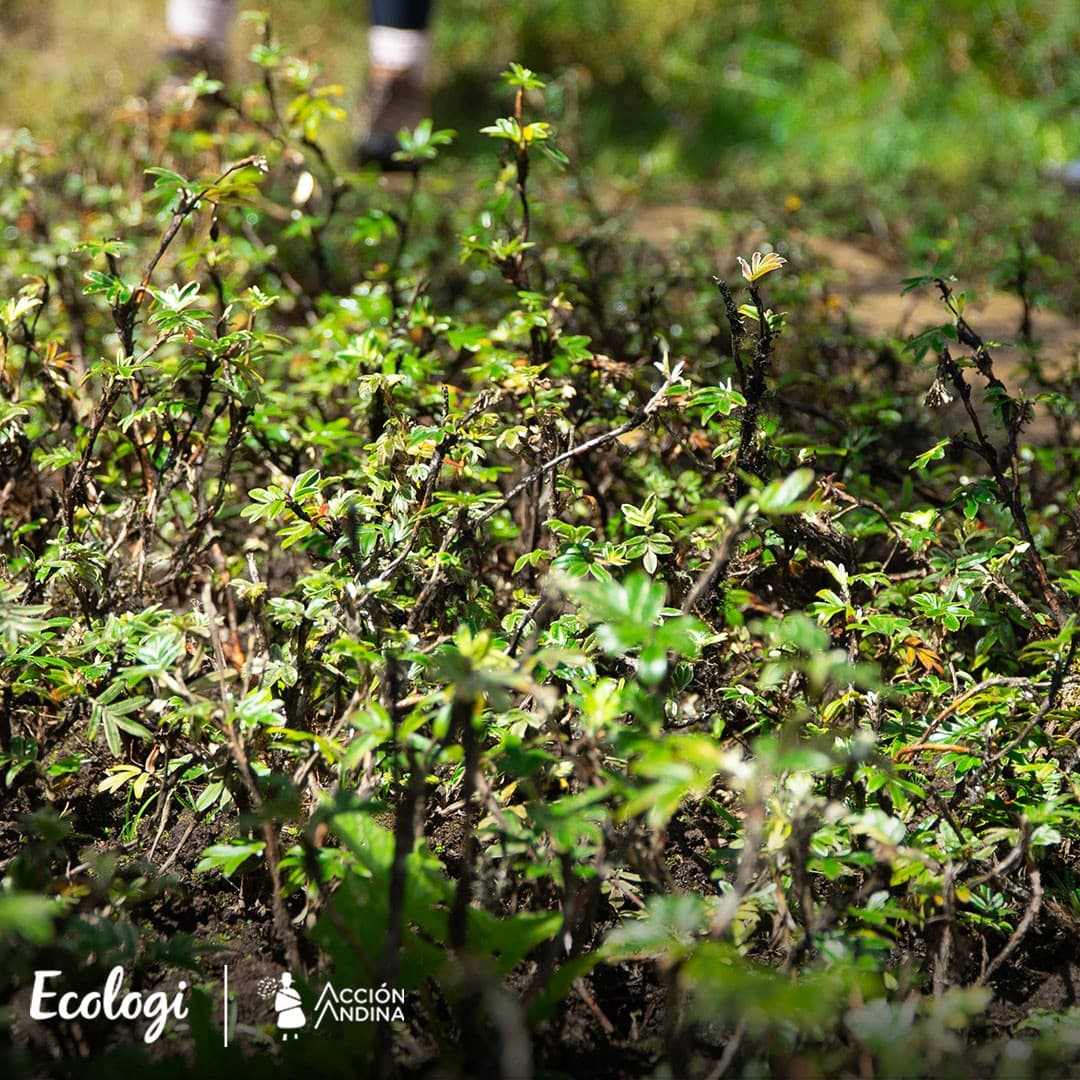
Reforestation is being used to combat severe drought in high-altitude regions like Cajamarca, Peru, and to restore water-retaining "sponge" ecosystems in the Argentine Pampa.
During the rainy season, peak rainfall causes disasters precisely because there is no native vegetation to absorb the water and maintain the natural cycle. The watershed has lost forests and therefore its capacity to accumulate water.
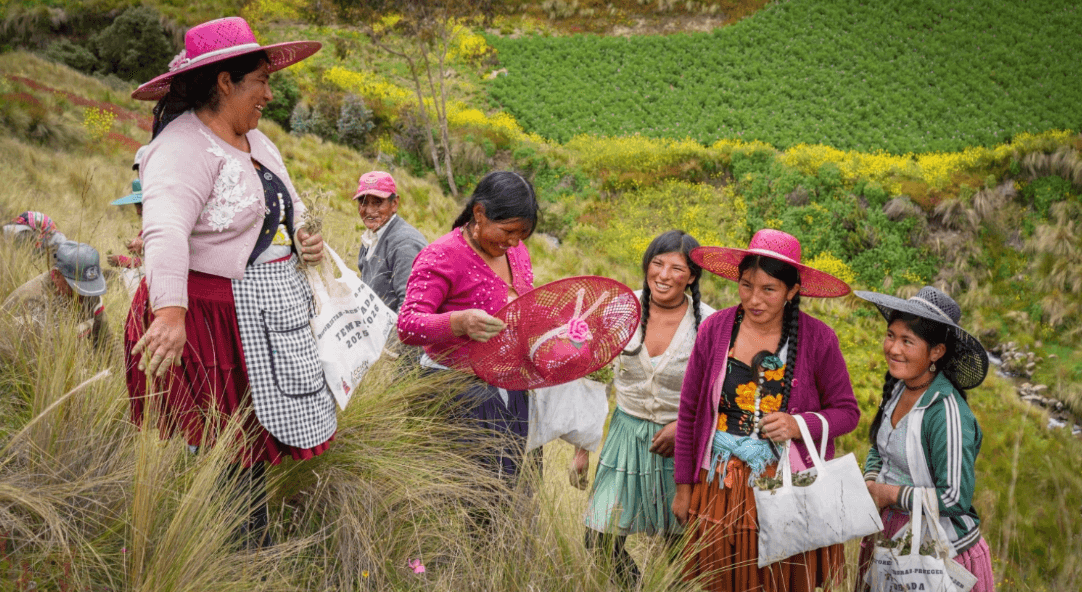
It was in this context that the Quechua women of Tunari Park decided to organise themselves and lead conservation programs to guarantee the region's water security through reforestation.
This spurred the development of the Faunagua and Armonía projects, both supported by the international program Acción Andina.
“I am motivated to take care of the water, not only for myself, but for the entire community. This area is a water recharge zone and we are the ones who benefit directly, but thousands of neighbors also benefit indirectly,” says Judith Gonzales, a Quechua indigenous leader and head of community management in the Tunari Program.
The reforestation program began with three components: restoration and conservation of native forests, sustainable development, and monitoring of reforested areas. In addition, over the past six years, they have restored more than seven water reservoirs —natural deposits within the forest that serve to store water—and have over 140 monitoring plots where they evaluate the approximately 1.7 million kewiña
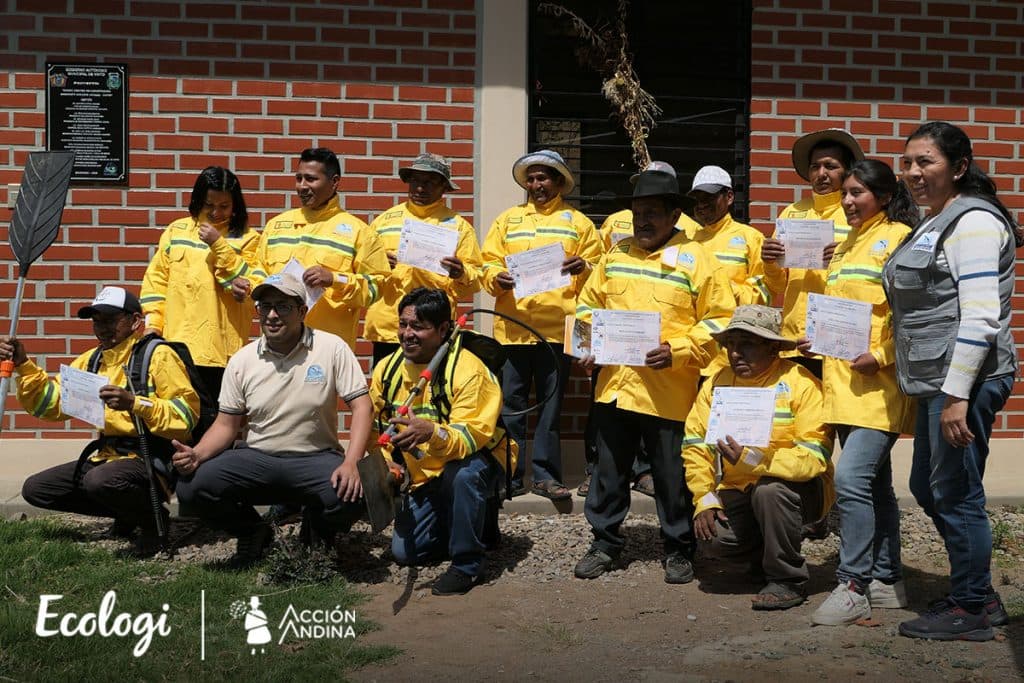
Workshops in Jujuy, Argentina, successfully engaged 60 participants, with a majority of women (33) taking lead roles in discussing climate resilience and nursery management. In Imbabura, Ecuador, 401 people were reached through a mix of reforestation training and environmental education sessions.
These projects are revitalising high-Andean biodiversity by re-establishing essential biological cycles and protecting rare species across the mountain range. A significant milestone was observed in the Japu community (Peru), where Polylepis cuttings planted just a few years ago have begun to fruit and attract pollinators, signalling the successful return of natural life cycles. Extensive baseline surveys in regions like Yanahurco (Ecuador) have documented the presence of extraordinary and unique species, such as the marsupial mouse and the Antisana frog, fostering a renewed sense of pride and stewardship among local populations.
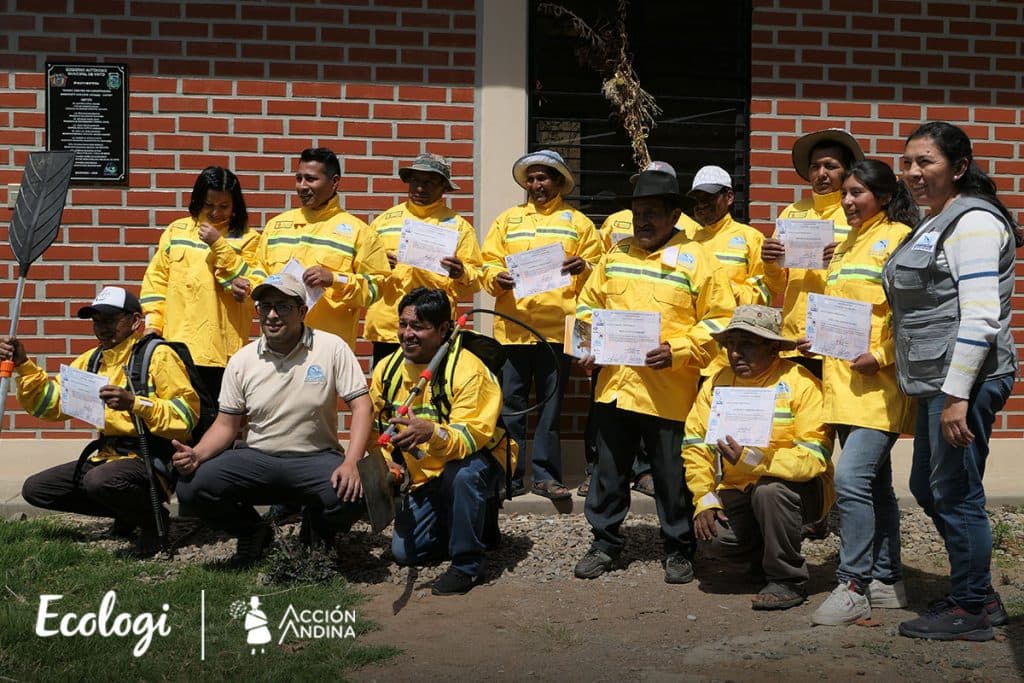
Across the various project regions, these initiatives have directly engaged a total of 1,113 participants in specialised workshops and educational events during the 2025 season. This collective effort focuses on shifting local perspectives from passive observation to active stewardship of their natural resources. For example, in Aquia, Peru, the project achieved 100% participation from the local school, with 124 students engaging in environmental art and mural workshops to visualise the future of their forests.
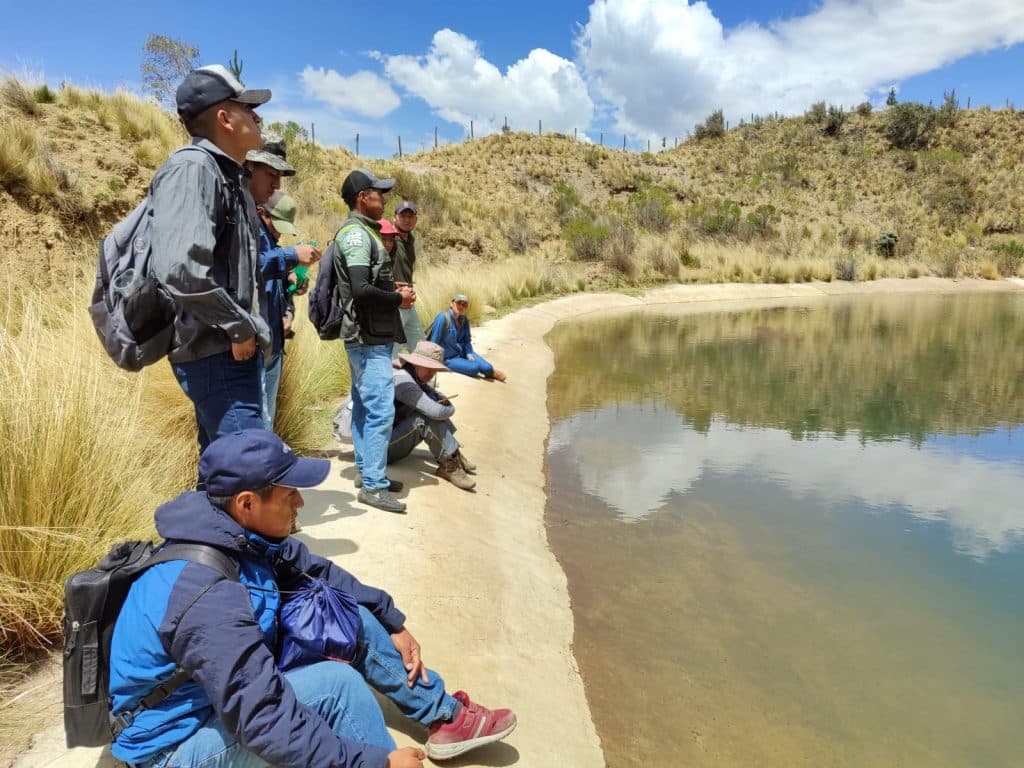
Acción Andina partners are securing water resources through a variety of means for local communities. 10 Acción Andina projects are implemented water resource management activities throughout 2025. The team are also currently developing ways to better measure and demonstrate our water impact. A case study of the Tunari National Park, Bolivia: Acción Andina partner Asociación Armonía constructed a 100,000-litre water reservoir in the community of La Aguada, a critical intervention that benefits 50 families in a region vulnerable to water scarcity.
Impact in 2025:
2.3 million New native trees planted during this season
35 Local conservation leaders are receiving salary support and training
160 Local and Indigenous communities are actively participating
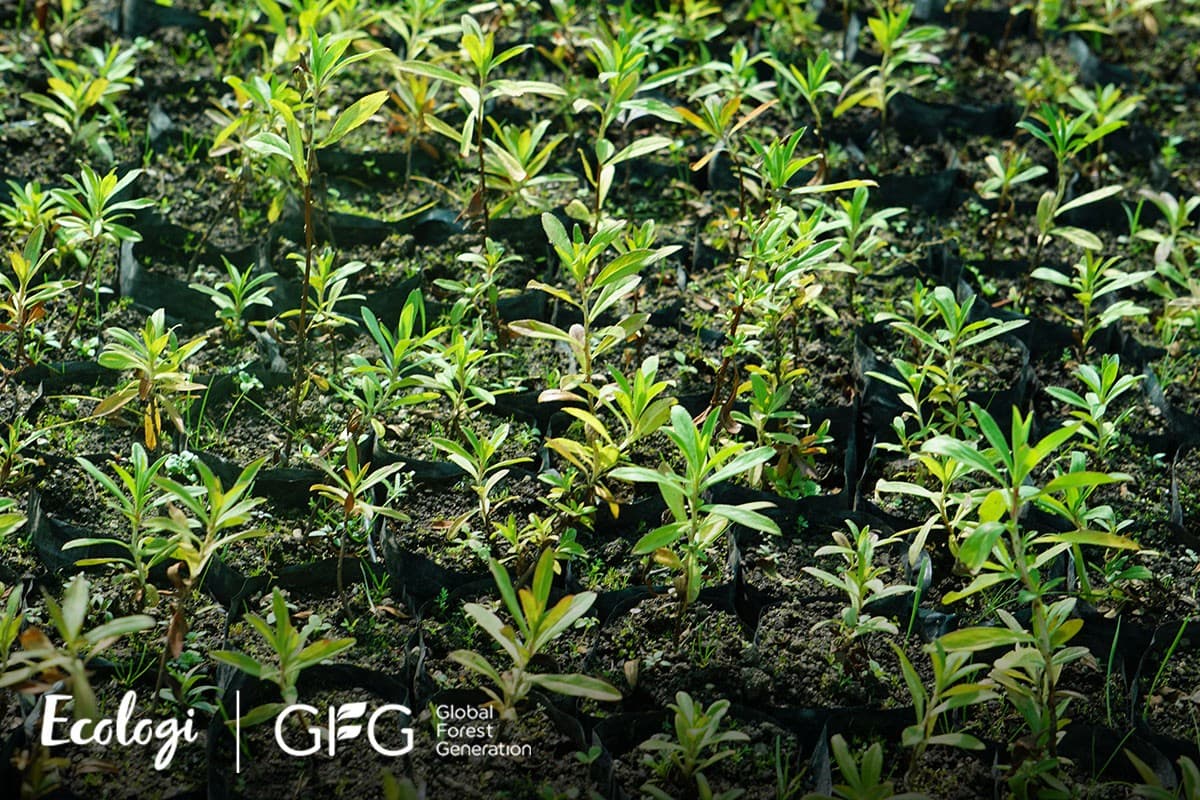
102 Nurseries producing native species
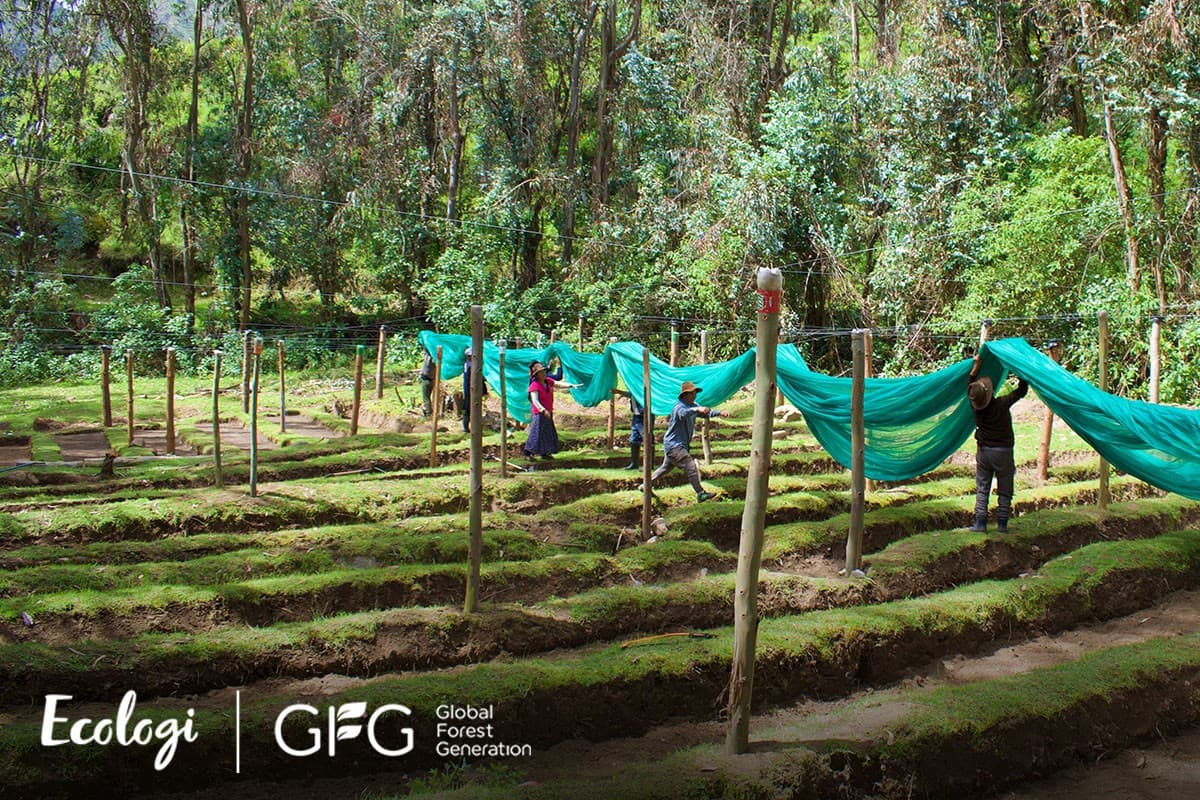
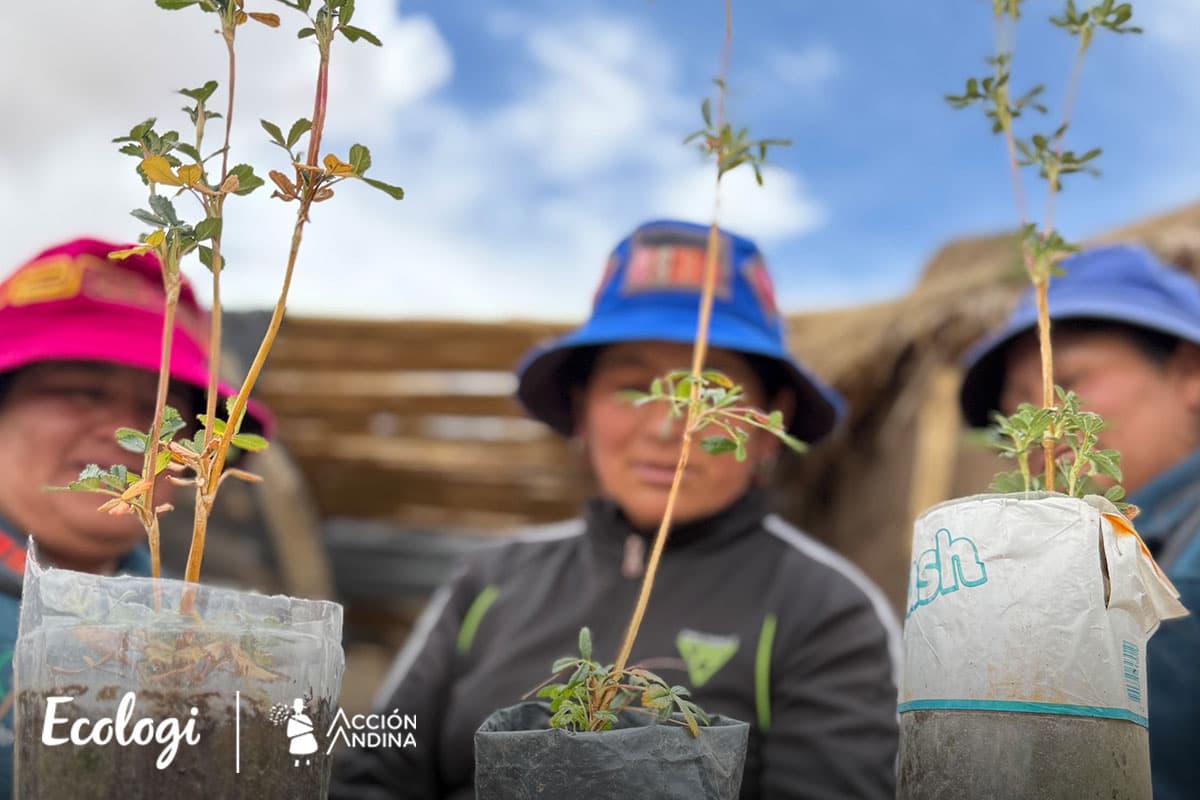
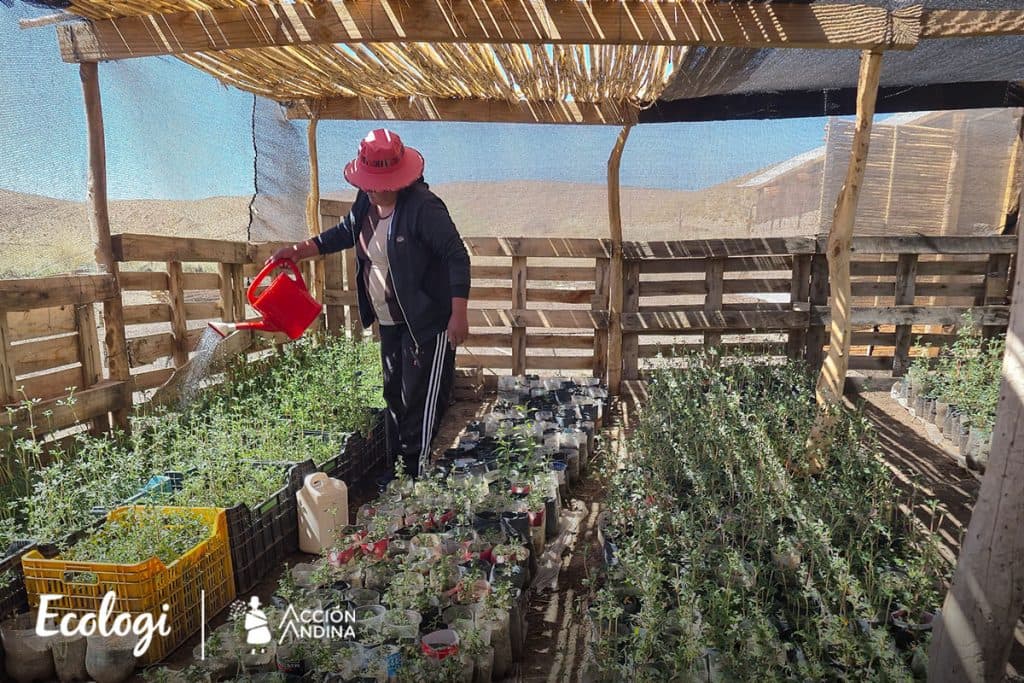
In Fundación Bosquizar’s Jujuy project in Argentina, rustic nurseries in communities like Cangrejos demonstrate ingenious adaptation to local conditions. The Cangrejos nursery includes a "dark chamber" that naturally cools the main production area, effectively acting as an air conditioning system This ensures optimal conditions for Polylepis seedling growth.
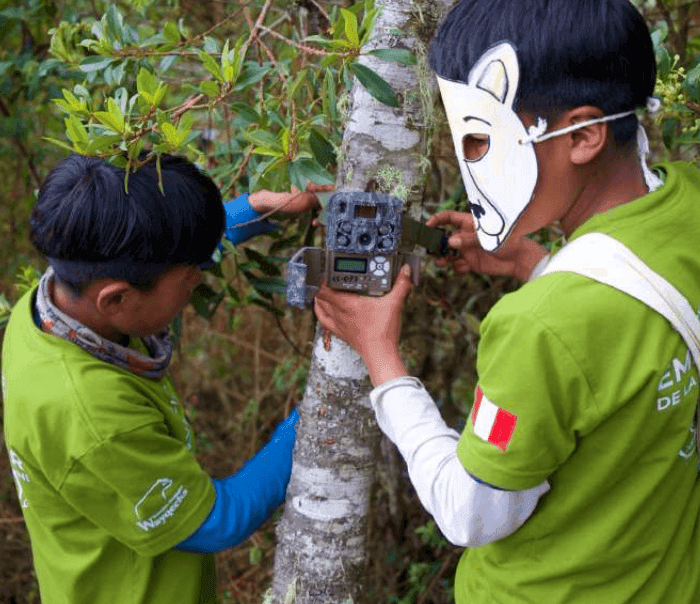
In August 2025, the project teams engaged the entire local school (100% participation from 124 students) in a comprehensive environmental education campaign and art contest.
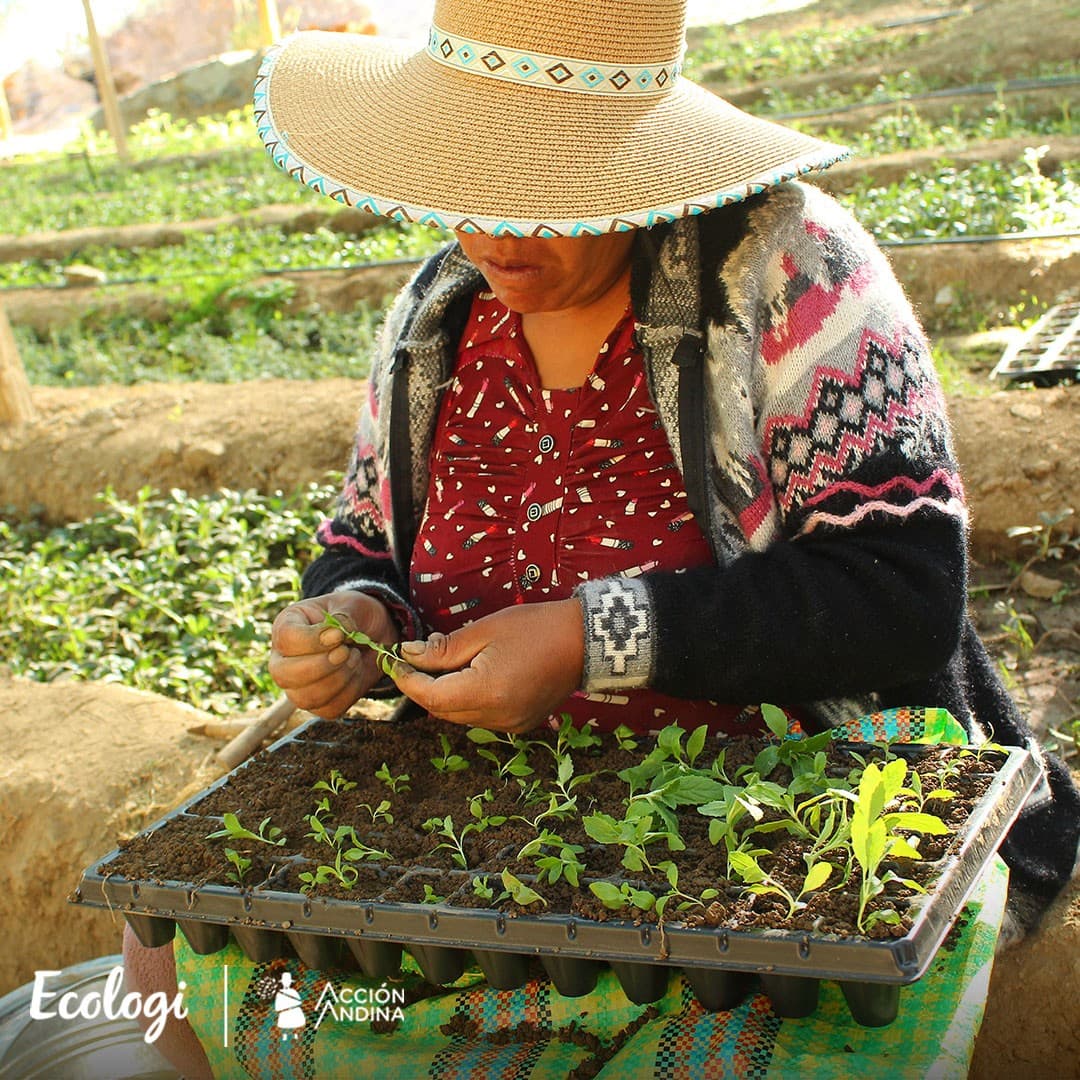
A significant milestone was observed in the Japu community (Peru), where Polylepis cuttings planted just a few years ago have begun to fruit and attract pollinators, signalling the successful return of natural life cycles.
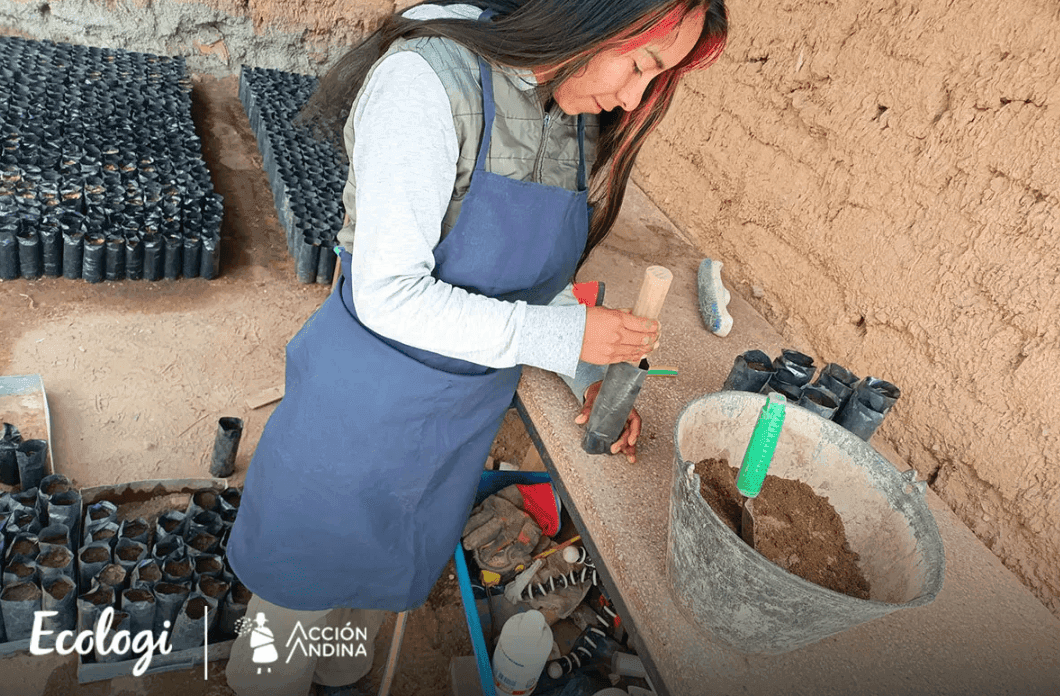
A nursery technician in Tucumán, Argentina, prepares substrates for plant production in May 2025.
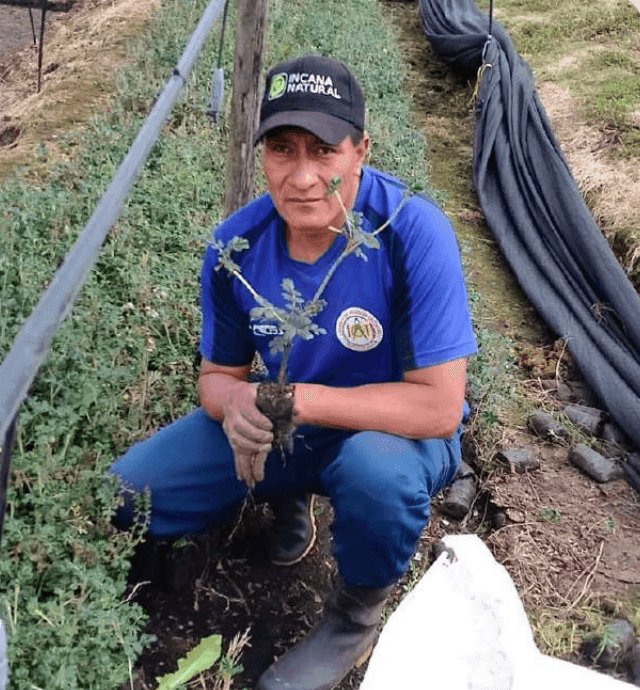
In December 2024, ECOAN’s Aquia project in Peru made Acción Andina history by reforesting over 150,000 native trees in a single day.
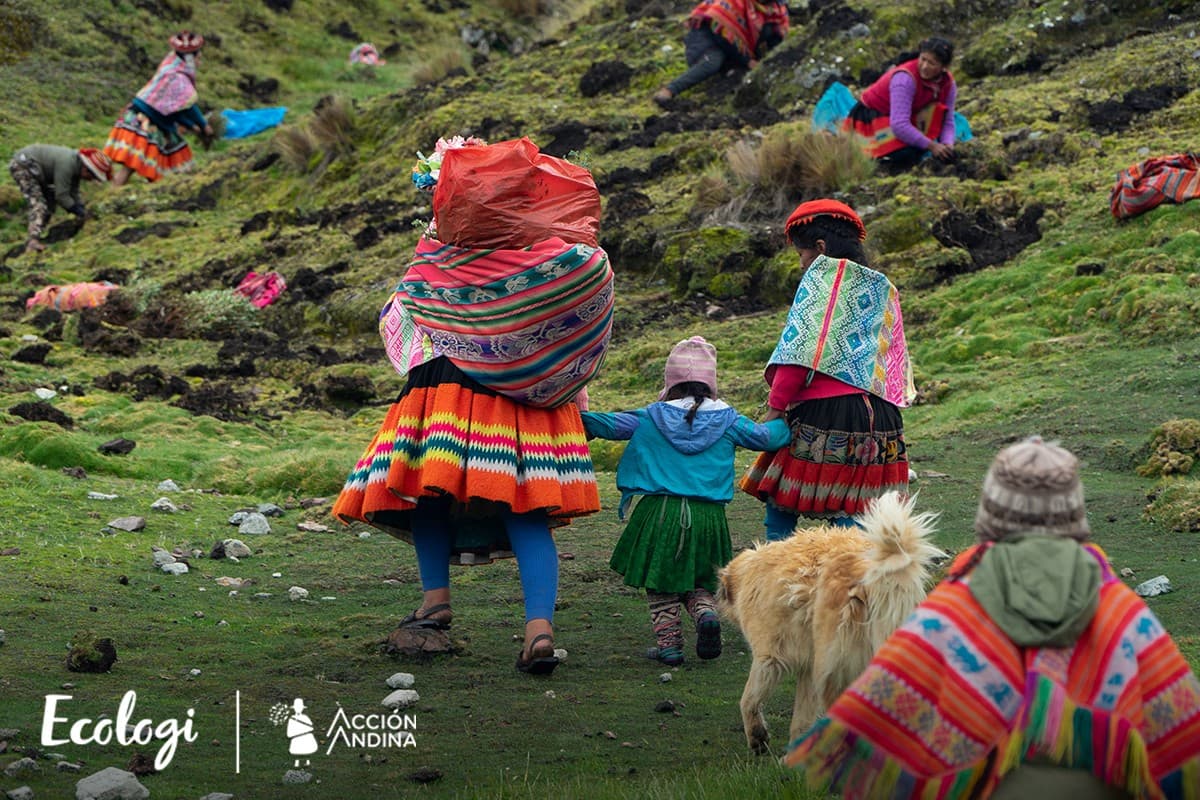
Some of the Ecologi team were invited to join the Acción Andina team in Peru to see the work they're doing for themselves. An excellent week in the Andes showed our team how impactful this project is for local communities and nature.
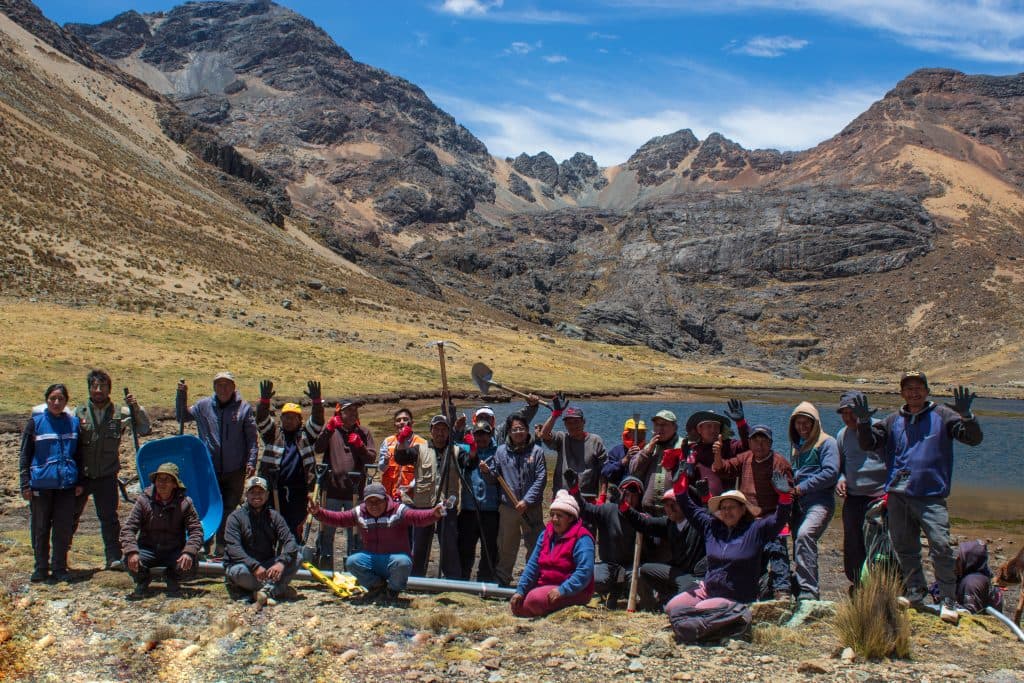
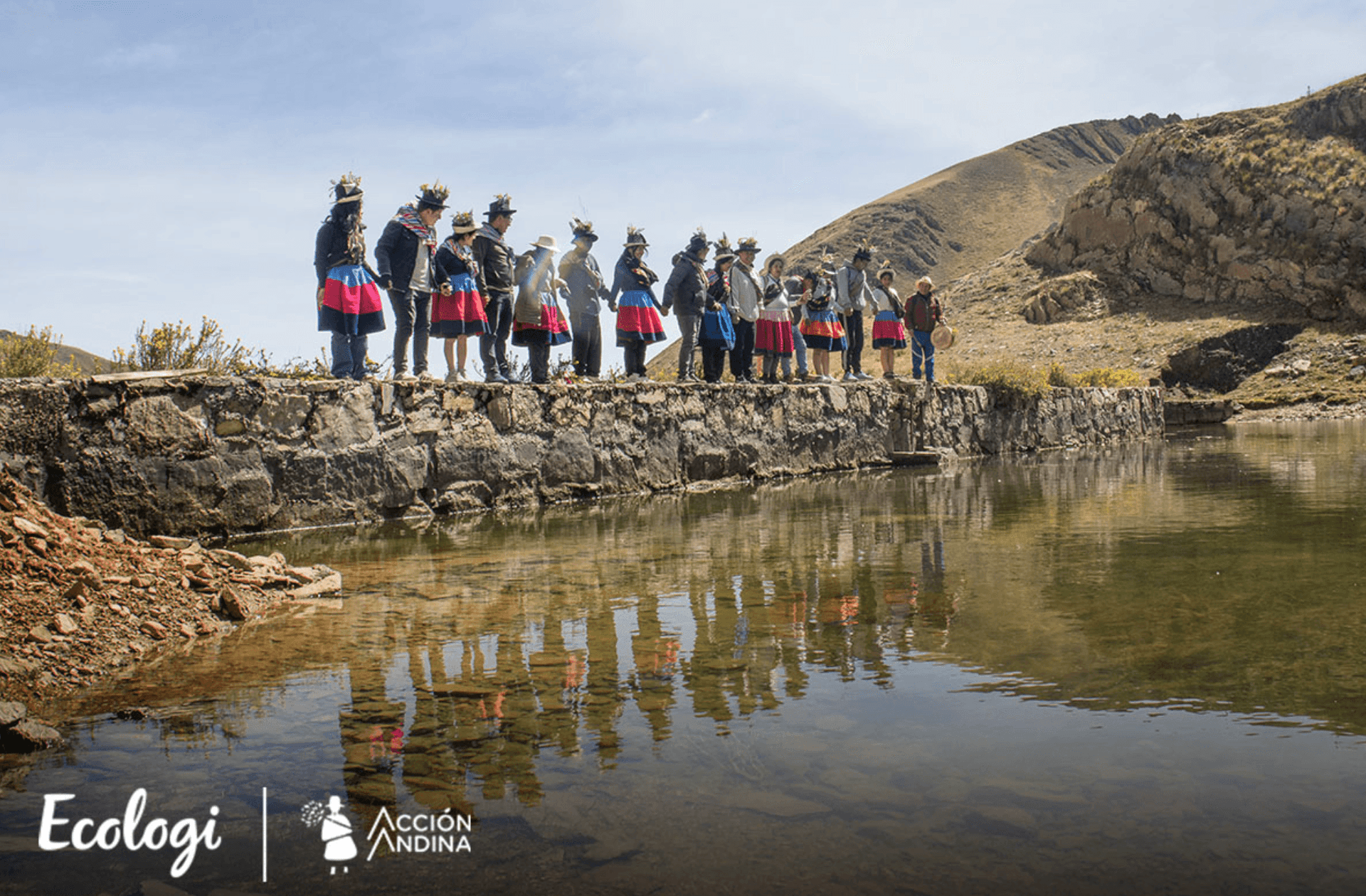
ECOAN - GFG's lead implementing partner - worked with 40 community members in the Nor Yauyos Cochas Landscape Reserve to build a semi-permeable dam to conserve water in the dry season.
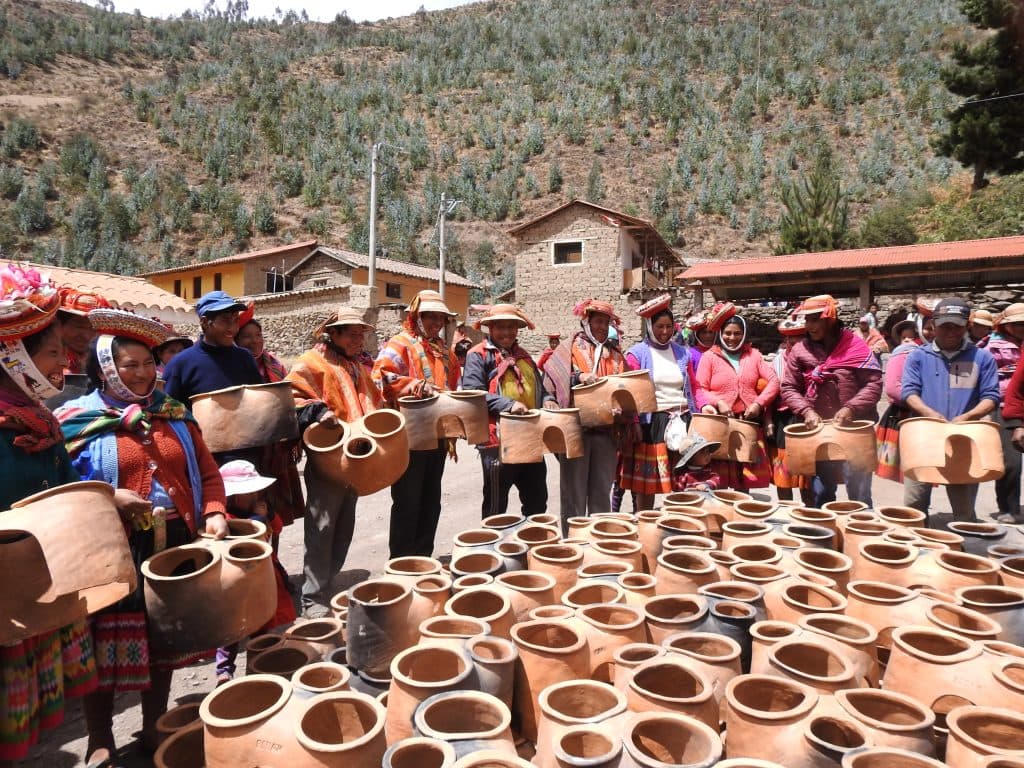
In ECOAN’s Vilcanota project in Peru, 400 clean cookstoves were distributed in two communities. ECOAN buys artisanal clay cookstoves from indigenous communities in another region, Puna, and distributes them to Acción Andina communities.
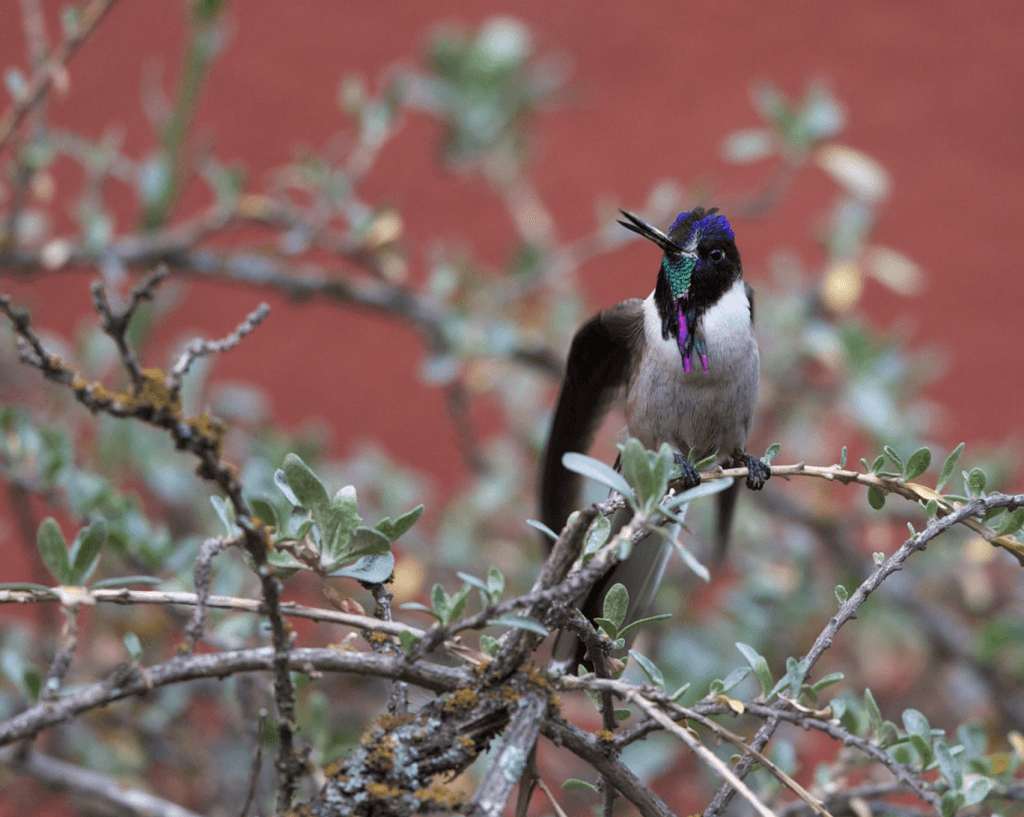
In Ccorca, Peru, where ECOAN is leading Acción Andina’s work, a study identified 3 bird species found only in southern Peru, including the Bearded Mountaineer Hummingbird. This is crucial evidence for creating a new Private Conservation Area.
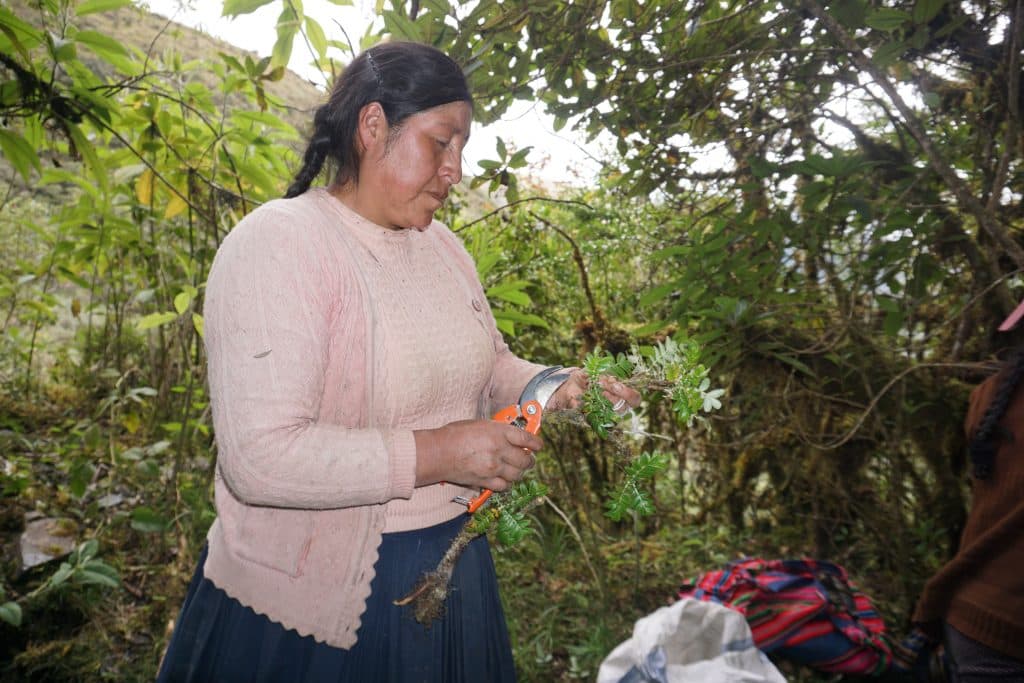
In Challabamba, ACCA finished collecting cuttings with community members in the Manu National Park for this year - the first group ever allowed to do this by the park authorities!
The trees and the healthy soils associated with the trees are an important carbon store, playing a crucial role in the global fight against climate change.
An abundance of wildlife lives within these forests, including Andean Condors, Spectacled Bears, and Pumas. The forests are expected to become a habitat of increasing value due to the migration of species to cooler areas to escape the impact of climate change and the associated warming temperatures.
In Ccorca, Peru, a study of flora and fauna was carried out to evaluate the potential for establishing another Private Conservation Area. 126 different species of flora and 69 bird species were found, including three birds endemic only to southern Peru – Bearded Mountaineer Hummingbird (Oreonympha nobilis), Rusty-fronted Canastero (Asthenes ottonis) and Chestnut-breasted Mountain Finch (Poospizopsis caesar). These studies provide crucial supporting evidence for creating a legally recognised conservation area for biodiversity conservation.
The Polylepis forests are vital for protecting the water security of millions of people. The trees and their root systems slow the movement of glacial meltwater, ensuring its slow release into rivers and streams throughout the year. Their branches also effectively comb and harvest mists and precipitation from the clouds. As a result, permanent streams are created. This is vital for agriculture in mountainous areas, but also in lowland towns and villages where glacial meltwater is a key source of water. The trees also prevent soil erosion and flooding, protecting homes and livelihoods.
The forests also help to buffer the local climate from the impacts of climate change, through evapotranspiration – keeping the local climate cooler and wetter than it would be without the trees.
In Nor Yauyos Cochas, Peru, ECOAN developed a training program with government park ranger personnel and expert firefighters who operate in Machu Picchu. ACCA, also in Peru, supplied protective uniforms and equipment to two community firefighter brigades.
And in Vilcanota, 400 clean cookstoves were distributed in two communities by ECOAN. ECOAN buys artisanal clay cookstoves from indigenous communities in another region, Puna, and distributes them to Acción Andina communities.

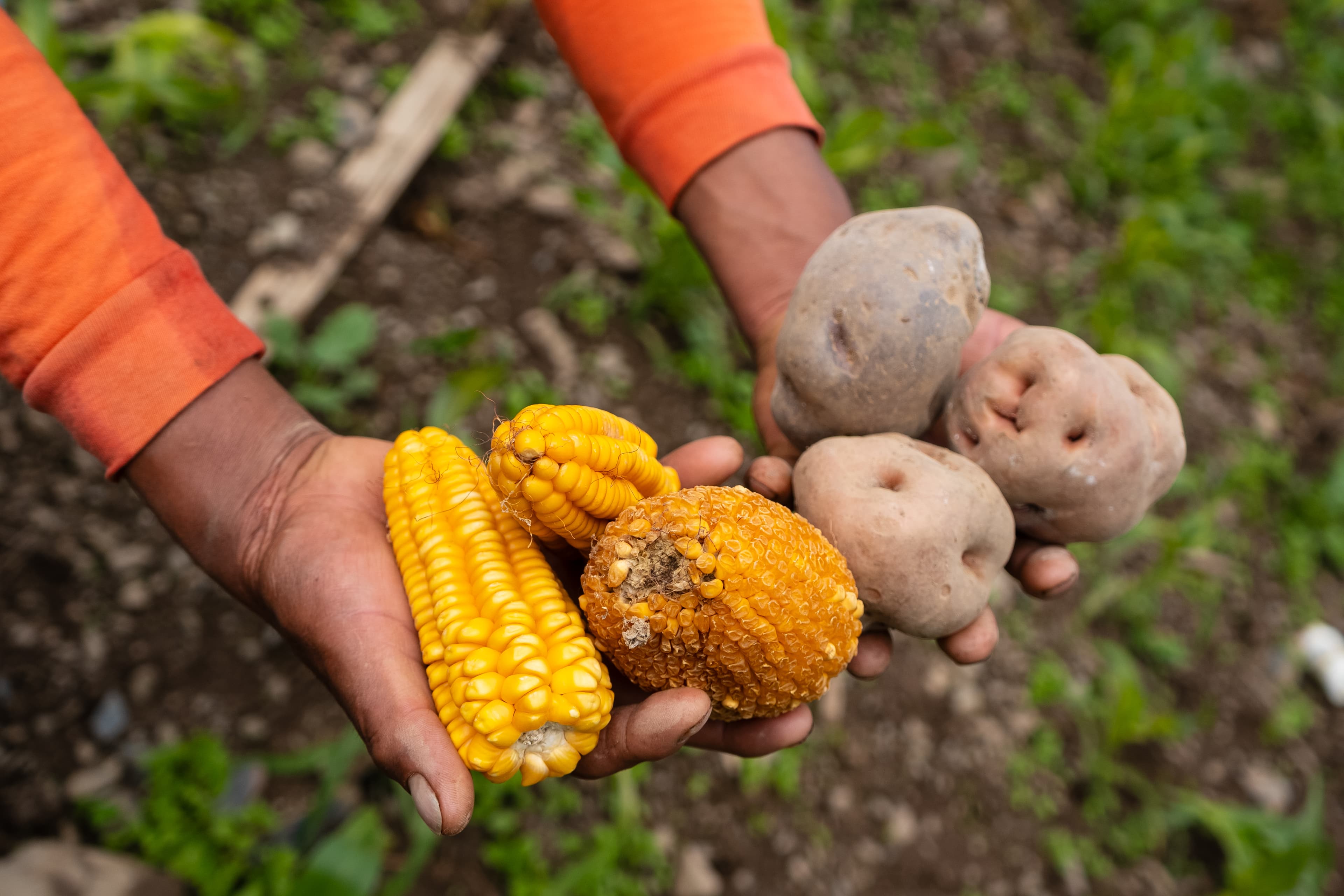
The income communities receive from this initiative is spent as they see fit, meaning it goes towards projects that really benefit the entire community, helping to alleviate poverty.

Several communities have requested literacy classes, especially for women in their communities so that they are better equipped to contribute to decision-making processes.

Everyone is treated equally throughout this initiative. Women tend to be given the money for the community as experience has shown that women tend to spend it more effectively for the entire community.

Native forests are vital for protecting the water security of millions of people, and the project helps to ensure access to water and sanitation.

Restoring native Polylepis forests helps to buffer the local climate from the impacts of climate change. The trees and the healthy soils associated with the trees are an important carbon store, playing a crucial role in the global fight against climate change.

Restoring Andean Forests in Peru aligns with sustainably managing forests and halting biodiversity loss.

The project helps revitalise the global partnership for sustainable development and in Nor Yauyos Cochas, Peru, ECOAN developed a training program with the help of the government.
These partners help deliver the project and verify its impact.

Global Forest Generation (GFG) unites local leaders and their communities across national borders to bring lost and degraded forest ecosystems back to life.
Powered by Global Forest Generation, Acción Andina is scaling up a time-tested community reforestation model. This 20 year model, developed and implemented by Peruvian conservation non- profit, ECOAN (Asociacion Ecosistemas Andinos), has resulted in the planting of over 3 million native trees, including 1.3 million Polylepis. It is a cost-effective solution for climate resilience.