

Enhances soil health and fertility, leading to improved crop yields and food security.

Carbon dioxide removal (CDR) is vital for limiting global warming to 1.5ºC. According to the Intergovernmental Panel on Climate Change (IPCC), human activities need to be actively removing 10 Gigatonnes of atmospheric CO₂ annually by the year 2050 in order to have a chance at meeting this warming target set by the Paris Climate Accords.
As the world grapples with the intensifying effects of climate change, the need for sustainable solutions has never been more urgent. One of the most promising approaches to addressing this challenge lies in regenerative agriculture, a farming method that not only focuses on improving soil health but also actively works to sequester carbon dioxide (CO₂) from the atmosphere. Inspired by ancient agricultural practices that have long understood the importance of working in harmony with nature, regenerative agriculture offers a profound pathway to carbon removal and climate change mitigation.
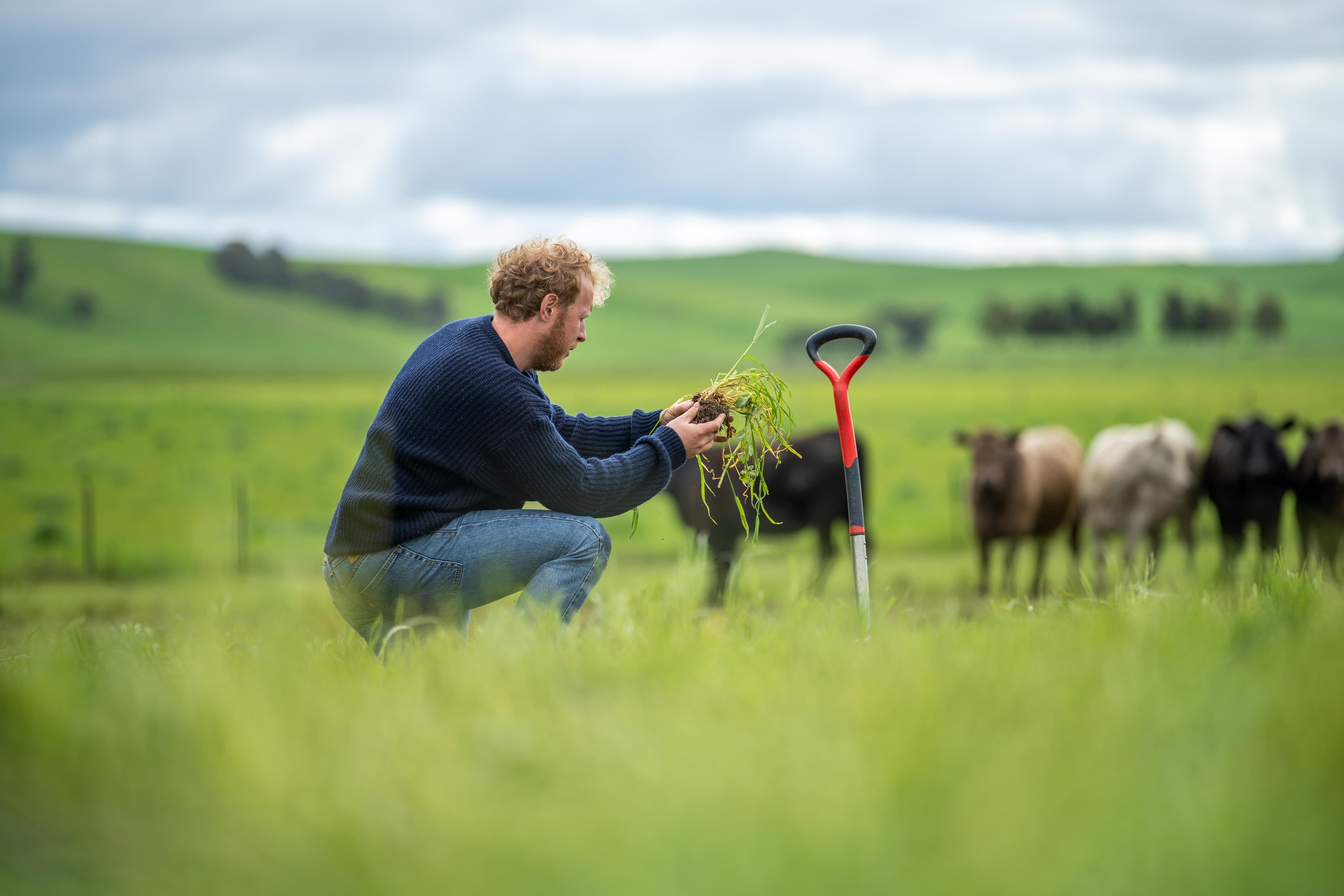
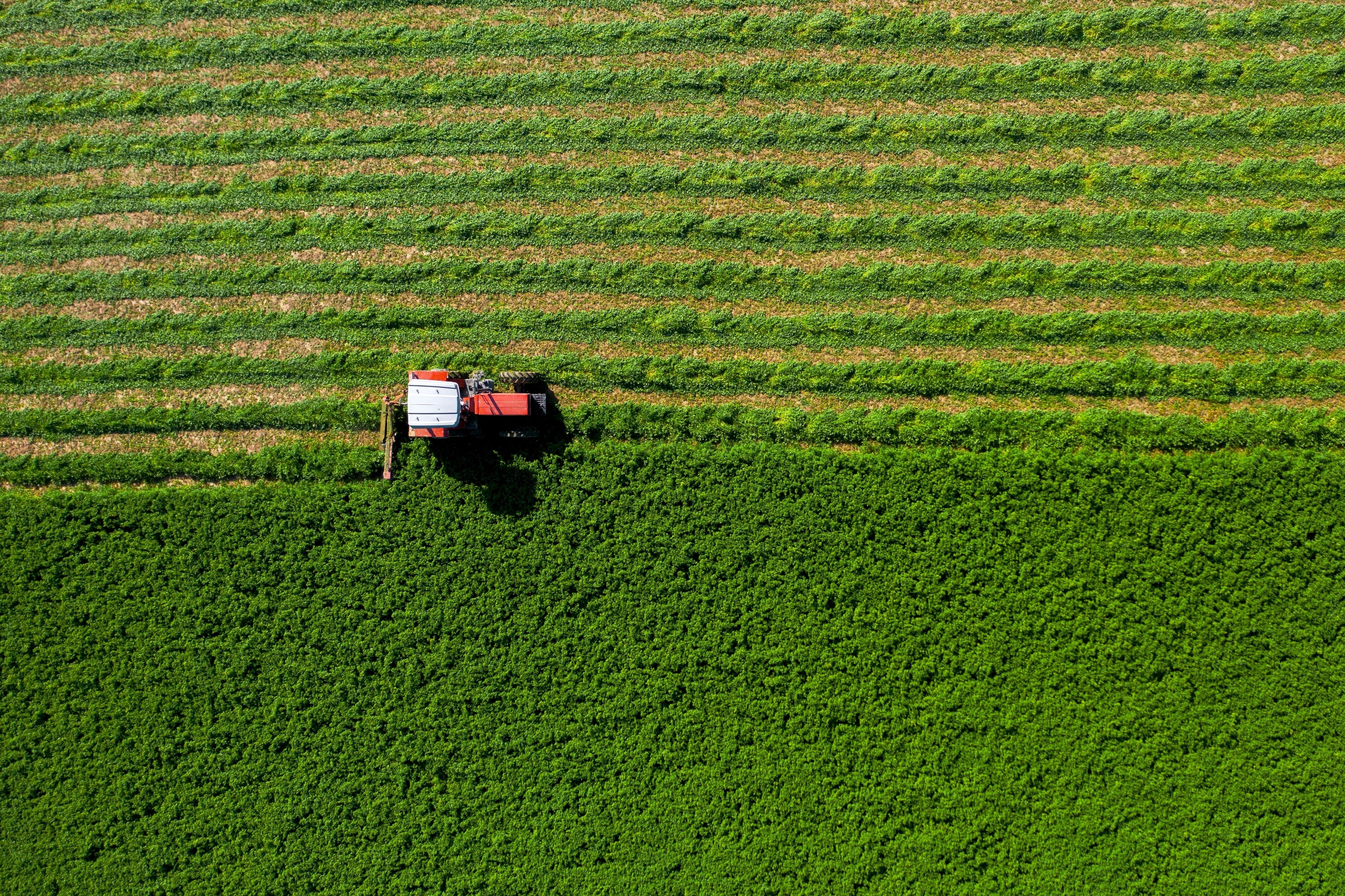
Regenerative agriculture is more than just an agricultural technique; it is a holistic approach to farming that emphasises the restoration of soil health and the rejuvenation of ecological systems. This approach goes beyond conventional farming practices, which often use harmful substances and deplete the land which leads to increased greenhouse gas emissions. In contrast, regenerative agriculture creates a more sustainable relationship with the earth, prioritising both environmental health and food production. By using methods that improve soil quality, enhance biodiversity, and enable natural nutrient cycles, regenerative agriculture provides a way to work with nature rather than against it.
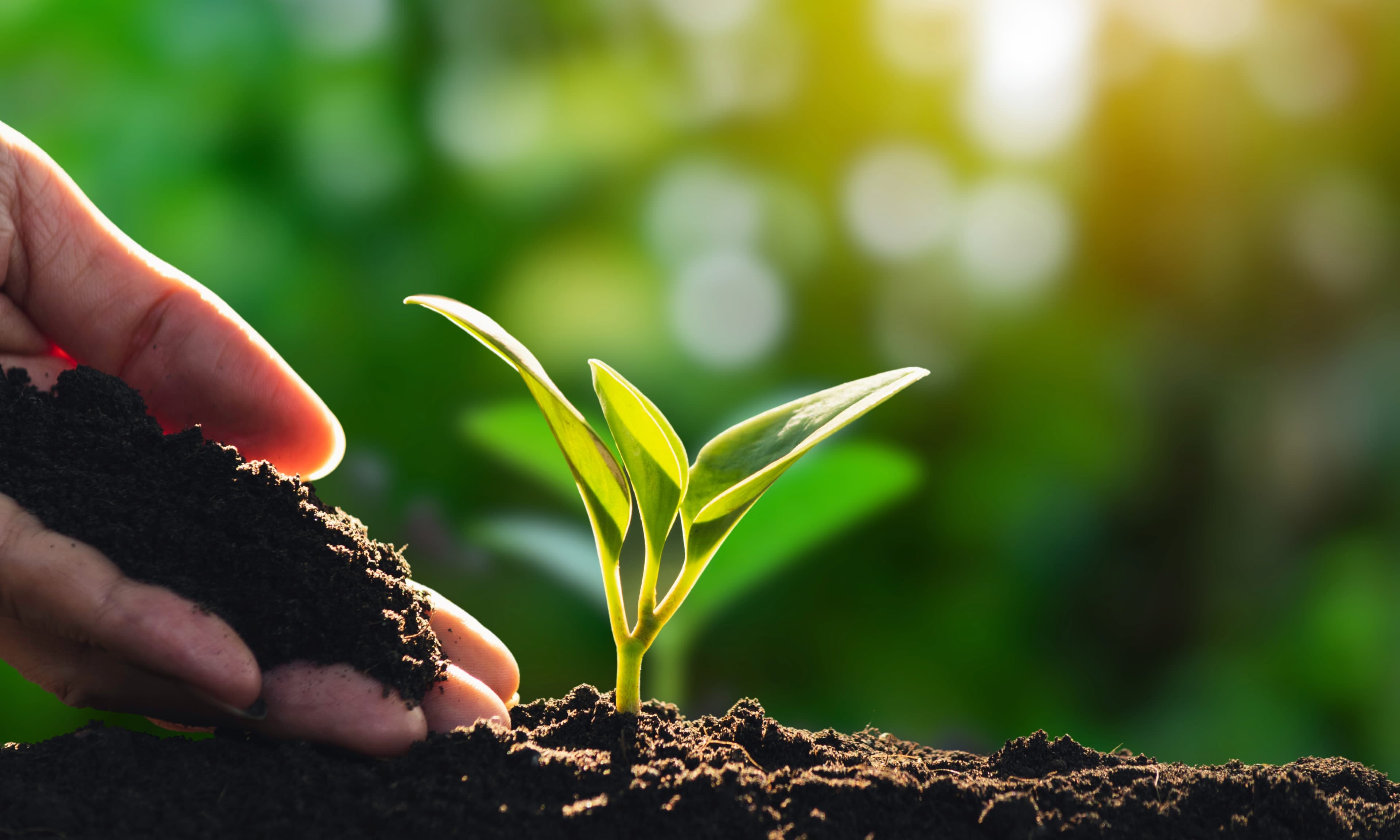
Regenerative agriculture plays a crucial role in sequestering carbon by restoring soil health, reducing greenhouse gas emissions, and increasing soil organic carbon (SOC) levels. Healthy soils can store more CO₂ than the atmosphere and vegetation combined, potentially capturing up to 5 billion tonnes of CO₂ annually
These Sustainable Development Goals show the wider outcomes this project supports beyond its headline impact.
Enhances soil health and fertility, leading to improved crop yields and food security.

Promotes healthier soils that improve water retention and reduce runoff, protecting water sources.

Encourages sustainable farming practices that reduce chemical inputs and waste.

Supports carbon sequestration through soil organic carbon storage, helping to mitigate climate change.

Restores degraded soils, enhances biodiversity, and strengthens ecosystems.

Facilitates global collaboration by funding regenerative agriculture projects across different regions.