

Reforestation
Reforestation in Mussuquelane, Mozambique
Overview
Site
Benefits

Why plant trees?
Reforestation replants trees on land hit by natural or human disturbance. It restores forest structure and canopy, protects biodiversity and watersheds, and promotes carbon sequestration.
Project summary
Context
Mozambique is located on the Eastern coast of Africa, with 2,500 kilometres of Indian Ocean coastline facing toward Madagascar.
Around 68% of the 31 million population of Mozambique live in its vast rural areas, and its population is relatively young – with around 66% of the country under the age of 24. Historically home to vast mangrove estuaries and forests, Mozambique’s forests have been largely decimated and destroyed due to intensive tree-cutting for firewood and charcoal.
In recent years, parts of Northern Mozambique have suffered from ongoing extremist threats. Conflict and unrest causes displacement to thousands of local Mozambican people. These ongoing conflicts also exacerbate existing development challenges such as providing access to education and healthcare. The population’s reliance on subsistence agriculture as a result of these challenges causes further environmental degradation.
Planting Partner
Our projects in Mozambique are run by Eden Reforestation Projects (‘Eden’) – a 501(c)(3) non-profit whose mission is to provide fair-wage employment to impoverished villagers as agents of global forest restoration.

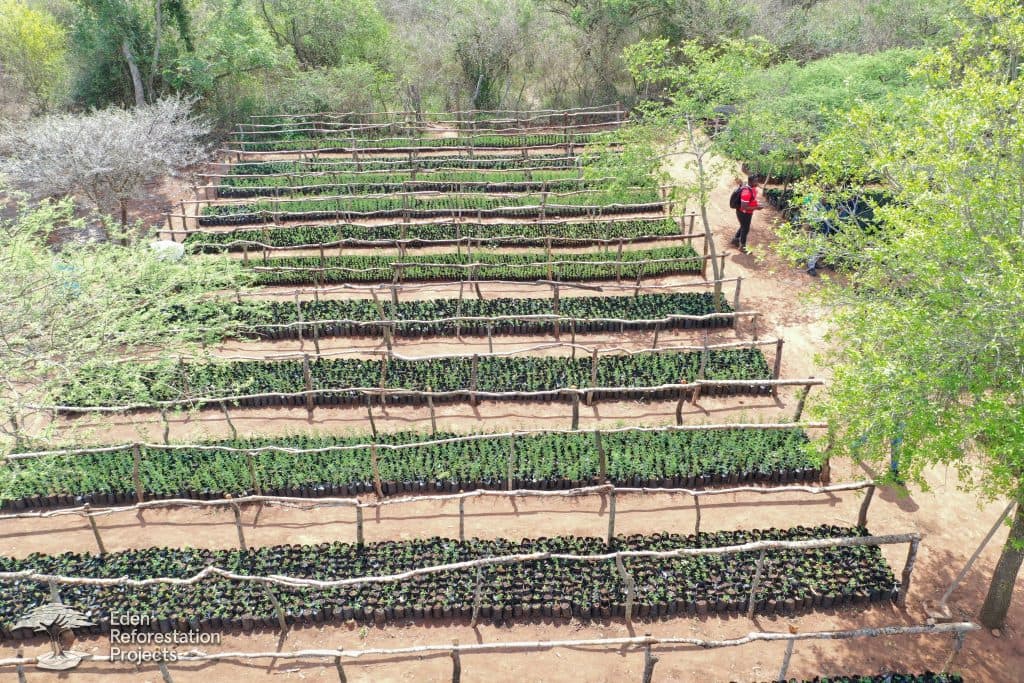
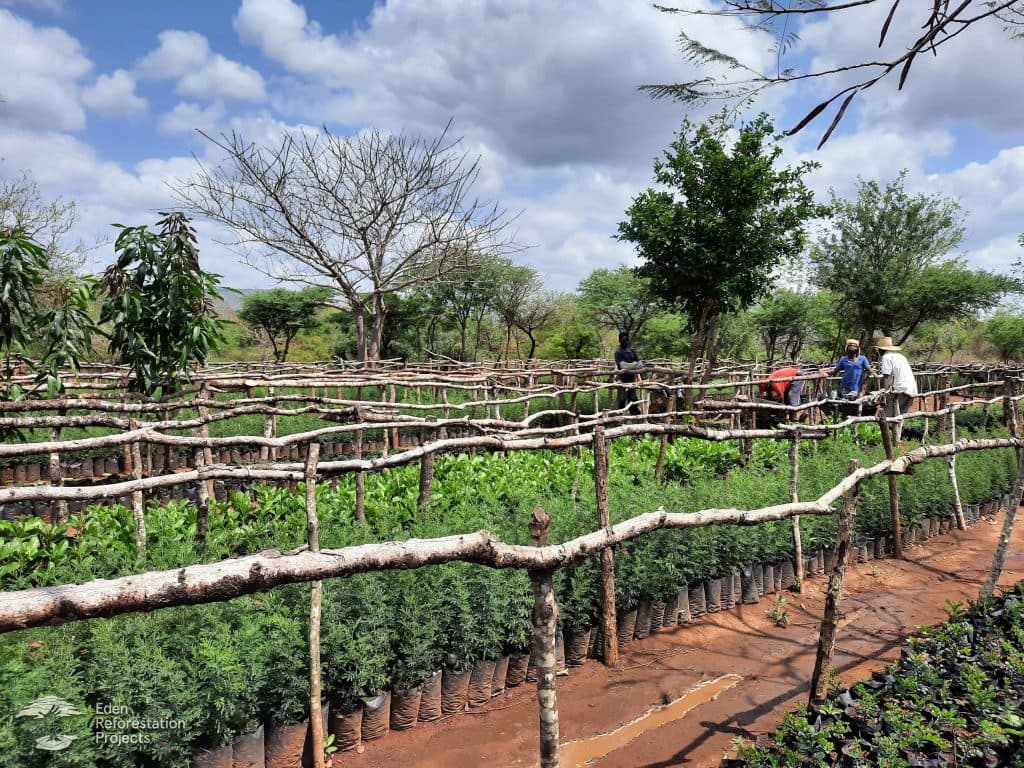
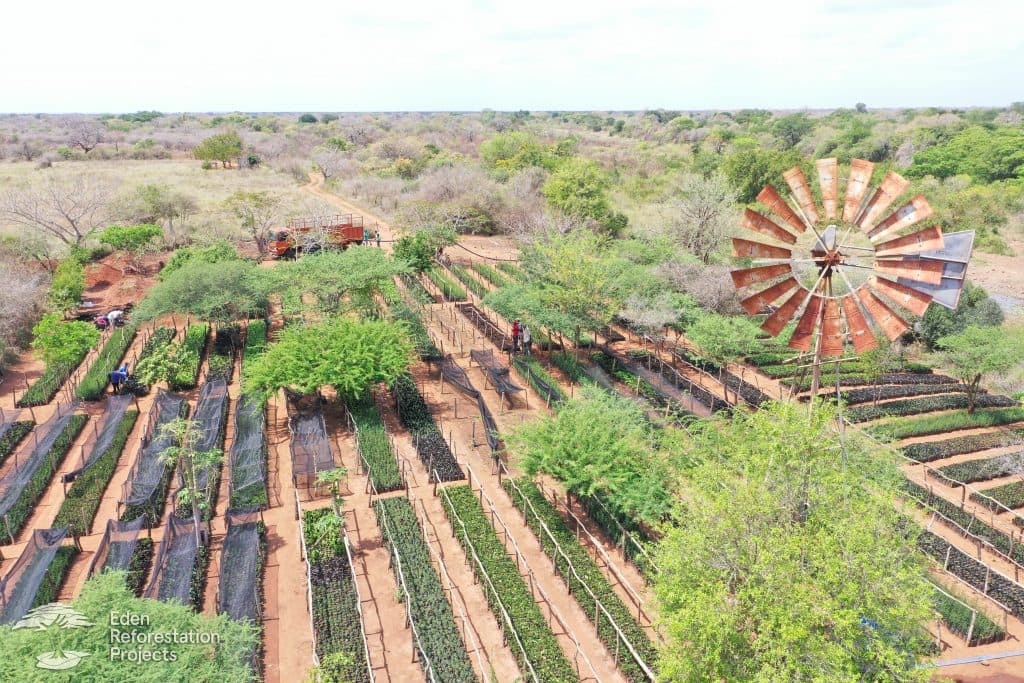
Eden hire local people to grow, plant, and guard to maturity the trees planted through funding from our community – on a massive scale. As well as restoring forest ecosystems, Eden’s “Employ to Plant” methodology results in multiple positive socioeconomic and environment impacts.
Terrestrial forest restoration in Mussuquelane
In March 2021, Ecologi began supporting a new project run by Eden Reforestation Projects – the Mussuquelane site, which is located directly south of the Changalane site, in the Maputo province of Mozambique.
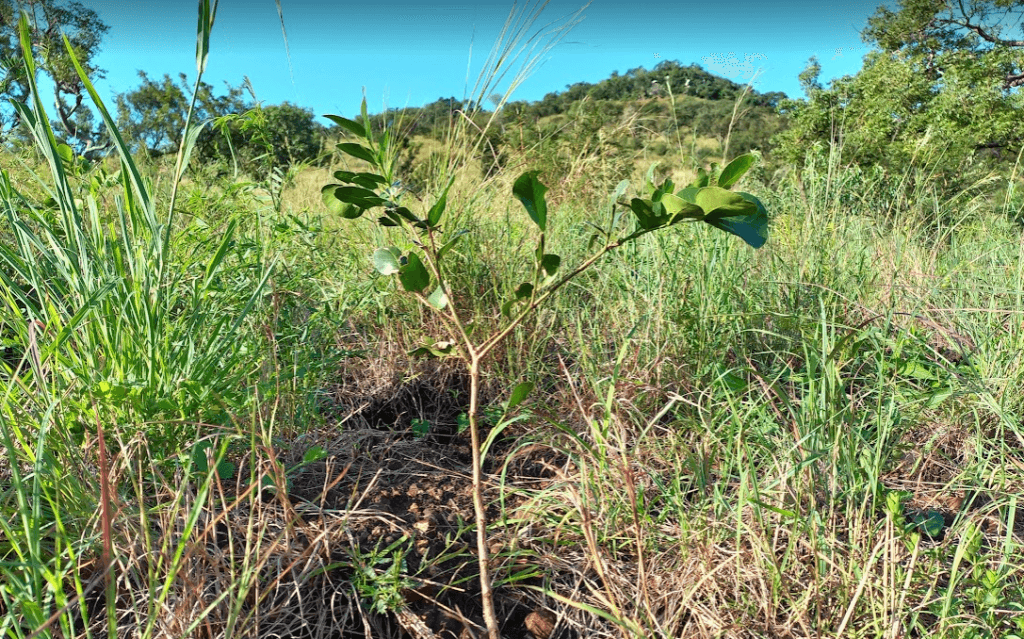
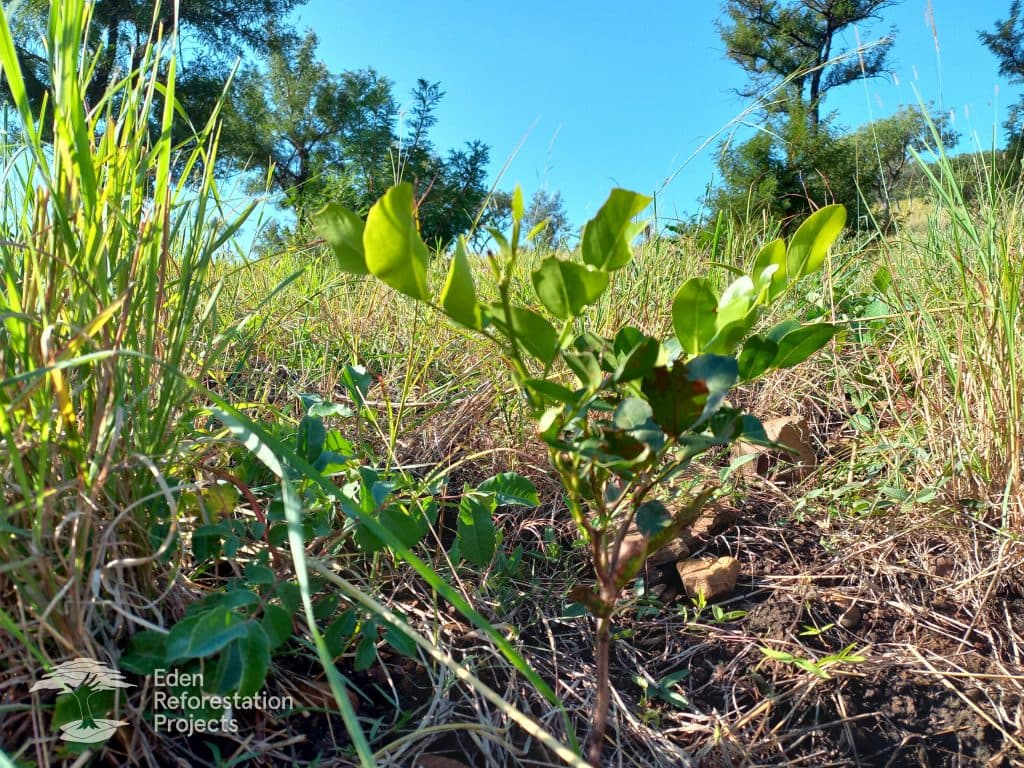
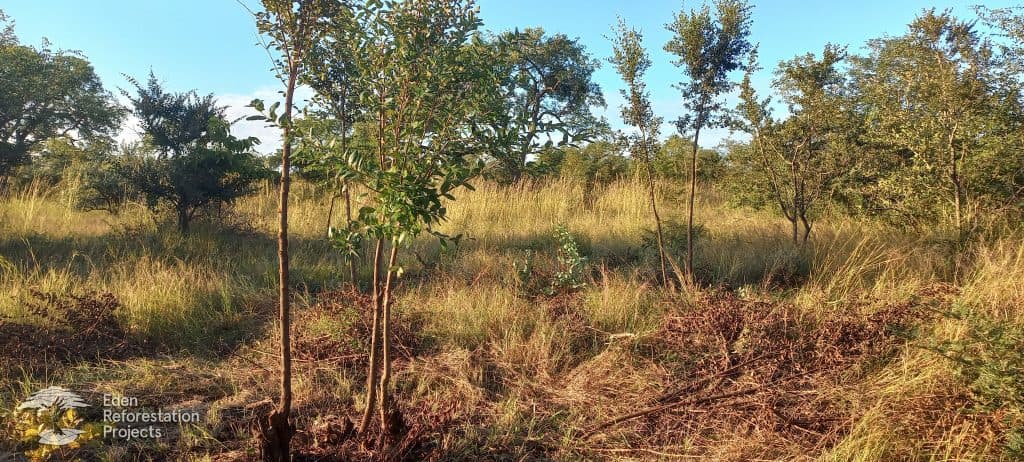
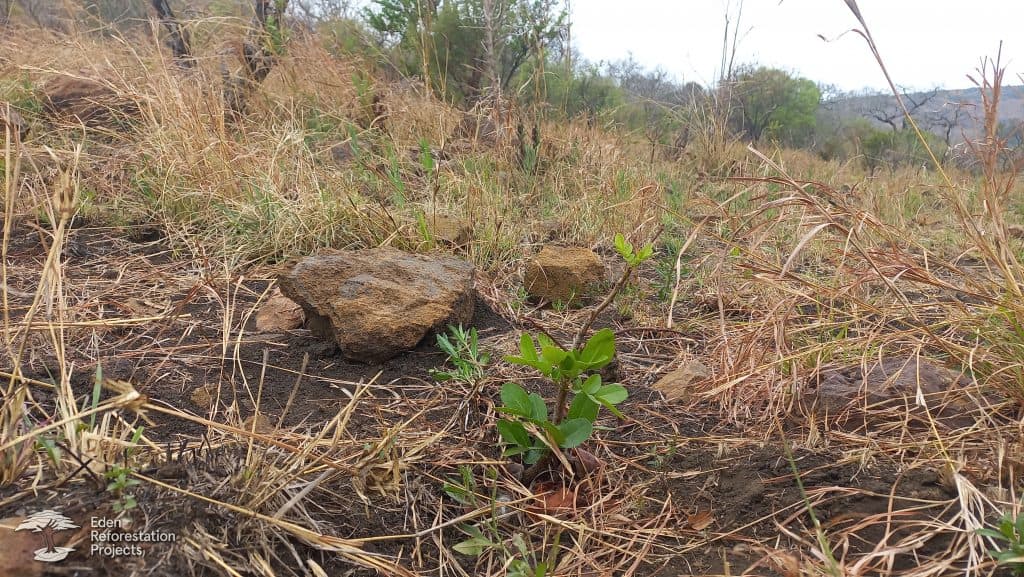
On this site, over vast tracts of land where trees historically grew, grass now prevails. Together with the team at Eden Reforestation Projects, Ecologi is supporting the reforestation of the site to restore the natural forest which once stood here. Over the course of four years, we will be funding the planting of 3.3 million trees in this site, across a plantable area of over 3,000 hectares.
The project provides employment and sustainable income to a number of local planters, as well as the nursery staff, guards and other staff who are involved in restoring this beautiful landscape.
Explore this project on Restor here.
Climate Solution #15
Tropical Forest Restoration
In recent decades, tropical forests have suffered extensive clearing, fragmentation, degradation, and depletion of biodiversity. Once blanketing 12 percent of the world’s landmass, they now cover just 5 percent. While destruction continues in many places, tropical forest restoration is growing and may sequester as much as six gigatons of carbon dioxide per year.
As a forest ecosystem recovers, trees, soil, leaf litter, and other vegetation absorb and hold carbon. As flora and fauna return and interactions between organisms and species revive, the forest regains its multidimensional roles: supporting the water cycle, conserving soil, protecting habitat and pollinators, providing food, medicine, and fiber, and giving people places to live, adventure, and worship.
Photos from this project
Locations
Mussuquelane, Mozambique
Benefits
SDGs supported


