

Carbon avoidance
Rainforest protection in central Brazil
Overview
Site
Benefits
Verification
What is forest protection?
Forest protection projects reduce emissions from deforestation, forest degradation, sustainable forest management, and carbon stock conservation. Developing countries can also earn results-based payments for emission reductions through these activities.
Project summary
Context
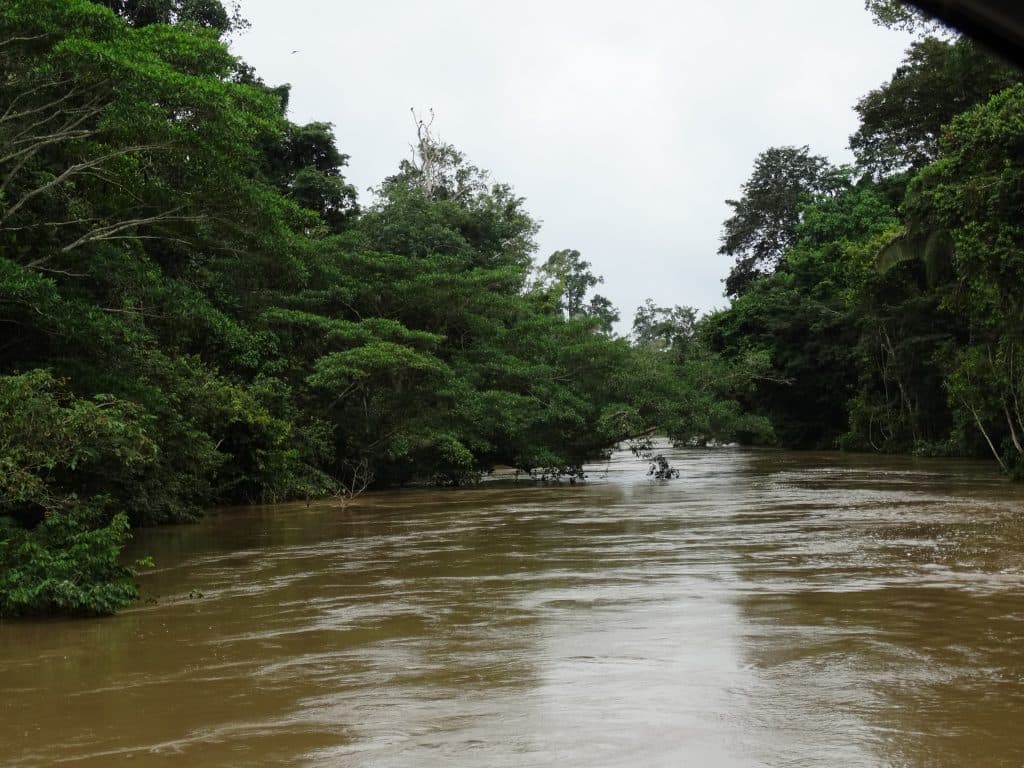
Tropical rainforests, such as those found in the Amazon basin, have long been referred to as “the lungs of the world”. Around a third of the world’s primary tropical rainforest (490 million hectares) is situated in Brazil, and around 80% of this tropical rainforest is situated in the Brazilian part of the Amazon basin. The Amazon rainforest is one of the most biodiverse habitats on the planet, and is home to 10% of all known terrestrial species.
However, sadly, 20% of the Brazilian Amazon rainforest was lost between 1975 and 2018, largely to clear land for agriculture, oil and gas production, mining, logging, and infrastructure.
Project
The project is located in the Mato Grosso region of Brazil. The region is part of the ‘deforestation arch’, known for the intense deforestation pressure locally. The project is currently undergoing a renewal of its FSC certification, as well as being validated for the Climate, Community and Biodiversity Standard (CCBS).
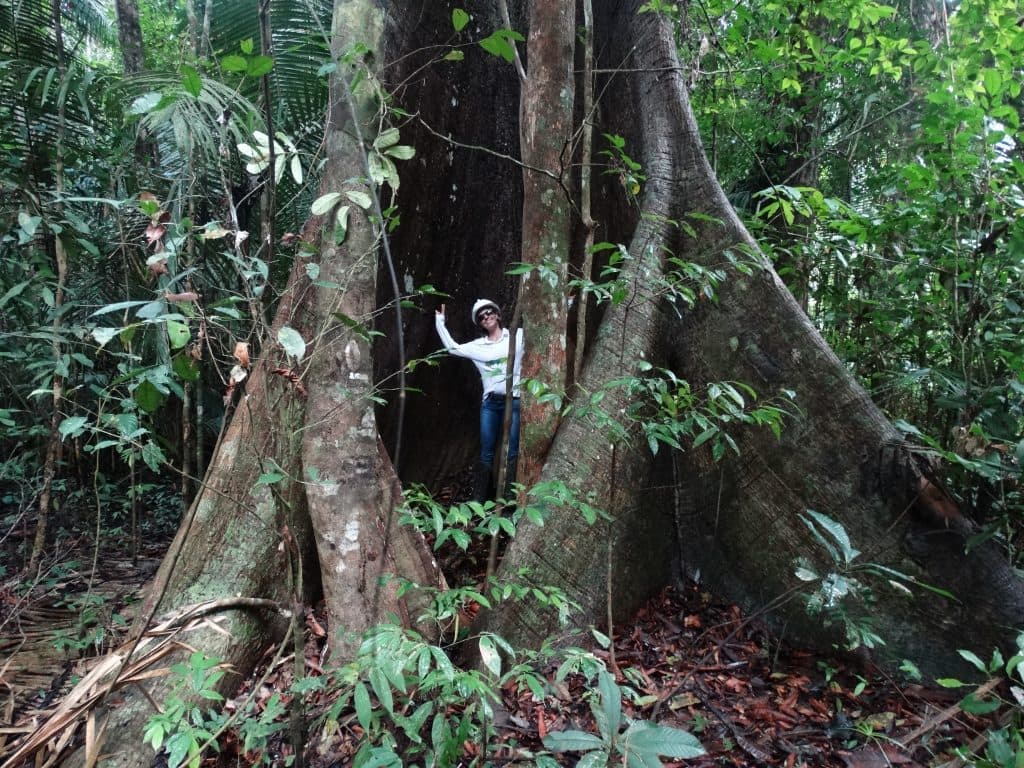
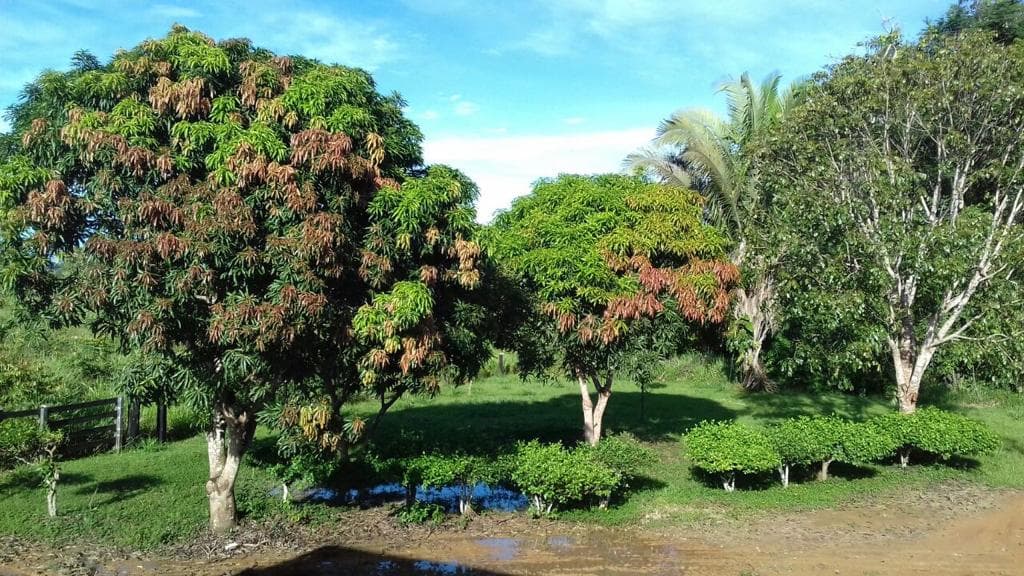
As well as its core aims of protecting over 70,000 hectares of Amazon rainforest, the project plan also provides co-benefits in the local community of Perseverança Pacutinga – including technical training, women’s empowerment workshops, wildlife monitoring and more.
As rated by Sylvera, the project has achieved – and exceeded – its claimed emissions reductions. Compared to the baseline scenario, the project has achieved considerably lower rates of forest loss.
Verification
This project is verified by the Verified Carbon Standard. You can view it on the Verra Registry here.

Climate solution #38
Forest protection
In their biomass and soil, forests are powerful carbon storehouses. Protection prevents emissions from deforestation, shields that carbon, and enables ongoing carbon sequestration.
For each hectare of forest protected, the threat of deforestation and degradation is removed. By protecting an additional 335-466 million hectares of forest, this solution could avoid carbon dioxide emissions totaling 5.5-8.8 gigatons by 2050. Perhaps more importantly, this solution could bring the total protected forest area to almost 0.98-1.1 billion hectares, securing an estimated protected stock of 179-203 gigatons of carbon, roughly equivalent to over 655-743 gigatons of carbon dioxide if released into the atmosphere.
The benefits of forest conservation include biodiversity protection, non-timber products, erosion control, pollination, ecotourism and other ecosystem services.
Photos
Locations
Mato Grosso, Brazil
Benefits
SDGs supported


Verification
These partners help deliver the project and verify its impact.
Verifiers

Verified Carbon Standard
The Verified Carbon Standard (VCS) Program is the world's most widely used greenhouse gas (GHG) crediting program.

Climate, Community and Biodiversity Standard
Projects developed under the CCB Program must follow a rigorous assessment process to be certified. The CCB Standards are managed by Verra but were developed through a multi-stakeholder process by the Climate, Community & Biodiversity Alliance, a partnership of CARE, Conservation International, The Nature Conservancy, the Rainforest Alliance and the Wildlife Conservation Society.