

Carbon avoidance
Rainforest conservation in Brazil

Overview
Site
Benefits
Verification
Context
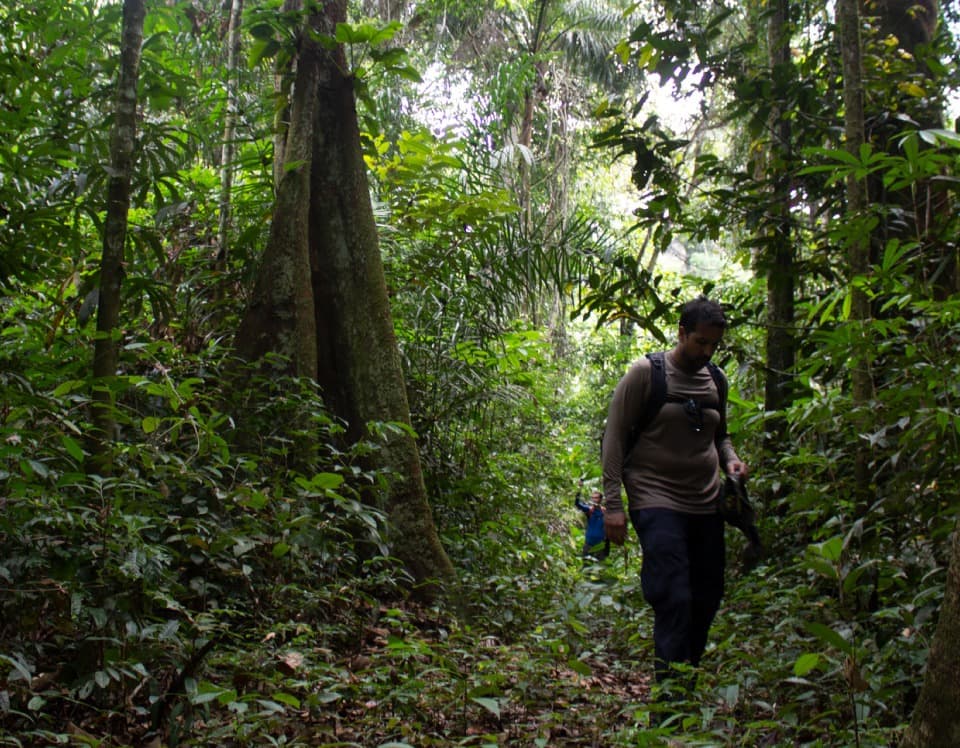
Tropical rainforests, such as those found in the Amazon basin, have long been referred to as “the lungs of the world”. Around a third of the world’s primary tropical rainforest (490 million hectares) is situated in Brazil, and around 80% of this tropical rainforest is situated in the Brazilian part of the Amazon basin. The Amazon rainforest is one of the most biodiverse habitats on the planet, and is home to 10% of all known terrestrial species. Additionally, on average, a new species is discovered in the Amazon every 3 days! 1 million indigenous people live in the Amazon rainforest too, so preserving it is vital to keep their communities intact.
However, sadly, 20% of the Brazilian Amazon rainforest was lost between 1975 and 2018, largely to clear land for agriculture, oil and gas production, mining, logging, and infrastructure. The rate of deforestation has increased over the past 3 years, with the rate towards the end of 2020 reaching its highest level since 2008. This is deeply concerning and shows how important projects that protect rainforest are right now.
Project
The objective of this project is to avoid emissions being released by deforestation of the Amazon rainforest, across 18 parcels of locally-owned private land. The project involves the incorporation of a careful management and monitoring plan to ensure that the land is not encroached upon and deforested.
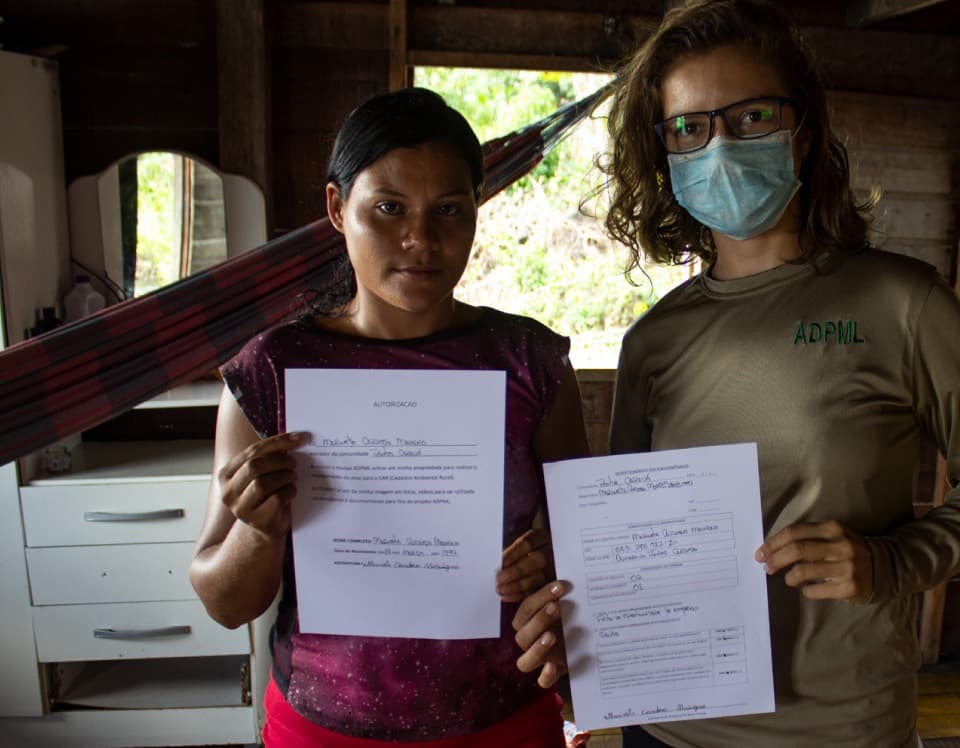
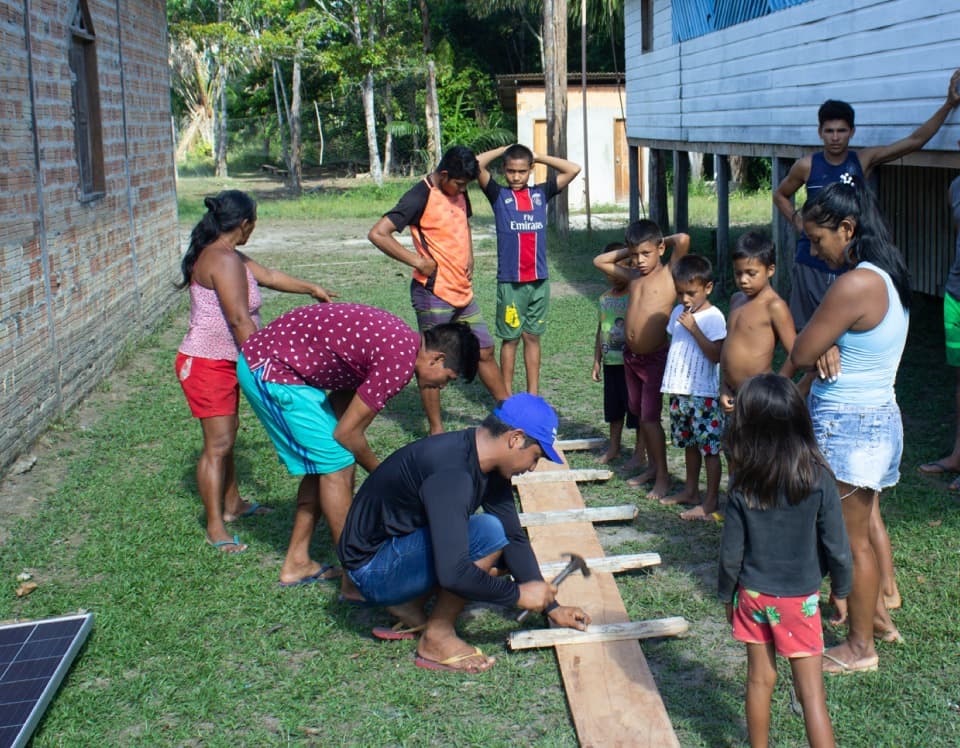
The project also aims to provide benefits to the local community, including securing land tenure for villagers living within the project boundary, hosting workshops to support local people in the management of natural resources, and also distributing energy-efficient cookstoves to reduce both household pollution and deforestation for fuel wood.
It is estimated that the project activity will avoid over 260,000 tonnes of emissions per year – totalling over 10.5 million tonnes over the project’s 41-year lifetime.
Verification
This project is verified by the Verified Carbon Standard and Climate, Community and Biodiversity Standard. You can view it on the Verra Registry here.


Climate solution #38
Forest protection
In their biomass and soil, forests are powerful carbon storehouses. Protection prevents emissions from deforestation, shields that carbon, and enables ongoing carbon sequestration.
For each hectare of forest protected, the threat of deforestation and degradation is removed. By protecting an additional 335-466 million hectares of forest, this solution could avoid carbon dioxide emissions totaling 5.5-8.8 gigatons by 2050. Perhaps more importantly, this solution could bring the total protected forest area to almost 0.98-1.1 billion hectares, securing an estimated protected stock of 179-203 gigatons of carbon, roughly equivalent to over 655-743 gigatons of carbon dioxide if released into the atmosphere.
The benefits of forest conservation include biodiversity protection, non-timber products, erosion control, pollination, ecotourism and other ecosystem services.
Photos
Locations
Para, Brazil
Benefits
Sustainable development goals
These Sustainable Development Goals show the wider outcomes this project supports beyond its headline impact.


Verification
These partners help deliver the project and verify its impact.
Verifier

Verified Carbon Standard
The Verified Carbon Standard (VCS) Program is the world's most widely used greenhouse gas (GHG) crediting program.
