
Providing Safe Water in Zambia
Context
In Zambia, 6.4 million people don’t have clean water. About 54.4 percent of Zambians live in poverty (national poverty line), with rural poverty rates markedly higher at 76.7 percent. Extreme poverty in rural areas is at 60.8 percent, substantially above the average for Sub-Saharan Africa.
Access to safe drinking water in Zambia remains a critical public health challenge, particularly in rural areas where many communities depend on unprotected and easily contaminated water sources. These sources, including wells, rivers, and streams, can expose communities to dangerous waterborne diseases like cholera, typhoid, and diarrhoea, which are prevalent health risks in the country. Despite some progress, inadequate water infrastructure and inconsistent access to clean drinking water continue to pose significant threats to the health and well-being of Zambia’s population.
The disparity between urban and rural access to clean water is stark. In urban areas, around 87% of the population has access to improved drinking water sources. However, this statistic can be misleading, as urban residents often face unreliable water supply, with intermittent availability forcing them to seek out less secure alternatives. In rural regions, the situation is more severe, with only about 54% of the population accessing improved water sources. Rural communities frequently rely on untreated water from boreholes, rivers, or rainwater collection—sources that may not be safe or properly maintained. Challenges such as water quality issues, outdated infrastructure, rapid population growth, and the impacts of climate change, including erratic rainfall and prolonged droughts, further complicate efforts to provide safe drinking water across the country.
Project
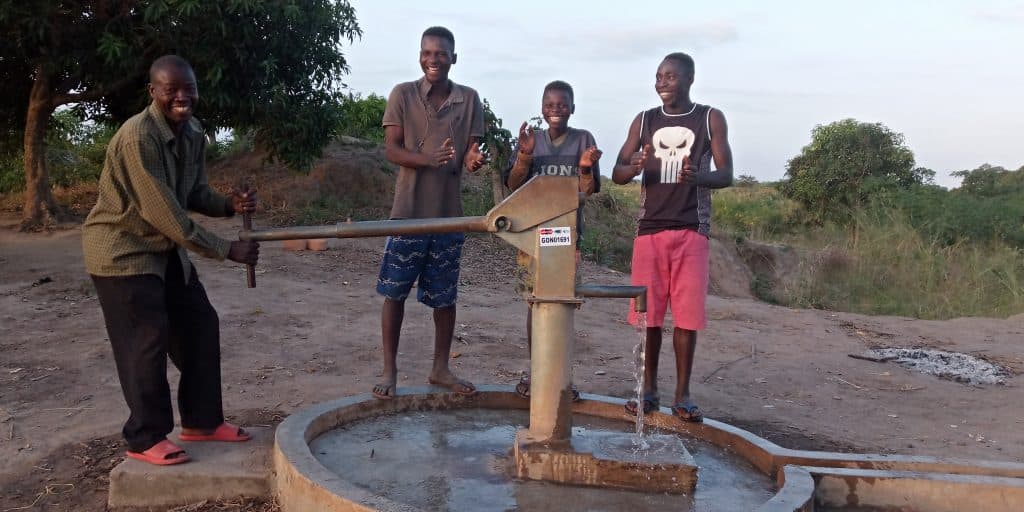
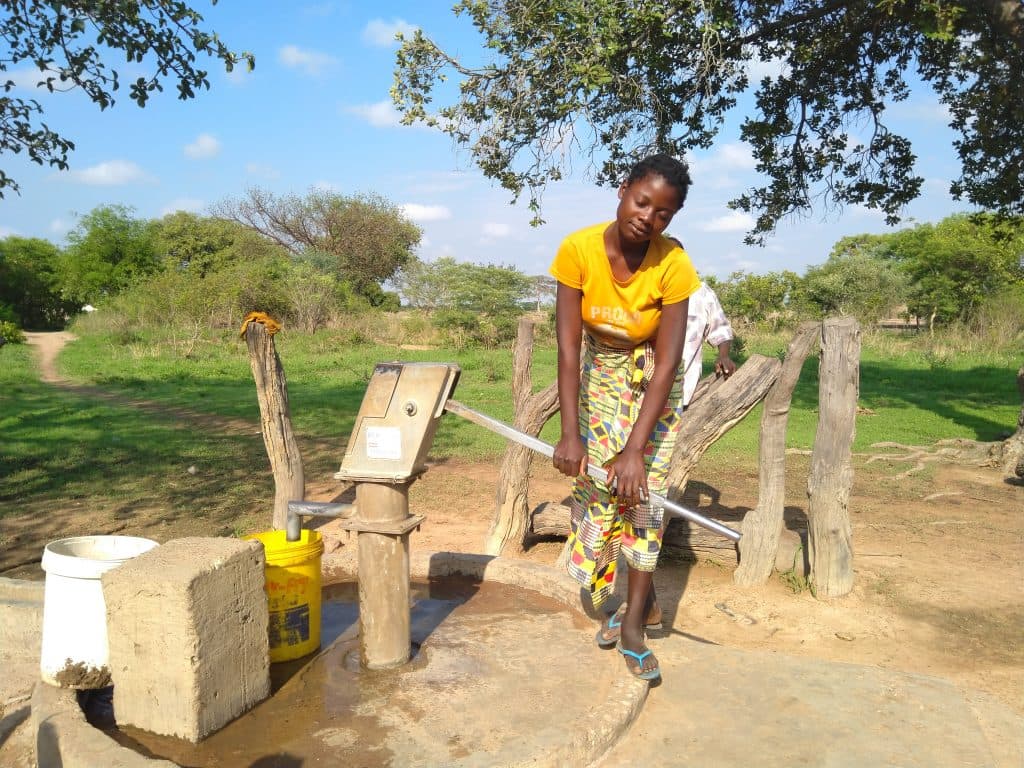
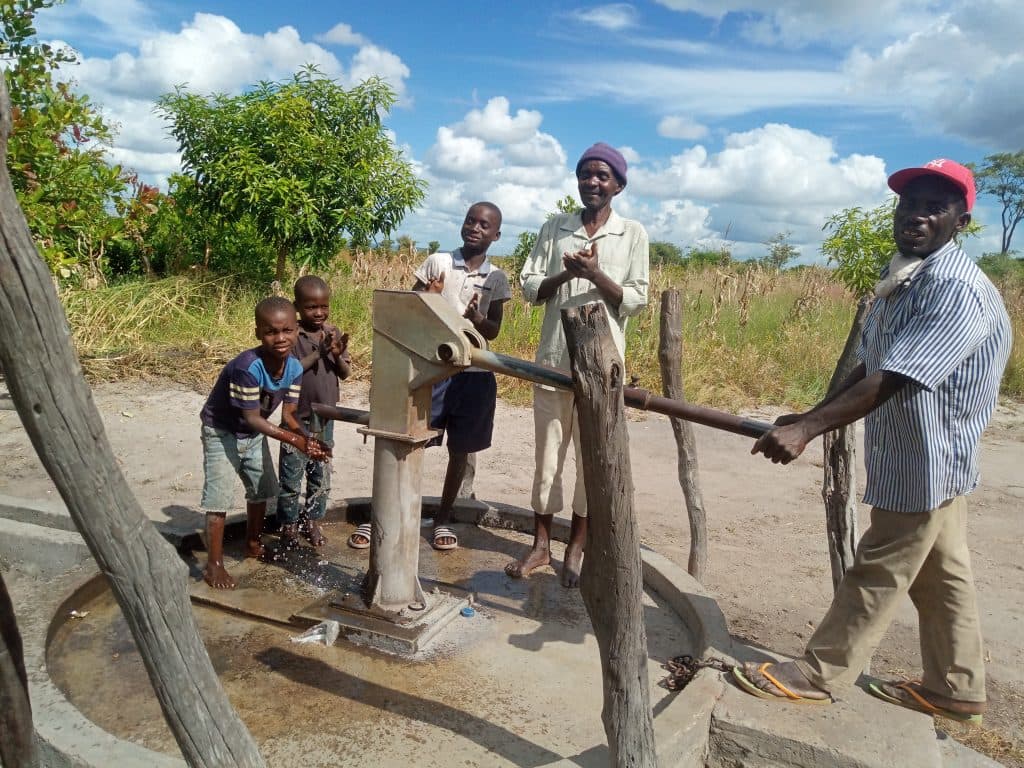
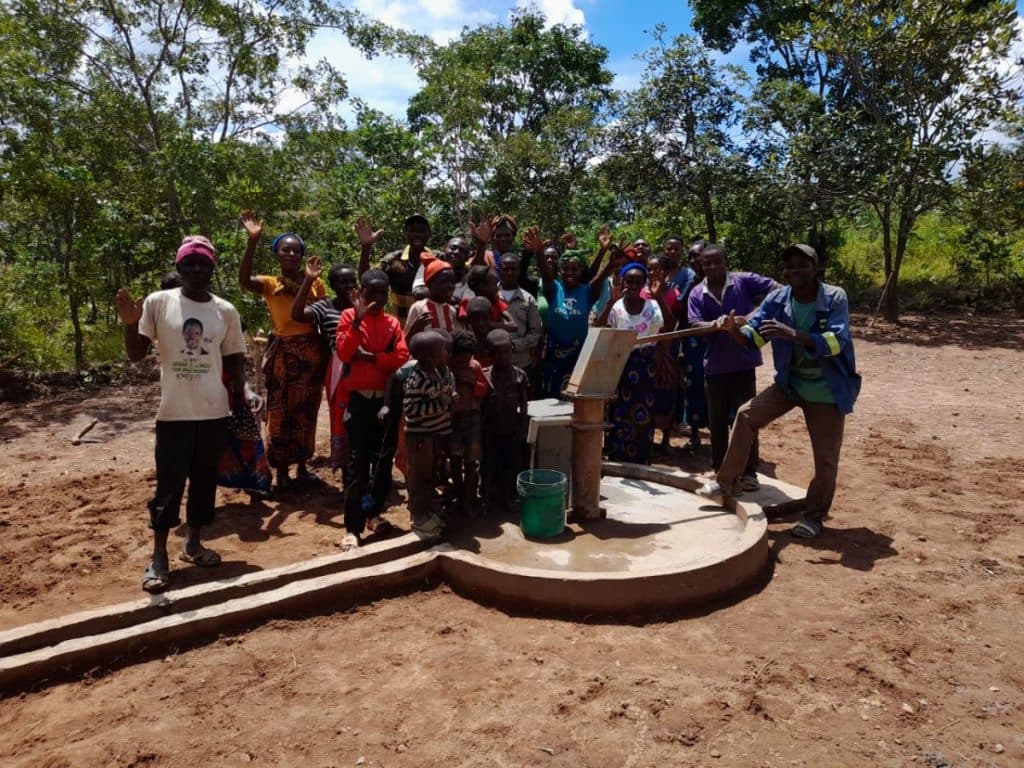
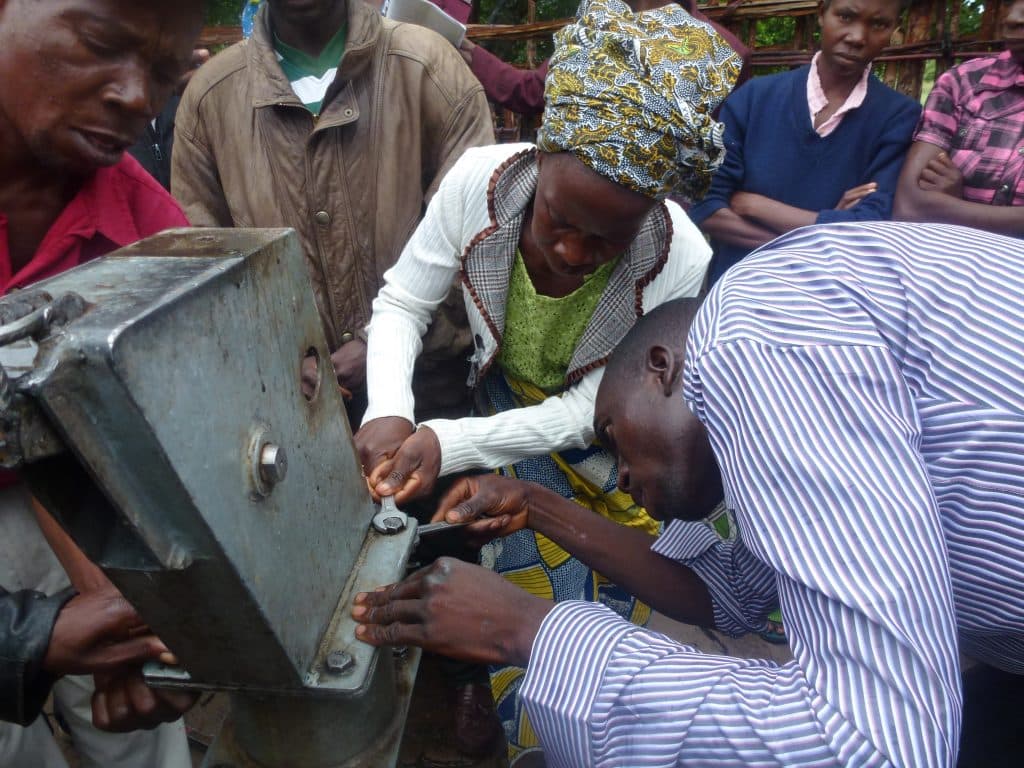
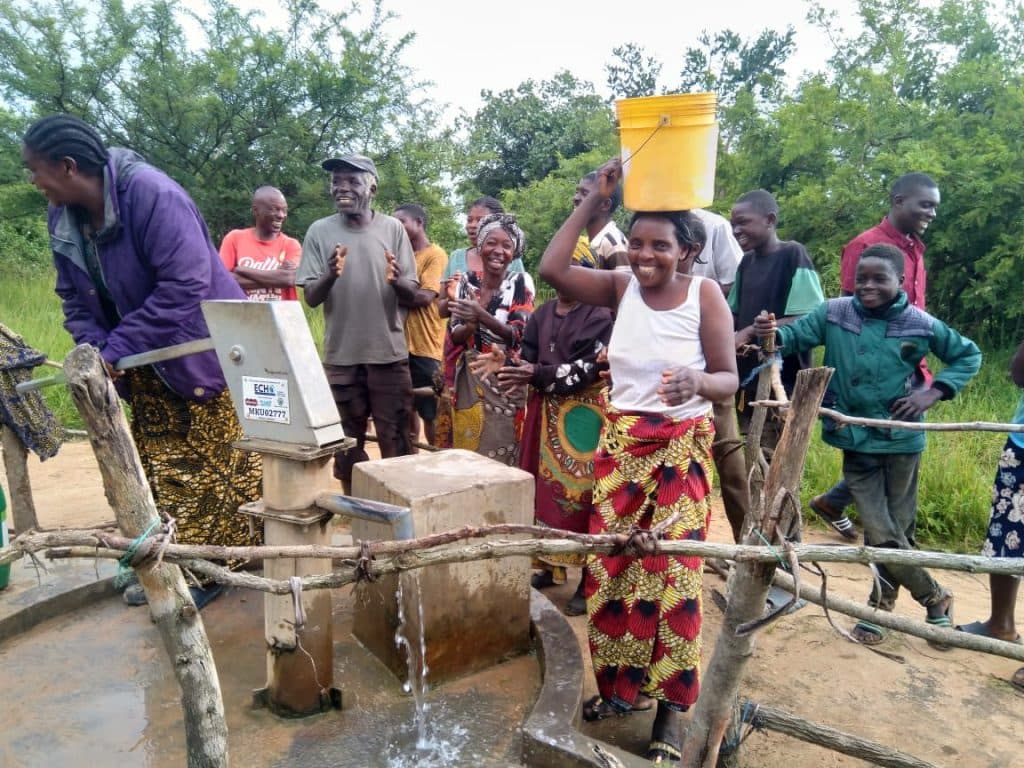
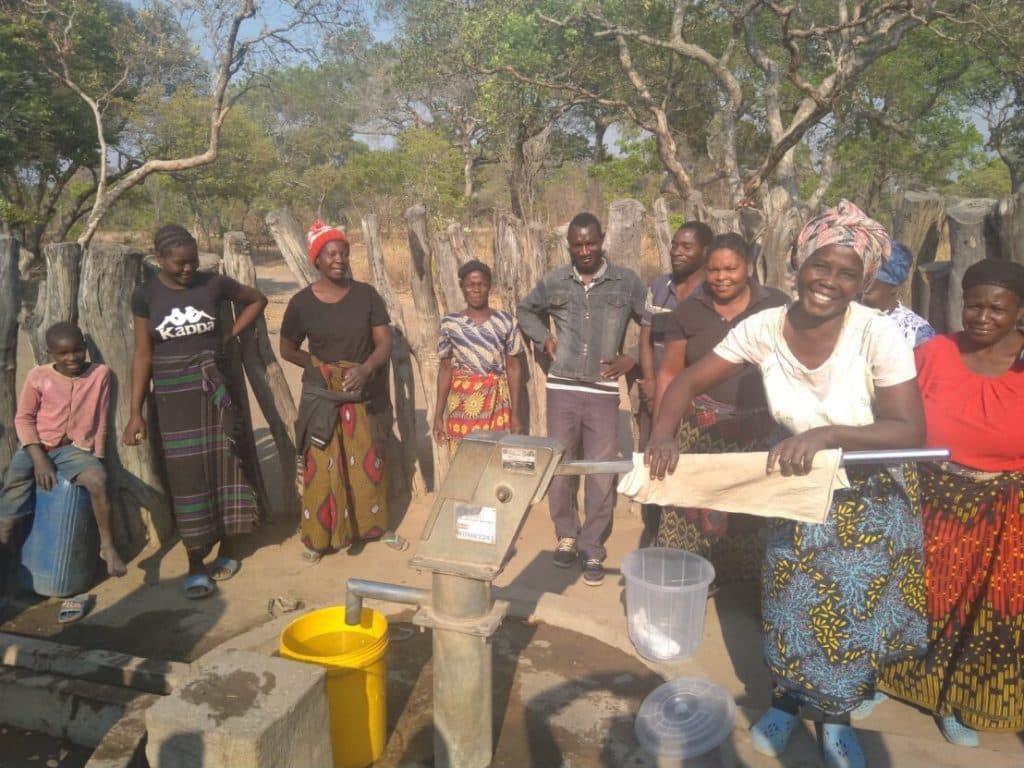
The Zambia Safe Water Project is being carried out in Zambia’s Western and Central Provinces, aiming to provide local communities with reliable access to clean, safe drinking water by rehabilitating boreholes. Prior to the project, many residents relied on unsafe, easily contaminated water sources. These would often need to be boiled over traditional and inefficient three-stone fires, which consumed significant firewood and contributed to indoor air pollution. By repairing and maintaining these boreholes, the project has eliminated the need to boil water, thereby reducing firewood usage and indoor air pollution.
Since its launch in 2020, over 1,360 boreholes have been successfully restored, giving thousands of households secure access to clean water. The project is a collaborative effort, with partners like Village Water and WATSAN continually working to rehabilitate additional boreholes and maintain those already in operation.
Community Training and Engagement
To ensure the project’s long-term success, community involvement is essential. Training and educational activities are carried out using WASH (Water, Sanitation, and Hygiene) workshops, along with basic borehole maintenance training. These efforts aim to empower local communities to take ownership of their water sources, ensuring sustainability.
Encouraging lasting behaviour change can be challenging, so the training sessions are repeated yearly. Quarterly follow-up visits are conducted to assess the boreholes’ performance, provide refresher training, and perform brief check-ins with the communities. Additionally, quarterly water quality tests are conducted to guarantee the continuous safety of the drinking water.
The project faced an early challenge when the COVID-19 pandemic struck shortly after it began. To minimise cross-contamination risks, the project implemented a ‘tippy-tap’ system—a simple, hands-free way for community members to wash their hands before using the boreholes. This system involves a container suspended by a rope, which can be tipped using a foot-operated lever, allowing safe and hygienic access to water.
The Zambia Safe Water Project delivers the follow key performance impacts:
Number of Boreholes – 1,368
People Served – 302,202
Annual Litres of Safe Water – 707,322,669
Annual Tonnes of Firewood Saved – 273,333
About the Developer:
CO2balance, established in 2003, is a leader in carbon credit solutions and sustainability. The company was founded by a team of entrepreneurs, led by Mark Simpson, who recognised the potential for carbon offsetting to address climate change while supporting sustainable development in underprivileged communities across the developing world. As carbon markets grew globally, CO2balance leveraged carbon finance to fund impactful projects, particularly focusing on renewable energy and energy-efficient cookstoves in sub-Saharan Africa. CO2balance develop and implement projects that deliver the combined benefit of reducing carbon dioxide emissions and improving socio-economic conditions for target communities, making quantifiable contributions to achieving the UN’s Sustainable Development Goals (SDGs). Their projects include improved cookstove projects, safe water projects, corporate social responsibility (CSR) projects and renewable energy projects.
Verification
This project is verified by the Gold Standard. You can view it on the Gold Standard Registry here.
Climate solution
Safe drinking water
Pressure management and active leakage control could reduce water losses by 36–46 percent and carbon dioxide equivalent emissions by 0.61–0.86 gigatons. Total installation cost would be US$7.87–10.96 billion, and operating savings for utilities could be US$1.02–1.45 trillion. Implementing this solution could save 311,940–389,126 million cubic meters of water over 30 years.