Carbon avoidance

Protecting the Tambopata-Bahuaja Biodiversity Reserve in Peru

Protecting the Tambopata-Bahuaja Biodiversity Reserve in Peru

Peru, the third-largest country in South America, is renowned for its stunning biodiversity, rich cultural heritage, and critical ecosystems. However, these natural assets face increasing threats from deforestation, climate change, land-use changes, and extractive activities. In the Madre de Dios region, near the Bolivian border, a transformative project led by the Peruvian NGO AIDER is working to protect the Tambopata National Reserve and a section of Bahuaja-Sonene National Park. Spanning 591,119 hectares, the project will avoid 457,750 tCO₂e emissions annually over 20 years while delivering extensive benefits for biodiversity and local communities.

Locations

Tambopata-Bahuaja Biodiversity Reserve, Peru

Timeline

Follow the latest milestones and updates from this project.

Dec 2025
Monitoring Report 2025

Monitoring Report 2025

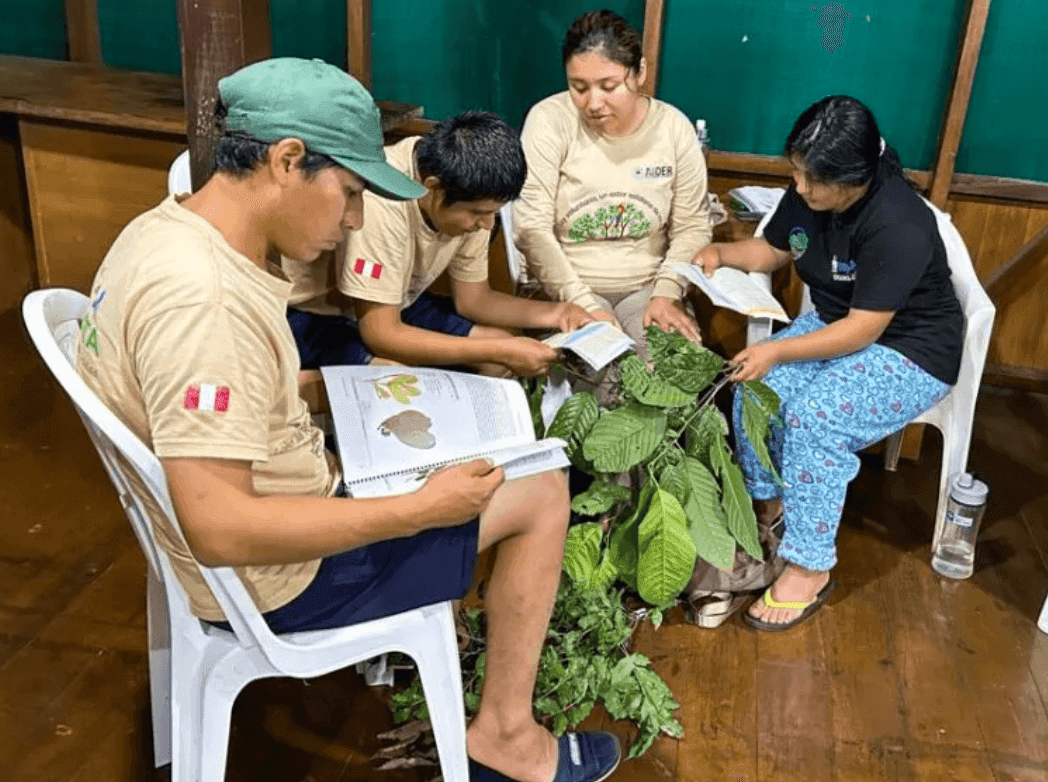
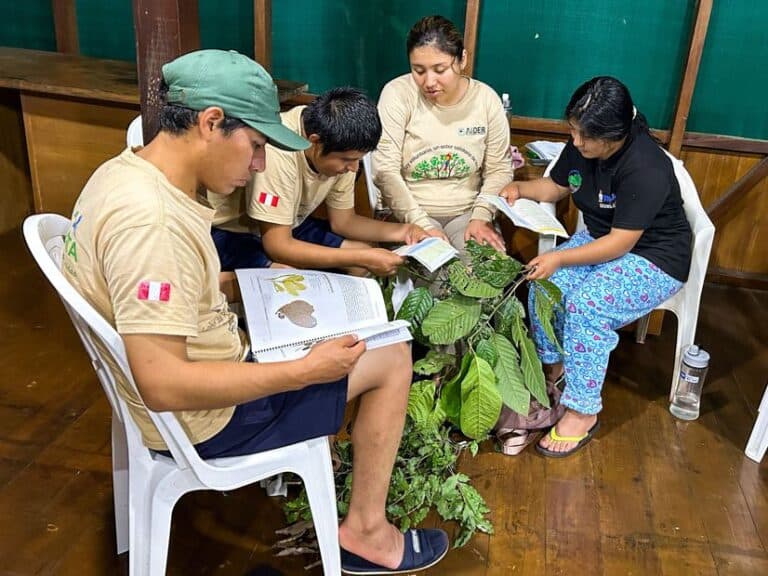
During the year, support was provided to approximately 580 families, including farmers, fish farmers, artisans, tourism businesses, chestnut growers, ranchers, artisanal fishermen, and others who benefited from the project. Technical assistance was provided, including: technical advice on maintenance pruning, awareness-raising on productive activities, monitoring of grafted cacao seedlings and free-roaming plants, monitoring forest plantations, raising awareness among cacao producers, aquaculture farmers, and artisans from native communities, among other activities.
Oct 2025

Community support in Peru

During the year, support was provided to approximately 580 families, including farmers, fish farmers, artisans, tourism businesses, chestnut growers, ranchers, artisanal fishermen, and others who benefited from the project. Technical assistance was provided, including: technical advice on maintenance pruning, awareness-raising on productive activities, monitoring of grafted cacao seedlings and free-roaming plants, monitoring forest plantations, raising awareness among cacao producers, aquaculture farmers, and artisans from native communities, among other activities.
Jul 2019
Accreditation

Accreditation

Achieves Climate, Community & Biodiversity Standards (CCB) under Verra

Jul 2010
Creation

Creation

Project Start Date

Benefits

The project prevents unplanned deforestation and degradation within the protected areas, halting the release of greenhouse gases into the atmosphere. By conserving forested land, the project avoids 457,750 tCO₂e emissions annually, playing a critical role in mitigating climate change

Sustainable development goals

These Sustainable Development Goals show the wider outcomes this project supports beyond its headline impact.

No Poverty

The project supports local communities by promoting sustainable livelihoods, providing financial resources, and technical assistance. These initiatives improve income generation and economic resilience, helping to alleviate poverty in the region.

Zero Hunger

Through sustainable agricultural practices and support for forest-friendly activities, the project improves food security by enhancing crop yields and promoting diversified income streams for local families.

Good Health and Well-Being

The project reduces deforestation, contributing to cleaner air and a healthier environment. By creating sustainable practices, it minimises exposure to harmful pollutants, benefiting the well-being of local populations.

Quality Education

Capacity-building initiatives, such as training for park rangers and community surveillance committees, promote environmental education and skill development, empowering local communities with knowledge to sustain their ecosystems.

Decent Work and Economic Growth

The project creates employment opportunities and supports sustainable economic activities, fostering economic growth while ensuring environmental sustainability and empowering local communities.

Responsible Consumption and Production

By promoting sustainable use of natural resources and reducing reliance on extractive activities, the project encourages responsible production and consumption practices among local communities.

Climate Action

The project avoids 457,750 tCO₂e emissions annually by preventing deforestation, significantly contributing to global efforts to mitigate climate change and reduce greenhouse gas emissions.

Life on Land

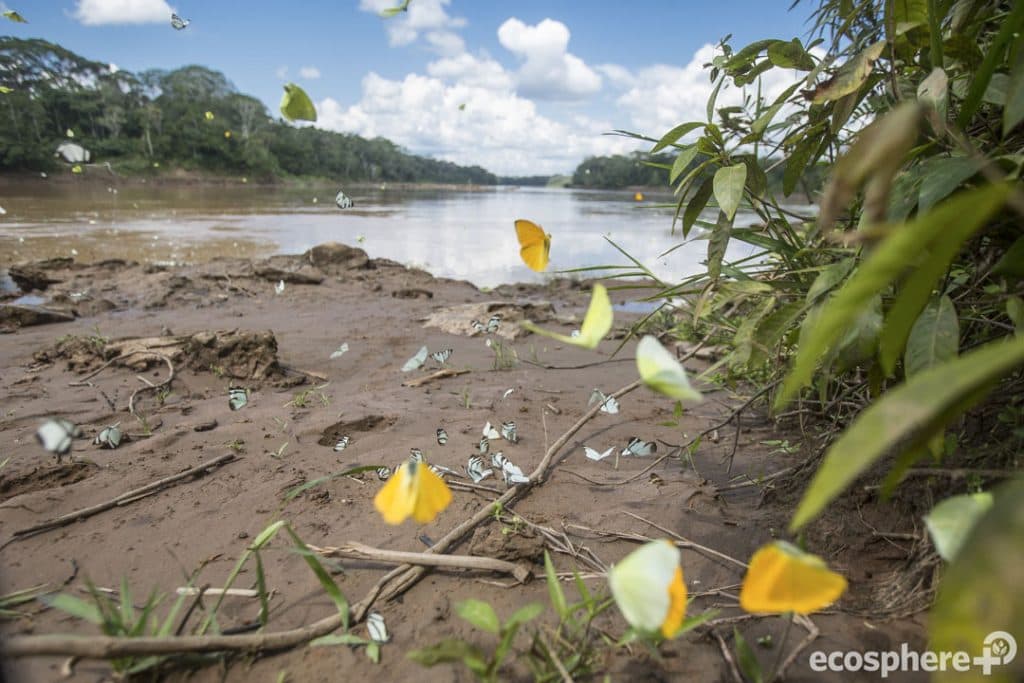
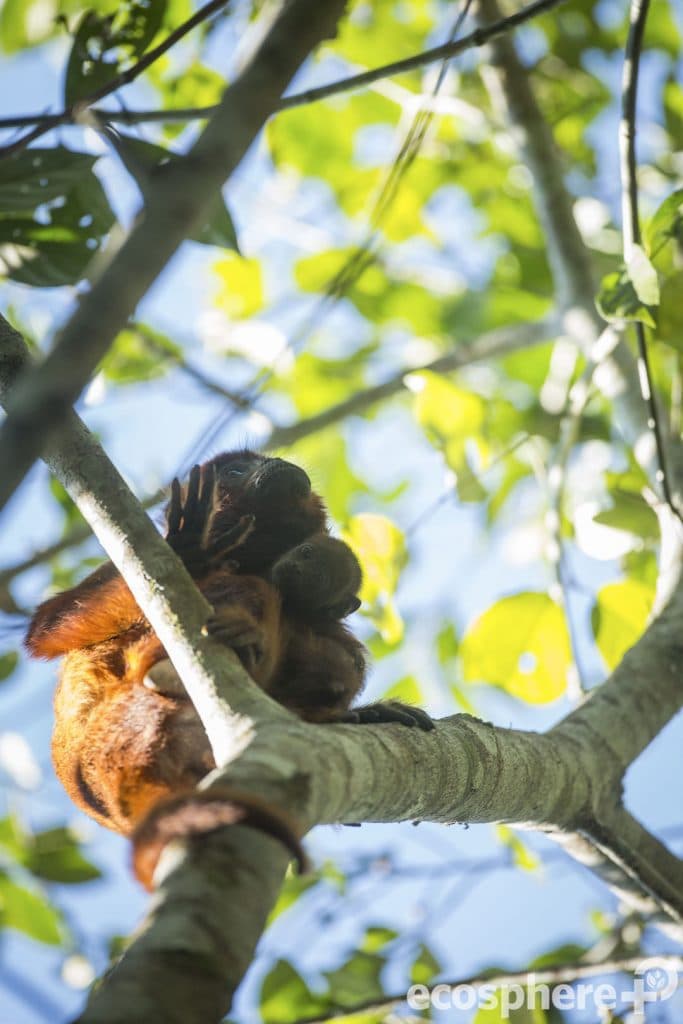
Through the protection of tropical rainforest and critical biodiversity, the project conserves vital ecosystems, safeguards endangered species, and supports the sustainable use of terrestrial ecosystems in the Madre de Dios region.

Verification

These partners help deliver the project and verify its impact.

Verifier

Verified Carbon Standard

Verified Carbon Standard

The Verified Carbon Standard (VCS) Program is the world's most widely used greenhouse gas (GHG) crediting program.

Verified Carbon Standard and Climate, Community and Biodiversity Standard

Verified Carbon Standard and Climate, Community and Biodiversity Standard