Reforestation

Protecting the Kakamega forest through local agroforestry

Protecting the Kakamega forest through local agroforestry

Why plant trees?

Reforestation replants trees on land hit by natural or human disturbance. It restores forest structure and canopy, protects biodiversity and watersheds, and promotes carbon sequestration.

Project summary

Why is this project important?

Kakamega Tropical Rainforest, Kenya's last Neo-Guinea Congo rainforest remnant, faces threats that endanger its vital role in supporting wildlife, water sources, and local livelihoods, underscoring the need for urgent conservation efforts.

The forest faces critical threats from unsustainable practices driven by poverty, including the expansion of farmlands, illegal logging, and charcoal production. This degradation, compounded by erratic rainfall patterns, has led to food insecurity and reduced agricultural yields, affecting millions of people.

How will the project protect the rainforest?

Local communities around the forest buffers have few alternatives for biomass fuel and timber. The decline of Non-Timber Forest Products (NTFPs) like medicinal herbs, honey, and wild fruits due to forest degradation underscores the need for agroforestry interventions. These can support both the conservation of Kakamega Forest and the socio-economic improvement of nearby communities.

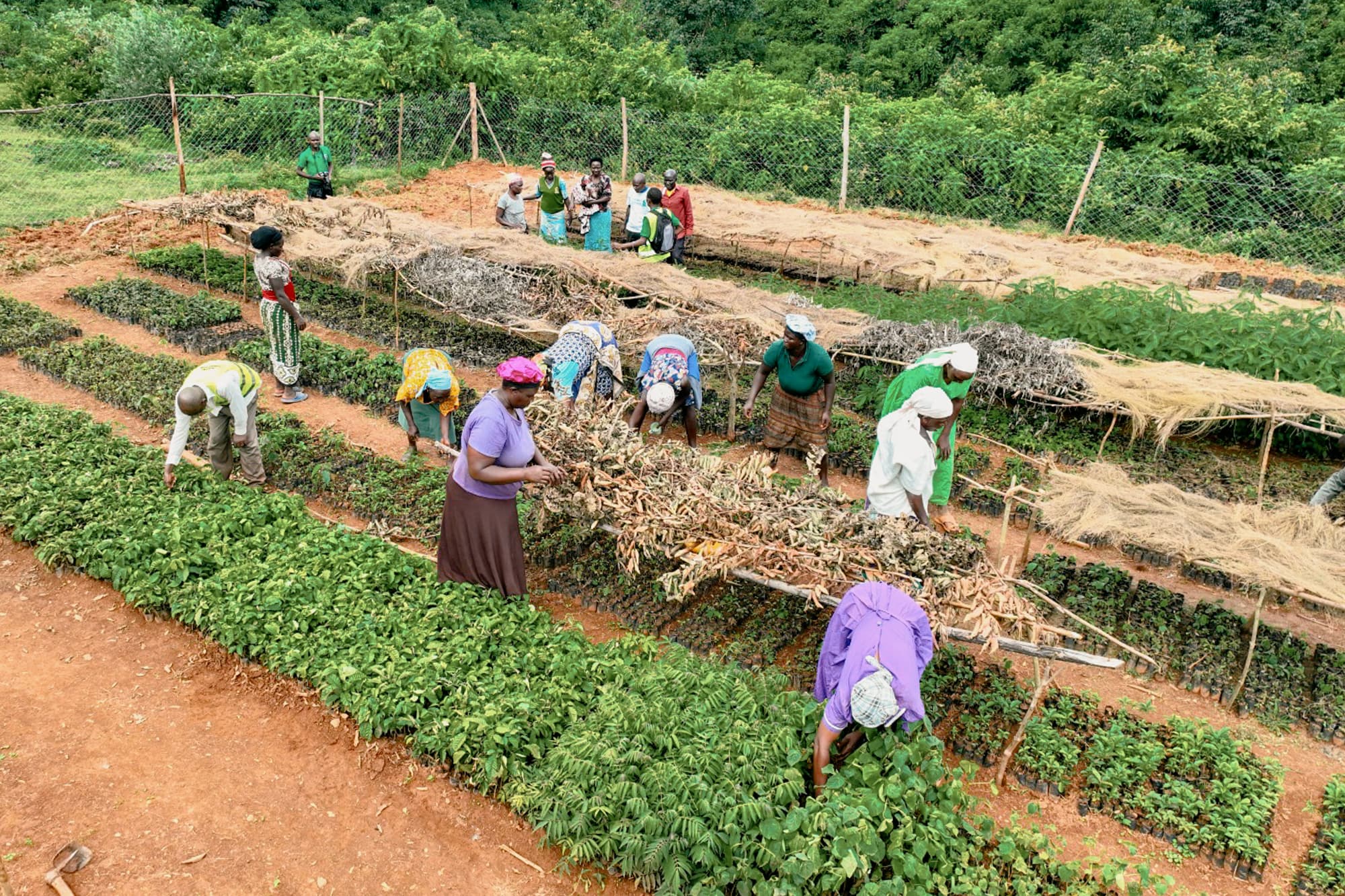
This project aims to enhance the value, productivity, and resilience of 150 hectares of degraded land in the buffer zones of Kibiri forest by implementing suitable tree cultivation techniques. Implemented on 500 smallholder farms, in 5 schools, and 5 public institutions, the project will plant a total of 100,000 agroforestry trees: 90,000 on farms and 10,000 on public land and school grounds.

The project aims to promote the adoption of high-value, high-demand fruit trees, as well as other multipurpose agroforestry and medicinal native trees valued by local communities for conservation and income-generating activities (IGA). Additionally, the project will encourage the intercropping of diverse crops, including grains, vegetables, and medicinal plants, with trees and perennial food and tuber crops on their land.

What kinds of trees will be planted?

About 70% of the trees planted will be permanent species, including fruit-bearing and native varieties, while 30% will be managed sustainably through methods like coppicing and selective harvesting. This approach enables the community to use the timber to build homes or generate funds for education, providing a sustainable income source. Some trees may mature within 5 to 10 years, enhancing the community's ecological and economic resilience.

Where will the trees be planted?

This project focuses on 10 villages in the Muhudi and Makuchi locations: Muhudu Kamulembe, Shanda, Kavundu, Mukamari, Andaye, Sirwa, Shiru, Shaviringa , and Musasa. This area is within the buffer zones of the Kibiri forest block, located about 380 kilometres northwest of Nairobi in Vihiga County.

These locations have been selected primarily because they are part of the community forest associations (CFA) and face significant demand for tree-based incentives at the on-farm level, alongside challenges with fuel and renewable energy. Their proximity to the Kibiri forest block enables residents to work as casual labourers, and they form an essential part of the “social fence” that mitigates pressure and prevents encroachment on the remaining forest areas.

Building on strong foundations

This initiative builds on the ongoing complementary Kakamega Phase 4 tree-planting and community-led restoration project, which is rooted in strong community relationships and strategic infrastructure established by the International Tree Foundation. These foundations enable effective scaling and replication of this agroforestry intervention.

The project will enhance sustainable land management, reduce ecological pressure on natural resources, improve climate resilience, diversify livelihoods, and ensure prosperity.

Locations

Kakamega, Kenya

Benefits

Climate

This project is helping to develop livelihoods that are more climate resilient so that local people are better equipped to sustain themselves and their families as the climate continues to change. This includes protecting the forests, and reducing their fuel consumption through using fuel-efficient cookstoves.

Nature

This project is prioritising tree species that are valued and have been requested by the local community members. These include medicinal native trees such as Prunus africana (African cherry) and Olea africana (Elgon teak).

Incorporating native tree planting into farms can help to boost native biodiversity by creating habitat that supports other native flora and fauna.

People

This project brings many benefits for local people:

  • Over 100 community members will have increased income.

  • A total of 20 jobs will be created for community tree monitors and project coordination teams.

  • 500 smallholder farmers will receive 10,000 high-value fruit trees and 80,000 native and agroforestry trees.

  • 10,000 trees will be planted in 10 public areas, including churches, health centres, and 5 schools, as part of a greening and environmental stewardship initiative.

  • Two workshops will be conducted for 100 smallholders on agroforestry, sustainable land management, and climate-resilient livelihoods.

  • 100 improved cookstoves will be distributed to 100 vulnerable households, along with training on renewable energy and green entrepreneurship.

  • 5 water tanks will be supplied to 5 schools, integrated into the school program to nurture the trees and support school use.

  • 5 training sessions will be conducted for 5 school environmental clubs on tree maintenance for 10,000 planted trees and promoting environmental stewardship. As a result, 250 school students from those 5 schools (75% girls) will strengthen their commitment to natural resource management.

SDGs supported

No Poverty

High-value trees will directly increase farmers' earnings, helping reduce levels of poverty across the area.

Gender Equality

Women and girls in the project area disproportionately bear the burden of collecting firewood and cooking over open fires, exposing them to health risks and limiting their time for education or income-generating activities. To address this, the project promotes the adoption of 100 clean cookstoves, reducing indoor air pollution and pressure on forests.

Clean Water and Sanitation

Kakamega Tropical Rainforest, Kenya’s only remaining fragment of the Congo-Zaire rainforest, stands at a critical juncture. This vital ecosystem plays a crucial role in supporting wildlife, regulating freshwater sources. The site serves as the source of the Kaon River, which flows into the Yala River and feeds into the Lake Victoria basin, supporting the livelihoods of over 4 million smallholder farmers downstream.

Affordable and Clean Energy

Access to clean cooking contributes to access to modern and clean energy.

Climate Action

Protecting the last fragment of tropical rainforest in Kenya aims to take urgent action to combat climate change and its impacts.

Life on Land

Planting 100,000 trees on small-holdings and in public places will support local biodiversity and help protect the Kakamega rainforest.

Verification

These partners help deliver the project and verify its impact.

Suppliers

International Tree Foundation

International Tree Foundation is a charity working with local communities to plant trees and restore forests in places where, together, we can make the fastest, most lasting impact for communities and the future of our planet.