

Carbon avoidance
Protecting rainforest in a wildlife sanctuary in Cambodia

Overview
Site
Benefits
Verification
What is forest protection?
Forest protection projects reduce emissions from deforestation, forest degradation, sustainable forest management, and carbon stock conservation. Developing countries can also earn results-based payments for emission reductions through these activities.
Project summary
At Ecologi we are committed to continuously improving our due diligence processes and the standards we set for the projects we support. This means that whilst project pages like this one are still available for transparency, occasionally projects which we historically supported – including this one – no longer meet our increasing standards for receiving funding. The last time we supported this project was in January 2024.
Context
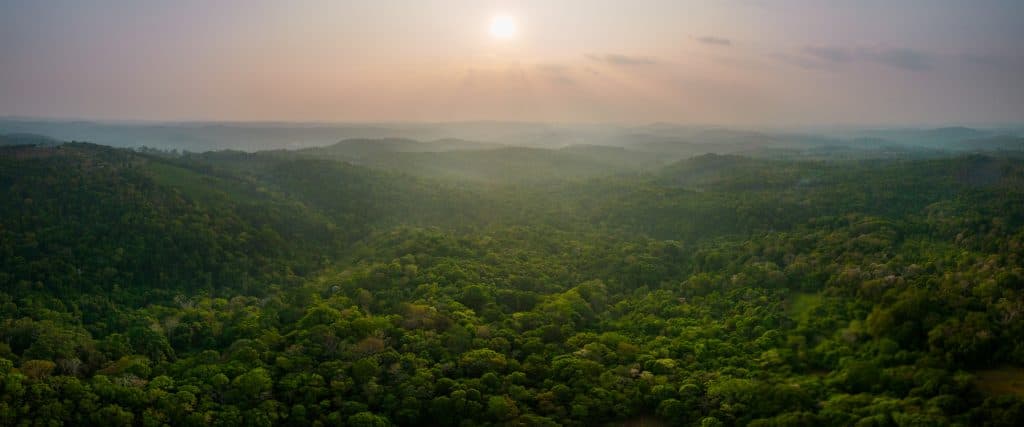
Cambodia’s rainforests are some of the most biodiverse in the world. The Seima Protection Forest was created by a Prime Ministerial Subdecree in late 2009. This upgraded the conservation status of the former Seima Biodiversity Conservation Area, which operated during 2002-2009. Until 2016, the Seima Protection Forest was reclassified by the Royal Government of Cambodia as the Keo Seima Wildlife Santuary (KSWS).
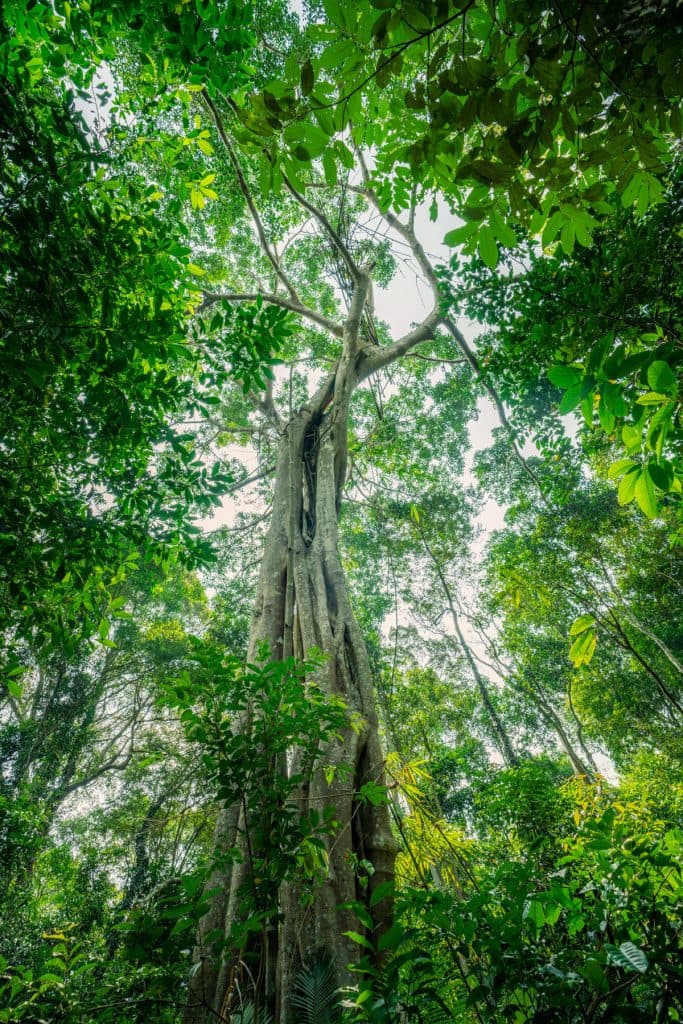
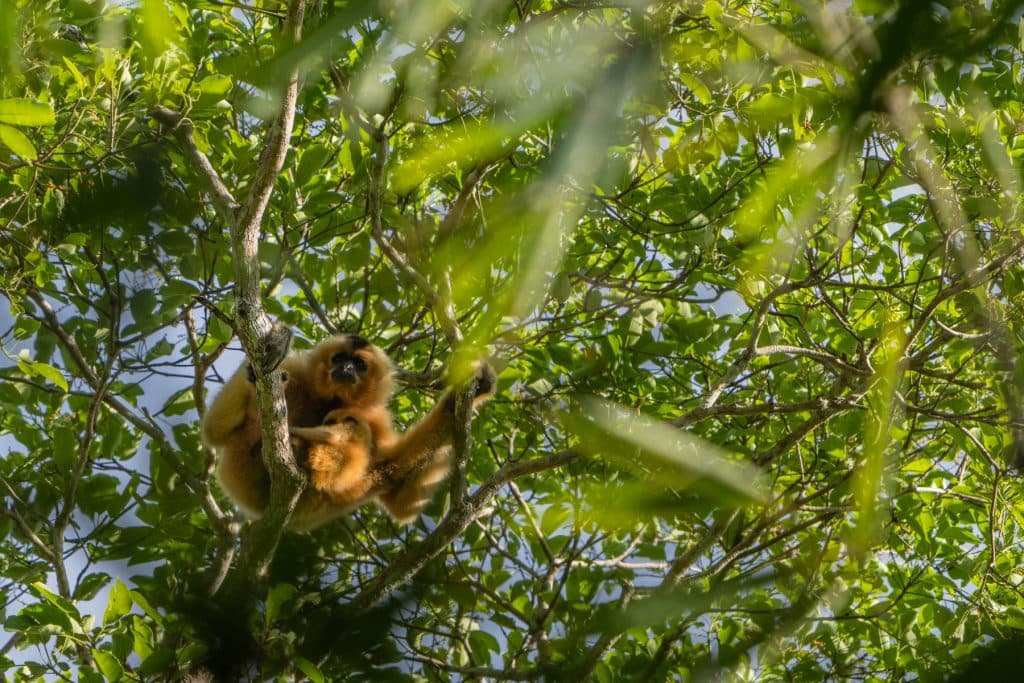
The area is part of the ancestral homeland of large number of ethnic Bunong people, for whom the forest is a key source of income and central to their spiritual beliefs. The area is also a meeting place for two important ecoregions – the Annamite Mountains (notable for high levels of local endemism among evergreen forest species) and the lower Mekong dry forests (which are crucial for the survival of many species typical of lowland deciduous forests). There are 41 Globally Threatened vertebrate species recorded in the Project Area (including 4 Critically Endangered and 14 Endangered). Many of these occur in globally or regionally outstanding populations, including Asian Elephants, primates, wild cattle, several carnivores and birds such as the Giant Ibis and Green Peafowl.
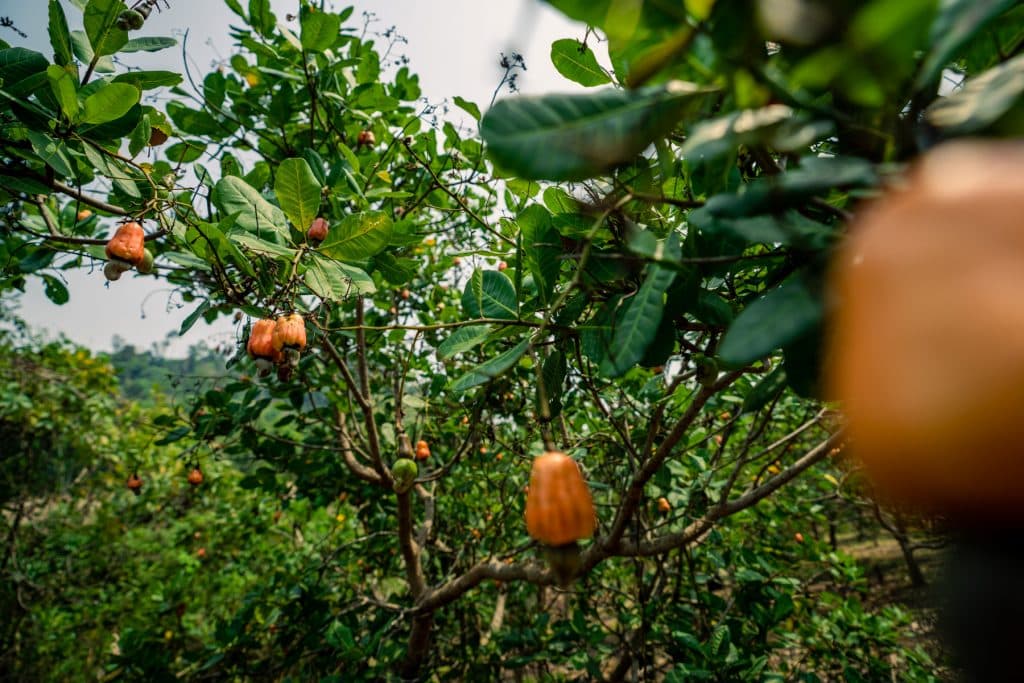
Unfortunately, the sanctuary is currently under threat from accelerating forest clearance for agriculture together with unsustainable resource extraction (including hunting, logging and fishing). These activities harm both biodiversity and local forest-dependent livelihoods.
Project
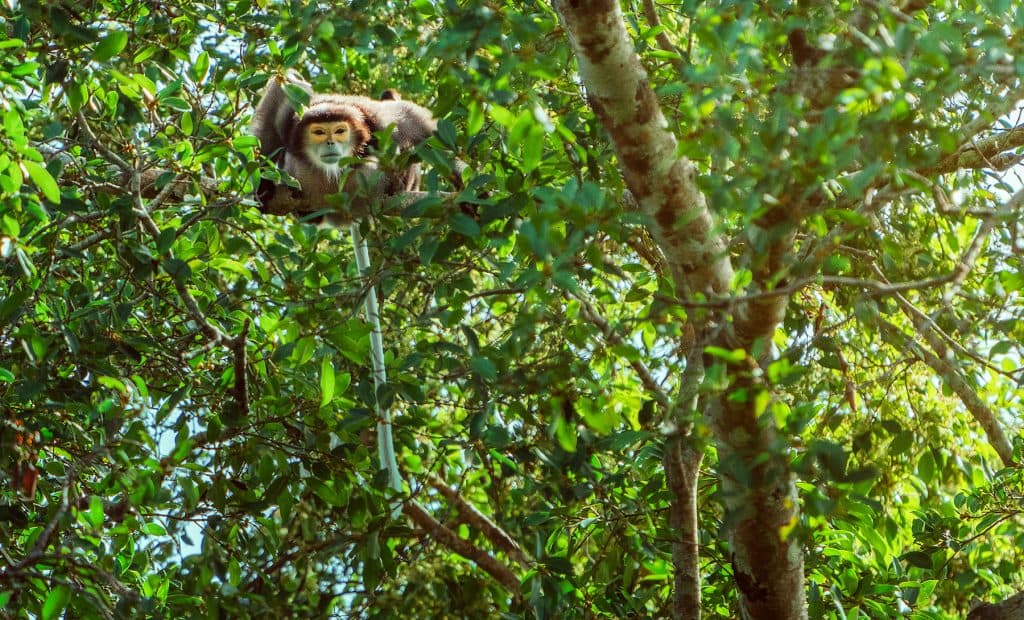
The Keo Seima Wildlife Sanctuary (KSWS) is a haven for biodiversity and a vast storehouse of forest carbon. Spanning over 290,000 hectares, the protected area is home to a diverse array of wildlife, including 84 globally threatened species and the world’s largest population of black-shanked douc and yellow-cheeked crested gibbon. The REDD project area covers 166,983 ha of forest in the SPF Core Protection Area.
The Sanctuary also holds a unique cultural significance for the Indigenous Bunong people, who have called this forest home for centuries and whose culture and livelihoods are deeply entwined with the forest. However, it faces a high threat of deforestation due to various factors, including forest conversion for agriculture and illegal logging. The KSWC REDD+ Project was launched in 2010 from a collaboration between the Royal Government of Cambodia (RGC) and the Wildlife Conservation Society (WCS). It has prevented the release of more than 20 million tons of CO2e emissions and saved 25,000 hectares of forest from destruction.
Besides emissions savings, it has also created jobs, supported education and training initiatives, and established an ecotourism venture that supports local communities. The project has also distributed nearly $1 million through its Cash for Communities (C4C) program, a mechanism that shares the revenue of carbon credits sales. These funds go directly to local communities, who decide how they should be spent to support sustainable development activities such as healthcare, education, and infrastructure like wells and bridges.
Verification
This project is verified by the Verified Carbon Standard. You can view it on the Verra Registry here. It is also a certified CCBS and SD VISta project due to the substantial benefits this project brings to local communities and biodiversity, and its contribution to the UN Sustainable Development Goals.


Climate solution #38
Forest protection
In their biomass and soil, forests are powerful carbon storehouses. Protection prevents emissions from deforestation, shields that carbon, and enables ongoing carbon sequestration.
For each hectare of forest protected, the threat of deforestation and degradation is removed. By protecting an additional 335-466 million hectares of forest, this solution could avoid carbon dioxide emissions totaling 5.5-8.8 gigatons by 2050. Perhaps more importantly, this solution could bring the total protected forest area to almost 0.98-1.1 billion hectares, securing an estimated protected stock of 179-203 gigatons of carbon, roughly equivalent to over 655-743 gigatons of carbon dioxide if released into the atmosphere.
The benefits of forest conservation include biodiversity protection, non-timber products, erosion control, pollination, ecotourism and other ecosystem services.
Photos
Locations
Mondulkiri province, Cambodia
Benefits
SDGs supported


Verification
These partners help deliver the project and verify its impact.
Verifiers

Verified Carbon Standard
The Verified Carbon Standard (VCS) Program is the world's most widely used greenhouse gas (GHG) crediting program.

Climate, Community and Biodiversity Standard
Projects developed under the CCB Program must follow a rigorous assessment process to be certified. The CCB Standards are managed by Verra but were developed through a multi-stakeholder process by the Climate, Community & Biodiversity Alliance, a partnership of CARE, Conservation International, The Nature Conservancy, the Rainforest Alliance and the Wildlife Conservation Society.