

Carbon avoidance
Protecting globally important rainforest in Cambodia
Overview
Site
Benefits
Verification
At Ecologi we are committed to continuously improving our due diligence processes and the standards we set for the projects we support. This means that whilst project pages like this one are still available for transparency, occasionally projects which we historically supported – including this one – no longer meet our increasing standards for receiving funding. The last time we supported this project was in December 2022.
Context
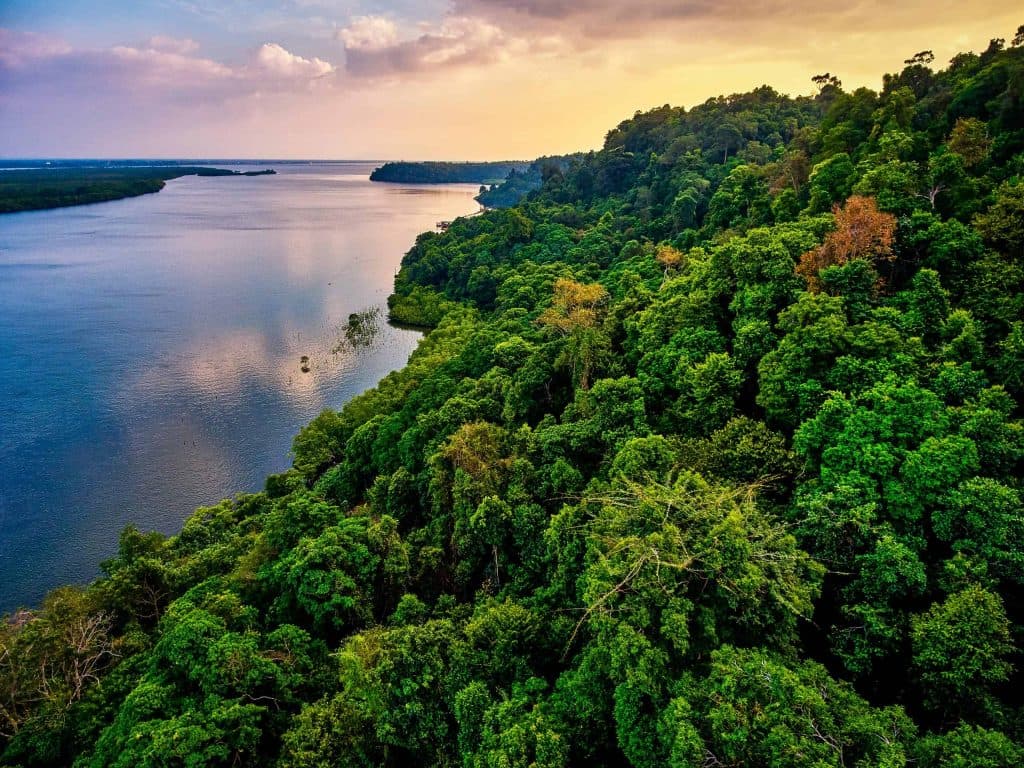
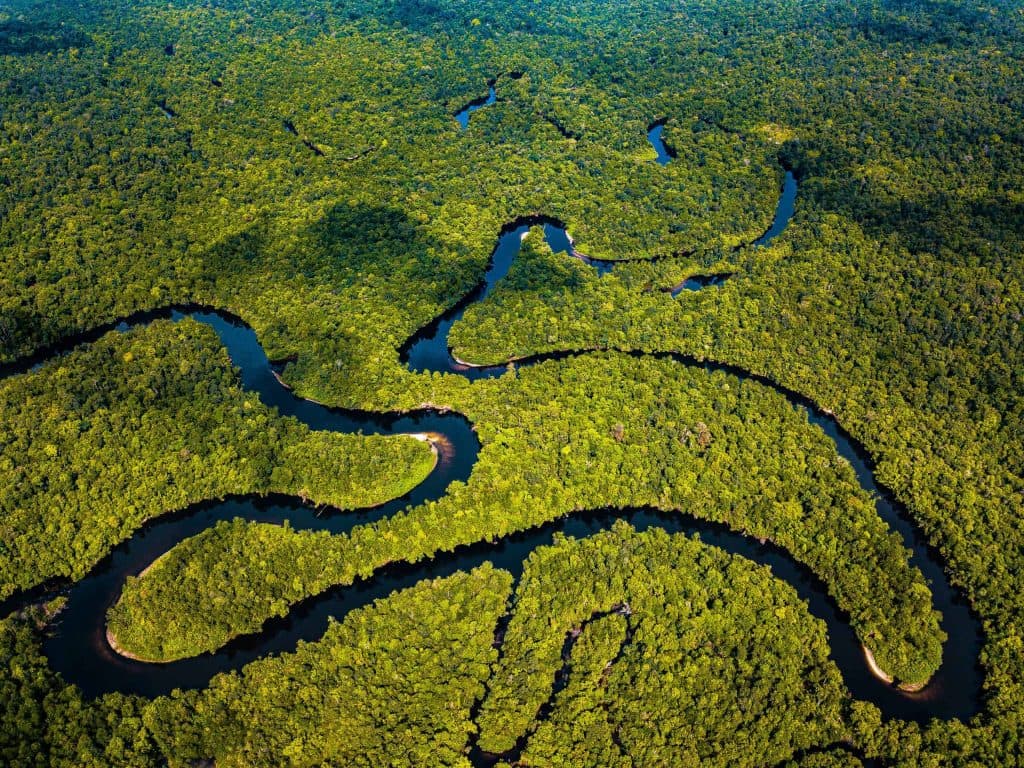
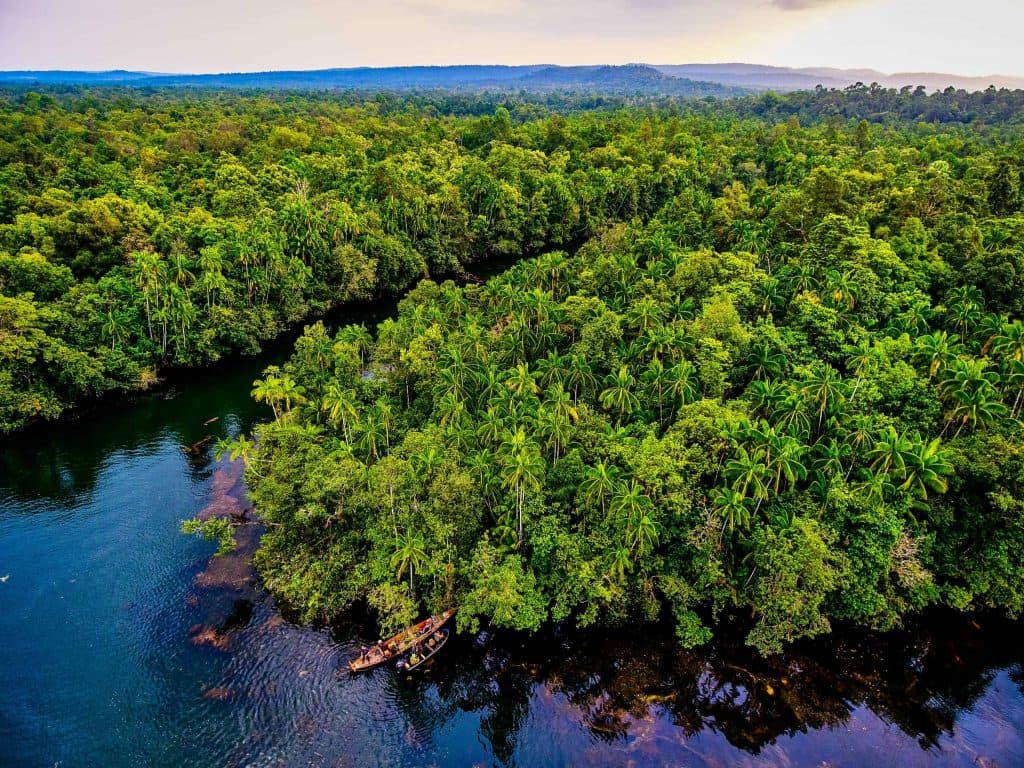
Cambodia’s rainforests are some of the most biodiverse in the world. In fact, this project is taking place in one of the 200 most important locations for biodiversity conservation on the planet: the Cardamom Mountains Rainforest Ecoregion. It is a critical habitat for significant populations of many IUCN listed species, including Asian elephant, Asiatic black bear, sun bear, large spotted civet, and clouded leopard, as well as the critically endangered reptiles Siamese crocodile and Southern river terrapin.
In addition to the threat of deforestation, the lives of both people and wildlife in this region are being impacted by climate change, and so the need for alternative livelihoods and the means to protect local biodiversity is ever-growing. Farming is the biggest source of income in the Koh Kong province; both sedentary farming and Chamkar rice practices are prevalent here. Unfortunately, these practices are not designed with the forest in mind, with trees being felled for sedentary farming, and slash and burn techniques being used for Chamkar rice practices. Without the tree roots to hold soil together, heavy monsoon rains wash away the top fertile layer. Soil nutrients are then further depleted through the rice crop cultivation that lowers the soil ph. Deforestation, topsoil loss and soil acidification all combine to cause soil erosion and degradation of natural resources in the area, meaning both people and the environment are worse off. But without alternative income sources, many people have no choice but to continue to carry out these unsustainable practices.
Project
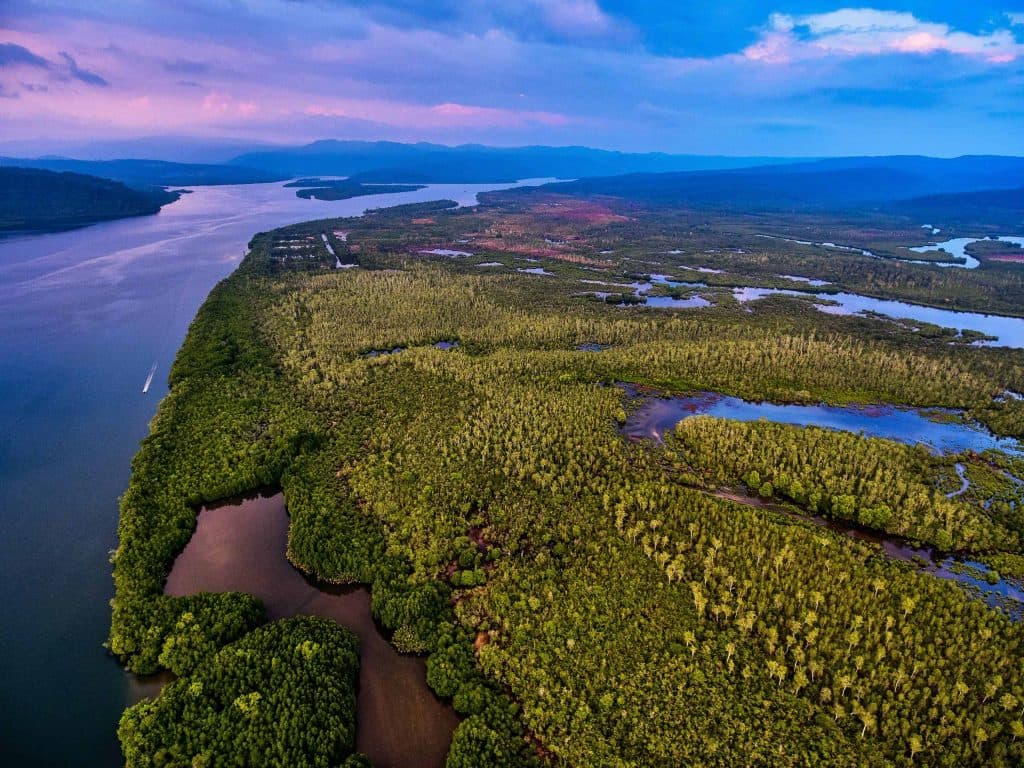
The Southern Cardamom REDD+ Project has been designed to promote climate change mitigation and adaptation among local communities, maintain biodiversity, and encourage and support alternative livelihoods to farming which threatens the forest’s integrity and health. The 445,339 hectare project area encompasses parts of Southern Cardamom National Park and Tatai Wildlife Sanctuary, and will protect a critical part of the Cardamom Mountains Rainforest Ecoregion.
The project will prevent the emission of approximately 12 million tCO2e during this first monitoring period, and over 115,000 million tCO2e over the lifetime of the project. This will be done by preventing the deforestation and degradation of the forest, which is constantly under threat from people trying to make a living from farming, using practices that require trees to be cleared.
The project will directly support the livelihoods of 21 villages in nine communities around the perimeter of the project area. In eight additional villages across 4 communities local people will be eligible to receive educational scholarships. These communities represent approximately 3,957 families, totalling 16,495 individuals.
This project will deliver substantial community and biodiversity co-benefits. New and sustainable livelihood opportunities, such as direct employment, alternative income generating activities (IGAs) and initiatives to stimulate investment in businesses will be designed to reduce pressure on the environment while significantly increasing community well-being. Additional programs will address food security, improve healthcare and education facilities, and increase environmental awareness among local people. Greater protection of the ecosystem through increased security and improved monitoring will benefit the local biodiversity too.
Verification
This project is verified by the Verified Carbon Standard. You can view it on the Verra Registry here. It is also a certified CCBS and SD VISta project due to the substantial benefits this project brings to local communities and biodiversity, and its contribution to the UN Sustainable Development Goals.


Climate solution #38
Forest protection
In their biomass and soil, forests are powerful carbon storehouses. Protection prevents emissions from deforestation, shields that carbon, and enables ongoing carbon sequestration.
For each hectare of forest protected, the threat of deforestation and degradation is removed. By protecting an additional 335-466 million hectares of forest, this solution could avoid carbon dioxide emissions totaling 5.5-8.8 gigatons by 2050. Perhaps more importantly, this solution could bring the total protected forest area to almost 0.98-1.1 billion hectares, securing an estimated protected stock of 179-203 gigatons of carbon, roughly equivalent to over 655-743 gigatons of carbon dioxide if released into the atmosphere.
The benefits of forest conservation include biodiversity protection, non-timber products, erosion control, pollination, ecotourism and other ecosystem services.
Photos
Locations
Koh Kong province, Cambodia
Benefits
Sustainable development goals
These Sustainable Development Goals show the wider outcomes this project supports beyond its headline impact.


Verification
These partners help deliver the project and verify its impact.
Verifier

Verified Carbon Standard
The Verified Carbon Standard (VCS) Program is the world's most widely used greenhouse gas (GHG) crediting program.
