

Carbon avoidance
Preventing deforestation in the Democratic Republic of Congo
Overview
Site
Benefits
Verification
Context
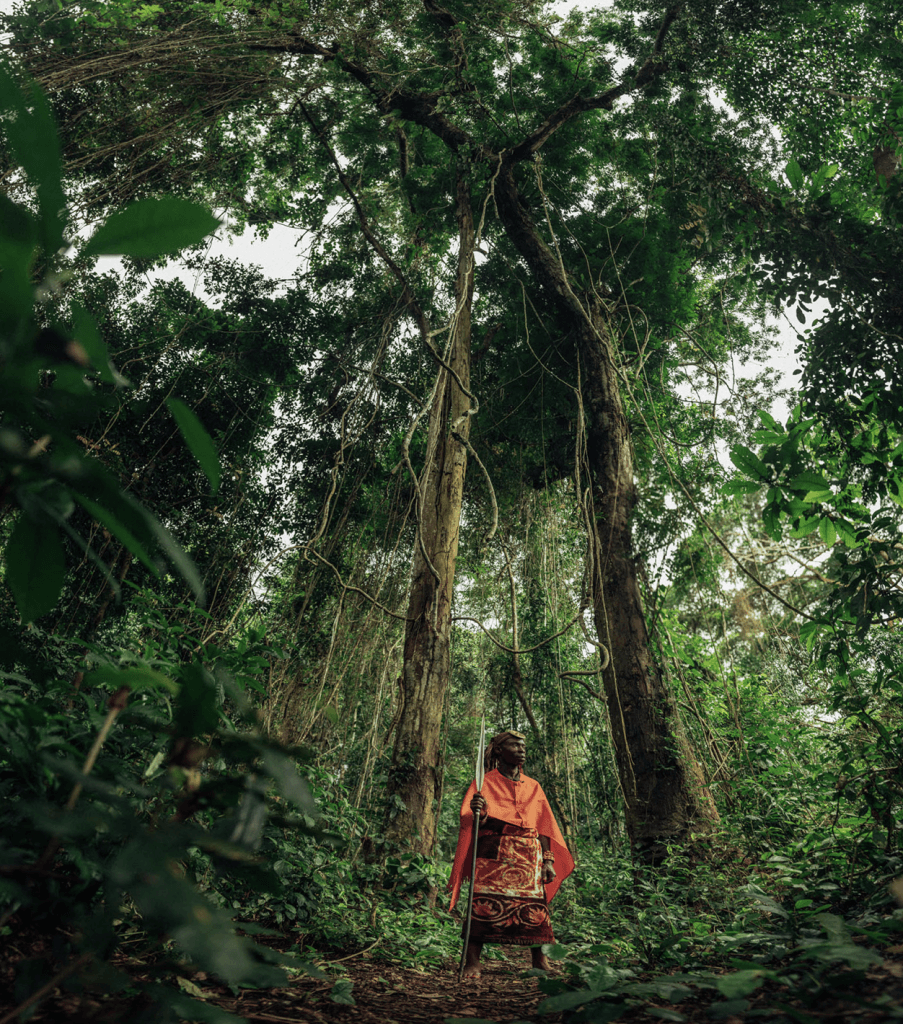
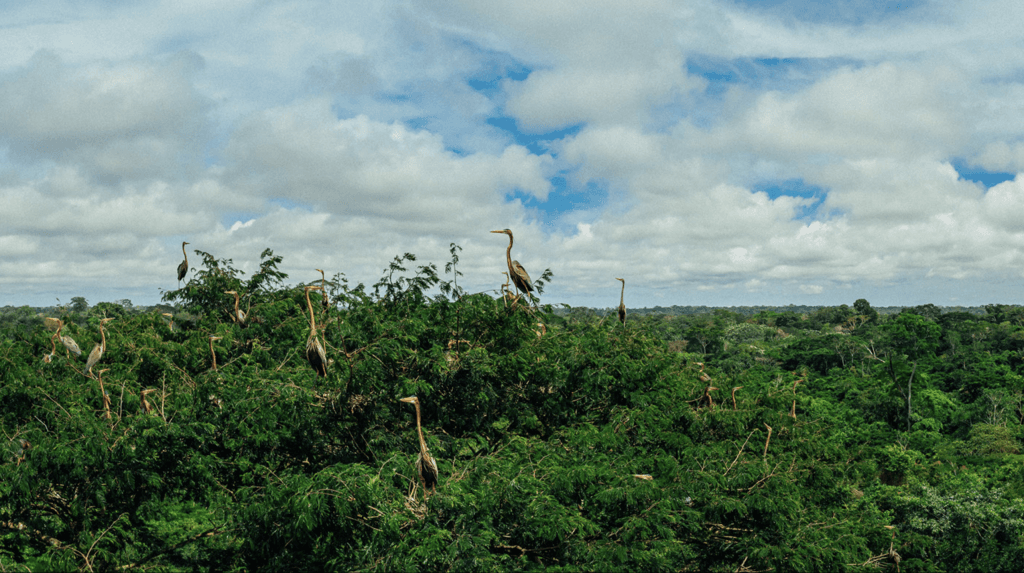
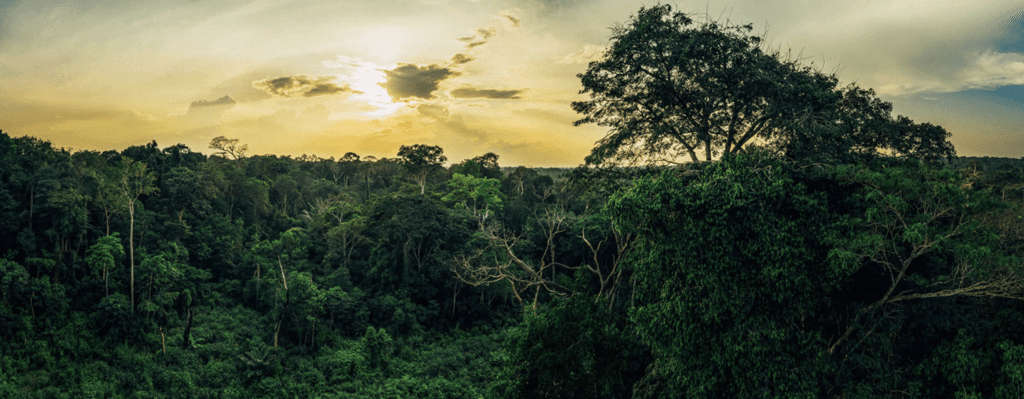
The Democratic Republic of Congo (DRC) is the second largest country in Africa, characterised by its lush natural rainforests and abundance of biodiversity that’s found nowhere else in the world – like the okapi, Grauer’s gorilla, bonobo and Congo peacock. The Congo basin rainforest is situated in the heart of the DRC and is the world’s second largest tropical rainforest. This rainforest not only provides vital habitat for wildlife in the area, but also serves as a crucial carbon sink for the world, removing over 800 million tonnes of CO₂e per year from our atmosphere from 2001 to 2021.
The DRC’s tropical climate provides a hot and humid existence for the people, animals, and plants that live there, making it heavily reliant on the Congo river as its main source of water. The Congo river not only sustains the country’s abundant rainforests, but because of its vast expanse of tributaries, is fundamental to the ecological balance of the entire African continent. Along the Congo river, precious mangrove ecosystems provide a buffer against climate change, and protect local communities from flooding and land degradation.
Unfortunately though, deforestation and degradation is a huge threat to the natural rainforests and mangrove ecosystems in the DRC. Key drivers exacerbating this threat include logging, unsustainable fuel wood extraction and slash and burn agriculture practices. To illustrate the DRC’s extent of deforestation, over the past 20 years, the country has lost 17.1 million hectares of tree cover, which is equivalent to a 8.6% decrease in tree cover since 2000. Knowing that the future trend of deforestation in this region is likely to increase, its protection and preservation is critically important.
Project
This is the first project of its kind in the Congo Basin, and will protect 248,956 hectares of forest from industrial logging, unsustainable fuel wood extraction, and slash and burn agriculture.
On average, the project will be credited with reducing 5,671,613 tonnes of CO2e emissions per year throughout the project’s 31 year lifespan, totalling over 175 million tonnes of avoided emissions!
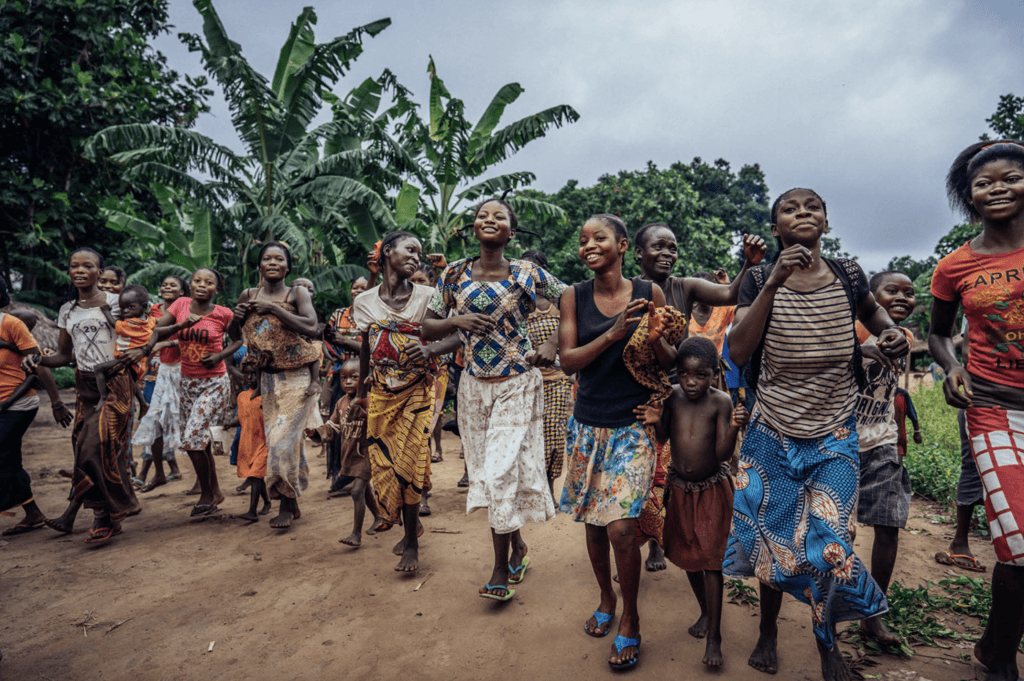
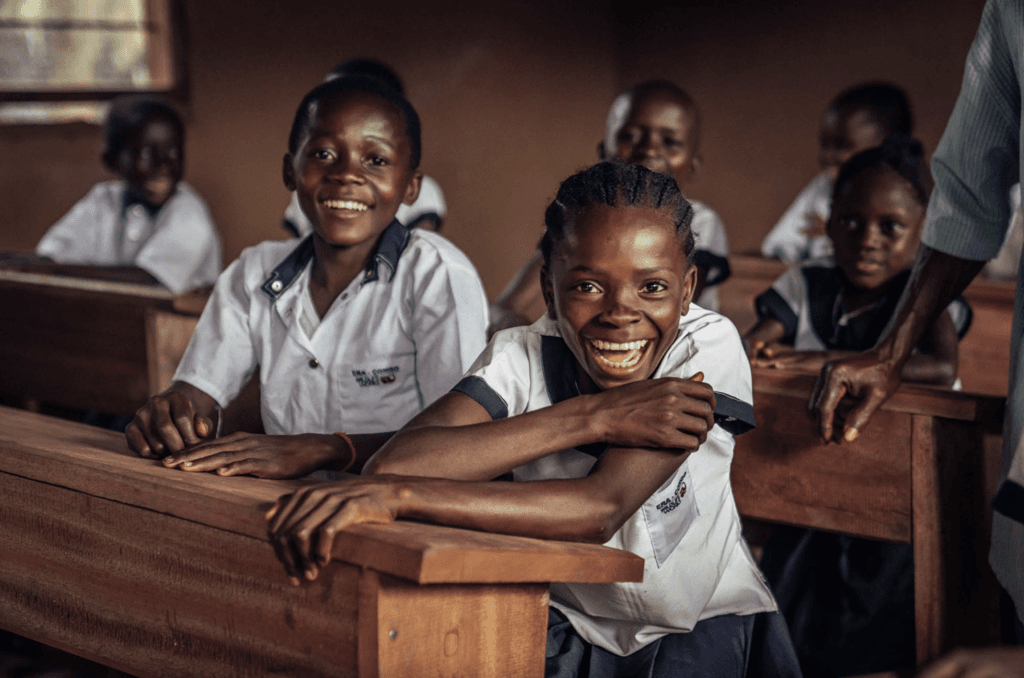
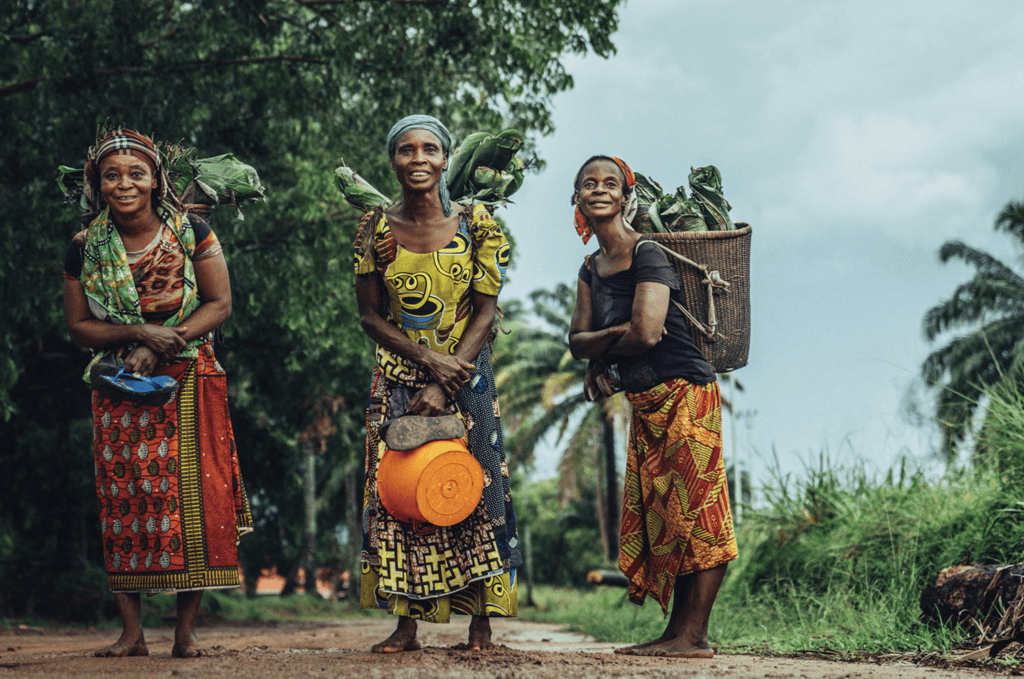
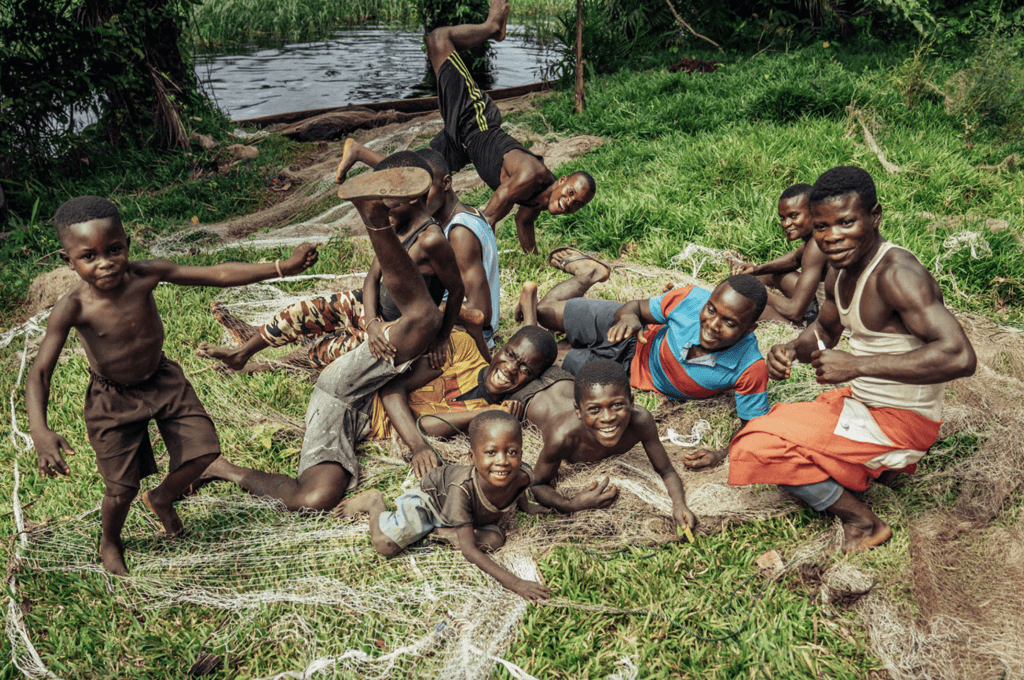
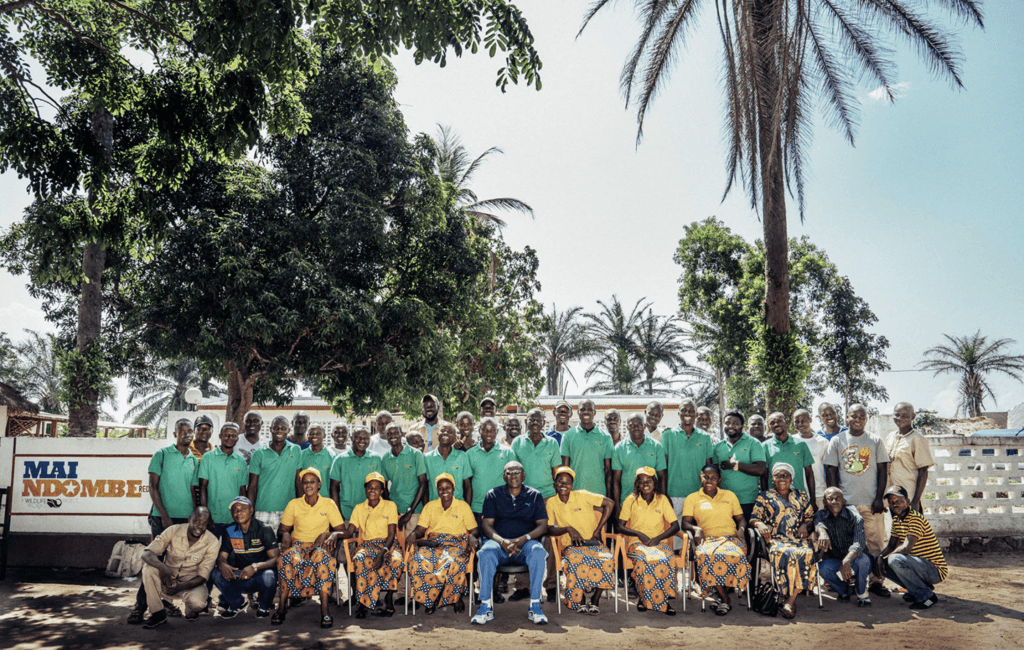
The project is centred not only around reducing carbon emissions, but also the local communities and biodiversity. It is certified to Verra’s Climate, Community and Biodiversity Standard (CCBS), showing the project’s intentions to bring significant co-benefits to the local people and nature. Some of the revenue from the carbon credits this project is issued with will be going directly to local communities, and they will decide what they want to spend it on to improve the lives of local people.
A social responsibility commitment, signed by the government of the DRC and Ecosystem Restoration Associates Inc. (one of the project developers), called a Cahier de charge outlines ERA’s pledges to:
- Build a minimum of 20 schools
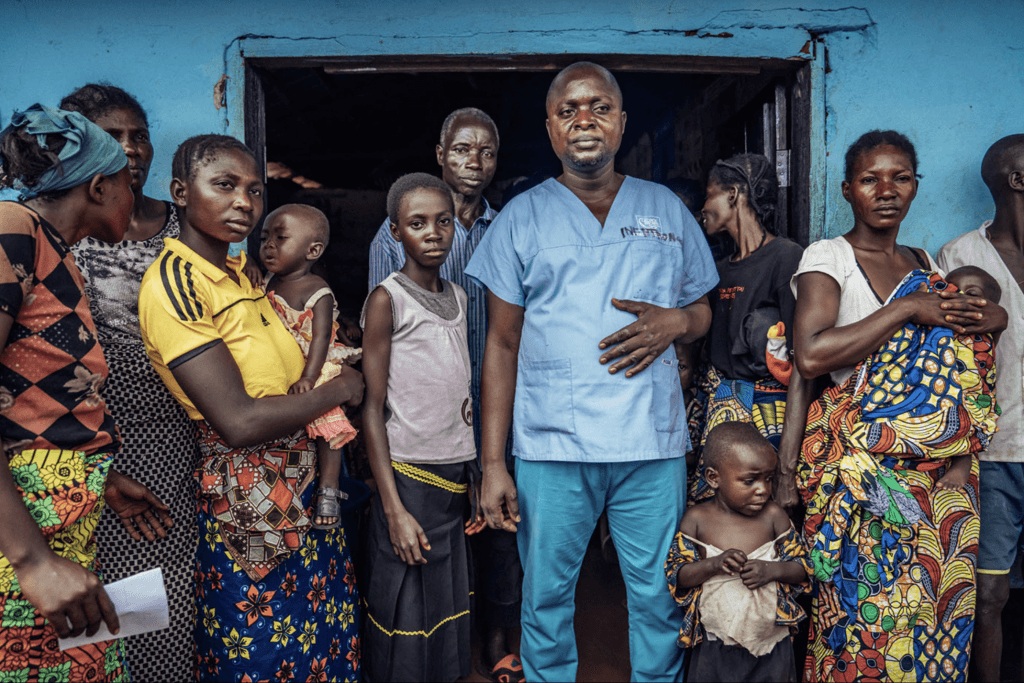
- Construct health care centres in 5 villages
- Repair and extend secondary hospitals in 2 villages
- Assist transportation to off-concession markets for agricultural and other products
- Provide a network of rural canteens
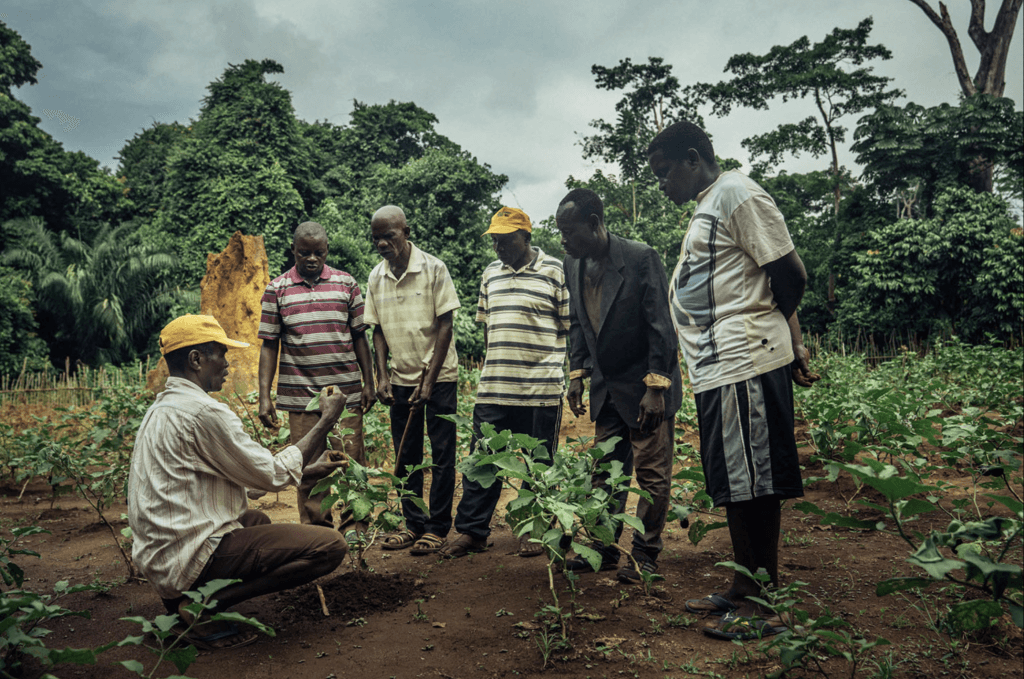
- Improve agricultural production technique
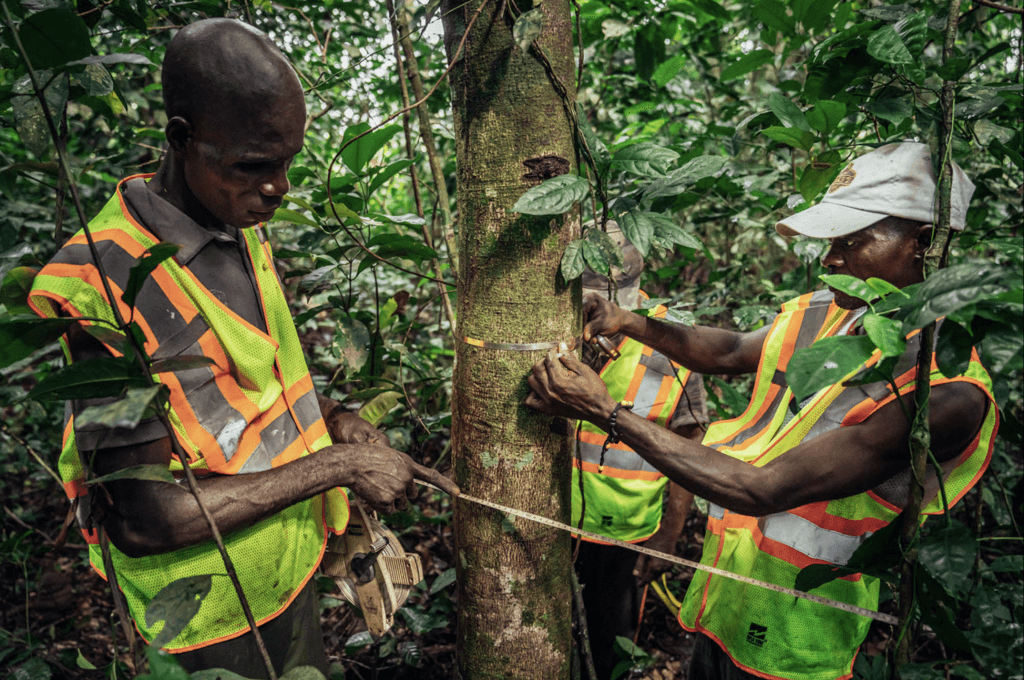
- Recruit employees from local communities
Verification
This project is verified by the Verified Carbon Standard. You can view it on the Verra Registry here.


Climate Solution
Forest protection
In their biomass and soil, forests are powerful carbon storehouses. Protection prevents emissions from deforestation, shields that carbon, and enables ongoing carbon sequestration.
In 2015, there were an estimated three trillion trees in the world. That count is substantially higher than previously thought, but more than 15 billion are cut down each year. Since humans began farming, the number of trees on earth has fallen by 46 percent. Carbon emissions from deforestation and associated land use change are estimated to be 10 to 15 percent of the world’s total.
The benefits of forest conservation include biodiversity protection, non-timber products, erosion control, pollination, ecotourism and other ecosystem services.
Photos
© Photos by Filip Agoo // CreateTheChange.tv.
Locations
Bosandu, Democratic Republic of Congo
Benefits
Sustainable development goals
These Sustainable Development Goals show the wider outcomes this project supports beyond its headline impact.


Verification
These partners help deliver the project and verify its impact.
Verifier

Verified Carbon Standard
The Verified Carbon Standard (VCS) Program is the world's most widely used greenhouse gas (GHG) crediting program.
