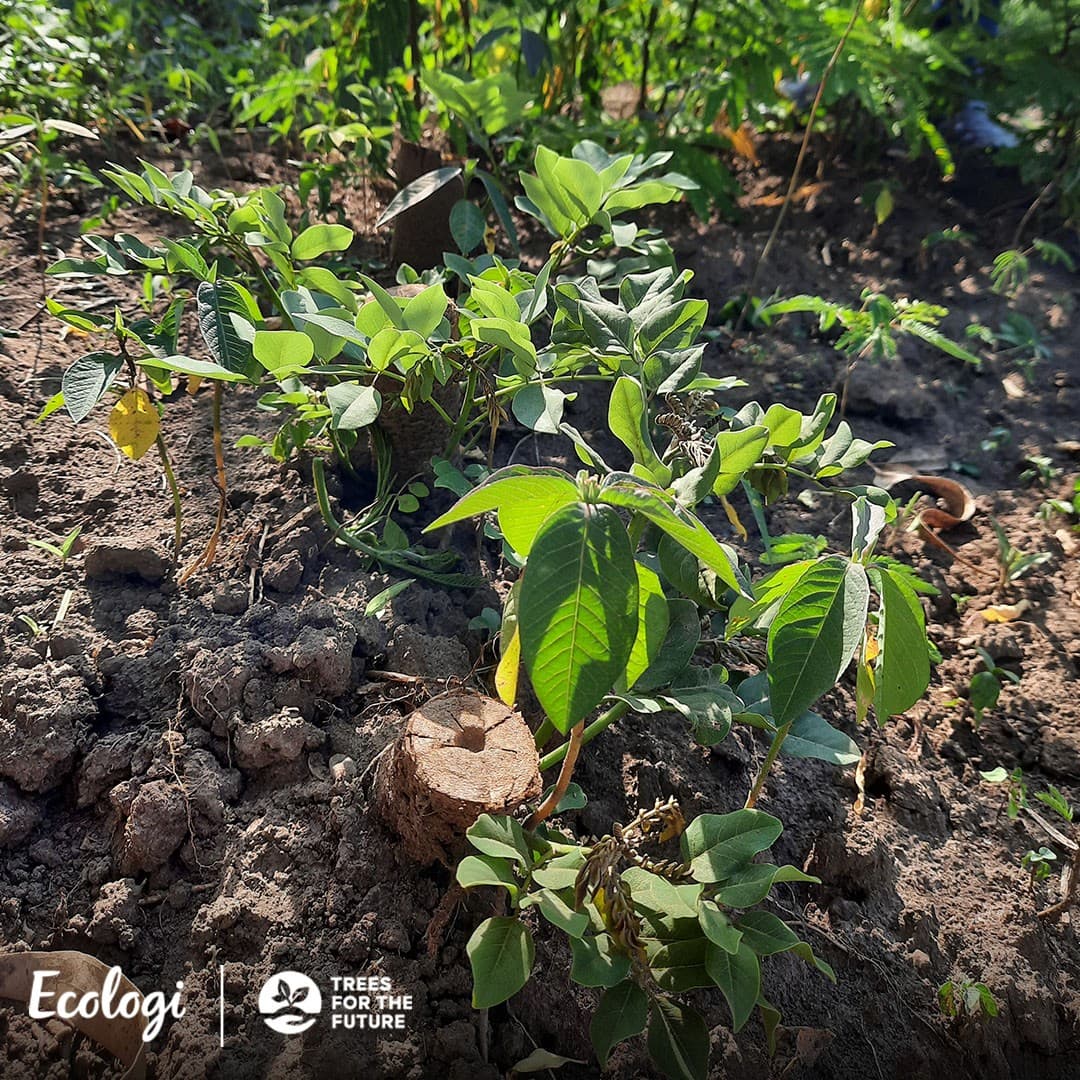
Why support agroforestry?
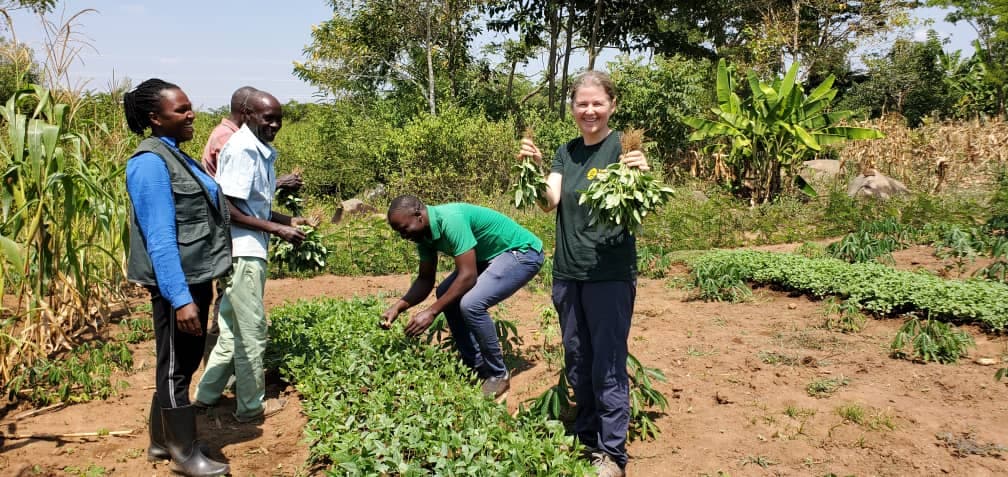
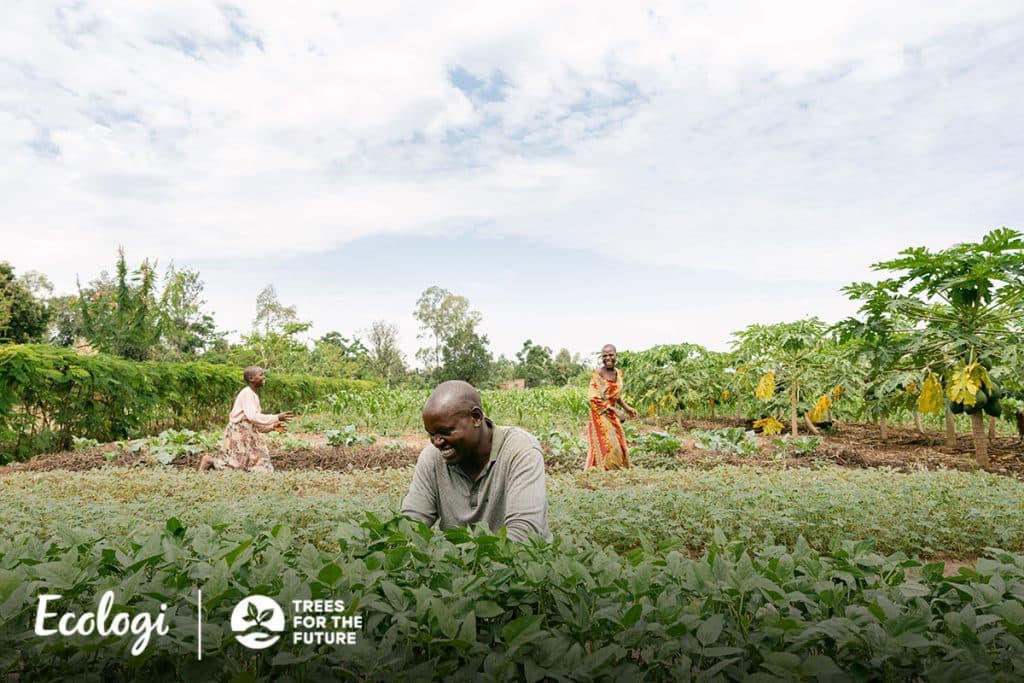
As is the case for the majority of farmers around the world, growing a diverse mix of crops reduces the risk of loss of income if a certain crop fails, for example due to drought or disease. Providing farmers with training and equipment to grow a range of crops helps protect their income should one crop fail.
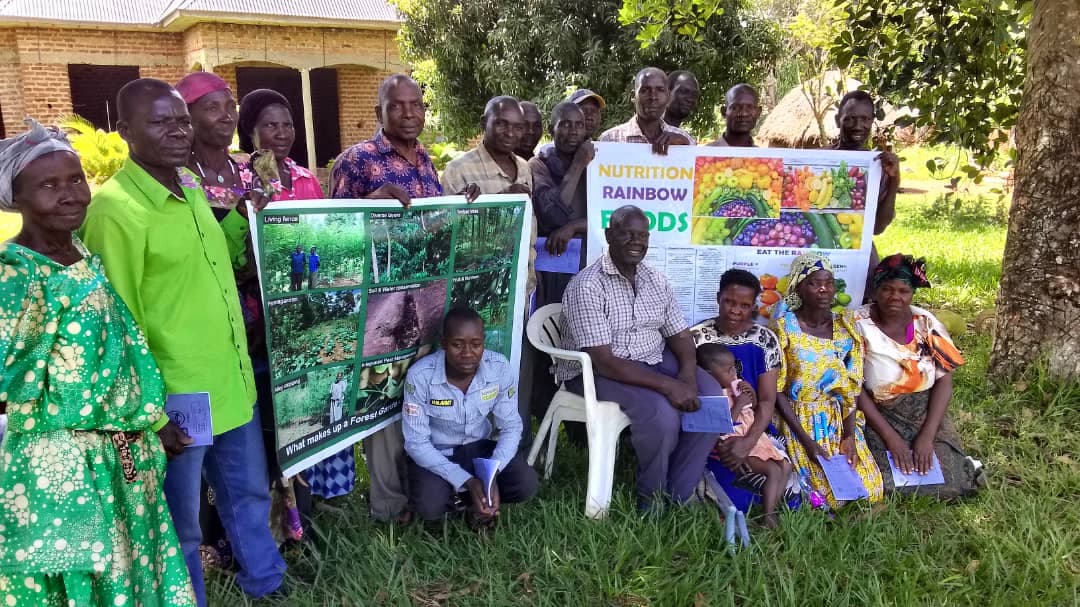
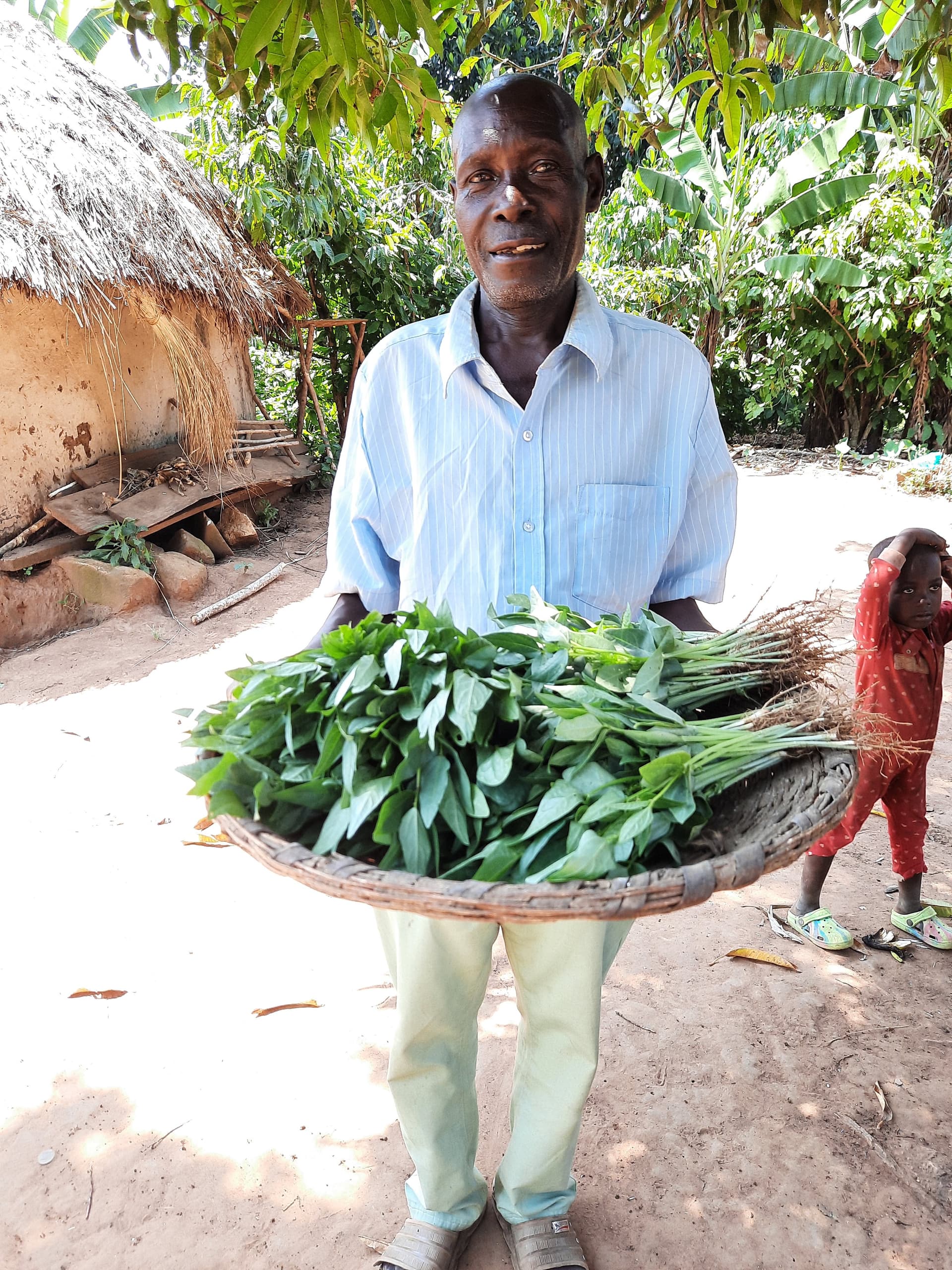
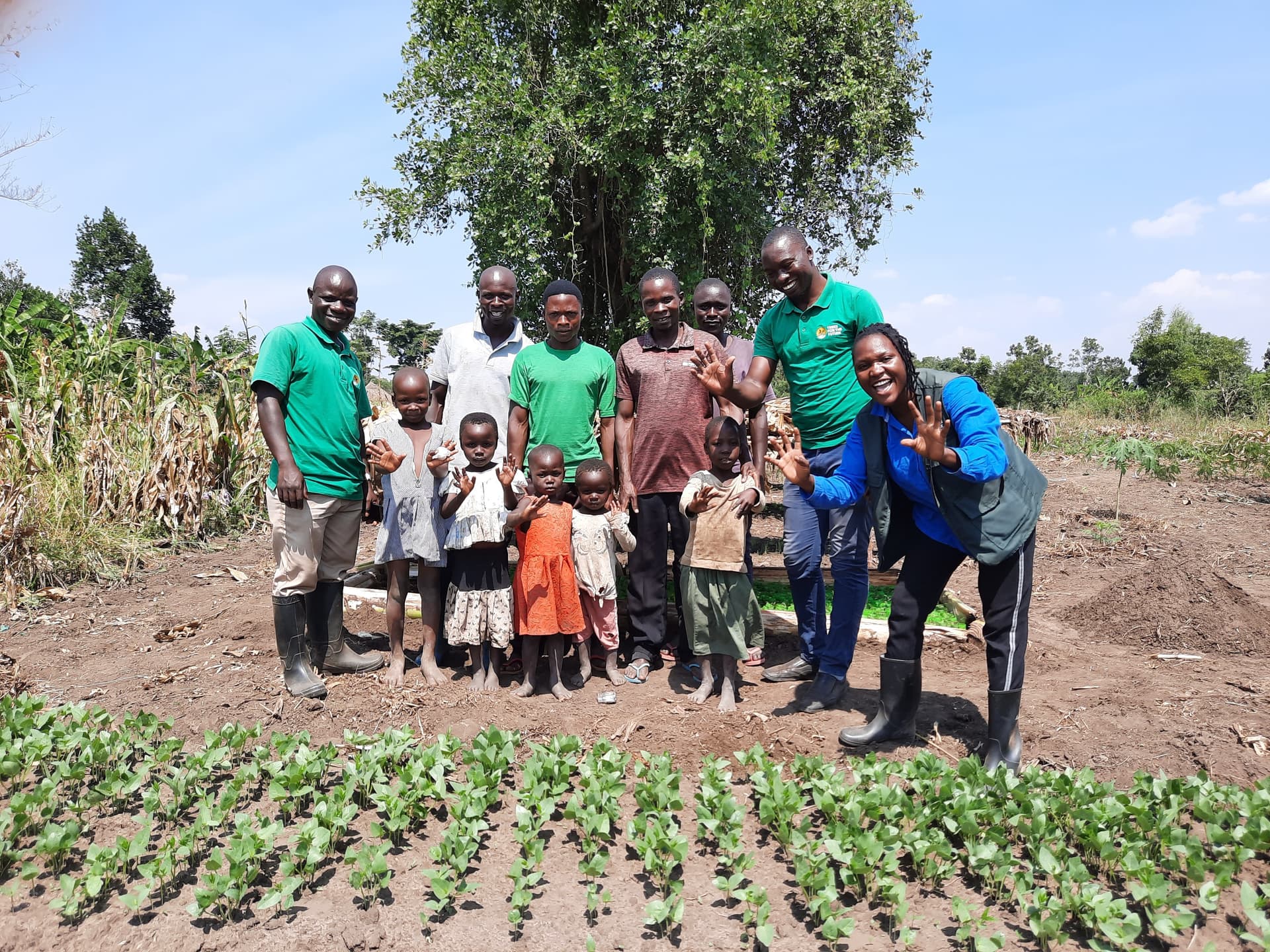
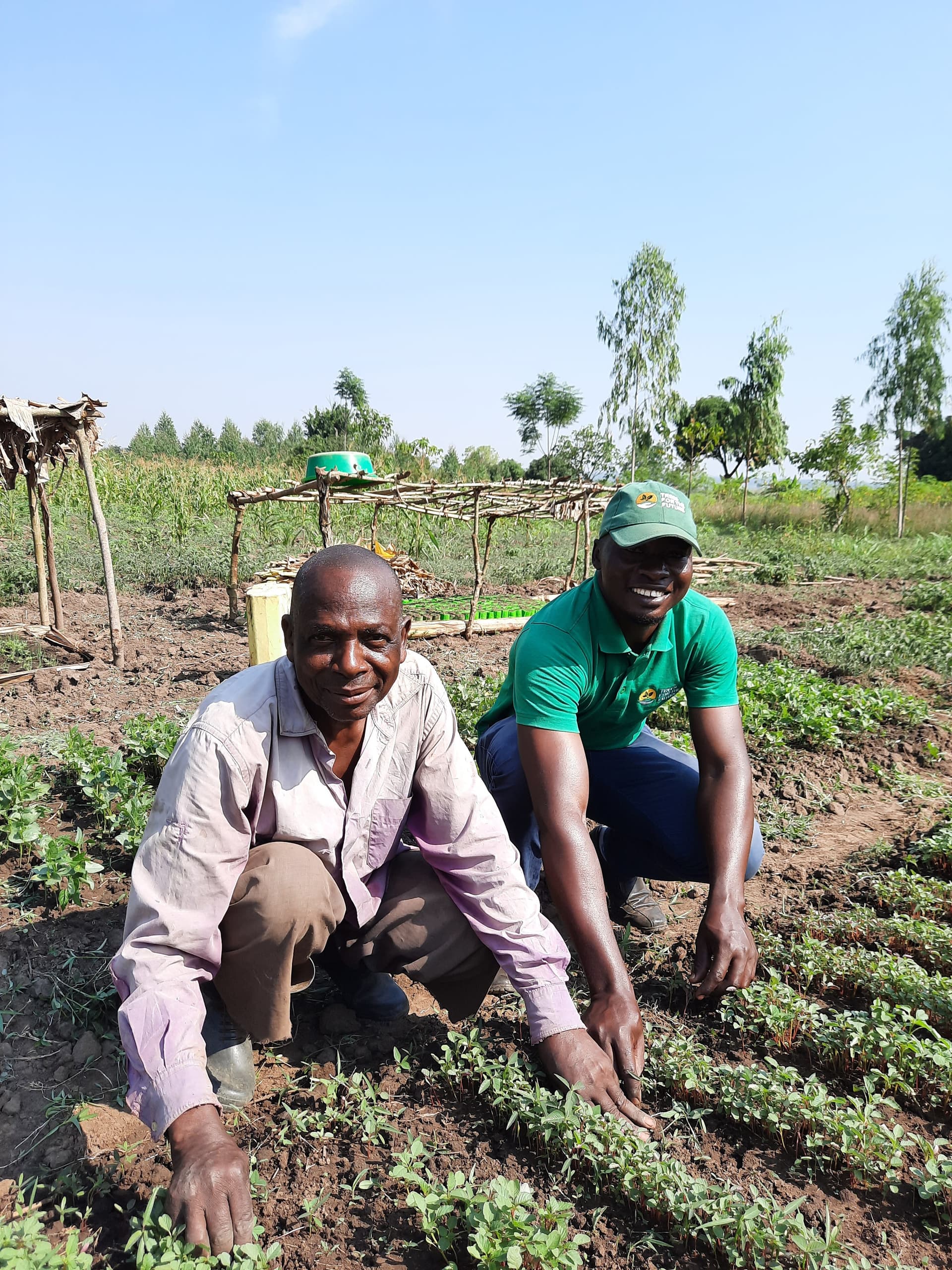
In Uganda’s Namayingo District, subsistence farmers are primarily growing one crop – cassava, a drought-tolerant starchy root vegetable. While cassava brings several health benefits, relying so heavily on one crop means people are exposed to nutrient deficiencies. Teaching farmers about how to grow multiple crops on their land, and giving them the tools and seeds to do so, enables them to provide a healthier diet for their families.
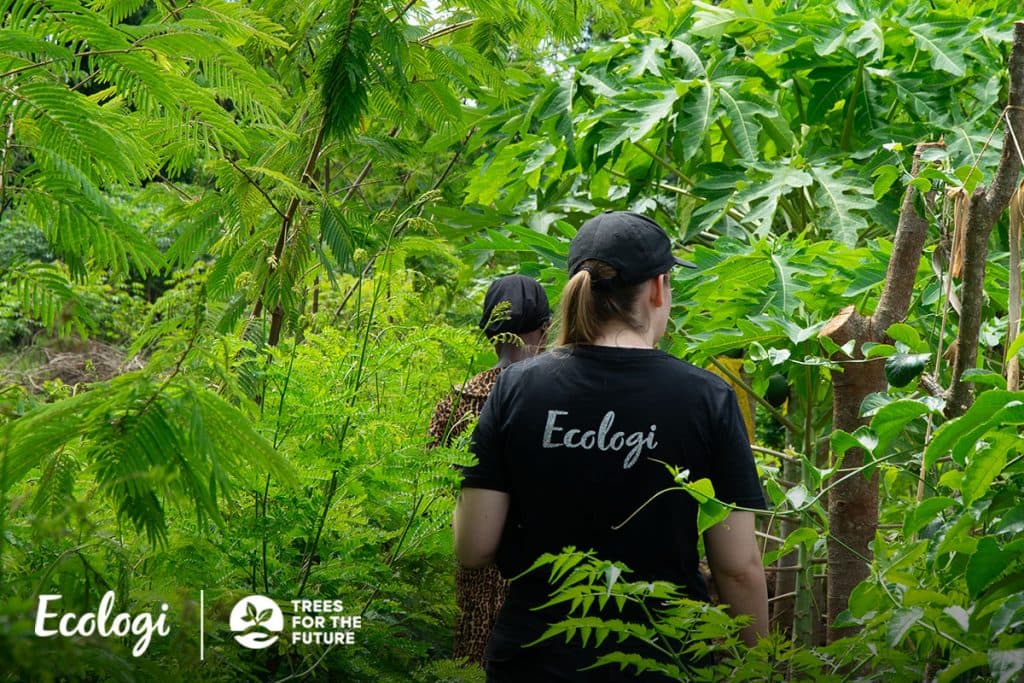
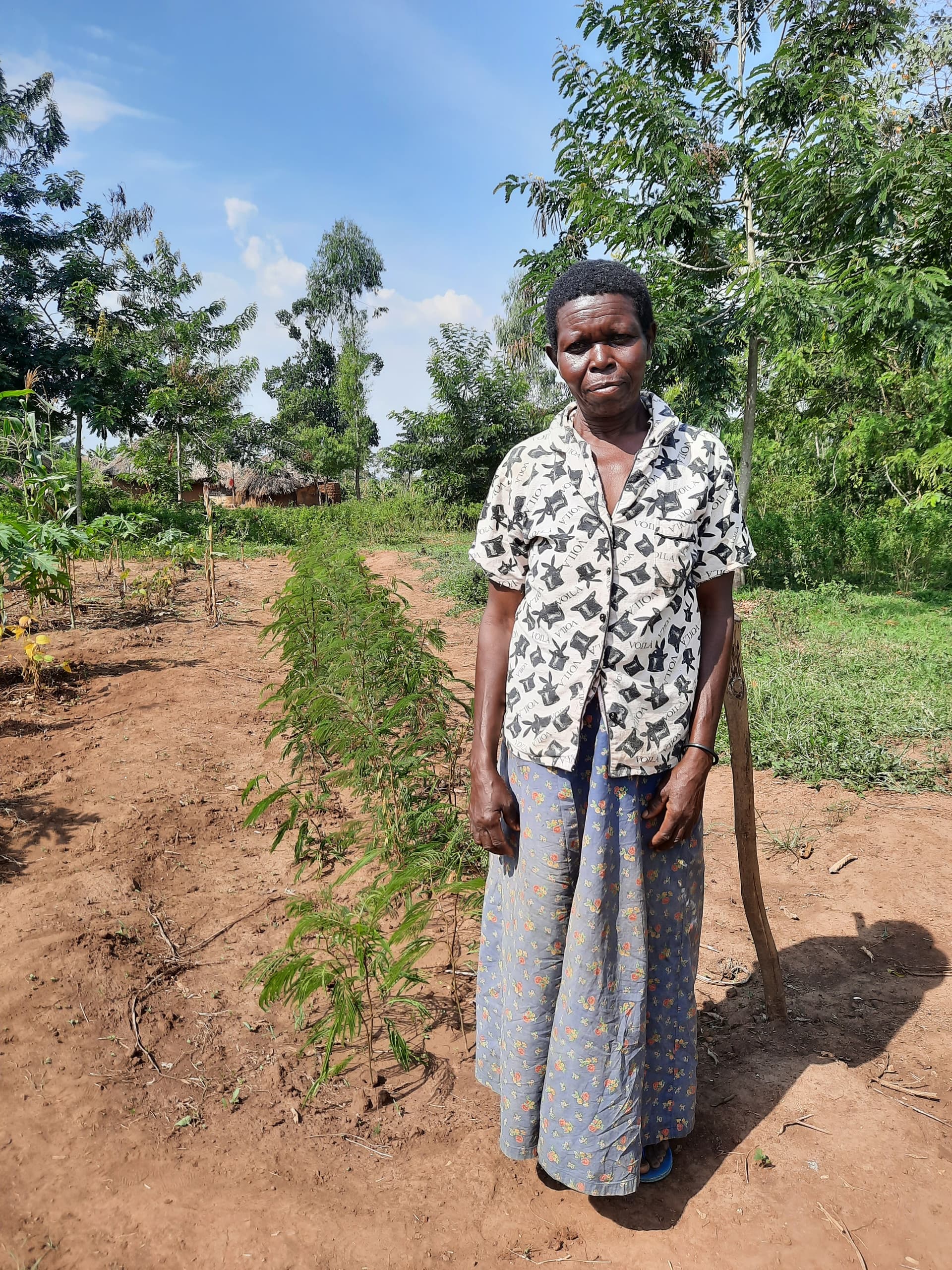
There has also been a rapid decline in tree and vegetation cover in this area in recent decades. Trees are cut for charcoal, boat construction and expansion of conventional agricultural systems. This, in combination with monocropping of cassava, has led to soil erosion and depletion of soil fertility. Implementing sustainable agroforestry techniques not only preserves soil health but actively improves it, reintroducing nutrients to the soil to ensure healthy crops can be grown in it for decades to come.