

Carbon avoidance
Peruvian protection of the Amazon
Overview
Site
Benefits
Verification
What is forest protection?
Forest protection projects reduce emissions from deforestation, forest degradation, sustainable forest management, and carbon stock conservation. Developing countries can also earn results-based payments for emission reductions through these activities.
Project summary
Context
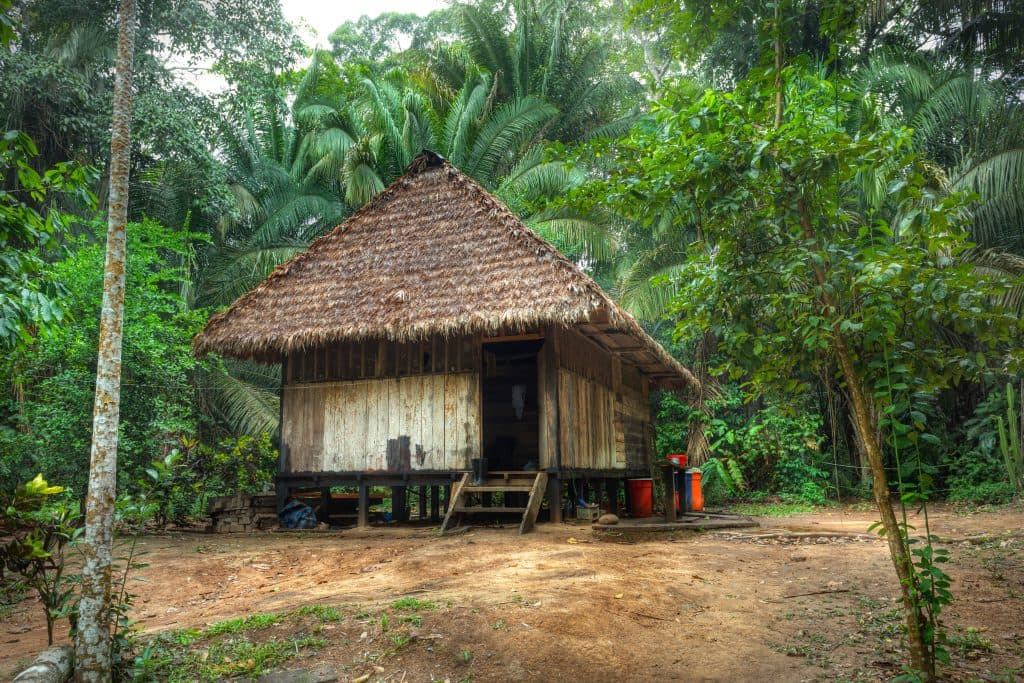
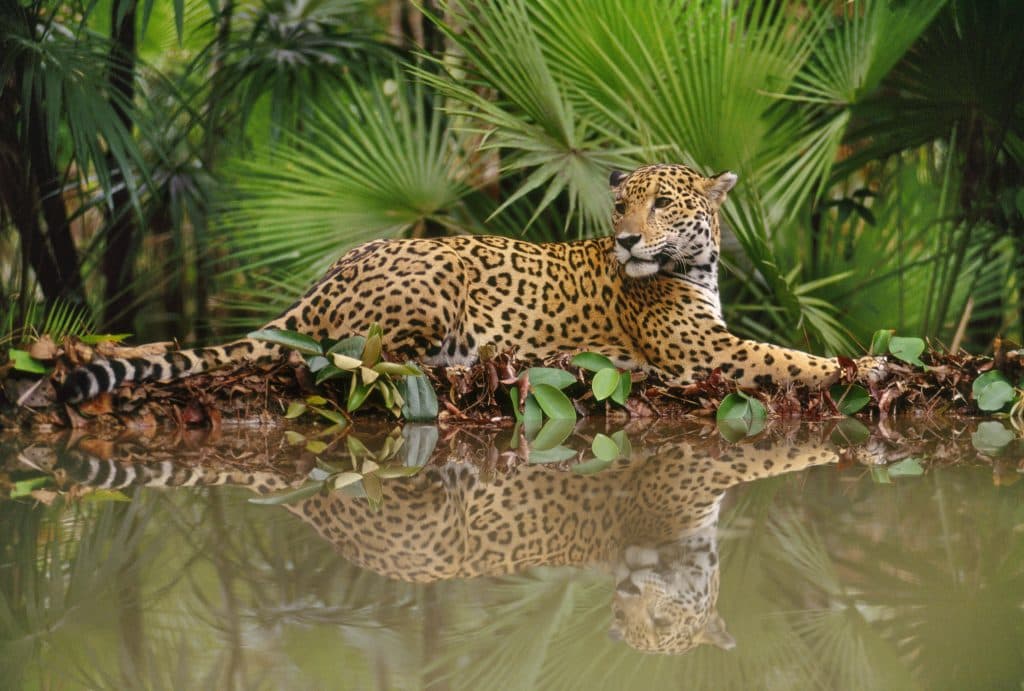
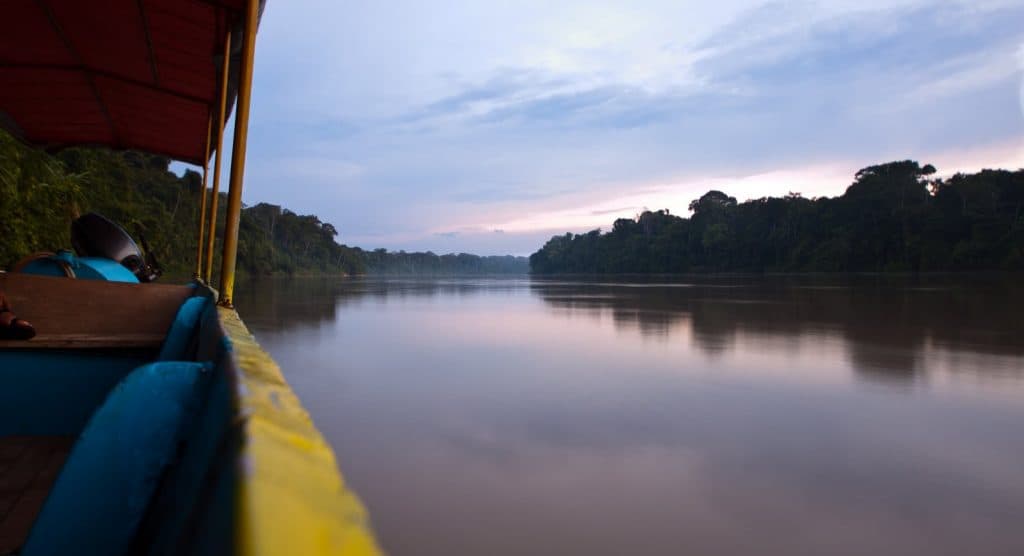
The Amazonian ecosystems of the Madre de Dios region are considered Peru’s ‘capital of biodiversity’, due to their impressive species richness. This project area alone provides habitat to four endangered rainforest tree species, and eleven endangered wildlife species.
However deforestation within this area is increasing, threatening it’s biodiversity and releasing carbon dioxide into the atmosphere. Satellite images suggest that carbon emissions from deforestation rose by more than 60% between 2006 and 2010. The Peruvian Government’s report on annual forest loss shows that rates in the Madre de Dios have been increasing since 2001, reaching its peak rate in 2017, when this area had the second highest rate of forest loss in Peru.
Project
The Madre de Dios Amazon REDD+ Project is a Reduced Emissions from Deforestation and Forest Degradation (REDD) project. It involves conducting sustainable management in a 98,932 hectare area of tropical rainforest located in the Madre de Dios region of Peru.
The project is designed around the impending effects of a new trans-Amazonian, inter-oceanic road that is nearly complete from Brazil to the Pacific Ocean and Peruvian ports. This road system will facilitate the immigration of new settlers into the region, who are predicted to subsist by agricultural and agricultural livestock activities, resulting in deforestation and forest degredation. These effects are already visible in Brazil, where the trans-Amazonian road has been completed for some time.
The climate project has two main goals: to reduce the pressure from the conversion of land for agricultural and cattle ranching purposes; and to guarantee the sustainable forestry management of the two timber concessions that operate in the area. It will ensure the long-term conservation and sustainable management of the forest, promote healthy wildlife habitat, and prevent future compromise of the forest carbon stocks. Protection of this area will prevent 659,793 tonnes of CO2e from entering the atmosphere each year.
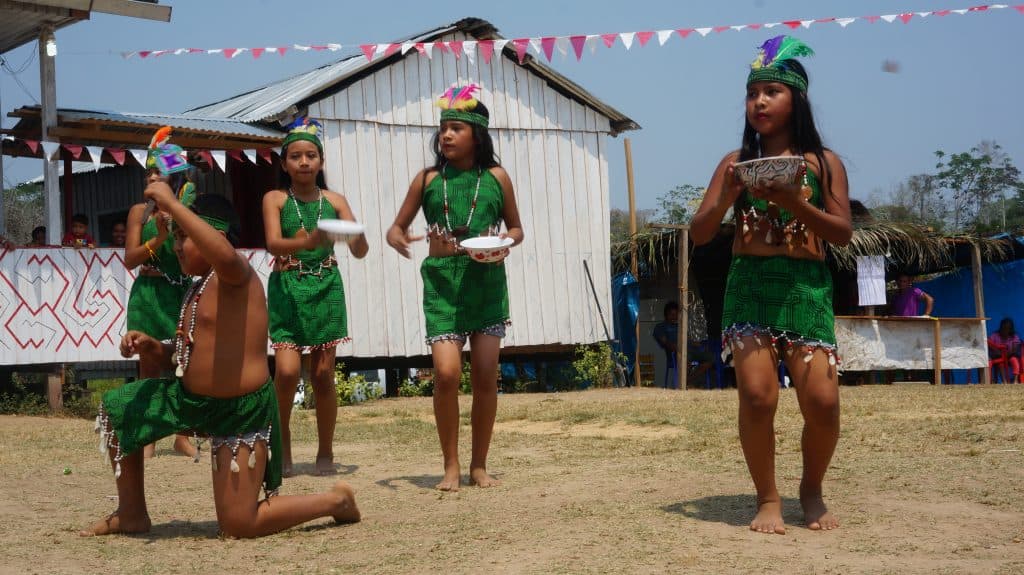
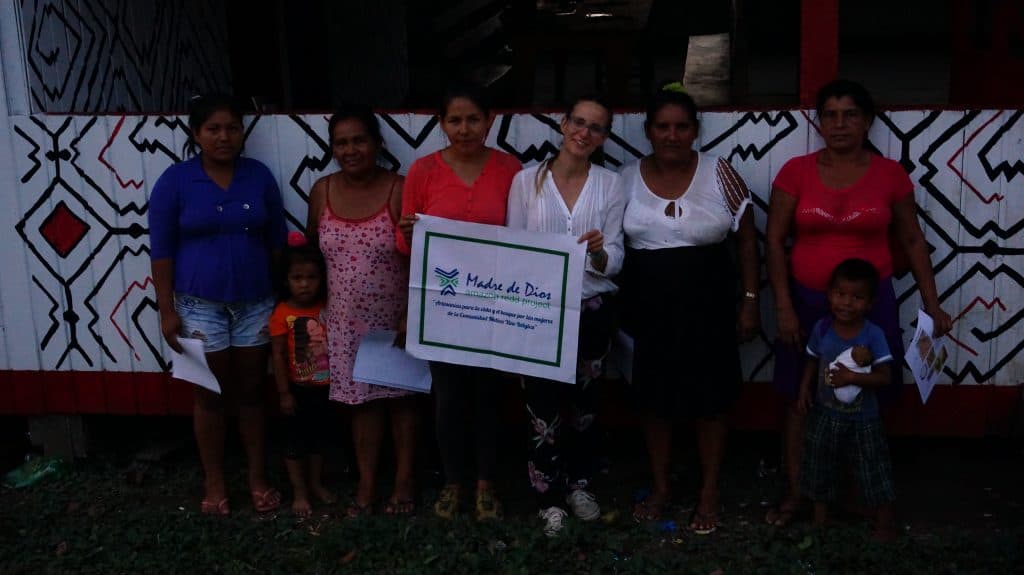
The Madre de Dios Amazon REDD+ project will also contribute to the sustainable development of indigenous communities living in the local area, by providing alternative sources of livelihoods; increasing local employment opportunities; and offering technical training courses to young people in the community.
This project is subject to exceptional monitoring from technology company, Pachama. Pachama can monitor and verify carbon stocks at a level of detail not normally seen in REDD+ projects. Using machine learning, satellite imagery and other techniques such as LiDAR, they are able to actively report to the project developer and certifier to additionally verify reported carbon reductions.
Verification
This project is verified by the Verified Carbon Standard and the Climate, Community & Biodiversity Standards. You can view it on the Verra Registry here.

Climate Solution #38
Forest Protection
In their biomass and soil, forests are powerful carbon storehouses. Protection prevents emissions from deforestation, shields that carbon, and enables ongoing carbon sequestration.
For each hectare of forest protected, the threat of deforestation and degradation is removed. By protecting an additional 335-466 million hectares of forest, this solution could avoid carbon dioxide emissions totaling 5.5-8.8 gigatons by 2050. Perhaps more importantly, this solution could bring the total protected forest area to almost 0.98-1.1 billion hectares, securing an estimated protected stock of 179-203 gigatons of carbon, roughly equivalent to over 655-743 gigatons of carbon dioxide if released into the atmosphere.
The benefits of forest conservation include biodiversity protection, non-timber products, erosion control, pollination, ecotourism and other ecosystem services.
Photos
Locations
Madre de Dios, Peru
Benefits
SDGs supported


Verification
These partners help deliver the project and verify its impact.
Verifiers

Verified Carbon Standard
The Verified Carbon Standard (VCS) Program is the world's most widely used greenhouse gas (GHG) crediting program.
Climate, Community and Biodiversity Standard
Projects developed under the CCB Program must follow a rigorous assessment process to be certified. The CCB Standards are managed by Verra but were developed through a multi-stakeholder process by the Climate, Community & Biodiversity Alliance, a partnership of CARE, Conservation International, The Nature Conservancy, the Rainforest Alliance and the Wildlife Conservation Society.