
Peatland restoration in the UK
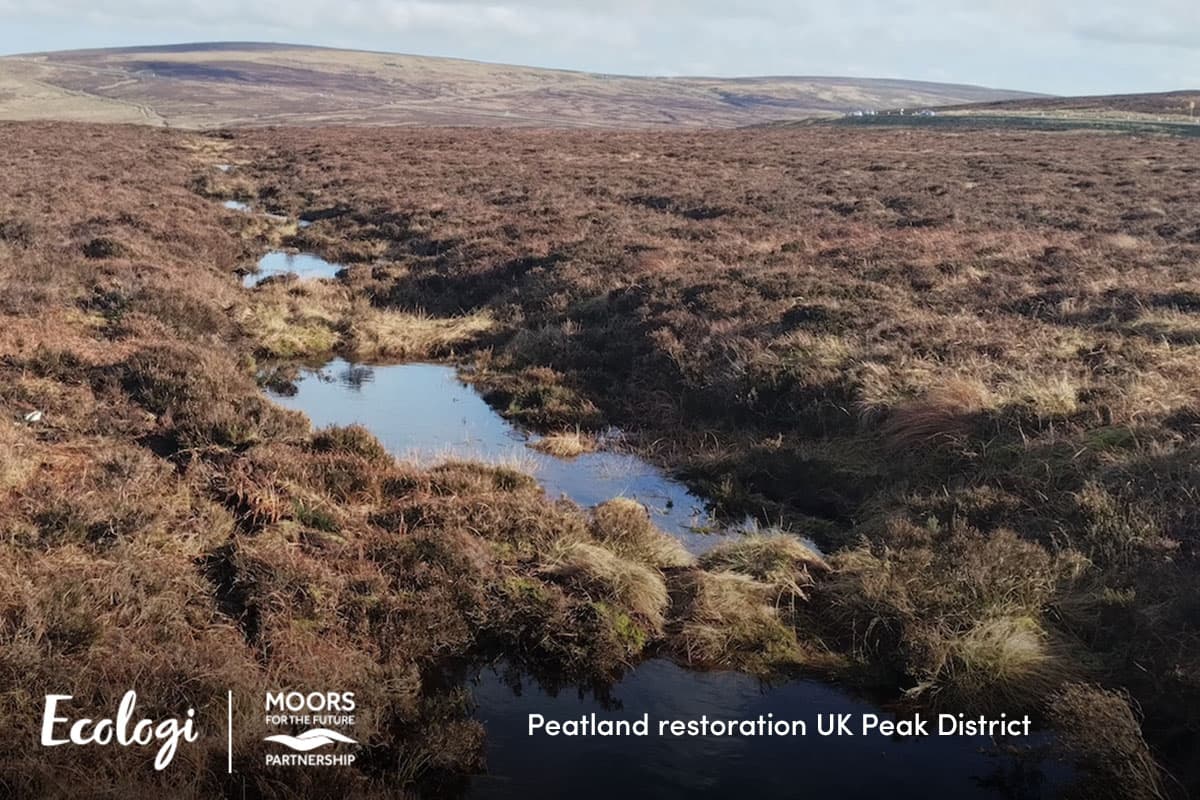
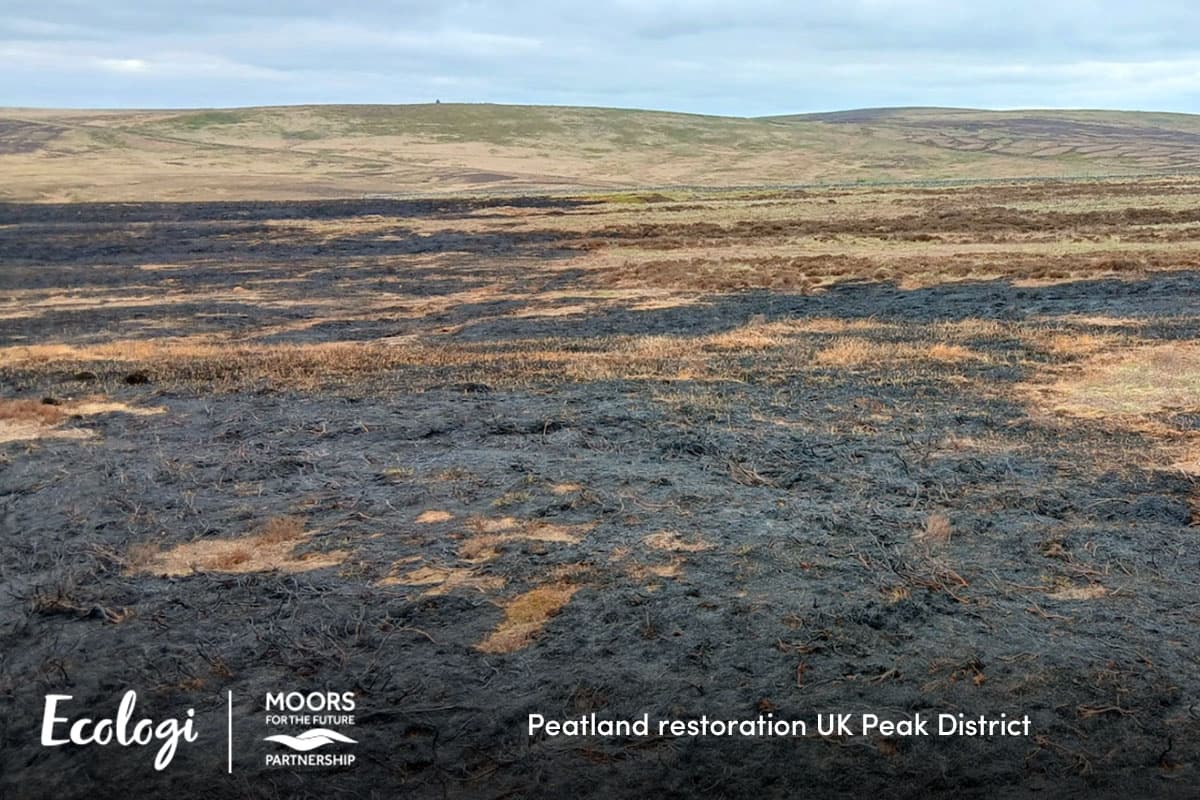
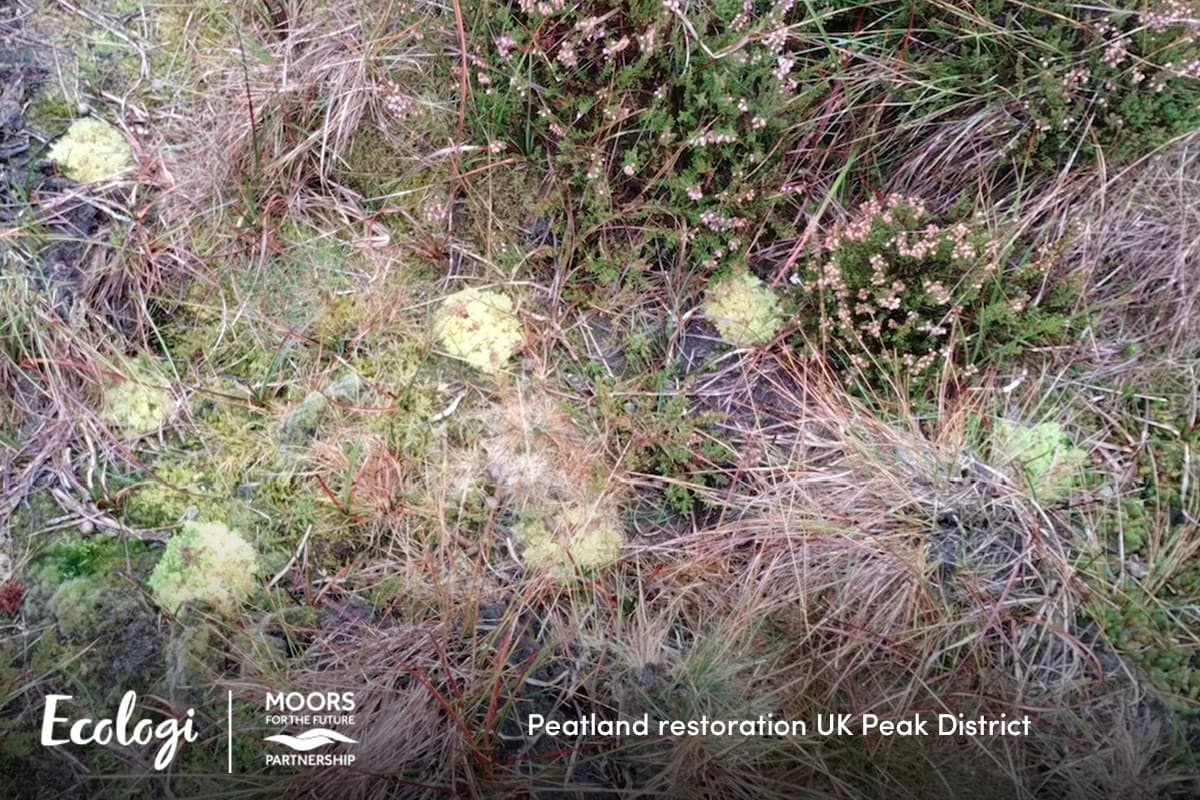
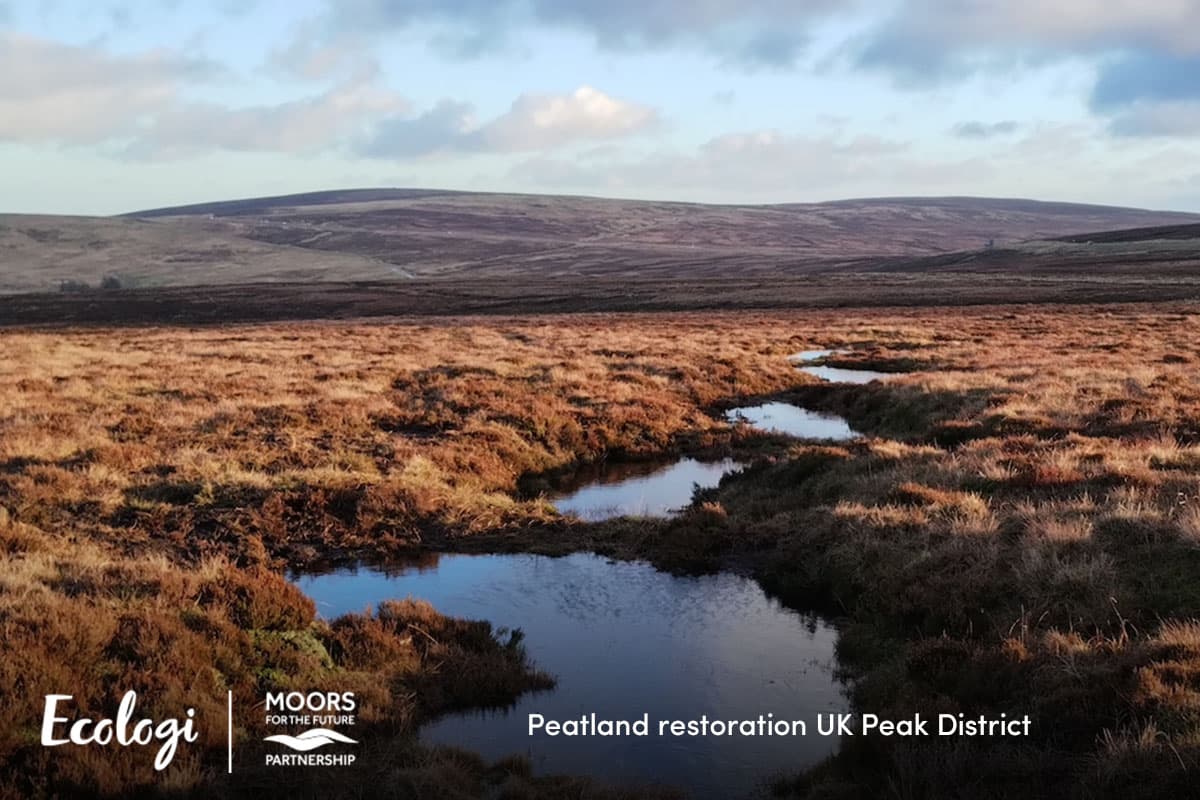
Since March 2025 there have been over 30 moorland fires in the Peak District and South Pennines. This project has a restoration focus on recovering the peatland from recent fires in the Goyt Valley near Buxton. The Goyt Valley fire in April/May 2025 affected 1,738,391 m2 of peatland near Buxton.
Recovering this habitat by planting sphagnum moss plugs will:
-
Help to combat biodiversity decline
-
Promote healthy blanket bog functionality
-
Slow water runoff and soil erosion
-
Increase resilience to wildfires
-
Protect and enhance long-term carbon sequestration
Moors for the Future Partnership have worked together to protect and re-wet the uplands of the Peak District and South Pennines for 22 years, taking them from the most degraded peatland in Europe, with miles and miles of exposed and eroding bare peat releasing carbon into the atmosphere, to a landscape on the trajectory to recovery.
It is essential to continue to restore and maintain our uplands for the multiple benefits that blanket bogs bring, ranging from natural flood management to health and well-being, and their crucial role in tackling climate change.
Why support peatland restoration
Peatlands are one of the planet’s most important ecosystems, playing a crucial role in carbon storage. Although they cover just 3% of the Earth’s land surface, these carbon-dense wetlands hold a significant share of the world's soil carbon. In the UK, peatlands make up around 8.5% of the land area, however it's estimated that around 80% of these peatlands are currently degraded or in decline, limiting their ability to function as effective carbon sinks and vital habitats.
In the UK, there are 3 types of peatland:
-
Blanket bog – large areas of peat found largely in uplands fed primarily by rainfall
-
Raised bog – localised domes of peat in lowland areas fed primarily by rainfall
-
Fens – fed by mineral-rich groundwater and river water, as well as rainfall
In their healthy, natural state, peatlands play a vital role in climate regulation by having a net cooling effect. They also help reduce flood risk, slowing water flow from upland areas and storing floodwaters in lowland regions. Additionally, healthy peatlands support a rich diversity of wildlife, providing crucial nesting and feeding habitats for wading birds such as curlew and snipe, non-wading birds such as Golden plover, short-eared owl and dunlin, and sheltering rare plants and insects.
Only around 20% of the UK’s peatlands remain in a near-natural condition. Degraded peatlands, instead of storing carbon, have become significant sources of greenhouse gas emissions. This damage has been driven by a range of human activities over the years, including agricultural drainage, commercial forestry, overgrazing, burning for game and livestock management, peat extraction for horticulture, and fuel cutting.