

Carbon avoidance
Solar power project in Morocco
Overview
Site
Benefits
Verification
What is renewable energy?
Sunlight, wind and flowing water generate electricity without burning fossil fuels. Renewable energy projects bring cleaner power to reduce emissions from electricity generation.
Project summary
Context
The biggest share of primary energy consumption in Morocco comes from fossil fuels – with around 57% of the total coming from oil, and 33% of the total coming from coal power. In 2021, solar generation represented less than 2% of the energy mix, though the country has high potential for both solar and wind power generation.
Morocco is also a net importer of energy, and the country is steadily developing new sources of renewable energy to meet rising domestic demand.
Project
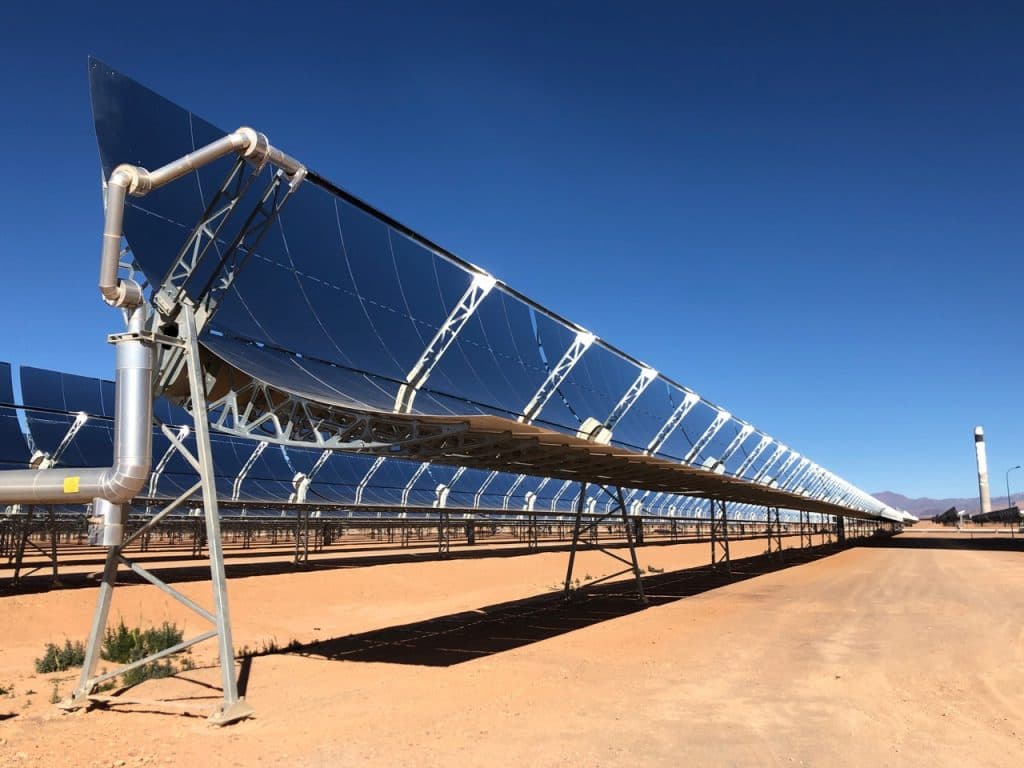
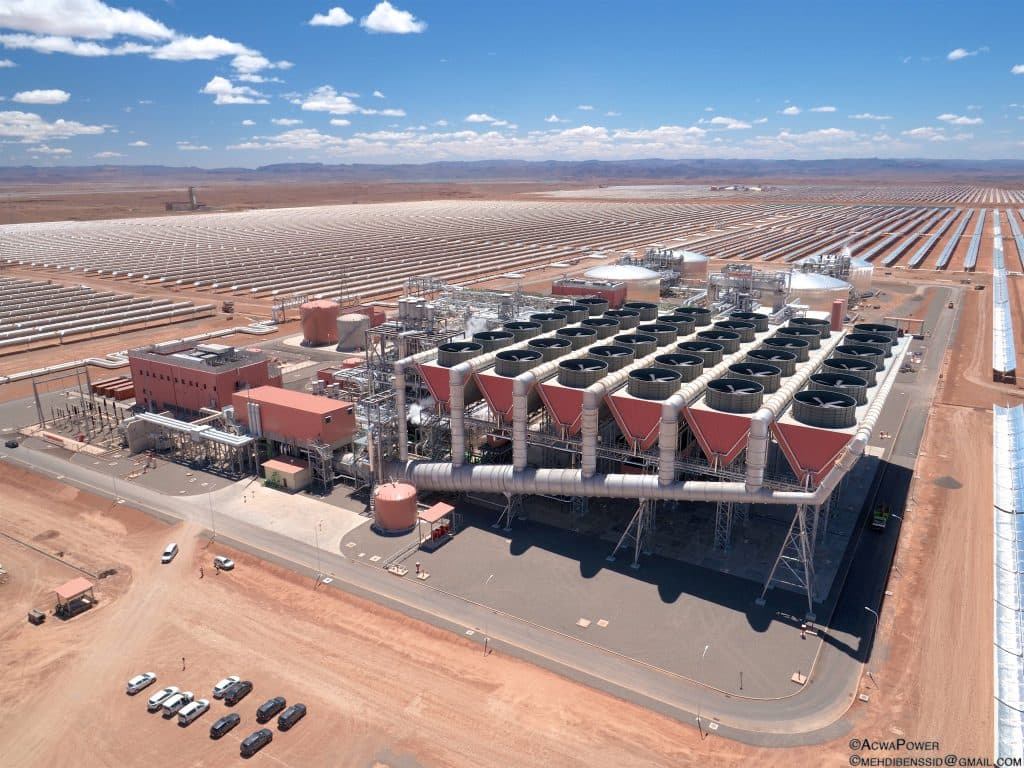
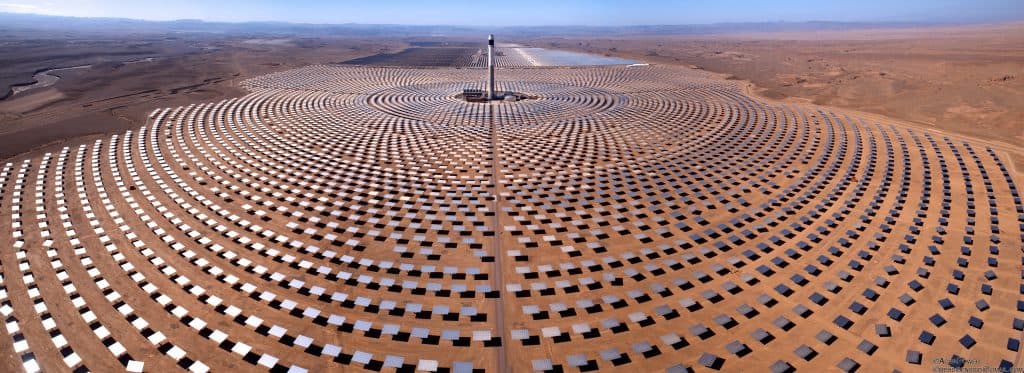
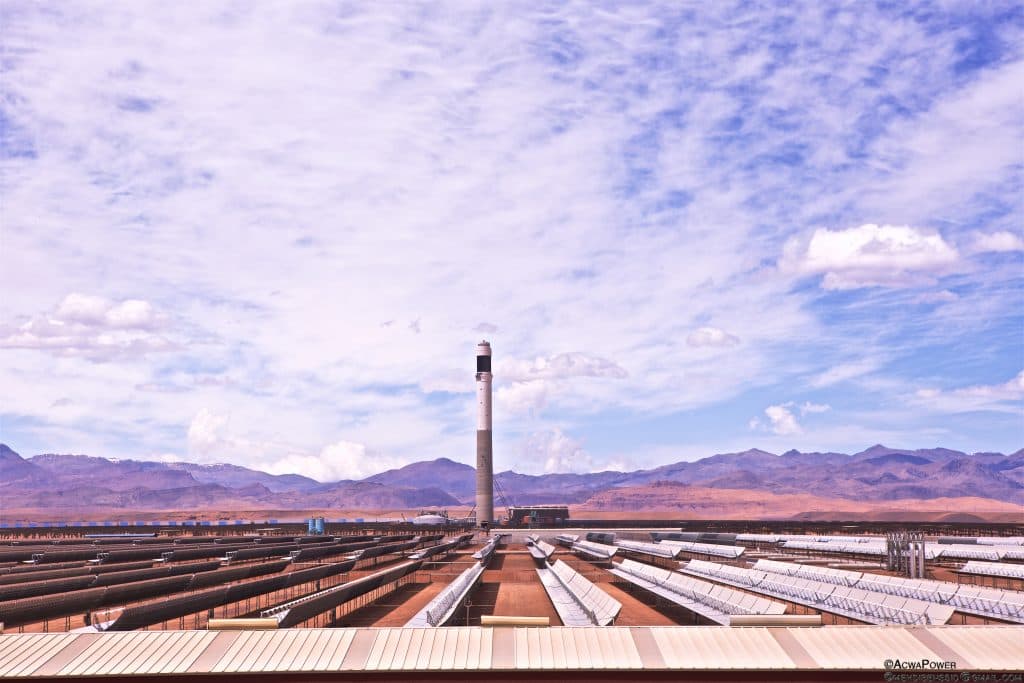
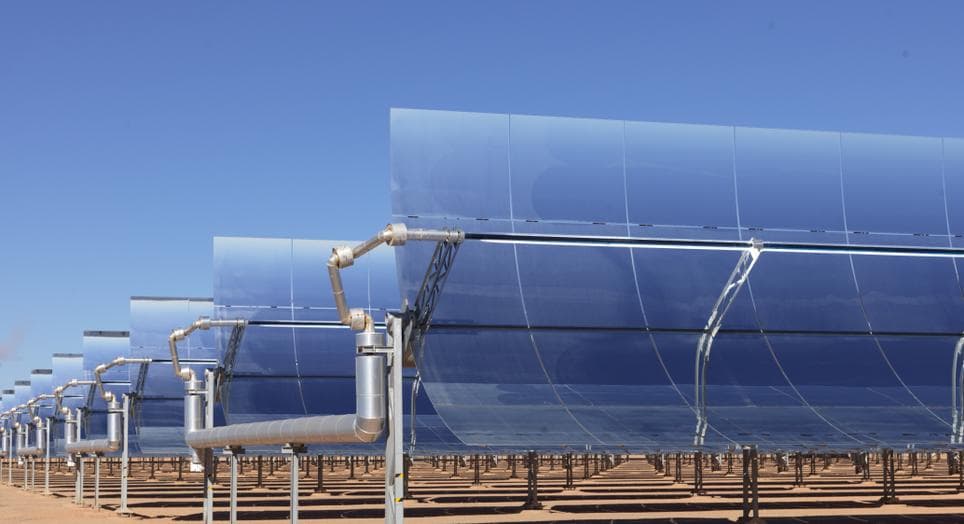
The Ouarzazate solar power station is one of the largest concentrated solar projects in the world, making use of thousands of concave mirrors to concentrate solar energy and produce 750 GWh of power per year. The project maintains up to 7 hours of solar energy storage which can be used to deliver power even after the sun sets. The region selected for the project is highly favourable for solar energy generation, receiving among the highest amounts of annual sunlight of any region in the world.
The construction of the project provided almost 7,000 local jobs. As well as renewable energy generation, the project design incorporates co-projects which promote the creation of cooperatives, educational schemes, and skills training. The project additionally organises a mobile hospital to provide health services to the local community, as well as making financial contributions to the local medical centre, including the provision of an ultrasound system, and also the purchase of a school minibus for the local community which has helped to reduce school drop-out rates.
Verification
This project is verified by the Verified Carbon Standard. You can view it on the Verra Registry here.

Climate Solution #8
Utility-scale solar photovoltaics
The sun provides a virtually unlimited, clean, and free fuel at a price that never changes. Solar farms take advantage of that resource, with large-scale arrays of hundreds, thousands, or in some cases millions of photovoltaic (PV) panels. They operate at a utility scale like conventional power plants in the amount of electricity they produce, but dramatically differ in their emissions.
In many parts of the world, solar PV is now cost competitive with or less costly than conventional power generation. In tandem with other renewables and enabled by better grids and energy storage, solar farms are ushering in the clean energy revolution.
The significant increase of the solution use could avoid 44-119 gigatons of greenhouse gases emissions depending on the climate mitigation ambition and electrification of demand side sectors.
Photos
Before and after
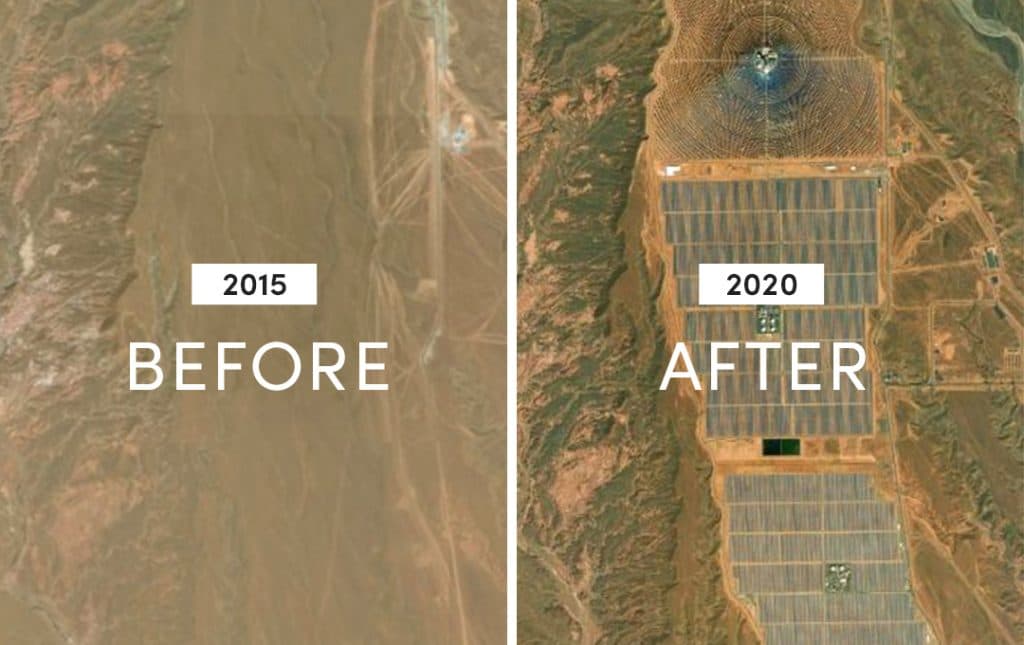
Take a look at this before and after picture from the Ouarzazate II solar project. You can see more before and after shots on our blog.
Locations
Ouarzazate, Morocco
Benefits
SDGs supported


Verification
These partners help deliver the project and verify its impact.
Verifiers

Verified Carbon Standard
The Verified Carbon Standard (VCS) Program is the world's most widely used greenhouse gas (GHG) crediting program.