

Carbon avoidance
Improved stoves in Eritrea

Overview
Site
Benefits
Verification
Context
Eritrea is a small country in northeastern Africa, in which only 16.32% of the population have access to clean fuels for cooking. Having clean fuels and technologies for cooking make these processes more efficient, saving time and energy. They also come with massive health benefits. The use of solid fuels, such as charcoal, crop waste, or dung, for cooking is a primary risk factor for deaths and ill-health from indoor air pollution.
In the rural areas of Eritrea, more than 90% of energy for cooking is derived from burning wood and charcoal. This heavy dependence on wood fuel has contributed to Eritrea losing 55% of its forest cover since 2000. The scarcity of wood coupled with high demand has put increasing stress on the natural environment, and on those who travel great distances and spend considerable time collecting firewood, predominantly women and children.
Project
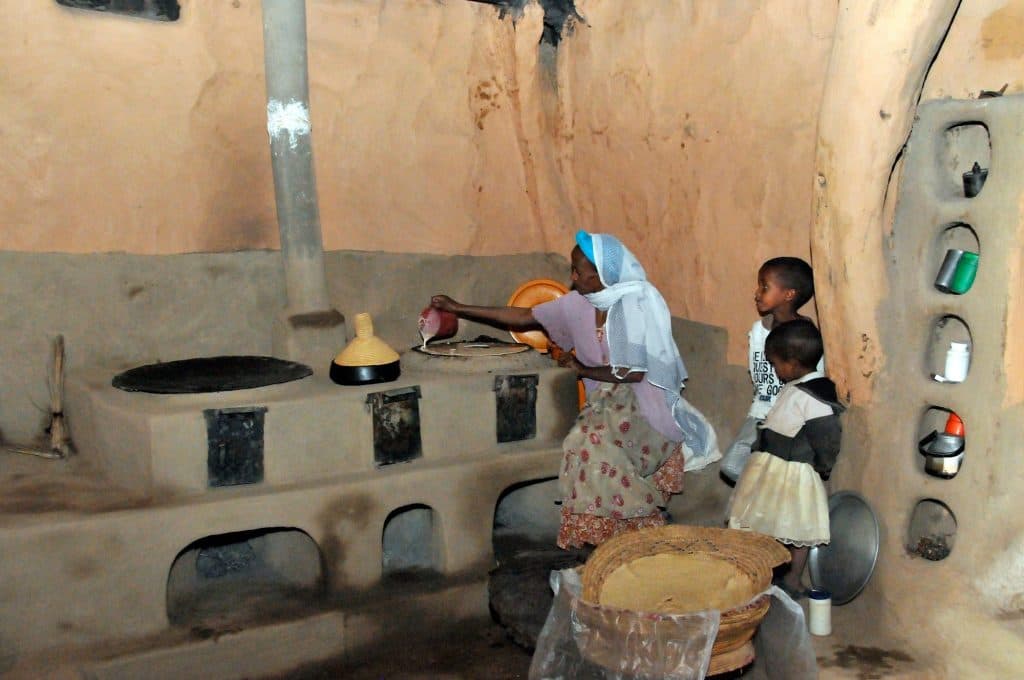
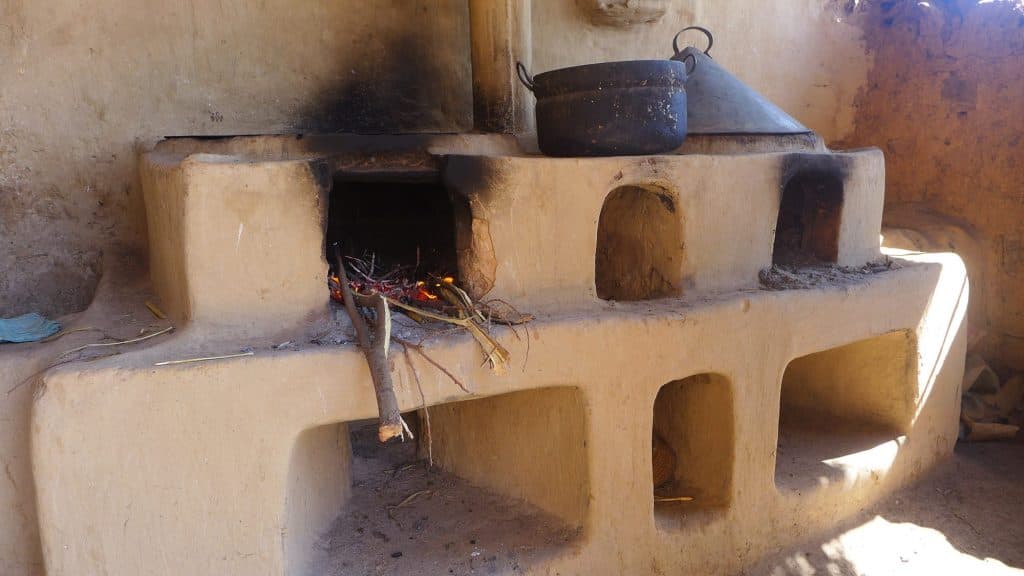
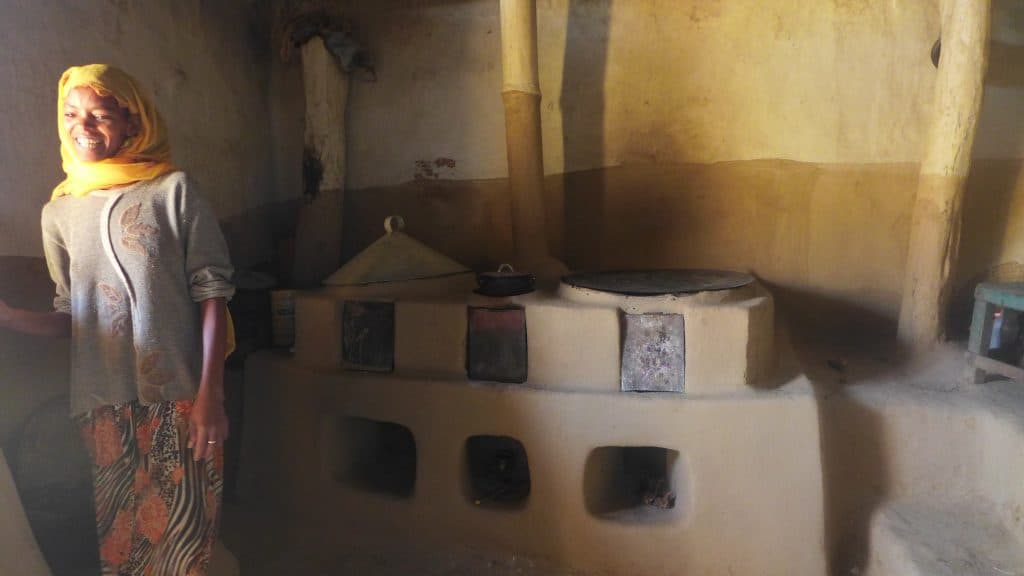
This Gold Standard project involves the distribution of approximately 8,000 domestic fuel-efficient cookstoves to households within the Anesba district in Eritrea.
The improved stove was developed by Turkey’s Department of Energy, through research and development done at the Energy Research Centre of the Ministry. It has already successfully been used in several thousand households in other regions of Eritrea.
The provision of these stoves within the community will reduce the demand for wood; easing pressure on the natural environment, reducing deforestation and forest degradation, and reducing emissions of greenhouse gas released during the burning process. Annually this project activity will reduce demand for wood fuel by 60-70%, saving 10,960 tonnes of wood from being burnt. The project will also improve the health of women and children who are responsible for managing the stoves.
As well as providing the stoves, this project will also train local communities to use and construct them. Selected women from the communities will be employed and trained as promoters, and will then go on to conduct training and supervise the stove construction in their respective villages.
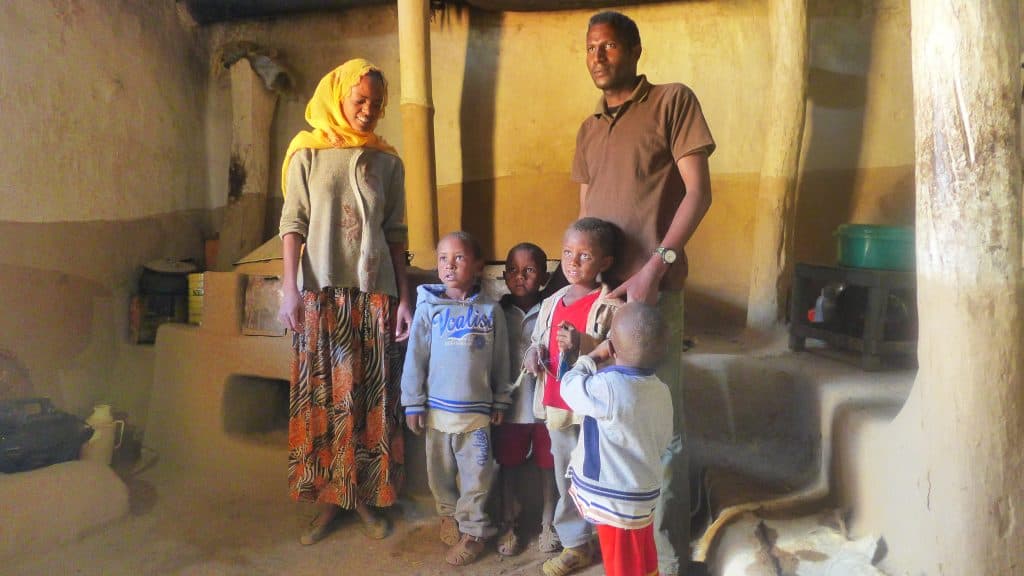
Read a story featuring a family whose lives have been transformed by the project.
Verification
This project is verified by the Gold Standard. You can view it on the Gold Standard registry here.

Climate solution #21
Improved clean cookstoves
Improved clean cookstoves can address the pollution from burning wood or biomass in traditional stoves. Using various technologies, they reduce emissions and protect human health.
Around the world, 3 billion people cook over open fires or on rudimentary stoves. As these burn, often inside homes or in areas with limited ventilation, they release plumes of smoke and soot liable for 4.3 million premature deaths each year. Traditional cooking practices also produce 2 to 5 percent of annual greenhouse gas emissions worldwide.
A wide range of “improved” cookstove technologies exists, with a wide range of impacts on emissions. Advanced biomass stoves are the most promising. By forcing gases and smoke from incomplete combustion back into the stove’s flame, some cut emissions by an incredible 95 percent.
Photos
Locations
Zoba Anseba, Eritrea
Benefits
Sustainable development goals
These Sustainable Development Goals show the wider outcomes this project supports beyond its headline impact.


Verification
These partners help deliver the project and verify its impact.
Verifier

Gold standard
This project is verified by the Gold Standard.