

Carbon avoidance
Geothermal power production in West Java, Indonesia
Overview
Site
Benefits
Verification
What is geothermal energy?
Heat from beneath the Earth can provide reliable power and warmth. Geothermal projects put this natural energy to work, helping communities use less fossil fuel.
Project summary
Context
Indonesia is an extremely volcanically active country, with around 130 active volcanoes – the most of any country in the world. This is a result of its unique position at the meeting point between several tectonic plates.
This immense geologic activity gives the nation huge potential for producing electricity in a cost-effective and reliable method – from a renewable, sustainable source: geothermal energy. As of 2019, Indonesia has the second-highest installed geothermal energy capacity in the world, behind only the USA.
Project
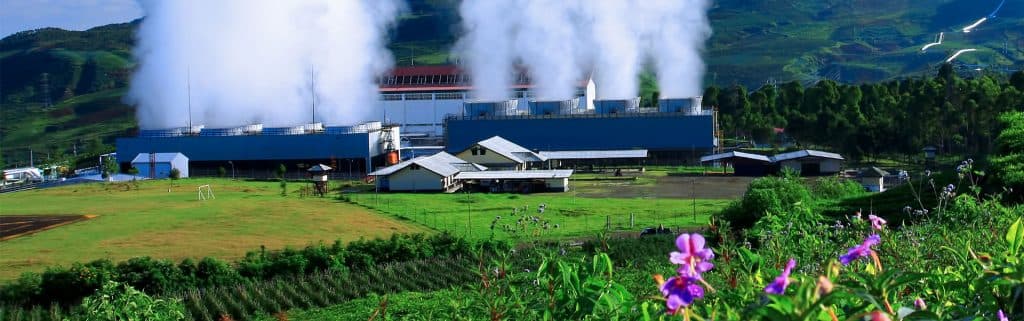
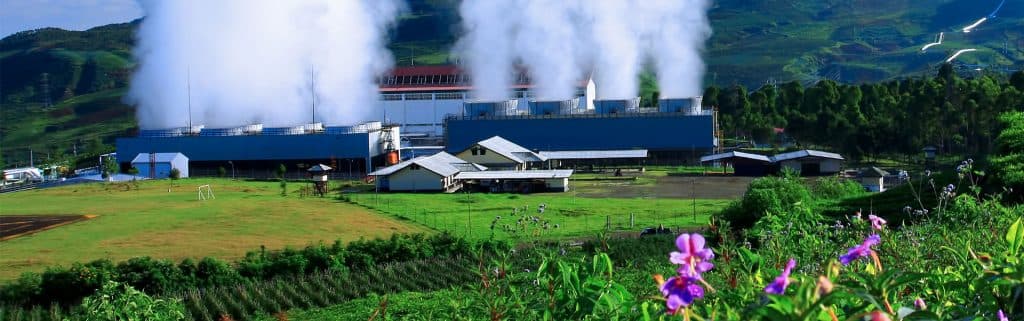
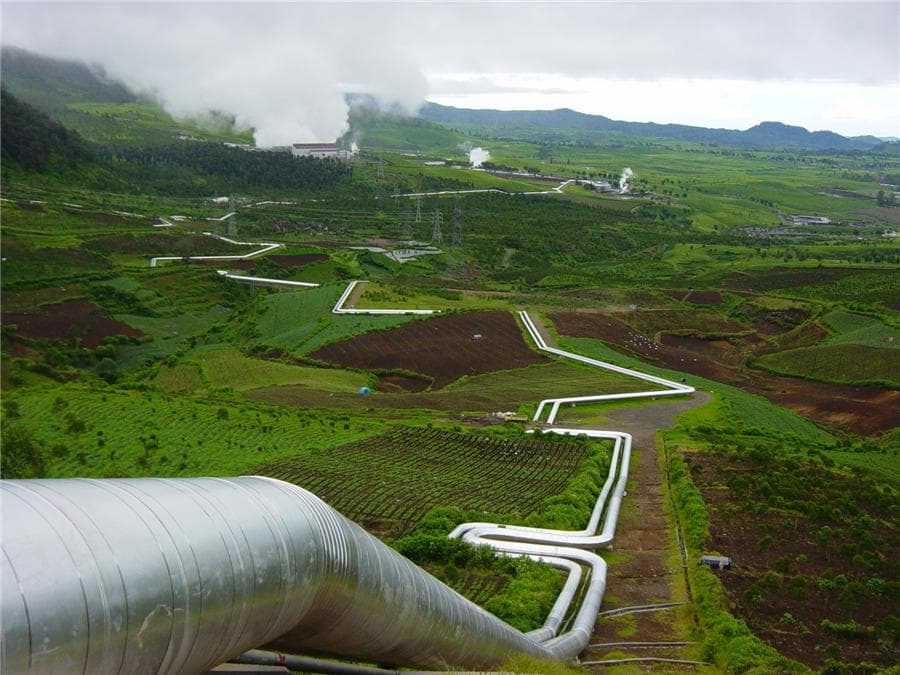
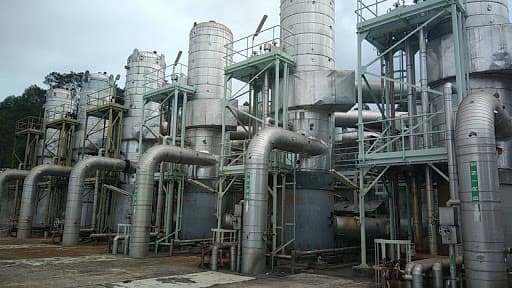
This award-winning project supports the Phase 2 development of the Wayang Windu geothermal power station in West Java, Indonesia.
Phase 2 involves the development of a 117MW Geothermal Power plant, an addition to the existing 110MW power station built as part of Wayang Windu Phase 1. The project is named after, and nestled at the base of, the twin volcano Wayang-Windu, which consists of the forested peaks of Mount Wayang and Mount Windu – 40km south of Bandung in West Java, Indonesia.
The specific aim of the project is to use renewable energy generated from geothermal steam to displace electricity generated primarily from coal and diesel in the existing grid.
The project also runs a large outreach and community programme which includes the development of household biogas alternative energy projects, the planting of over half a million trees and improvement of 13,000 hectares of land, and supporting local education and health, through the provision of over 3,000 local scholarships and health clinics.
As a result, the Wayang Windu geothermal project has won many awards from the Indonesian Ministry of Environment and Ministry of Energy.
Verification
This project is verified by the Verified Carbon Standard. You can view it on the Verra Registry here.

Climate solution #18
Geothermal power
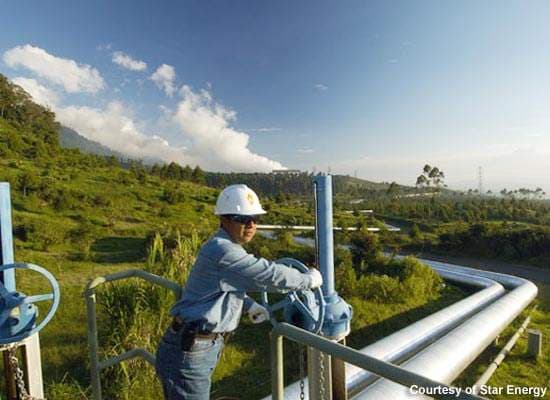
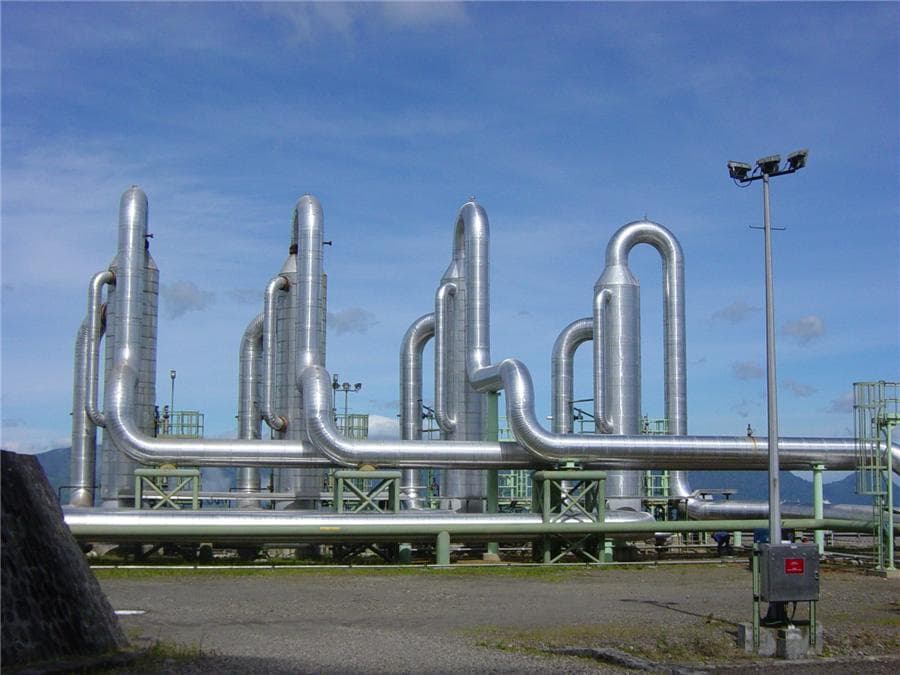
The heat energy contained below the earth’s surface is about 100 billion times more than current world energy consumption. Geothermal power—literally “earth heat”—taps into underground reservoirs of steamy hot water, which can be piped to the surface to drive turbines that produce electricity. Prime geothermal conditions are found on less than 10 percent of the planet, but new technologies dramatically expand production potential.
With subterranean resources flowing 24-7, without interlude, geothermal production can take place at all hours and under almost any weather conditions. Geothermal is reliable, abundant, and efficient. While drilling is expensive, the heat source itself is free. According to the Geothermal Energy Association, 39 countries could supply 100 percent of their electricity needs from geothermal energy, yet only 6 to 7 percent of the world’s potential geothermal power has been tapped.
Photos
Locations
West Java, Indonesia
Benefits
SDGs supported


Verification
These partners help deliver the project and verify its impact.
Verifiers

Verified Carbon Standard
The Verified Carbon Standard (VCS) Program is the world's most widely used greenhouse gas (GHG) crediting program.