Reforestation

Forest restoration in Guatemala

Forest restoration in Guatemala

Why plant trees?

Reforestation replants trees on land hit by natural or human disturbance. It restores forest structure and canopy, protects biodiversity and watersheds, and promotes carbon sequestration.

Project summary

About this project

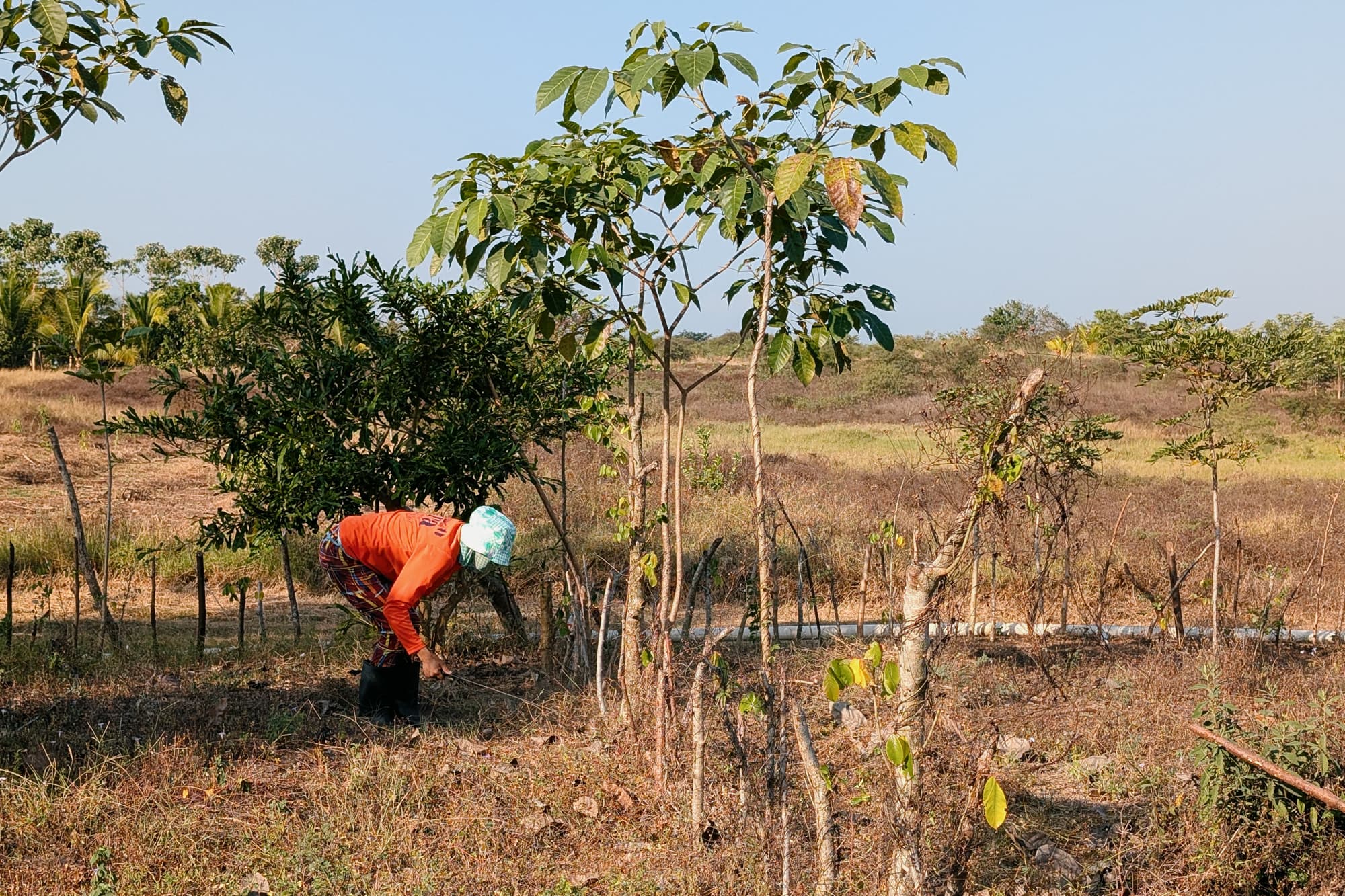
The Guatemalan government, in coordination with the UN, has identified two watersheds that are essential to restore for the well being of the country. Restoration Era is working with the Guatemala Ministry of Water to restore the Samalá and Ocosito Watersheds from the mountains to the mangrove estuaries on the coast.

This landscape focused project provides environmental, social, and economic benefits to all those who rely on the watershed. Esteros de Acapan is a part of this project and is in the once tropical woody savannah area near the coast as the watershed begins to move into the mangrove estuaries. This region has been heavily deforested which has contributed to decreased rainfall, erosion, and deterioration of soil which is why we are prioritizing this region.

In addition to preserving the watershed which has economic importance to the region, the project is restoring the forest habitat of all the wildlife that relies on the area. With less than 10% of its forest cover remaining, the plant and animal life in this region is highly threatened. BirdLife International lists part of the area as a key biodiversity area and lists the entire region as an endemic bird area. Conservation International also lists the entire project area as a Biodiversity Hotspot.

This is an exciting project as it is empowering the local community to restore their land. Each family in the community has rights to an equal amount of land within the community. This community land is strictly enforced through the Fondos de Tierra department and was given to the community under strict conditions of long term use by the community. This was done as a reparations act. The land tenure status makes it so the land can't be sold outside of the community.

Outcomes for local people

This project will deliver important outcomes for local people, including:

  • Job creation to restore the forest - this is the community's most pressing need as they had not earned an income in 5 years prior to the restoration project. For many community members this is their first time to have the opportunity to earn a stable income.

  • Restoring their land: helping to retain moisture and make it suitable for sustainable agriculture.

  • Growing native agroforestry species that they can take to market.

  • Selling produce: Restoration Era helps local people take their produce to market and helps them meet potential customers.

  • The community is also pooling resources from the project to be able to have more reliable transportation which is vital to them as their isolation has led to decreased opportunities.

Locations

Guatemala

Timeline

Follow the latest milestones and updates from this project.

Sep 2026
Collaborating for Change

Collaborating for Change

Like any community, there can be rifts. One of the amazing benefits we have seen through this large-scale project is that it has brought different families and groups within the community together. The community has united under this restoration work to achieve the greater goal of restoring their land and creating a more sustainable and better future.

Community members have decided to pitch in on a used truck to help with the project, help with their agricultural work, and to be able to move produce to market. The community was very isolated before the project. This was due to bad roads to get in and out of the town, which sometimes became impassable for buses in the rainy season. Now the community can access services from nearby towns and can get their agricultural products to buyers. There is an amazing sense of community!

Aug 2026
Community Spotlight: Kevin's Story

Community Spotlight: Kevin's Story

Kevin, the monitoring lead for Acapan, is set to become the first person in his family and his community to pursue higher education, made possible by income earned through the project.

Kevin has chosen to study sustainable agriculture, with a clear goal in mind: to bring that knowledge back into the project, strengthening restoration best practices and helping his community build sustainable agriculture systems that support long-term, thriving livelihoods.

Kevin hopes to continue his work with Era and, upon completing his degree, join the National Leadership Team — carrying his community's experience and priorities into decisions that shape the project's future.

Jul 2026
117,124 trees planted so far!

117,124 trees planted so far!

Rains have been unpredictable this year, as usually the team can count on consistent rains starting in May, but this year there have been long gaps known as Caniculas. Local forestry experts have recommended that the team wait to do the bulk of planting until the rains are consistent.

With 5 days of rain in a row, the team are starting to transport seedlings from the nursery to the project site. The majority of trees planted so far have been planted along the forest edges where they receive shade and through live fences, which will protect the new saplings from livestock in the nursery. The bulk of planting will be done from now until October.

Jul 2026
Over 3,000 cuttings of Palo Jiote have been planted

Over 3,000 cuttings of Palo Jiote have been planted

The team is working on weeding the area, which also creates fire breaks, and is building live fences out of cuttings, which will soon grow into trees to prevent livestock from entering their forestation areas. The cuttings being used are from a species called Palo Jiote (Bursera simaruba), which does better when it is put in the ground in the dry season and will allow us to begin some planting before April.

So far, 3,565 cuttings of Palo Jiote have been planted. The team has also improved a well on their land that will help irrigate the plants during dry spells.

May 2026

María de los Ángeles Rosales Corzo’s story

María moved her family from a cartel-run part of Guatemala to the coast so that her sons would not be at risk of becoming involved in gangs. She is a single mother with three children. She was very concerned when she arrived in the new community, as she saw how devastated the land was, and that every agricultural initiative she tried, including fishing, was not enough to sustain her family. She had to send her children away to her sister while she continued to try and make her new life on the coast sustainable. Now she earns a consistent income, has brought her children back to live with her, can provide 3 meals a day for her family!

Apr 2026

Watershed Restoration in Guatemala

Guatemala, in coordination with the UN, have identified two watersheds essential to restoring the country’s well-being. Restoration Era is working with the Guatemala Ministry of Water to restore the Samalá and Ocosito Watersheds from the mountains to the mangrove estuaries on the coast. This landscape-focused project provides environmental, social, and economic benefits to all those who rely on the watershed. Within the watershed restoration project, there are three zones (highlands, tropical forests, and mangroves) in which Era has active projects. The Esteros de Acapan restoration site is a part of this holistic effort!

Apr 2026

Restoring habitats for jaguar, deer, wild boar, iguana, oncillo, fox, and birds

This region of Guatemala has been heavily deforested for decades leading to a loss of habitat for many species. By restoring this area and by introducing conservation measures we are restoring the habitat for animals such as the jaguar, deer, wild boar, iguana, oncillo, fox, and many bird species. This area is near the protected area of El Manchon and can increase the range that animals can safely travel in. Hunting has led to the loss of many of these species in the region and we have teamed up with the Guatemalan government to make this area a conservation zone where hunting is not permitted.

Benefits

Climate

By restoring native forests, carbon is sequestered from the atmosphere, erosion is reduced, flooding is prevented, and the area cools.

Nature

The project is restoring the forest habitat of all the wildlife that relies on the area. With less than 10% of its forest cover remaining, the plant and animal life in this region is highly threatened. The majority of the area is considered to have low biodiversity intactness, with the areas near bodies of water having medium biodiversity significance. BirdLife International lists part of the area as a key biodiversity area and lists the entire region as an endemic bird area. Conservation International also lists the entire project area as a Biodiversity Hotspot.

People

This project is enabling local people to restore their land so that they can sustainably work it for many generations to come, while preserving and increasing biodiversity in their community. The project will provide new sustainable income streams to enable local people to earn a reliable living.

Payments made through this project to the community for their work restoring this landscape will be the first income the community has had which allows them to access transportation, health care, consistent food and water, and create safer homes.

SDGs supported

No Poverty

Through job creation and creation of small businesses by improving access to market.

Zero Hunger

Healthy and diverse diets can be supported through the sustainable agriculture practices introduced by this project.

Good Health and Well-Being

By introducing sustainable agricultural practices, reducing harmful chemical exposure, increasing healthy food through agroforestry, and the environmental restoration improves water quality for the community

Gender Equality

Restoration Era hires across genders and empower women in traditionally male-led societies to take on leadership roles.

Clean Water and Sanitation

Restoration Era is providing every team member with filters, first aid materials, and training.

Decent Work and Economic Growth

Restoration Era provides all tree planters a living wage, meaningful work, and helps communities build sustainable businesses to care for their families.

Reduced Inequalities

Restoration Era focuses on employing those who are marginalized and providing economic stability for impoverished communities.

Sustainable Cities and Communities

Restoration Era works on sustainable agricultural initiatives and sustainable forest management plans for communities.

Climate Action

By restoring native forests, carbon is sequestered from the atmosphere, erosion is reduced, flooding is prevented, and the area cools.

Life on Land

This project will restore forest habitat for many species that rely on this lowland forest that has so little area left in Mesoamerica.

Partnerships for the Goals

Restoration Era partners with communities, governments, non-profits, and businesses to see holistic environmental and socio-economic transformation

Verification

These partners help deliver the project and verify its impact.

Suppliers

Restoration Era
Restoration Era

Restoration Era approaches environmental restoration with a community focus. Through this model, the ecology of degraded lands is restored, livelihoods are transformed by alleviating poverty, and lives are improved.