

Carbon avoidance
Cleaner cookstoves in Somalia
Overview
Site
Benefits
Verification
Context
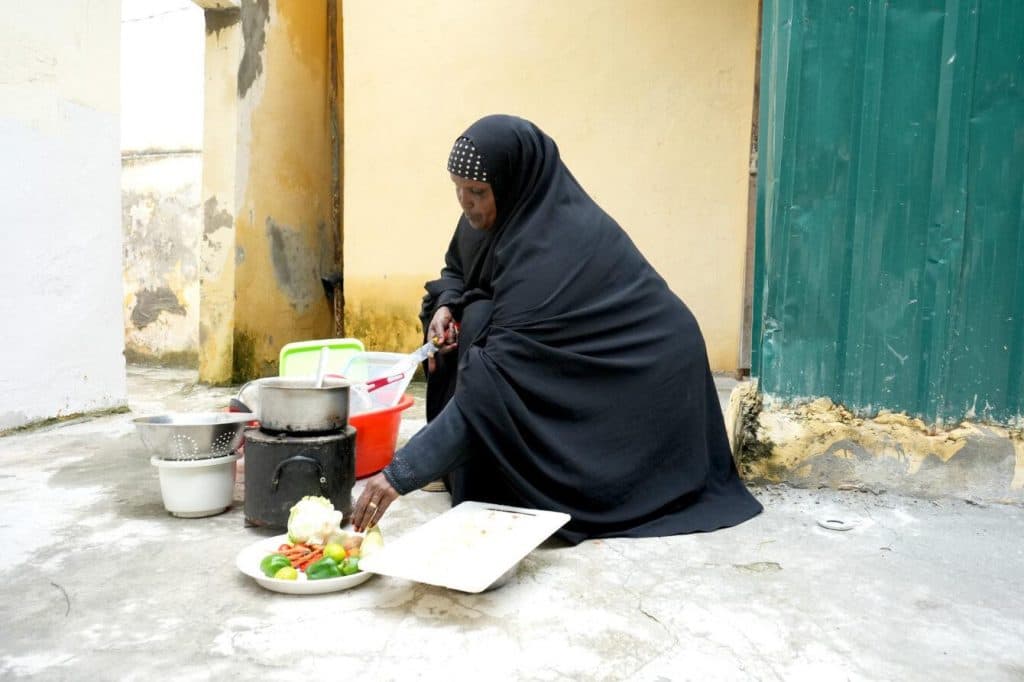
In many parts of the world, including Somalia, burning non-renewable biomass remains a prevalent method for cooking. Approximately 80% to 90% of households in Somalia still rely on traditional biomass stoves and open fires for cooking, often lacking efficiency in utilising available fuel, contributing to unsustainable deforestation.
Excessive biomass burning amplifies greenhouse gas emissions, intensifying climate change. These emissions are not only environmentally harmful but also compromise respiratory health, generating indoor air pollution. Improved cookstoves have been linked to reduced Household Air Pollution (HAP), significantly lower particulate matter (PM) pollutants, and decreased indoor carbon monoxide (CO) levels.
Efficient cookstoves offer social benefits, particularly in countries like Somalia, where traditional wood gathering is predominantly handled by women and children. This disproportionately affects women and girls, limiting their potential in education, employment, and other areas.
The pressing need to alleviate environmental and social impacts calls for the introduction of energy-efficient wood and charcoal stoves for low-income households. Presently, there are no regulations governing improved cookstove usage in Somalia, underscoring the importance of initiatives that offer a progressive approach to cooking methods beneficial for both the environment and society.
Project
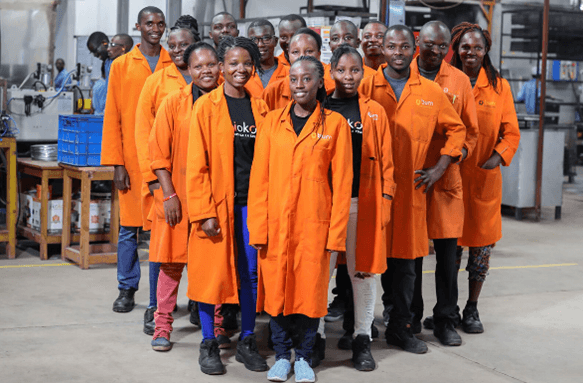
BURN’s project in Somalia improves the lives of some of the world’s most vulnerable people. More than 90% of the population still relies on biomass fuels for cooking, driving particularly high deforestation rates in an already arid landscape. In addition, nearly 3 in 4 people live below the poverty line. Local charcoal production is unsustainable and very expensive. Using an inefficient traditional stove costs Somalian families as much as $50/month, and excess smoke creates health problems. A study done by the Clean Cooking Alliance shows that cooking with an open fire causes over 3 million premature deaths each year.
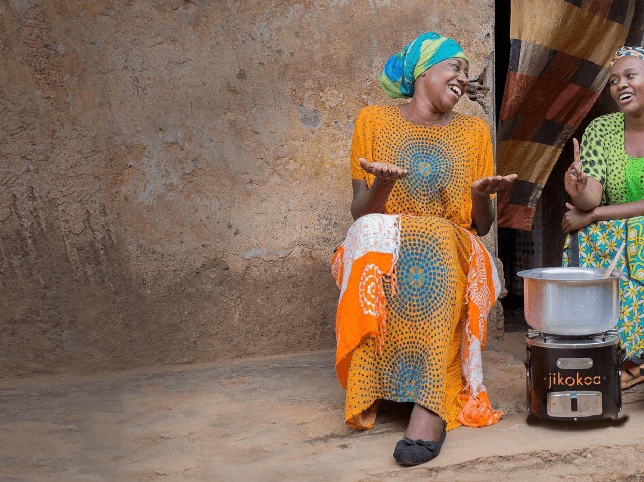
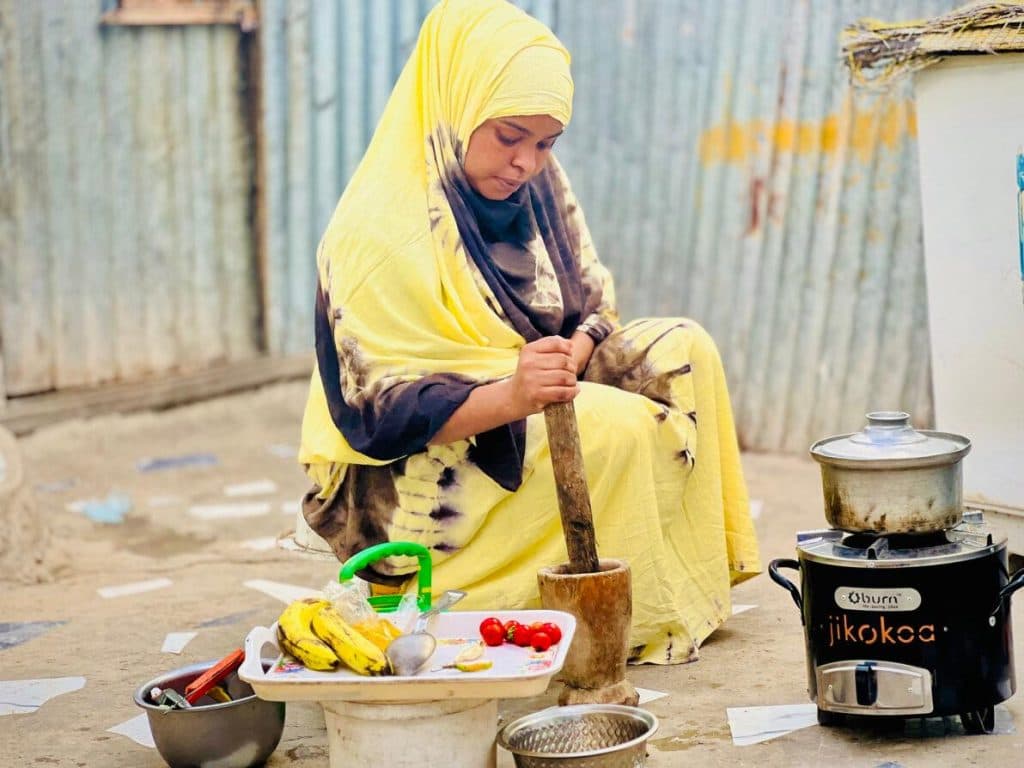
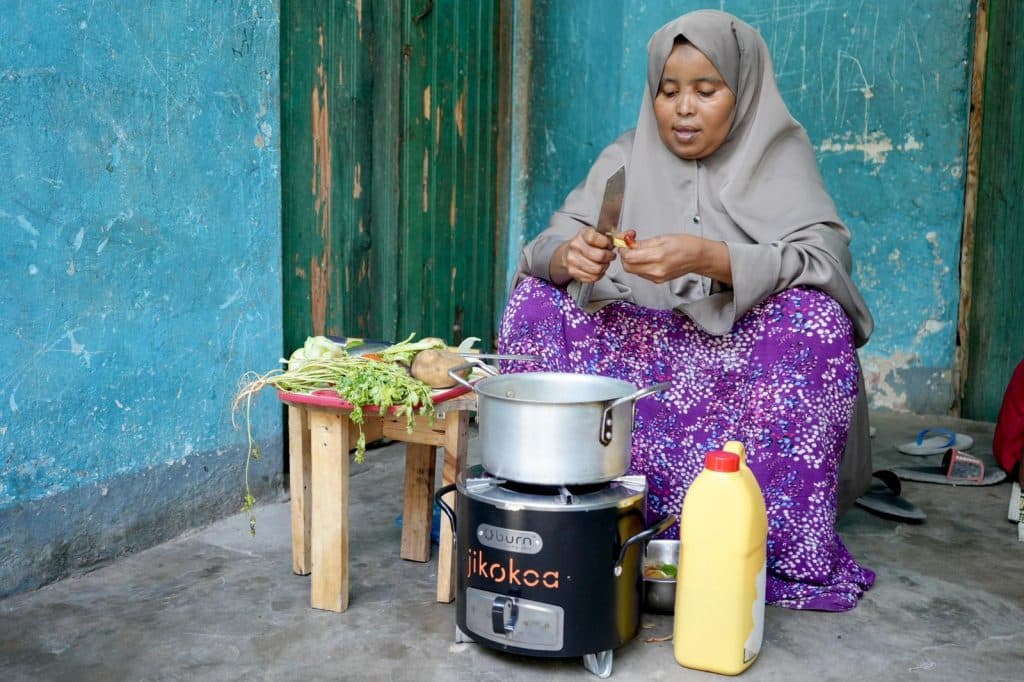
This project helps families transition to BURN’s JIKOKOA, the world’s most fuel-efficient biomass stove. The JIKOKOA, reduces charcoal consumption by 64% – slowing deforestation and saving Somalian families $130 million to date. It also reduces indoor air pollution by 65%, with families reporting that they get ill less often. These health benefits, tied with fuel and time savings, help reduce gender inequities, improve lives, and save forests.
BURN has been working in Somalia since 2016, and remains the only carbon project in the region. This is particularly important because the area struggles to attract foreign investment, despite high levels of need.
Verification
This project is verified by the Gold Standard. You can view it on the Gold Standard Registry here.
Climate solution
Improved clean cookstoves
Improved clean cookstoves can address the pollution from burning wood or biomass in traditional stoves. Using various technologies, they reduce emissions and protect human health.
Around the world, 3 billion people cook over open fires or on rudimentary stoves. As these burn, often inside homes or in areas with limited ventilation, they release plumes of smoke and soot liable for 4.3 million premature deaths each year. Traditional cooking practices also produce 2 to 5 percent of annual greenhouse gas emissions worldwide.
A wide range of “improved” cookstove technologies exists, with a wide range of impacts on emissions. Advanced biomass stoves are the most promising. By forcing gases and smoke from incomplete combustion back into the stove’s flame, some cut emissions by an incredible 95 percent.
Photos
Locations
Somalia
Benefits
Sustainable development goals
These Sustainable Development Goals show the wider outcomes this project supports beyond its headline impact.


Verification
These partners help deliver the project and verify its impact.
Verifier

Gold standard
This project is verified by the Gold Standard.