

Carbon avoidance
Biomass energy generation in a pulp mill, Bulgaria
Overview
Site
Benefits
Verification
Context
In Bulgaria, over 70% of the country’s energy comes from fossil fuels. It must transition to sustainable energy generation using renewable sources such as wind and solar power.
Biomass power is considered a ‘bridging solution’ – allowing waste products to be used to generate power as an alternative to high-emitting fossil fuels, whilst we scale up capacity for solar, wind and other types of renewables to accommodate our global energy needs. It is important to note that only biomass projects utilising waste products can be categorised as renewable energy projects. The EU recently made their position on this clear, stating that, “Apart from certain exemptions, woody biomass would no longer be considered as renewable energy and would therefore no longer be eligible for incentives meant to promote renewables.” Biomass grown specifically for the purpose of being burned to create energy is not a renewable energy solution, and certainly not something Ecologi would support, as it usually leads to monocultures being grown which are detrimental to biodiversity, and means investment is being diverted from truly renewable energy sources, such as wind and solar.
Project
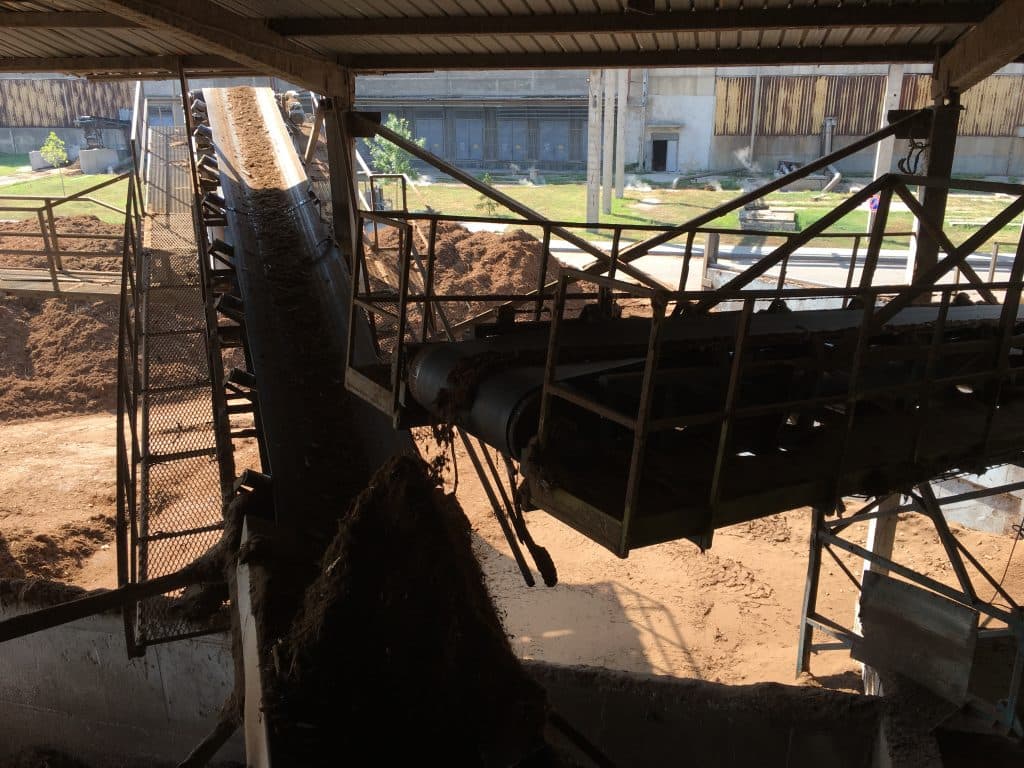
This project works in the Svilocell Pulp mill in Bulgaria, which produces bleach kraft pulp. This pulp is then used as a raw material for the production of various types of paper (e.g. tissue paper, writing paper, corrugated cardboard).
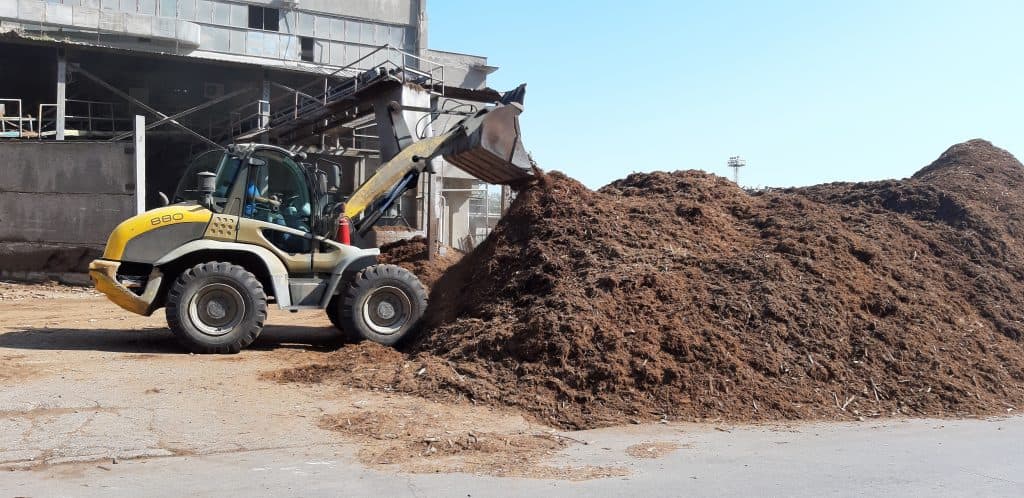
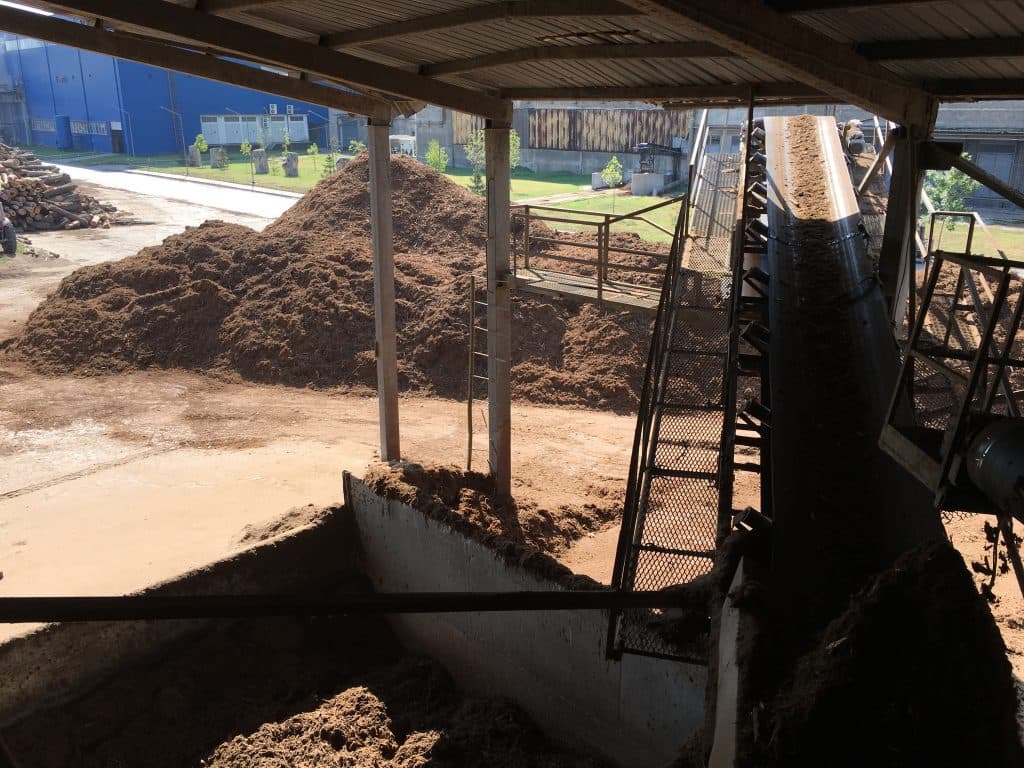
The project utilises waste biomass residues that are received as a result of the preliminary treatment of wood in this mill. These biomass residues are combusted in a specially designed biomass boiler to generate thermal energy in the form of steam which is then used for the production of the pulp.
This steam normally comes from the burning of fossil fuels, and therefore this project replaces fossil fuels with renewable waste biomass, leading to emissions reductions of an average 83,000 tonnes CO2e each year.
This project demonstrates the viability of biomass plants, helping to promote sustainable energy alternatives in Bulgaria. By reducing the reliance of the plant on fossil fuels, it also reduces other pollutants, such as carbon monoxide and sulfur dioxide, from entering the atmosphere.
Verification
This project is verified by the Gold Standard. You can view it on the Gold Standard registry here.

Climate solution #34
Biomass power
Biomass feedstock can replace fossil fuels for generating heat and electricity. Only perennial biomass is advisable, offering a “bridge” solution to clean, renewable production.
Carbon-rich biomass can be harvested to produce heat, create steam for electricity production, or be processed into oil or gas. Doing so trades in carbon that is already in circulation, cycling from atmosphere to plants and back again. Grow plants and sequester carbon. Process and burn biomass. Emit carbon. Repeat. It produces net zero new emissions, so long as use and replenishment remain in balance.
By 2050, biomass power could avoid 2.5-3.6 gigatons of greenhouse gas emissions.
Photos
Locations
Svishtov, Bulgaria
Benefits
Sustainable development goals
These Sustainable Development Goals show the wider outcomes this project supports beyond its headline impact.


Verification
These partners help deliver the project and verify its impact.
Verifier

Gold standard
This project is verified by the Gold Standard.