
Sep 2022
Resolving data gaps
- Successfully applied temporary deviations using conservative grid electricity export data to resolve supervisory system data gaps.
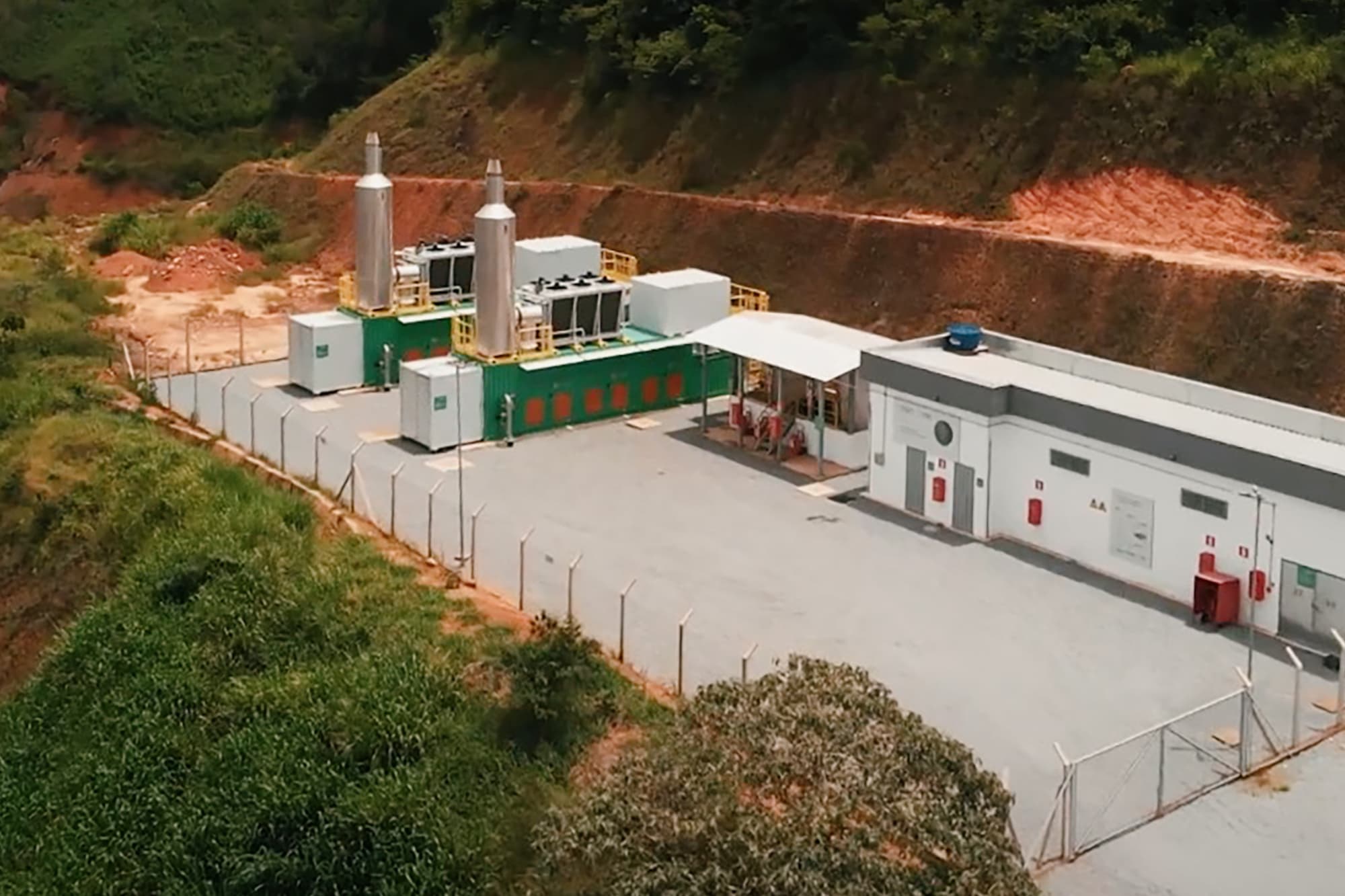
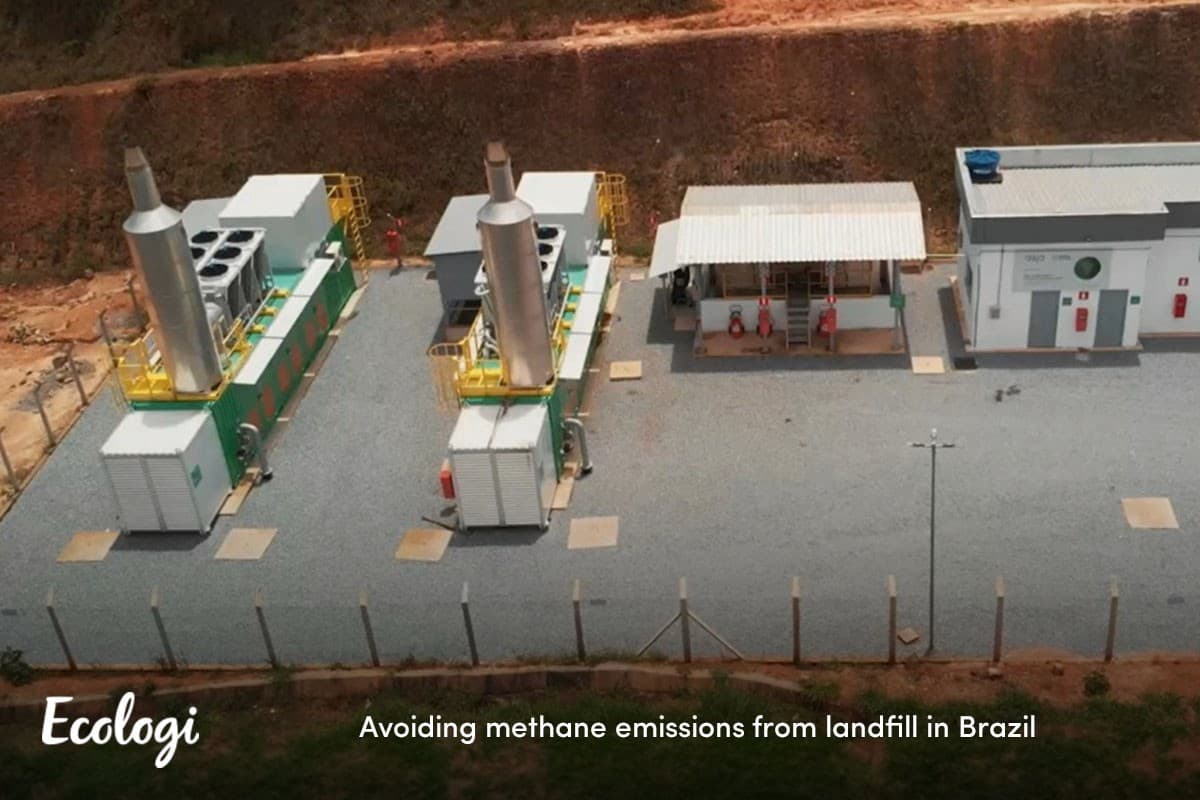
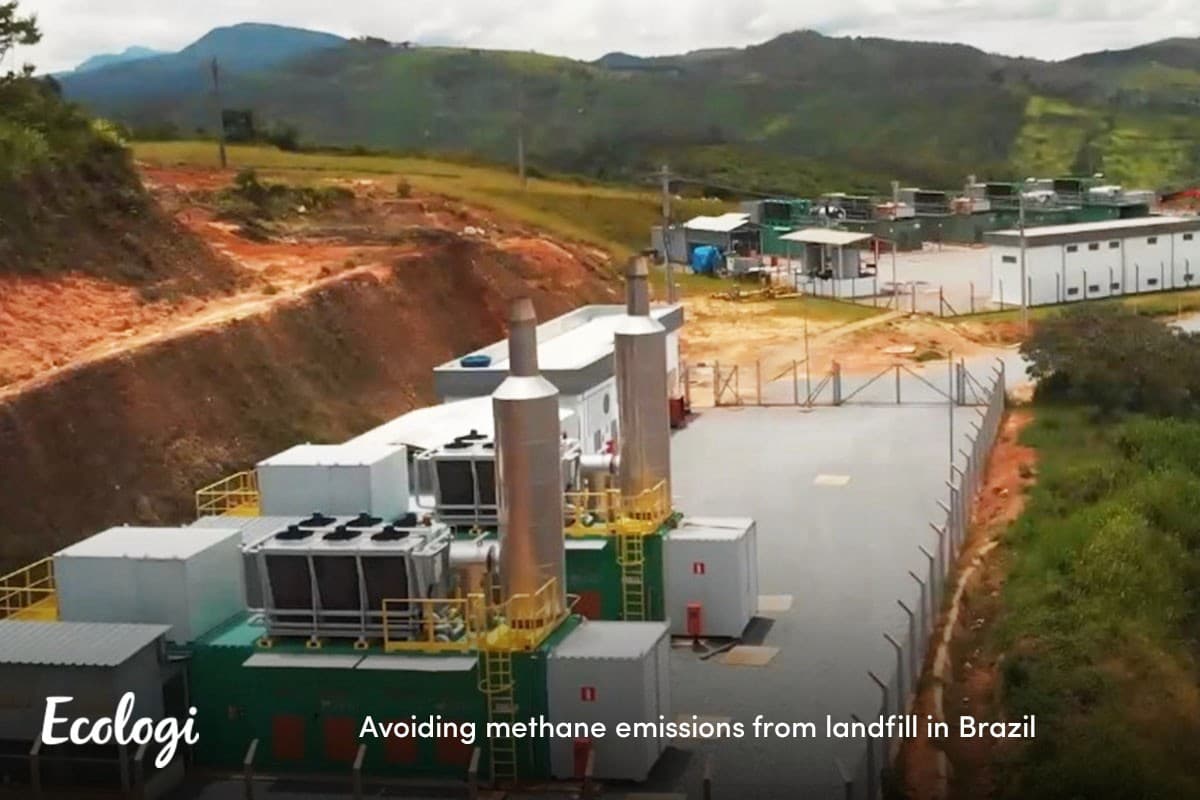
Municipal solid waste (MSW) management contributes substantially to climate change. MSW landfills are the third-largest anthropogenic source of methane, accounting for 11% of global methane emissions as biogas.
This particular landfill is in operation and receives 40% of the total municipal solid waste generated in the state, making it one of the region's most significant single sources of fugitive methane. Supporting this project helps prevent this highly potent greenhouse gas from reaching the atmosphere and generate electricity for the national grid supply.
Landfill waste releases methane, a greenhouse gas at least 28 times stronger than CO2. Landfill gas projects capture it at the source, avoiding emissions by burning it or converting it into energy.
The Macaúbas Project aims to reduce greenhouse gas (GHG) emissions through two main activities: capturing and flaring methane (CH₄) from landfill gas (LFG), and generating electricity from this captured methane. The electricity produced will be supplied to the Brazilian national grid, displacing fossil-fuel-generated power and avoiding a further stream of CO₂ emissions. This initiative contributes to sustainable development at both the regional and national levels.
The project's core idea is to avoid emissions of methane gas to the atmosphere from the landfill called "Central de Tratamento de Resíduos Macaúbas," located in the municipality of Sabará, in the state of Minas Gerais, Brazil.
The project comprises the installation and operation of an active landfill gas collection system, using vertical and horizontal extraction wells under negative pressure to capture biogas before it escapes to the atmosphere, together with enclosed flaring, biogas power generation, and a grid connection system. Enclosed flaring oxidises CH₄ to CO₂ and H₂O, substantially reducing the gas's radiative forcing before release, while the biogas power generation pathway converts the captured methane into electricity, giving the project a dual emission-reduction mechanism: methane destruction at the source and fossil-fuel displacement at the point of grid delivery.
Follow the latest milestones and updates from this project.
The project prevents the release of methane gas into the atmosphere, significantly reducing greenhouse gas emissions. In its current monitoring phase, the project has achieved emission reductions of 102,580 tCO₂e. Additionally, the clean electricity generated by the landfill gas displaces power from fossil fuel-fired plants, further contributing to Brazil's climate action goals.
By capturing and utilising methane, the project mitigates environmental harm caused by waste decomposition in landfills. It reduces the impact of landfill operations on surrounding ecosystems and helps protect air quality, while supporting cleaner energy production.
The project creates new local employment opportunities, including construction, operations, maintenance, monitoring, and security roles. Workers receive specialised training to operate advanced equipment such as blowers, flares, and generators, enhancing their skills and employability. Additionally, the project stimulates the local economy by using local manpower during implementation and paying taxes to the municipality, contributing to income generation in the community.

By preventing the release of methane into the atmosphere, the project improves air quality, reducing the negative health impacts associated with landfill emissions

The project generates clean electricity from methane gas captured at the landfill, providing a renewable energy source that helps to displace fossil fuel-based power generation. This contributes to energy access and affordability in the region while reducing dependence on polluting energy sources.

The project plays a direct role in mitigating climate change by reducing methane emissions, a potent greenhouse gas. By capturing and flaring methane, it prevents its release into the atmosphere and contributes to emission reductions, advancing global efforts to combat climate change.
These partners help deliver the project and verify its impact.

The Verified Carbon Standard (VCS) Program is the world's most widely used greenhouse gas (GHG) crediting program.
View evidence
Projects developed under the CCB Program must follow a rigorous assessment process to be certified. The CCB Standards are managed by Verra but were developed through a multi-stakeholder process by the Climate, Community & Biodiversity Alliance, a partnership of CARE, Conservation International, The Nature Conservancy, the Rainforest Alliance and the Wildlife Conservation Society.